What You Pay
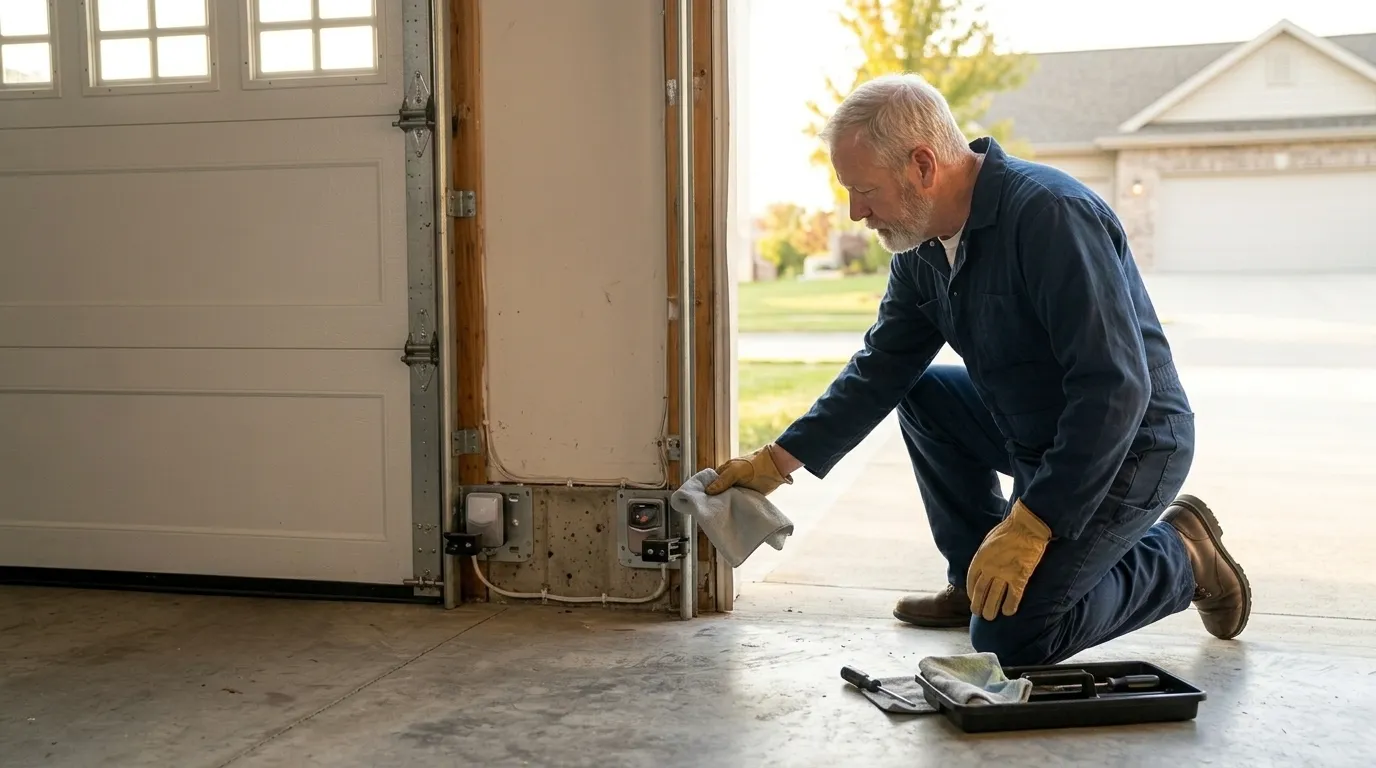
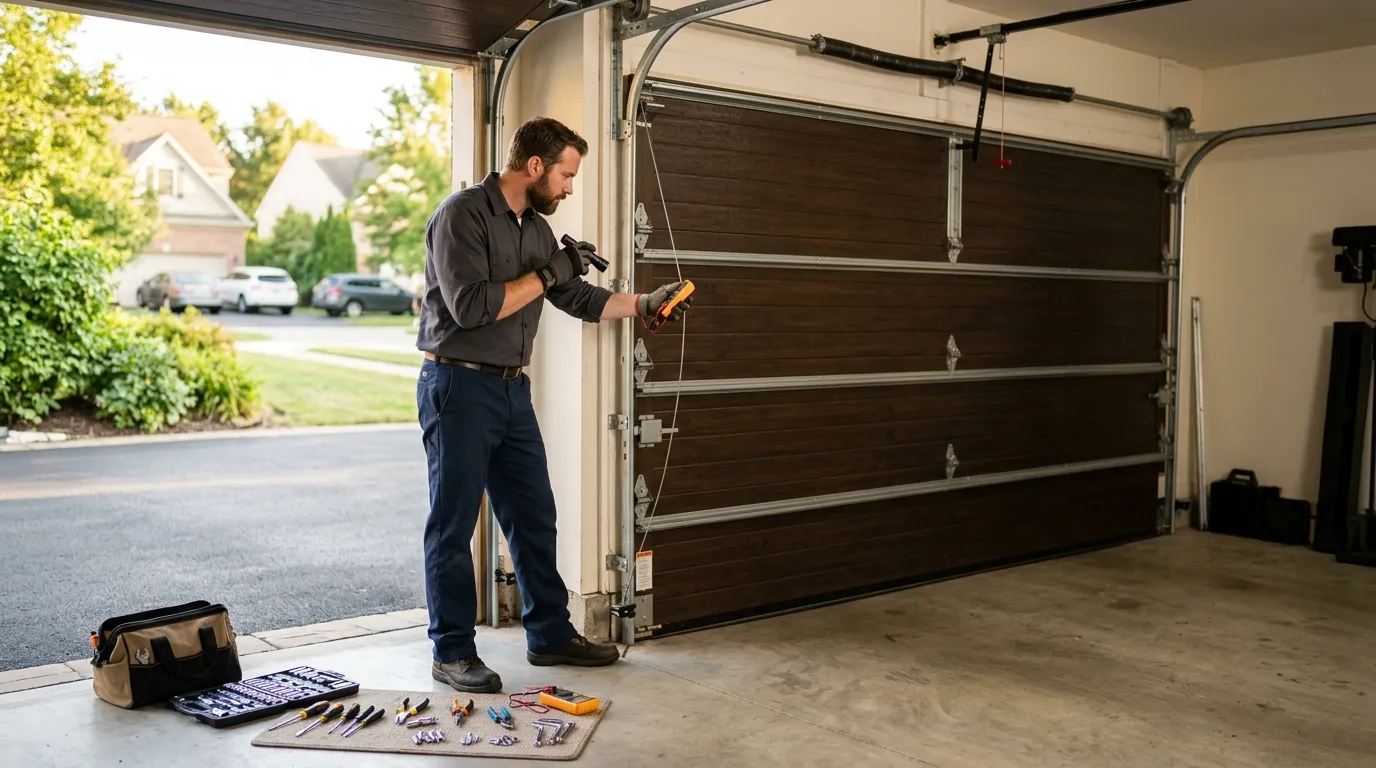
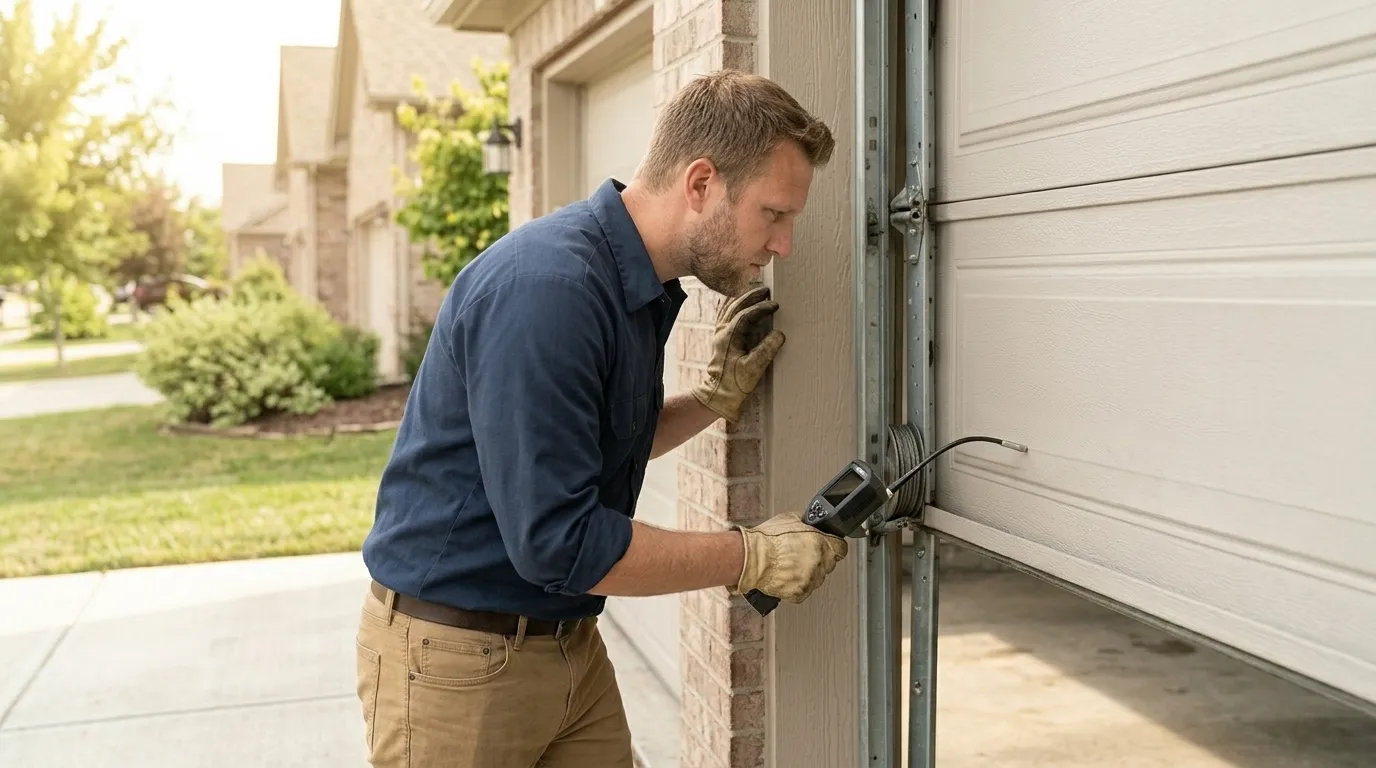
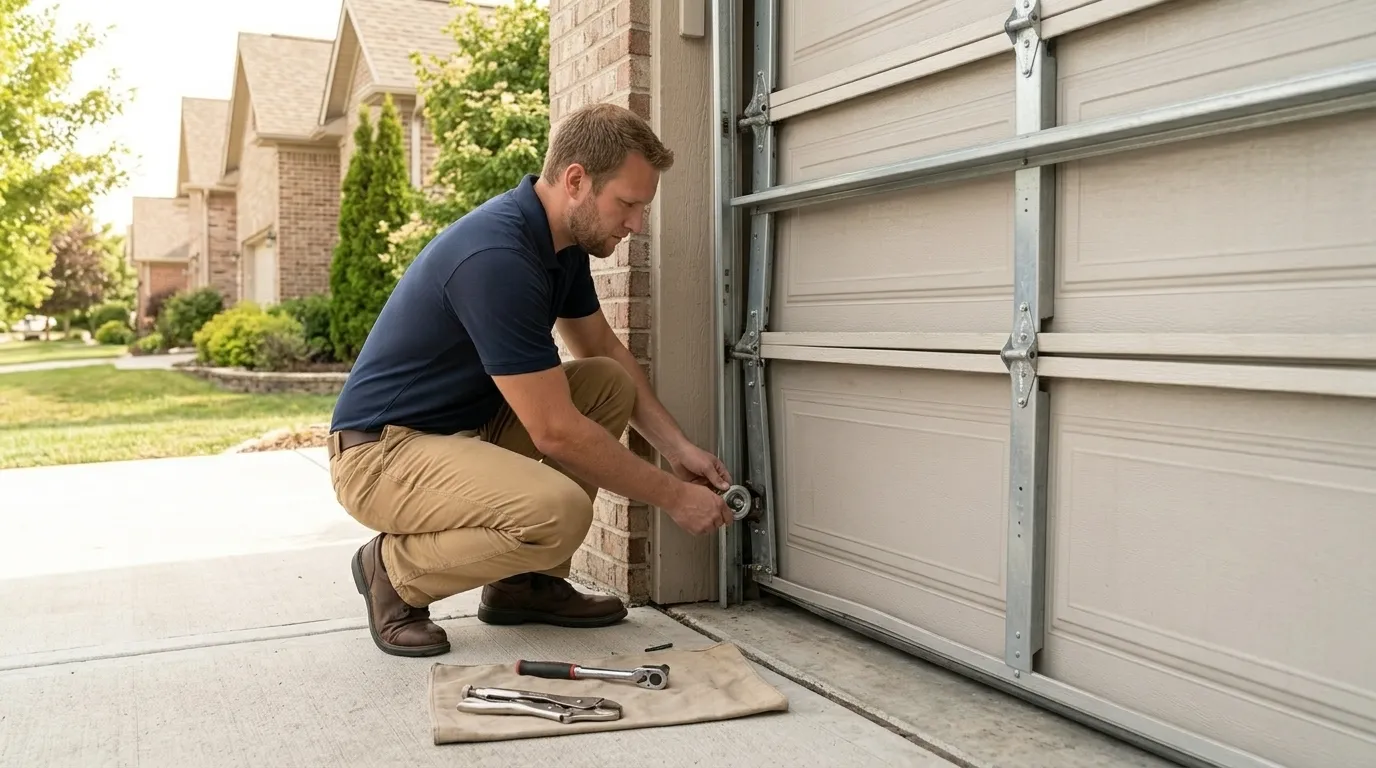
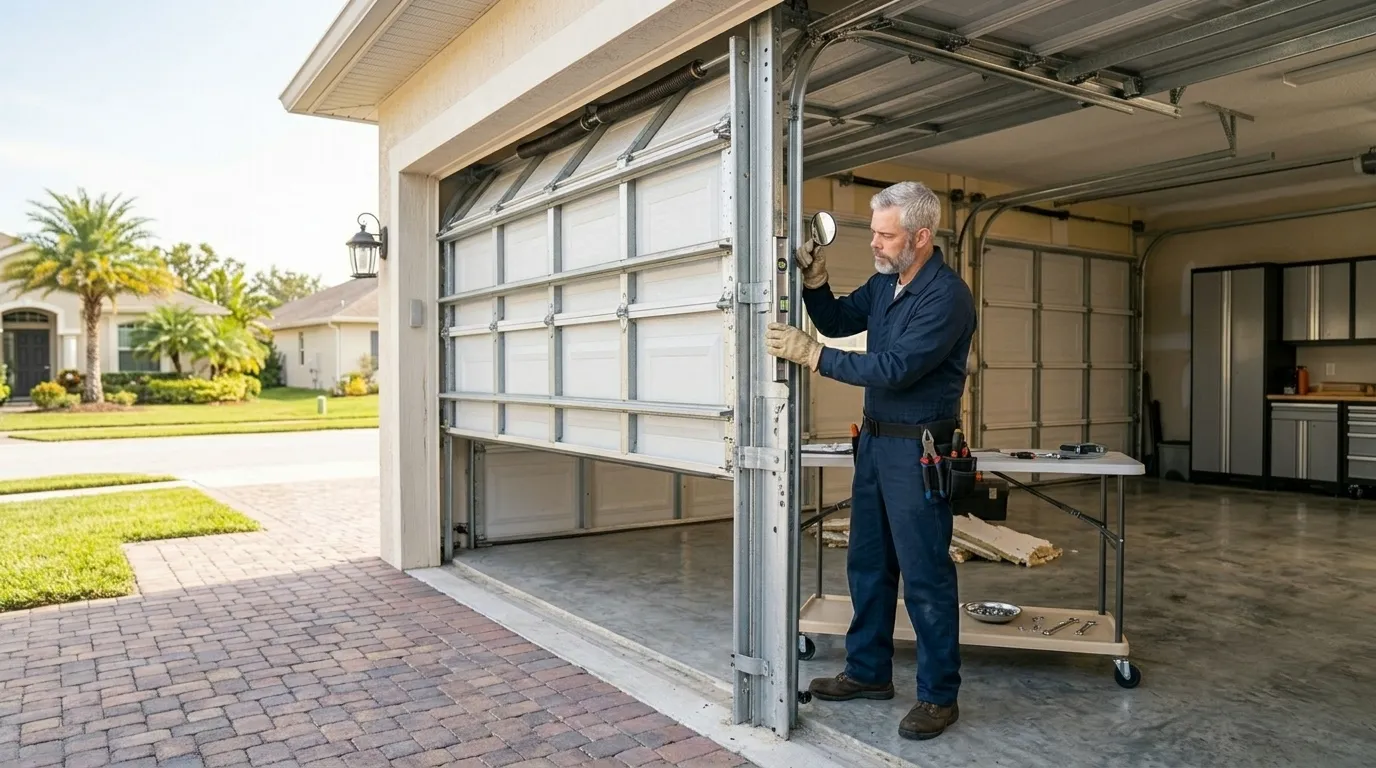
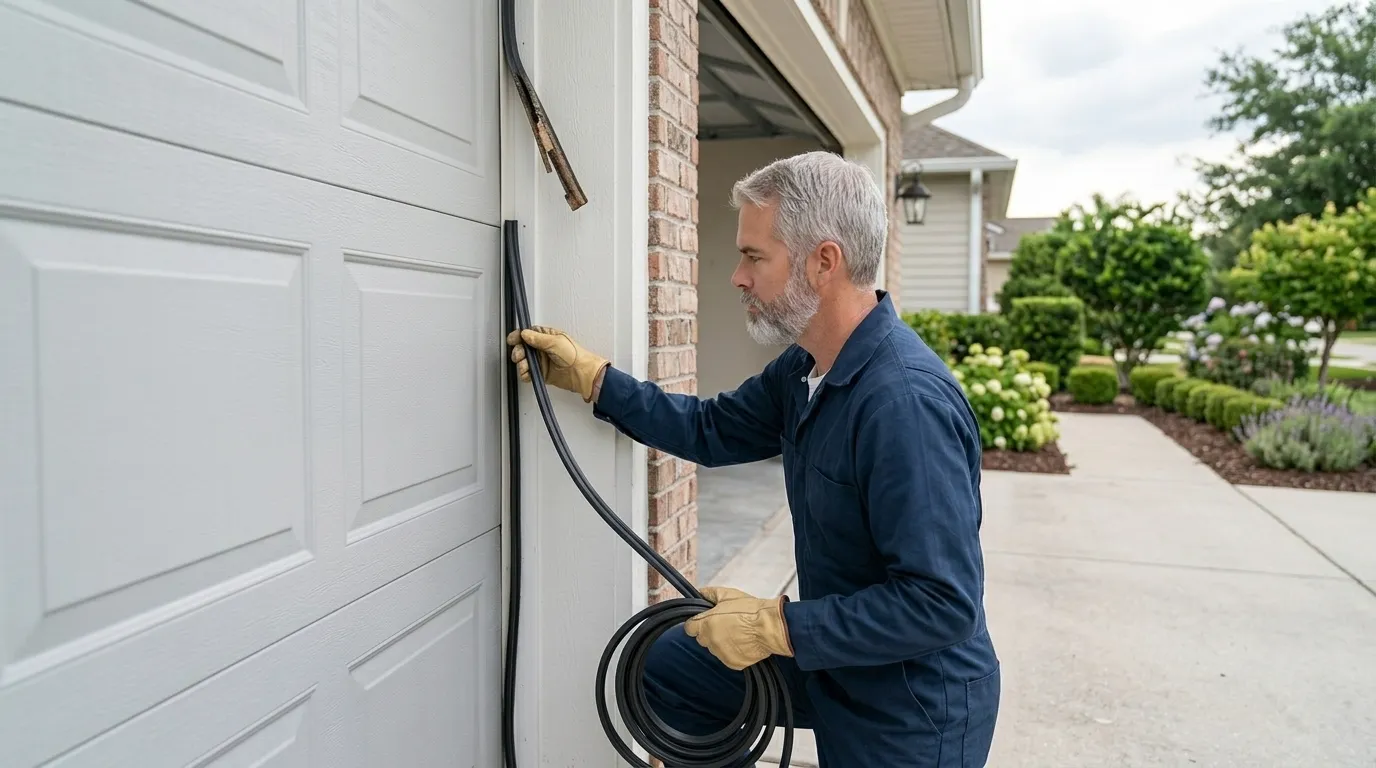
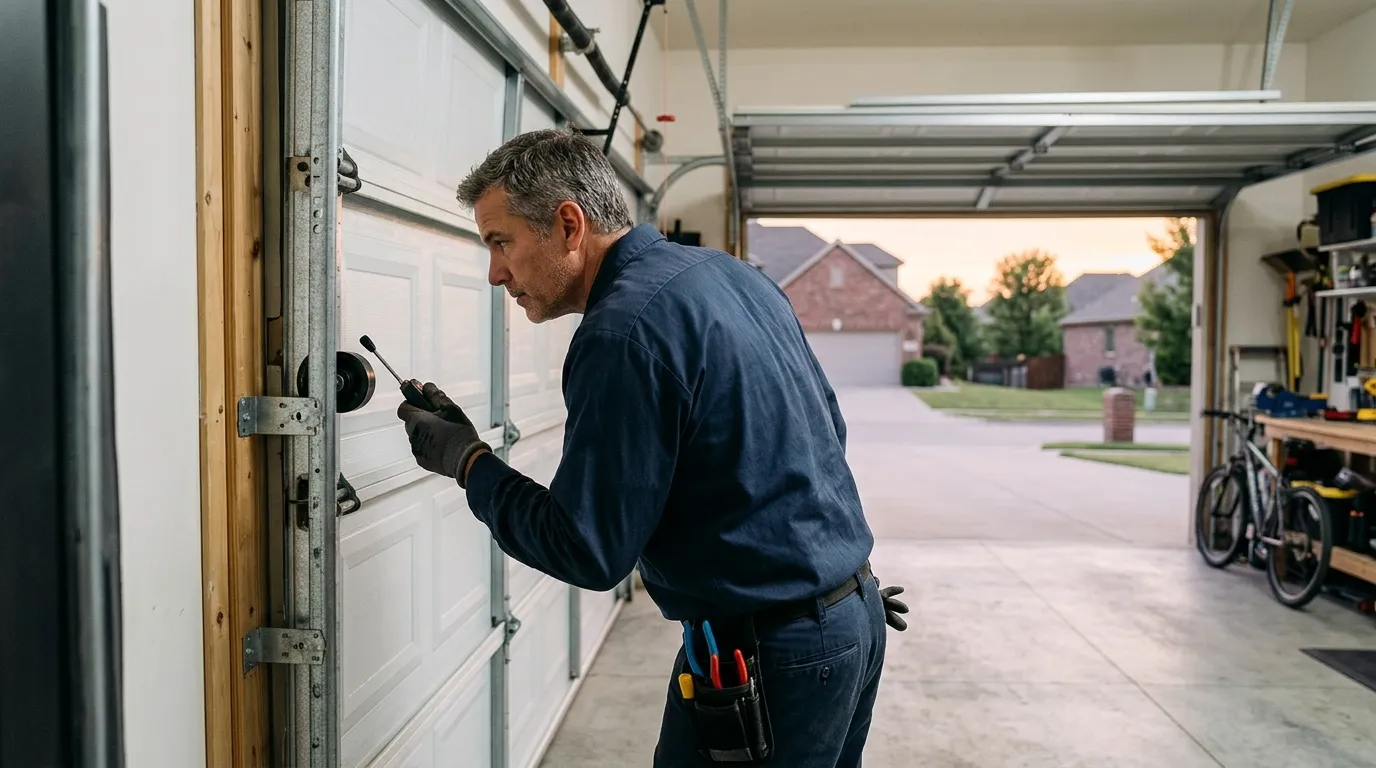
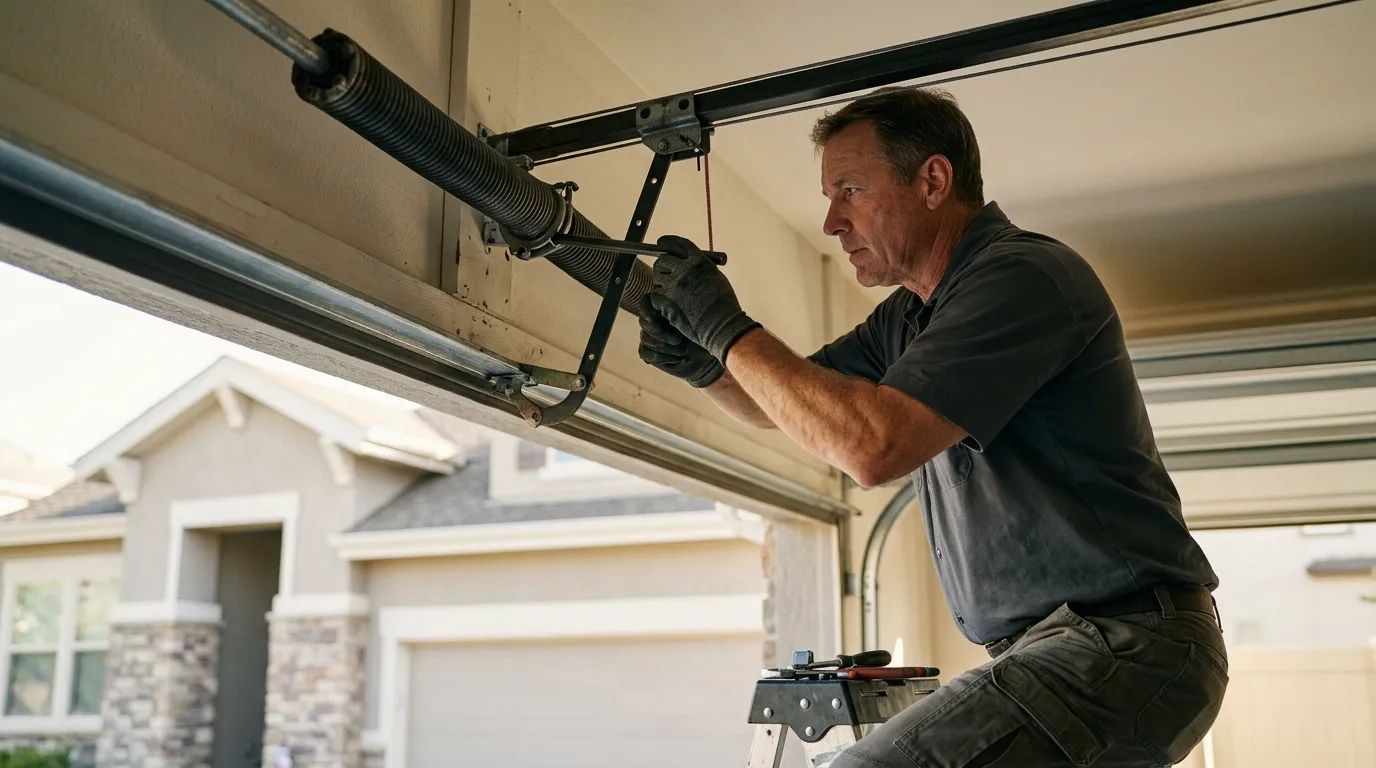
We don't publish a flat number here because a tune-up on a 1990s builder-grade door with the original rollers costs less than one on a door that's had a spring swapped twice and a track knocked out of true by a car bumper. What drives the number: how many moving parts need lubrication versus replacement, whether the opener's force settings have drifted, and whether the weatherstripping and bottom seal are still doing their job in a cold-climate house. A basic maintenance visit covers spring tension check, roller and hinge inspection, track alignment, cable wear, and opener safety-reverse test. If something needs parts - a roller that's chipped, a cable fraying at the drum - that gets quoted separately before we touch it, not added to the bill after. Households across this service area range widely in income (median $87,623 across roughly 105,000 households), and we price maintenance the same regardless of neighborhood - the variable is the door's condition, not the address. If your door was serviced within the last year and shows no symptoms, a maintenance visit is often the cheapest thing you'll spend on the house all winter.
Where This Job Goes Sideways
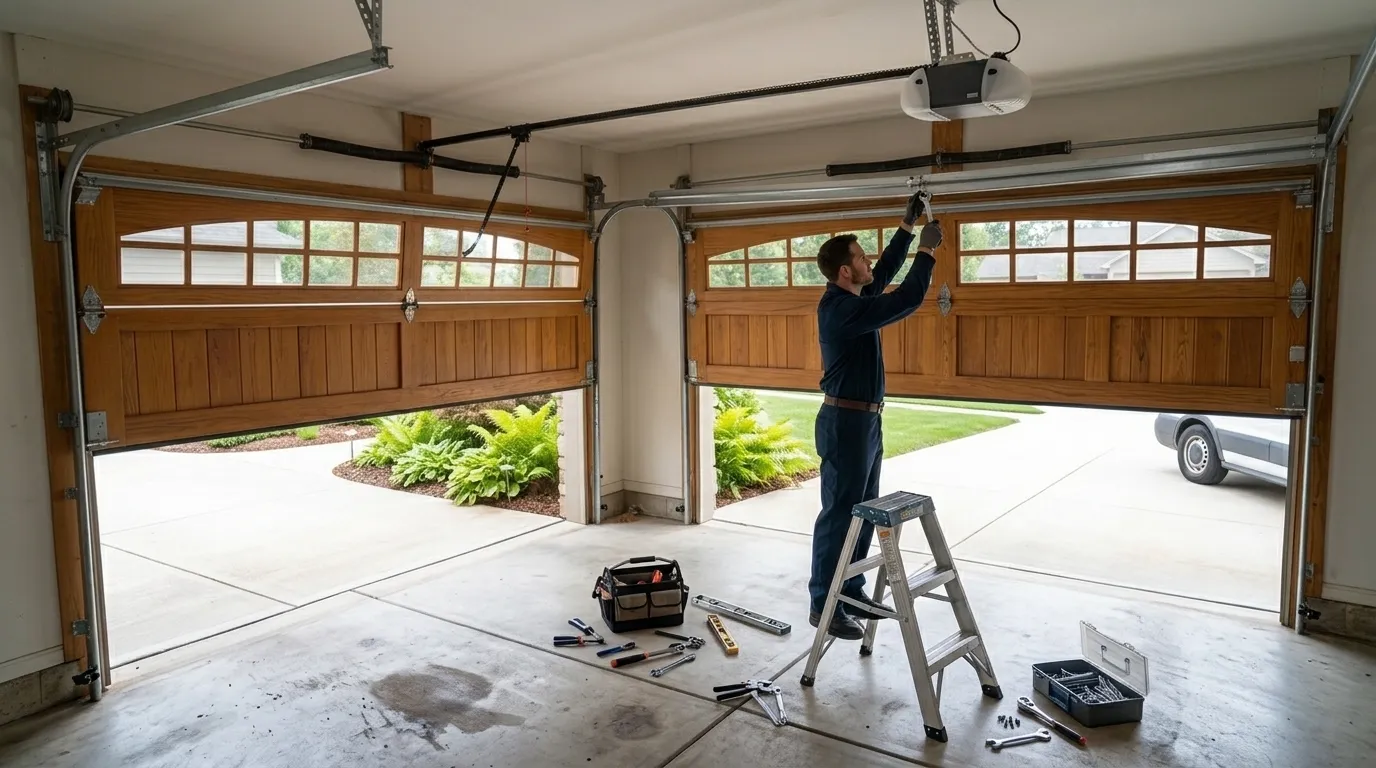
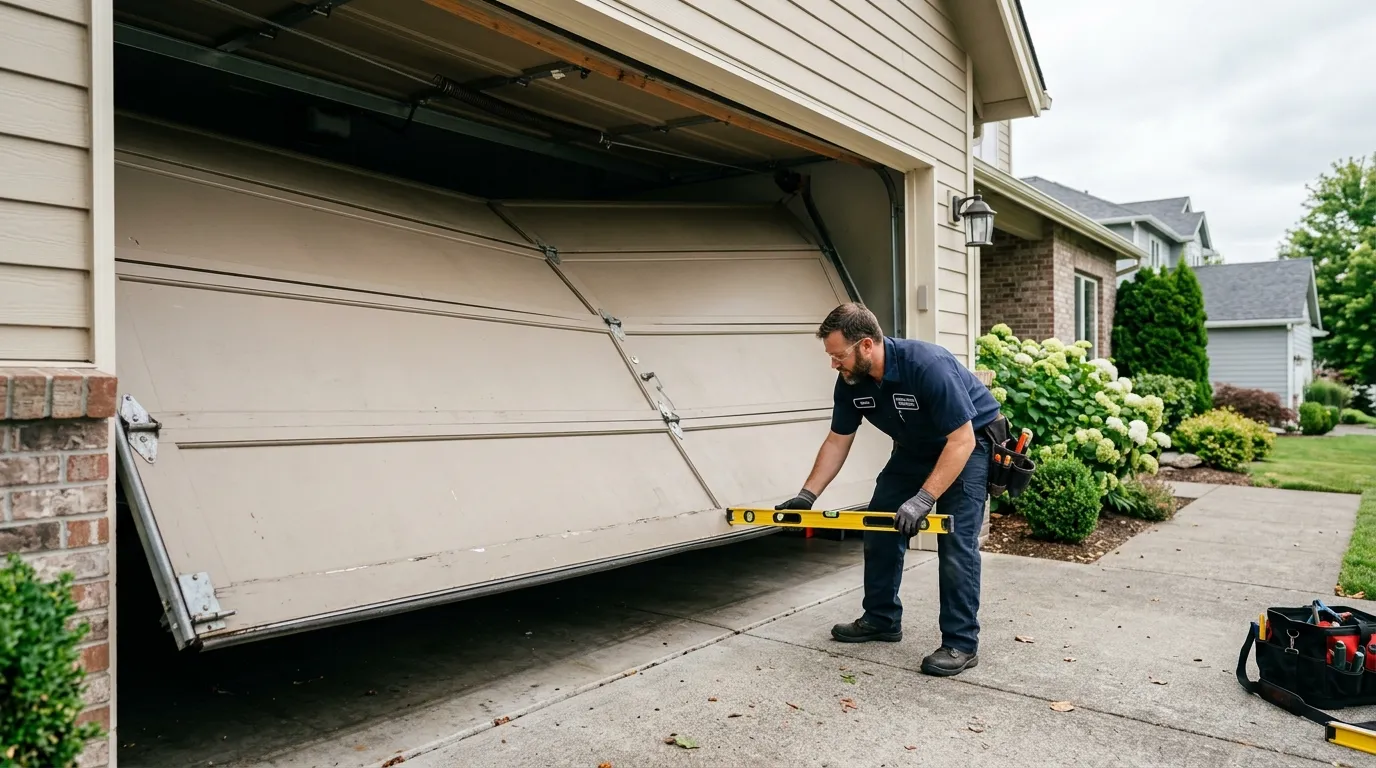
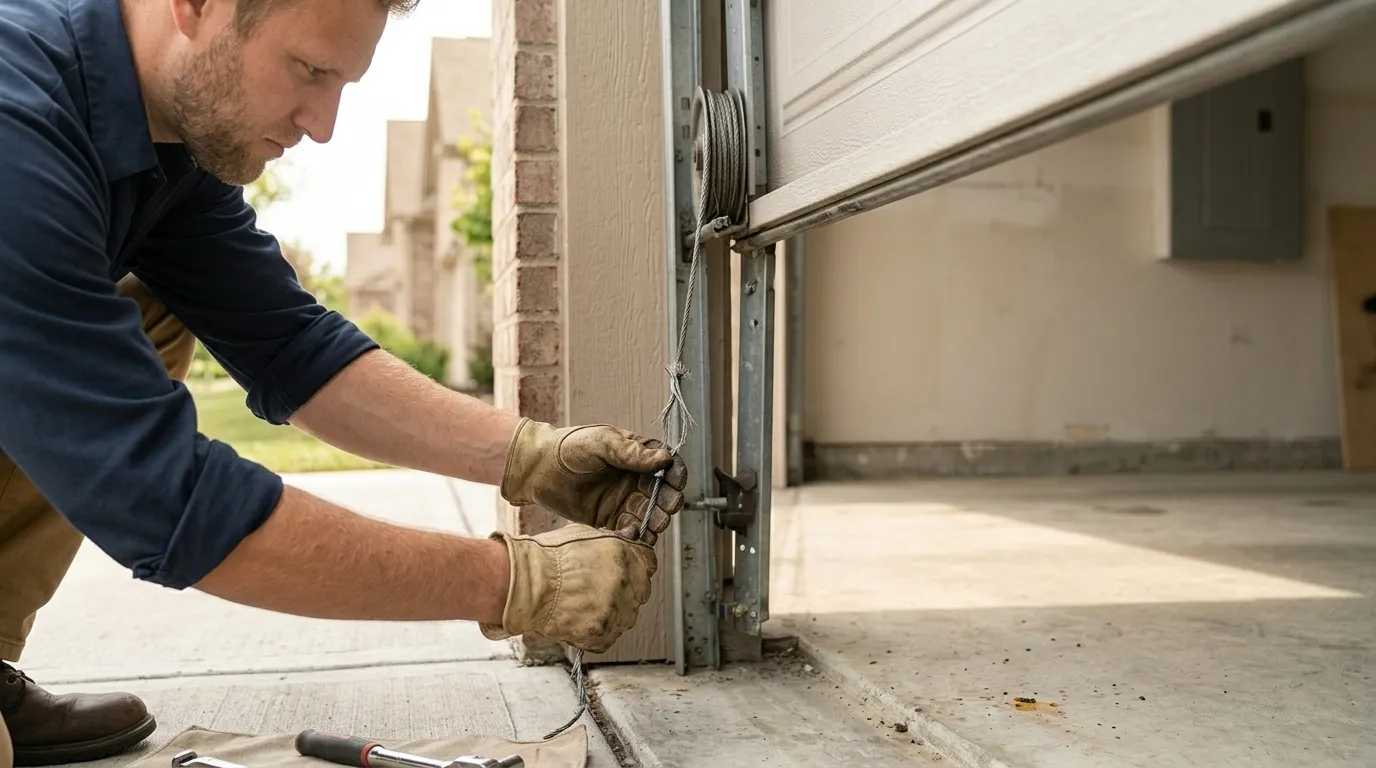
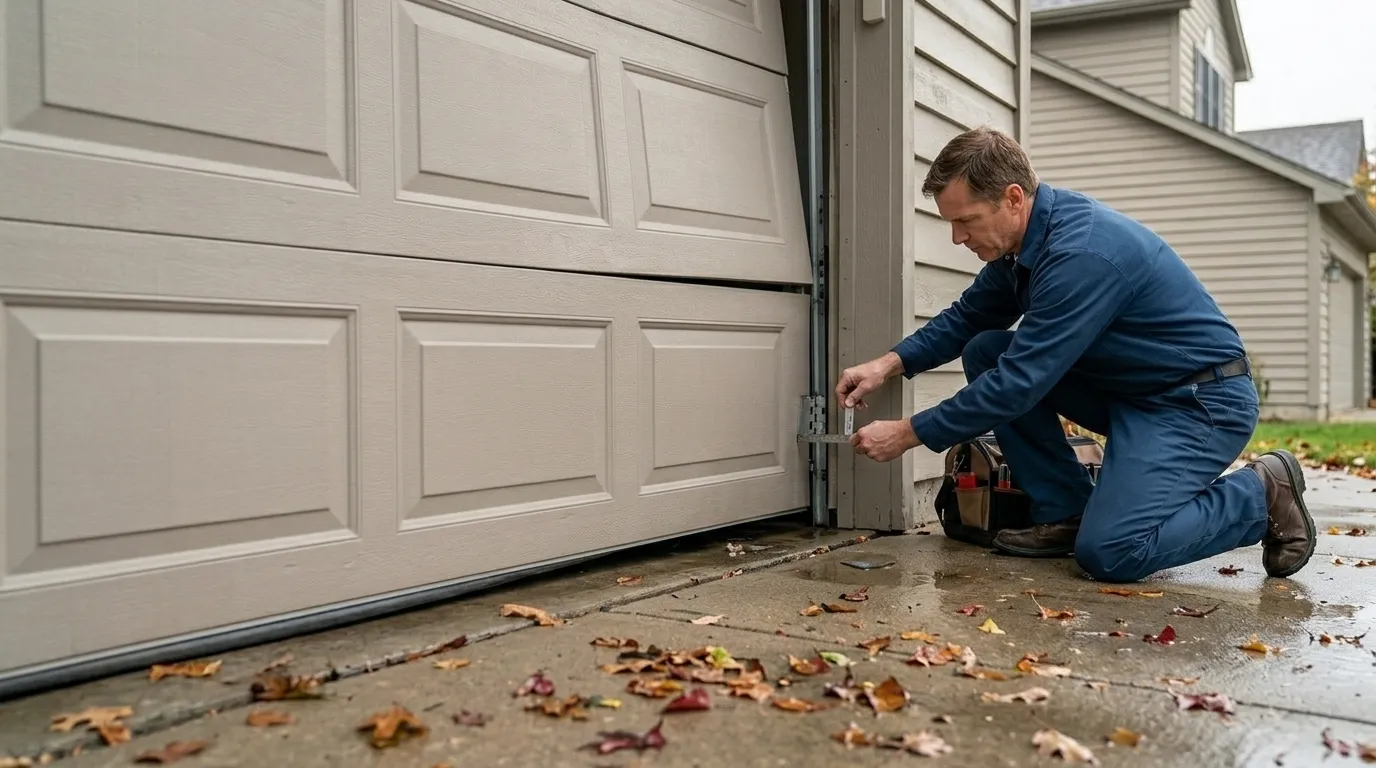
Maintenance calls turn into bigger jobs in a few predictable ways. The most common: a homeowner asks for a tune-up on a door that hasn't been touched since it was installed sometime in the 1980s or 90s - and once we get the spring under tension, it's clear the spring itself is original and past its rated cycle count. Lubricating a spring that's about to break doesn't fix anything; it just delays the break by a few weeks. Second: opener force settings get adjusted during a routine visit and the door starts reversing on obstacles it used to power through - that's the safety system doing its job, not a malfunction, but it surprises people. Third: track alignment reveals a bent section that's been compensating with a slightly crooked roll for months, and straightening it exposes a roller that was masking the real problem. None of these are upsells - they're what you find when you actually look at 30-plus-year-old hardware instead of just squirting oil on it. The honest limitation: if your opener is more than 15 years old and the logic board is failing, no amount of maintenance saves it. At that point we tell you to replace it, not schedule another visit.
The Symptom
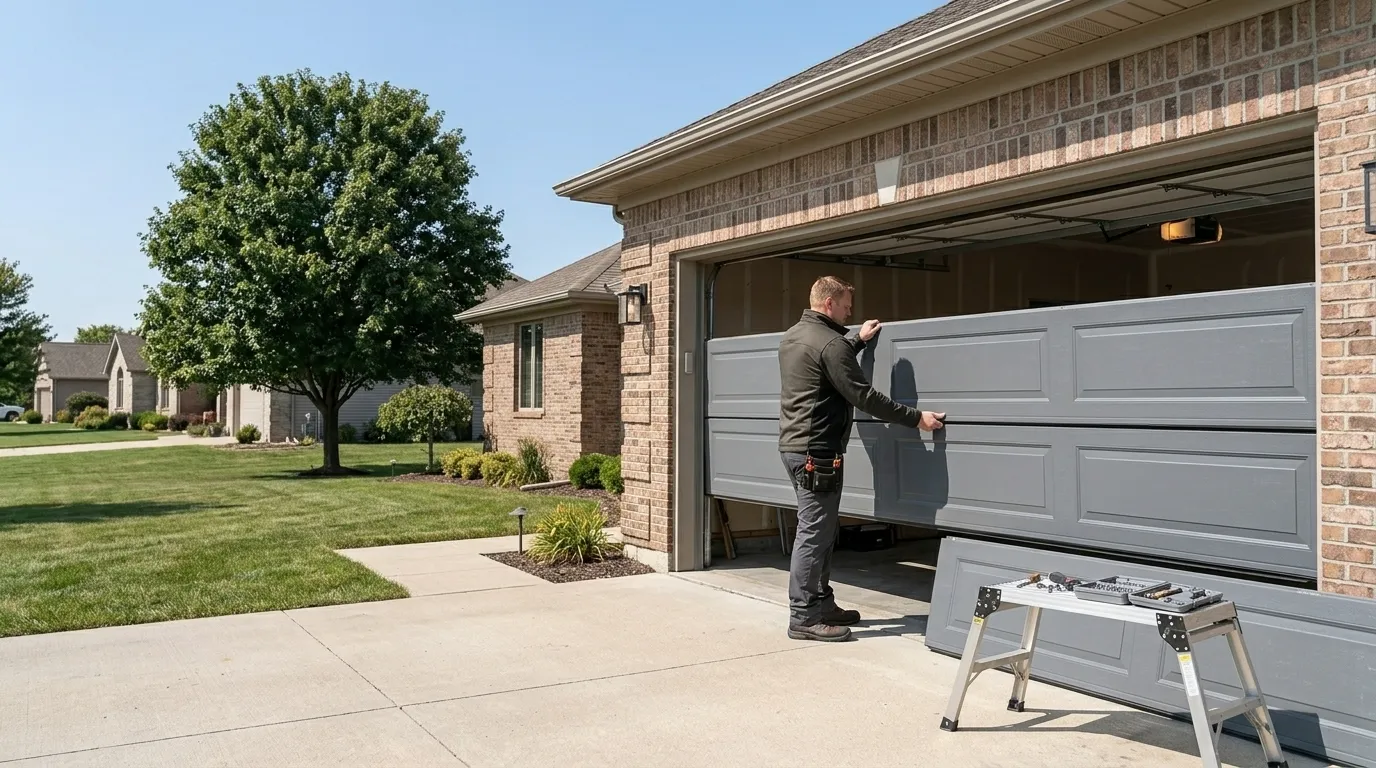
The door that gets skipped on maintenance usually tells you before it fails outright. Listen for a grinding or popping sound near the top of the track as the door opens - that's often a roller that's worn flat on one side, and it's cheap to fix now, expensive once it takes the track with it. Watch for a door that opens smoothly but drops the last foot faster than the rest of the run - that's spring tension going, and on a door with an original 1980s or 90s spring, that's not a surprise, it's overdue. A door that needs a shove partway through the cycle, especially on a cold morning, is telling you the torsion system is fighting the temperature and its own age at the same time. None of these symptoms mean the door is done. They mean it's due for a look before the part that's straining becomes the part that snaps - usually with a cable or spring under full load, which is the one repair call nobody wants to make on a Sunday.