What You Pay
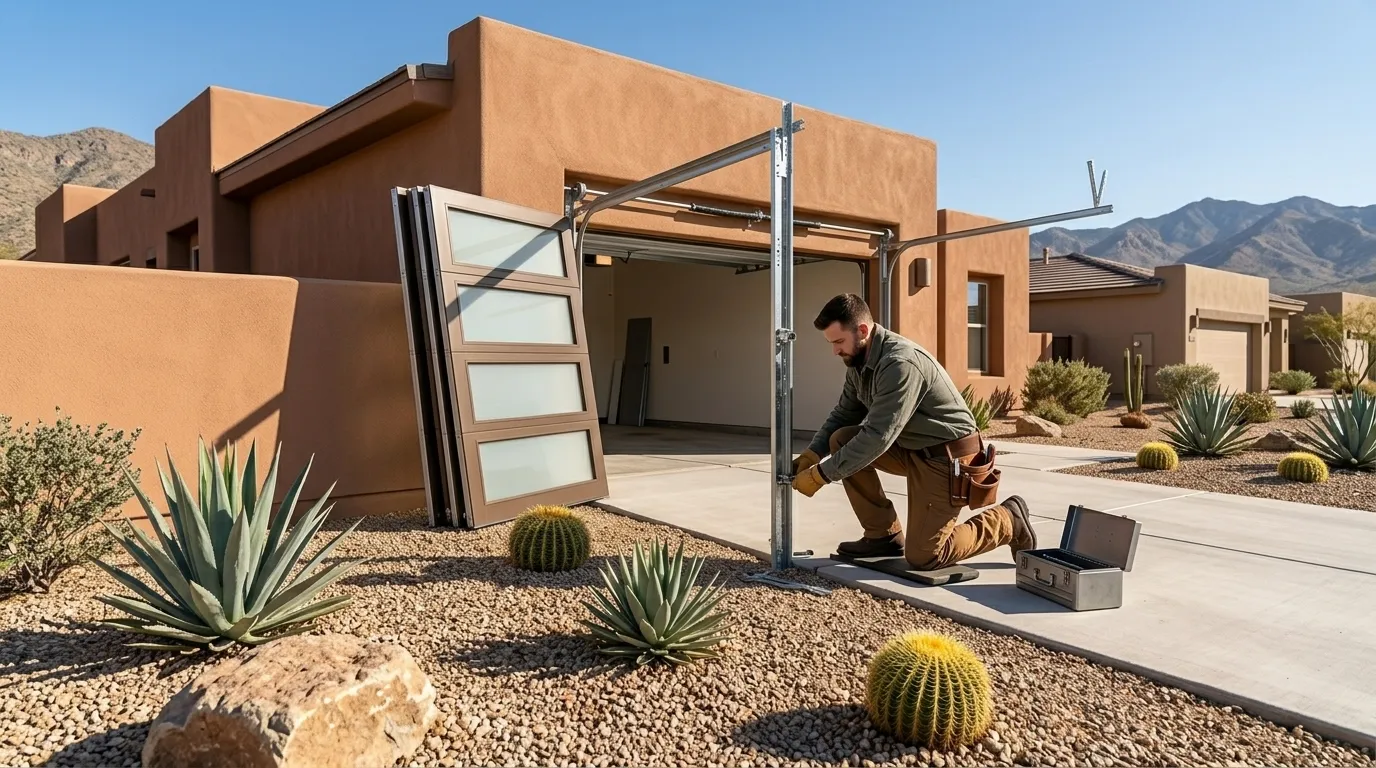
We don't quote a flat number here because panel cost swings on three things: how old the door is, whether the run is still made, and how many panels got hit. A single dented panel on a door built in the 1990s (common across Brighton's housing, most of which went up between 1958 and 2010) is usually a straight swap if the manufacturer still runs that profile. Once a door is old enough that the exact panel is discontinued, you're either hunting a salvage match or replacing more of the door than the damage alone would suggest, and that changes the job size, not just the material cost. Steel gauge matters too - a heavier, insulated panel built for a severe cold climate costs more than a light single-skin panel, but it's the right call here given our winters. We'll look at the door, tell you which of those situations you're in, and price the actual job in front of us rather than a number that doesn't match your door. One honest limit: if your door is old enough that the track spacing or panel height has changed since it was built, we may recommend replacing the whole door instead of chasing a panel that no longer exists.
Where This Job Goes Sideways
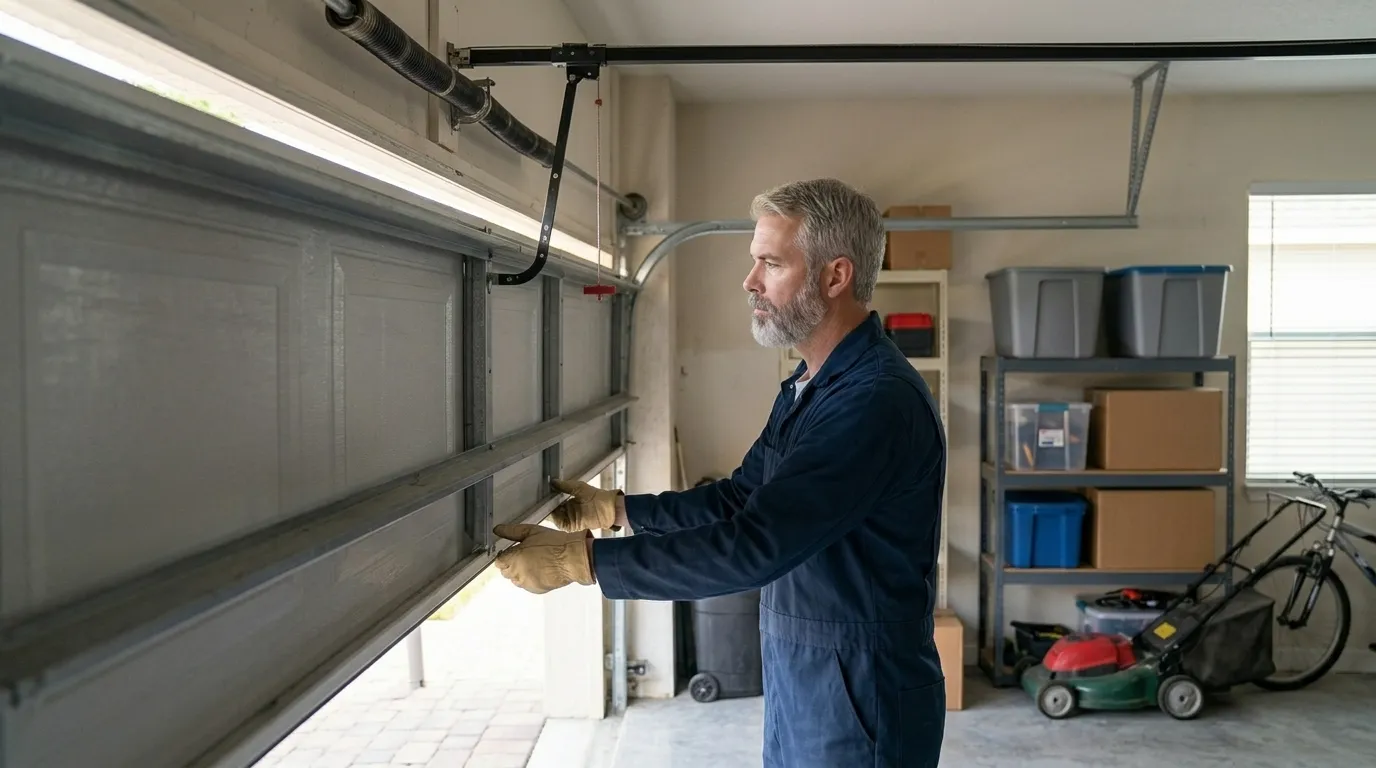
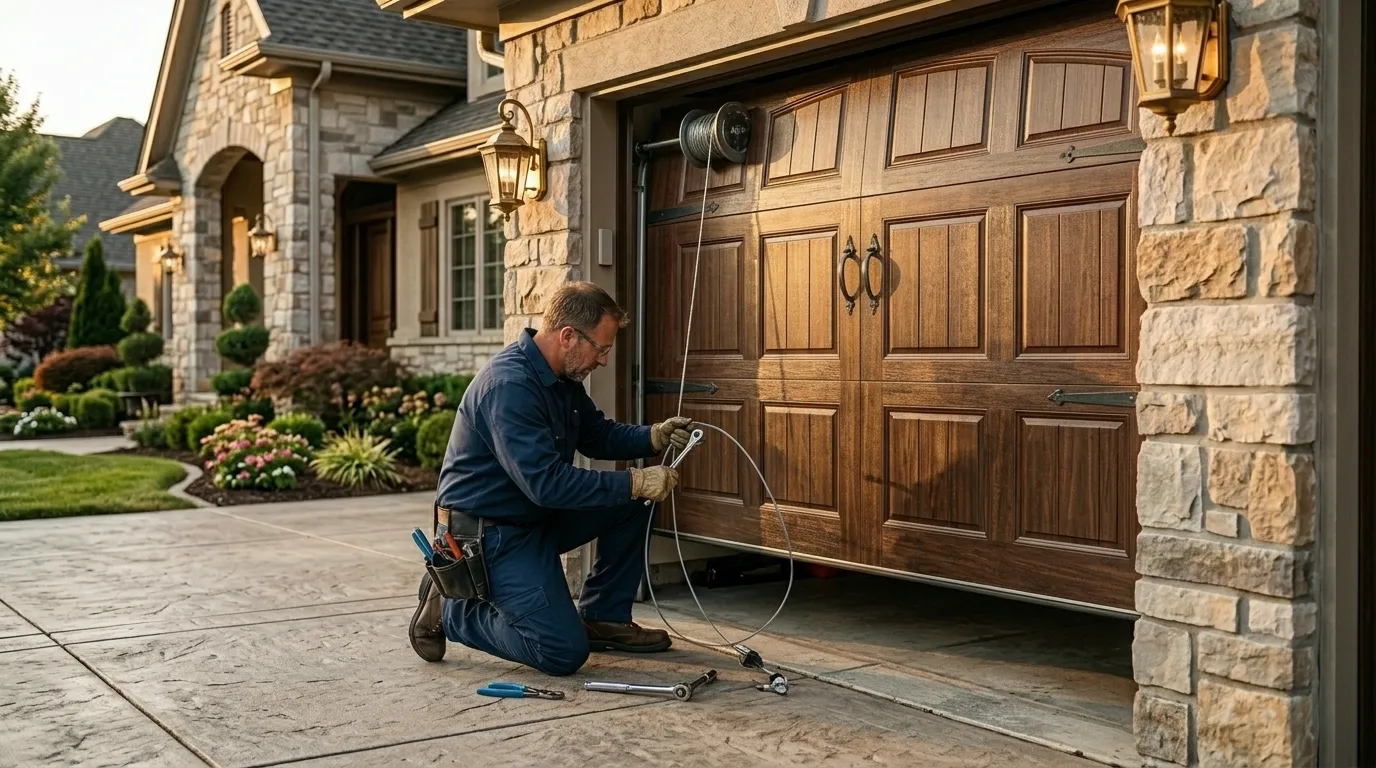
The trouble starts when someone orders a panel by color and size alone, without checking the actual profile against the door's build era. Brighton's housing stock spans 1958 to 2010 with a median around 1991, and across the 23 named areas in our service territory that stock is mostly 1980s and 90s vintage - which sounds uniform until you notice how many panel widths, rib patterns, and hinge spacing standards ran through those three decades. A panel that looks like a match in a photo can be a quarter-inch off on hinge holes or a different rib count, and once it's hung, the door racks unevenly on the track. The second way this goes sideways is matching only for looks and skipping the insulation rating - swapping a foam-filled panel for a hollow one changes how the whole door balances under spring tension, which shows up later as a door that won't stay put mid-travel.
The Symptom
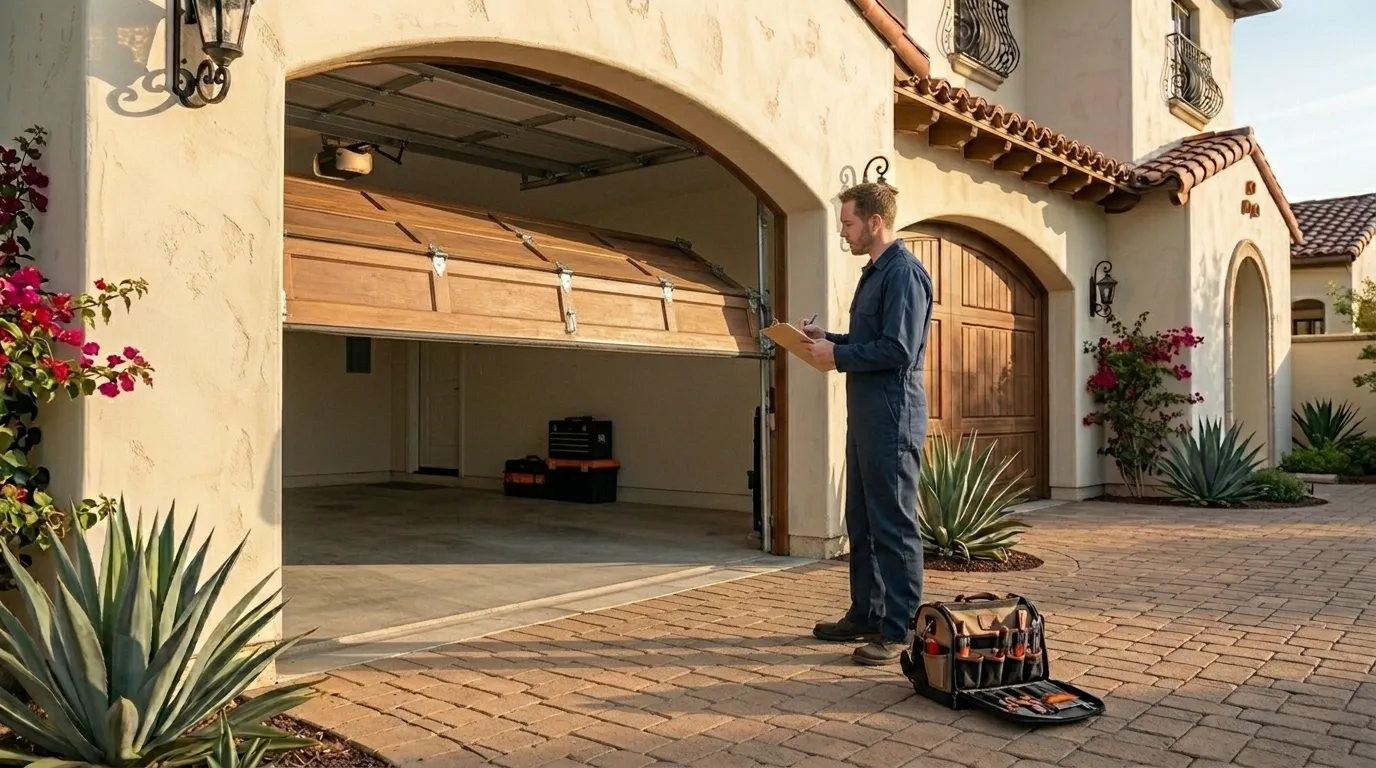
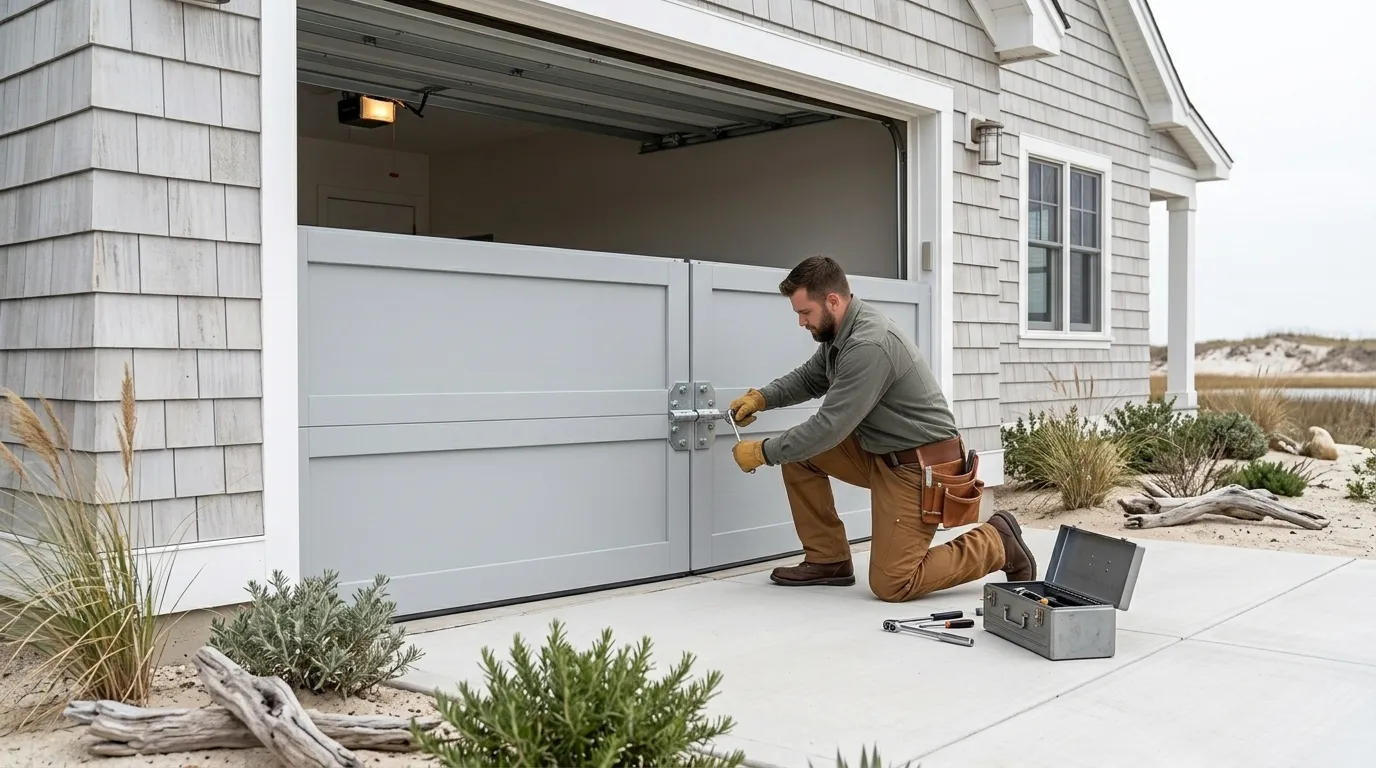
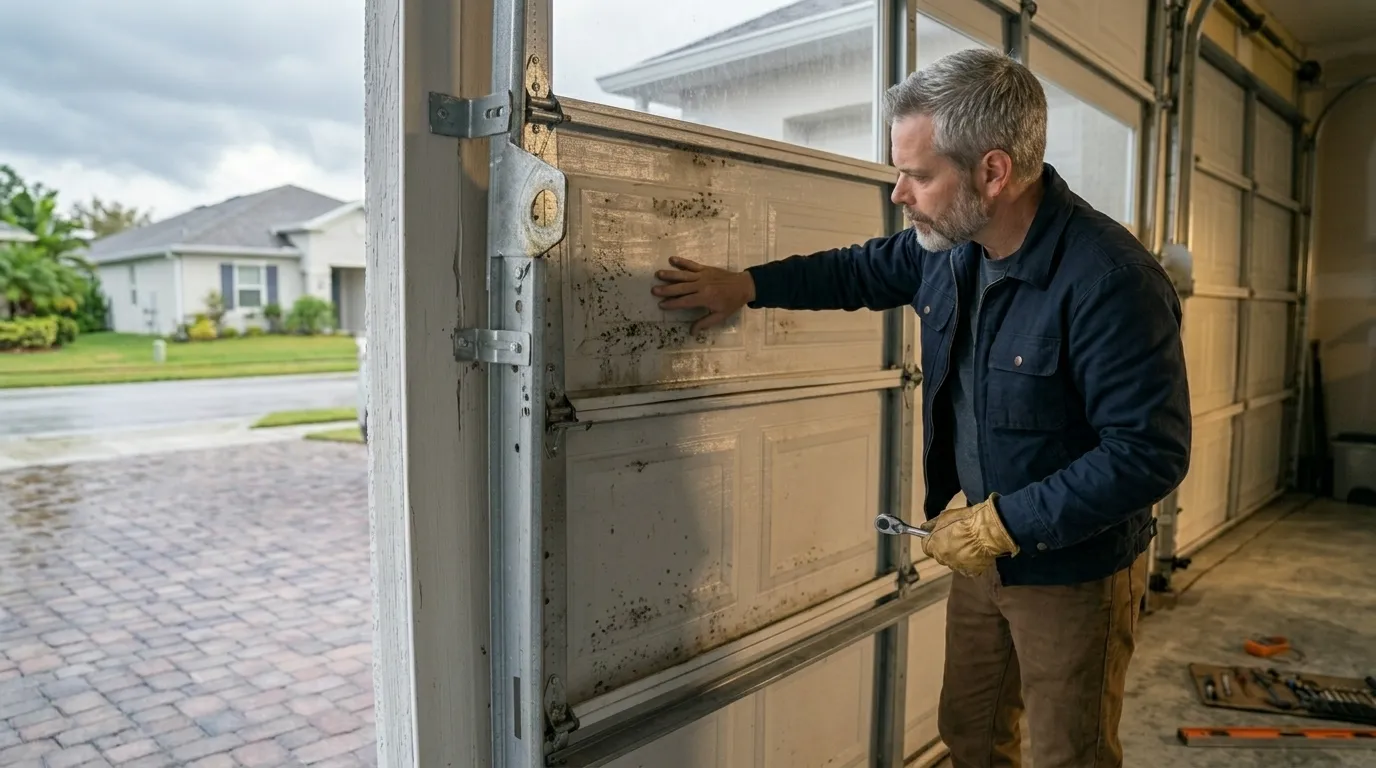
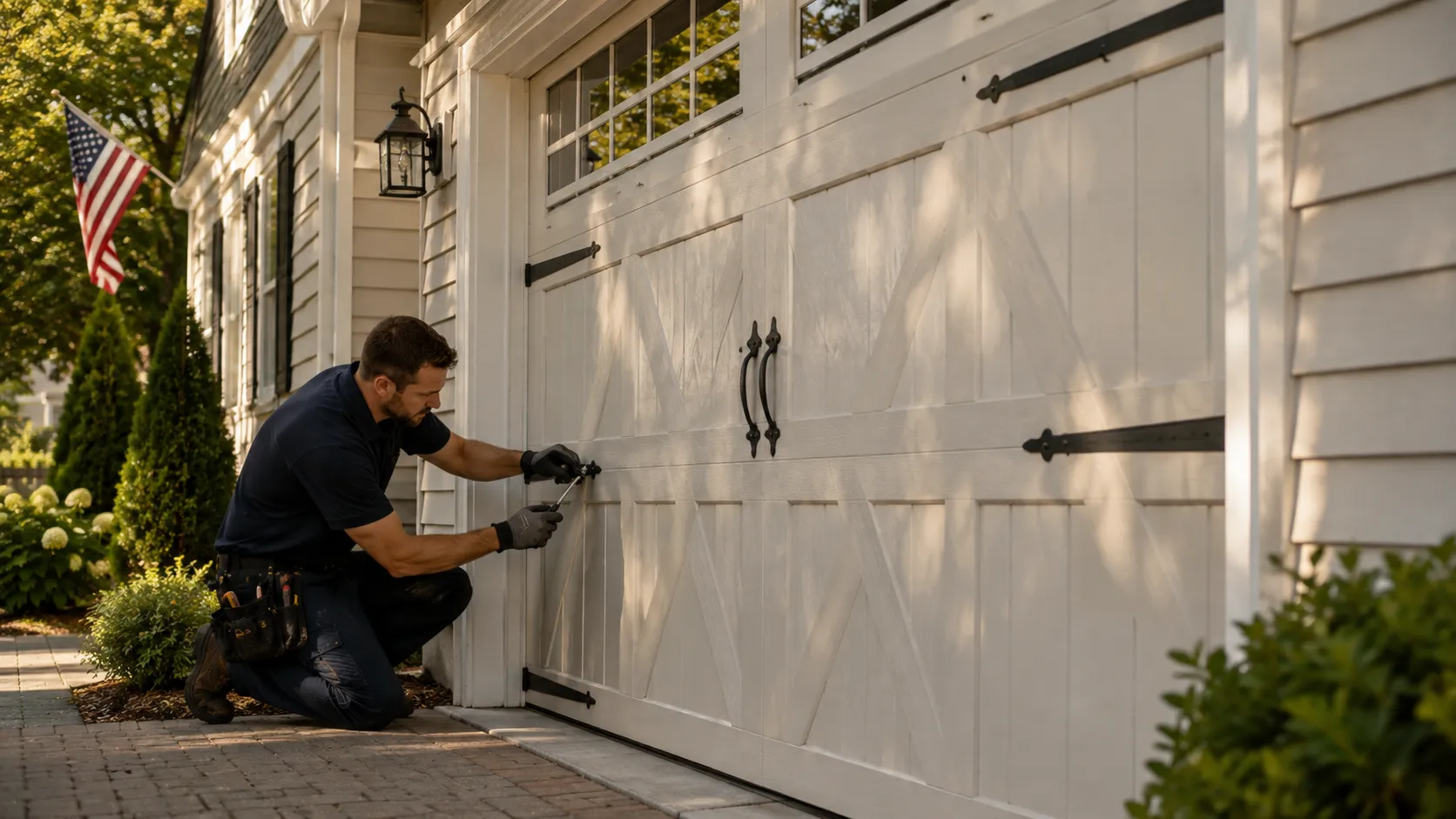
Usually it starts small: a visible dent or crease from a car bumper, a trash can, or wind-driven debris, on one or two panels near the bottom of the door. The door still opens and closes, so people put off the call. What changes things is when that dented panel is on a door old enough that the exact match isn't on a shelf anywhere close - across our region's mostly 1980s-90s stock, that's a common spot to land. At that point the choice is a hunt for a compatible discontinued profile, a full-door panel set, or in some cases a new door. If you're seeing a panel that's bowed rather than dented, or the door binds on the track near that panel, don't wait on that one - a bowed panel under spring load is a different repair than a cosmetic dent and it can strain the opener.