What the Repair Takes
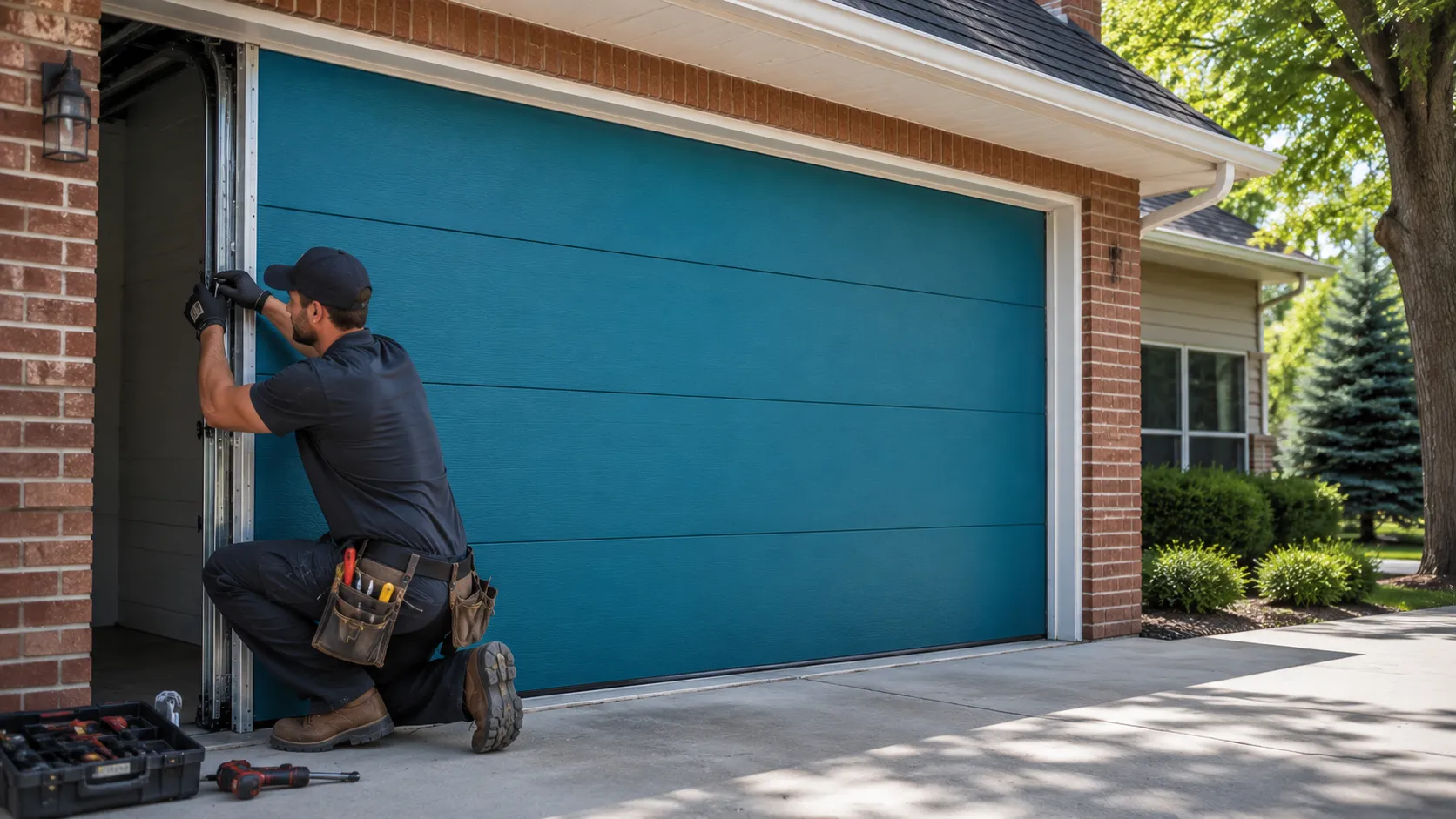
Most of the garage door work we see out this way isn't a repair at all - it's a straight swap. Todd Creek's housing stock runs newer than a lot of what we cover from Brighton; the median build year here sits around 2006, a good fifteen years ahead of the 1991 median across the wider service area. That means fewer homeowners calling about a door that's failed outright, and more calling because the original builder-grade door and opener installed when the house went up are simply at the end of their service life, or the owner wants something heavier and better insulated than what came standard.
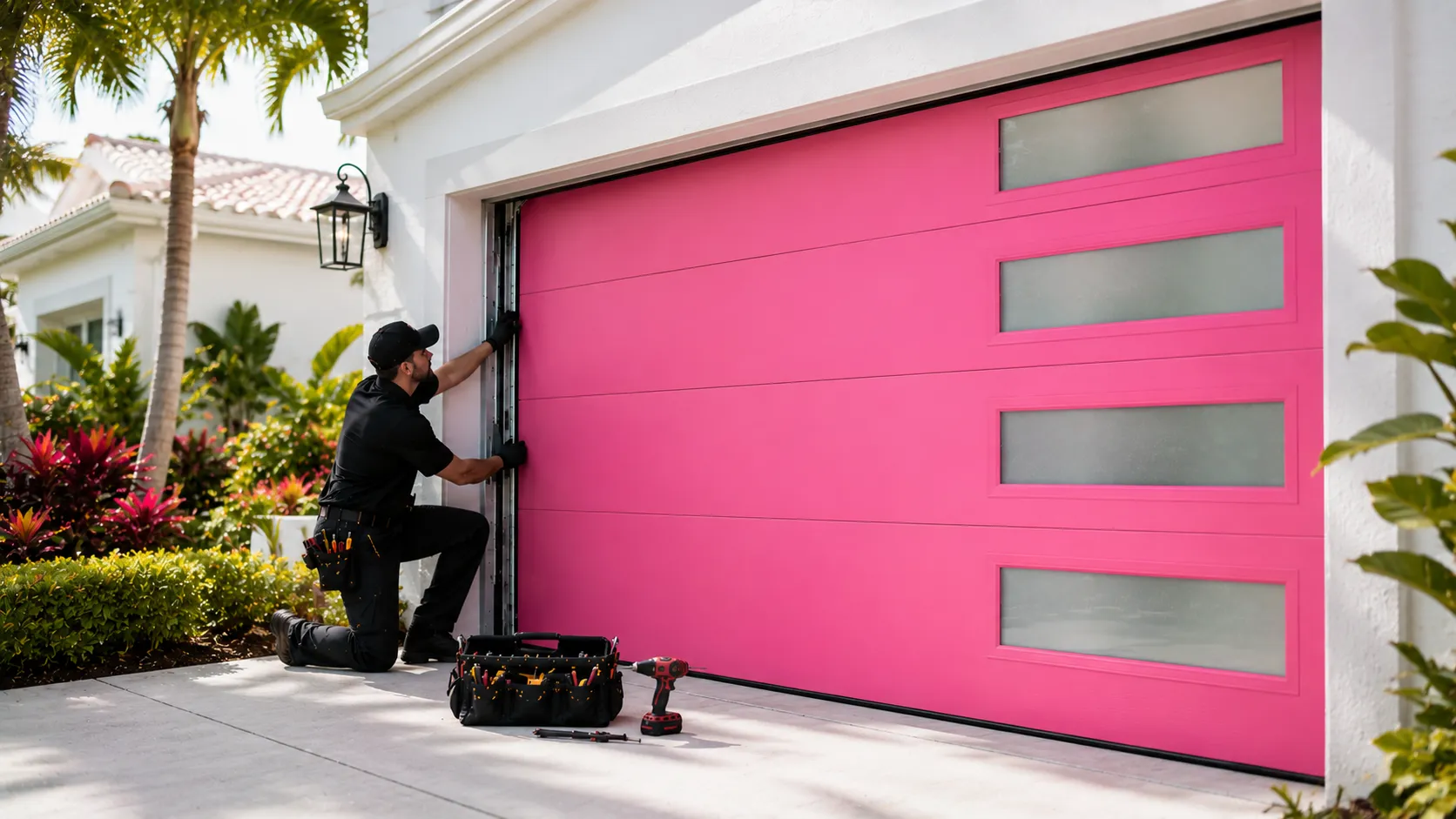
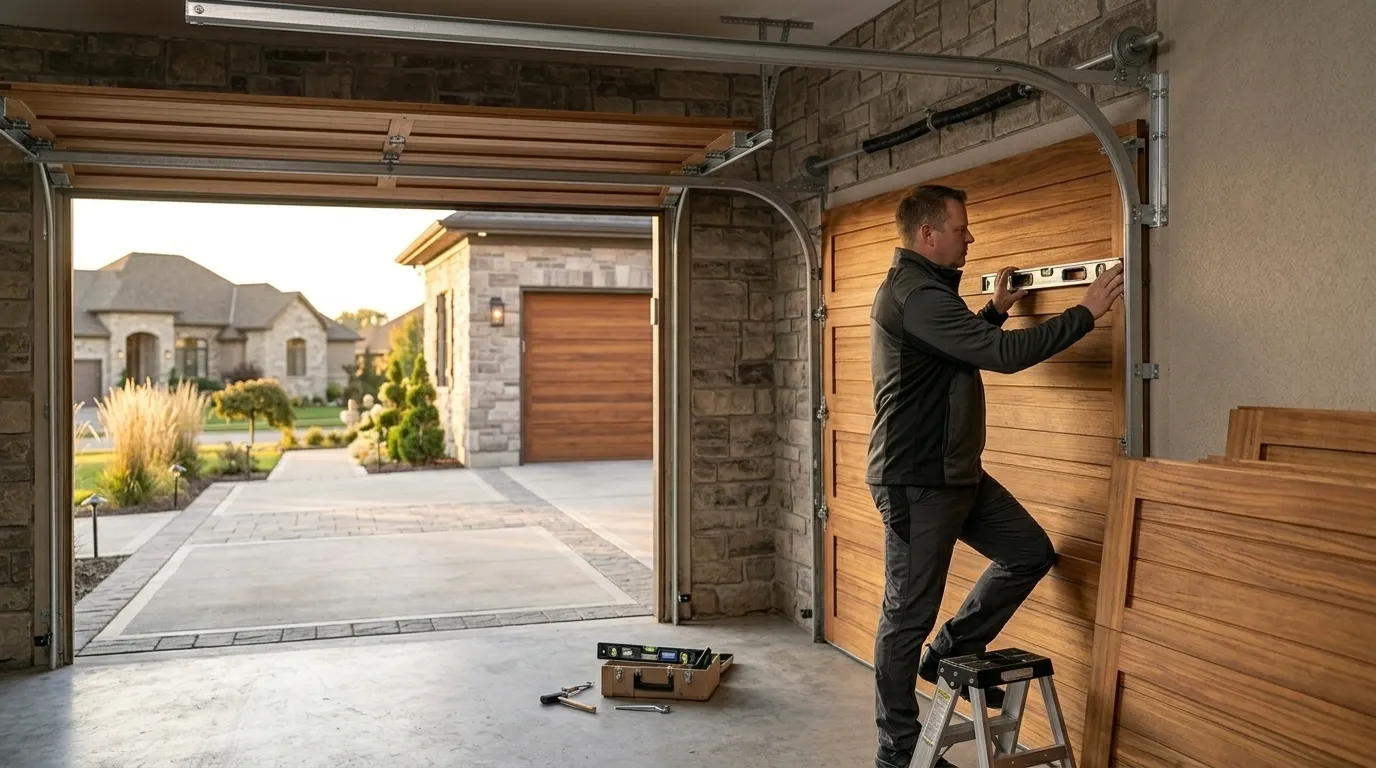
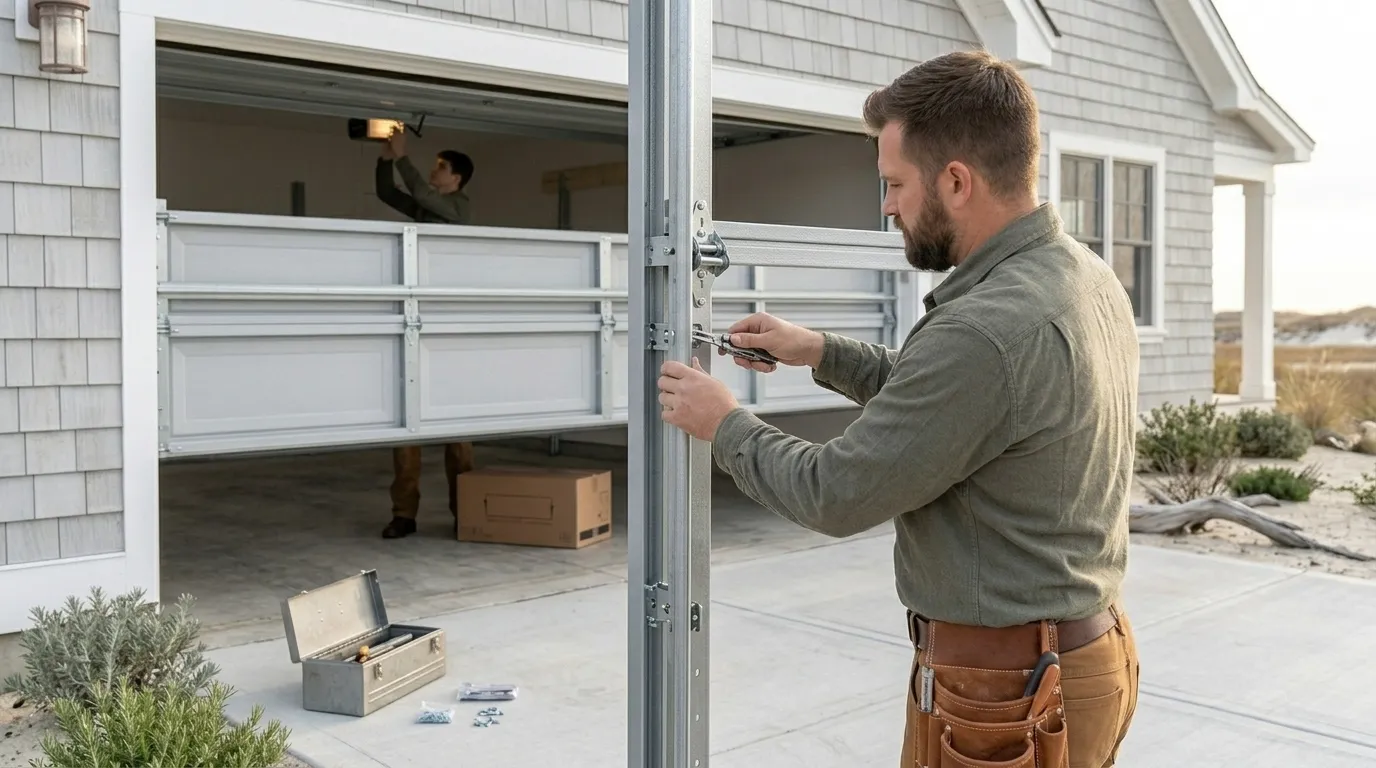
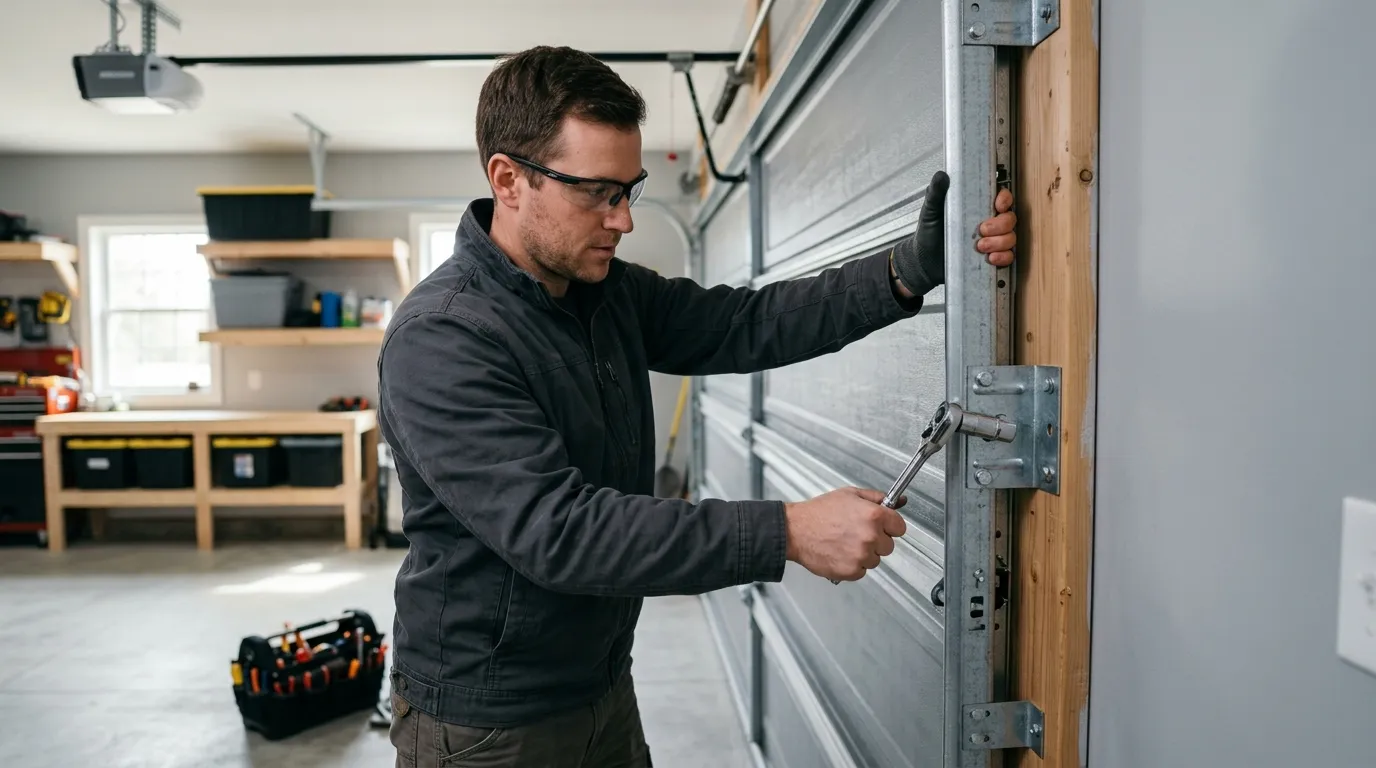
A new install on a 2006-era house is usually straightforward: the opening is square, the track is standard width, and the wiring for an opener is already run. Where it gets more involved is the door itself - a lot of these homes shipped with a thin, non-insulated steel panel because that was the builder spec at the time, not because it suited a Colorado winter. Swapping that for an insulated door with a modern R-value means new hardware brackets in some cases, and occasionally reinforcing the header if the new door is heavier. We spec that on site, not over the phone.
The Symptom
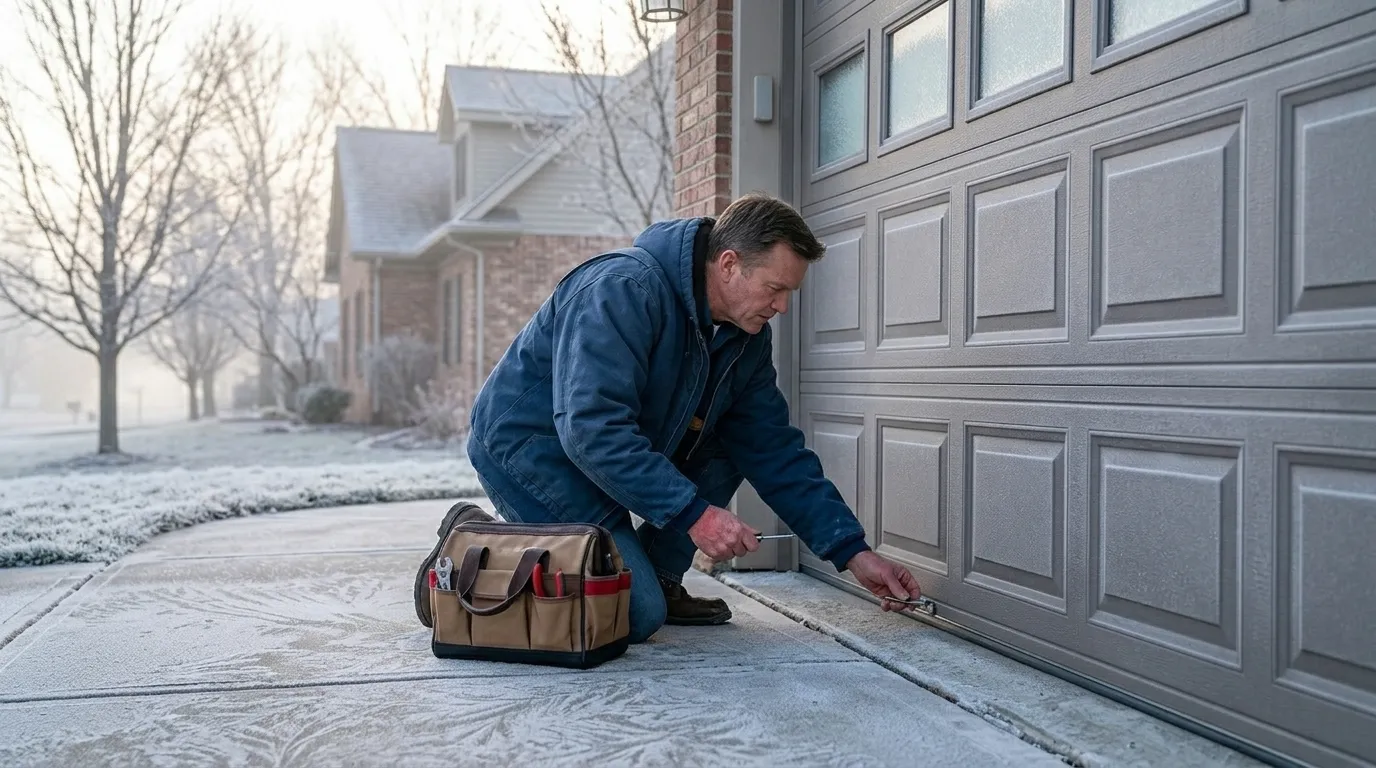
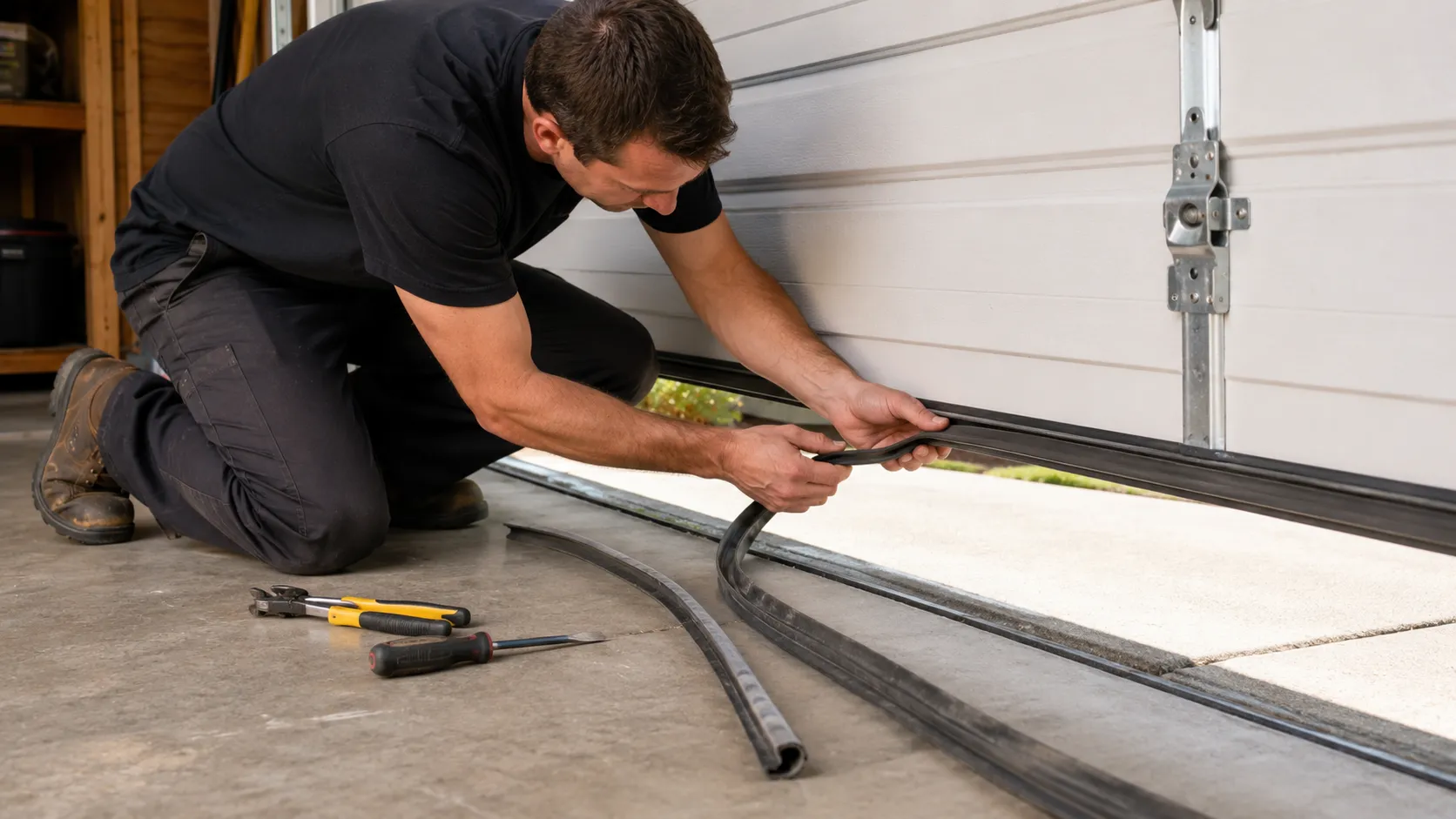
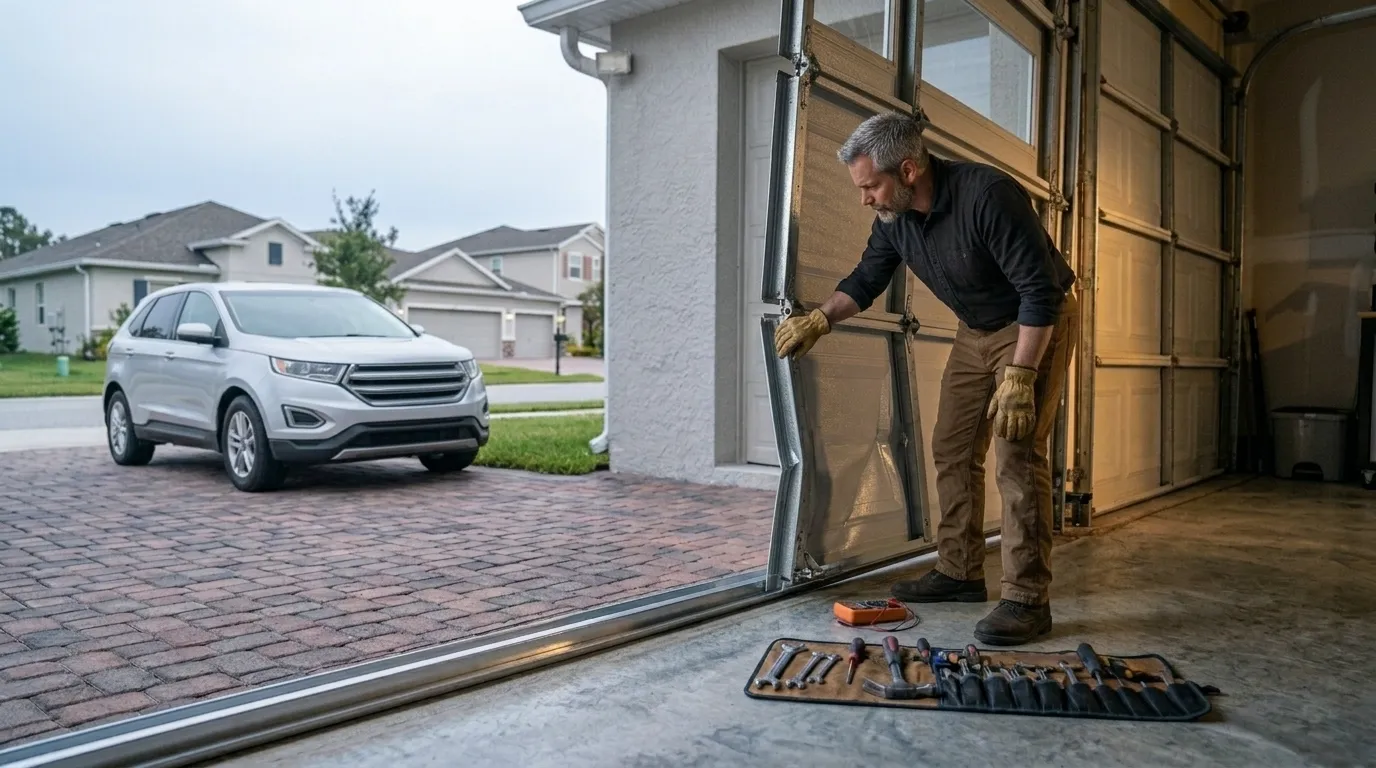
The calls from Todd Creek rarely start with "my door won't open." They start with "the door is loud," "there's a gap at the bottom that lets cold air through," or "we want something that matches the rest of the remodel." That's a different conversation than a broken spring or a snapped cable, and it changes what we bring on the truck.
Because the housing here is newer, we're not fighting original 1970s hardware or a door sized for an opening that doesn't match today's standard widths - both common problems on older stock elsewhere in the service area. What we do see is a door that was never built for the region's climate band, which shows up as drafts, condensation on the inside panel in winter, and an opener straining against a door heavier than it was rated for once someone added insulation batts after the fact instead of replacing the door outright.
How Long You Are Without the Door
A full new-door install, once we're on site with the right unit, generally runs a few hours - the opening is already framed to a standard modern width on a 2006-era build, so we're not cutting or reframing. The bigger variable is what's in stock. If you want a specific insulated panel style or a particular opener, and it's not something we carry on the truck, that's a lead-time item, not a same-day one. We'll tell you straight if that's the case rather than sell you on a date we can't hit.
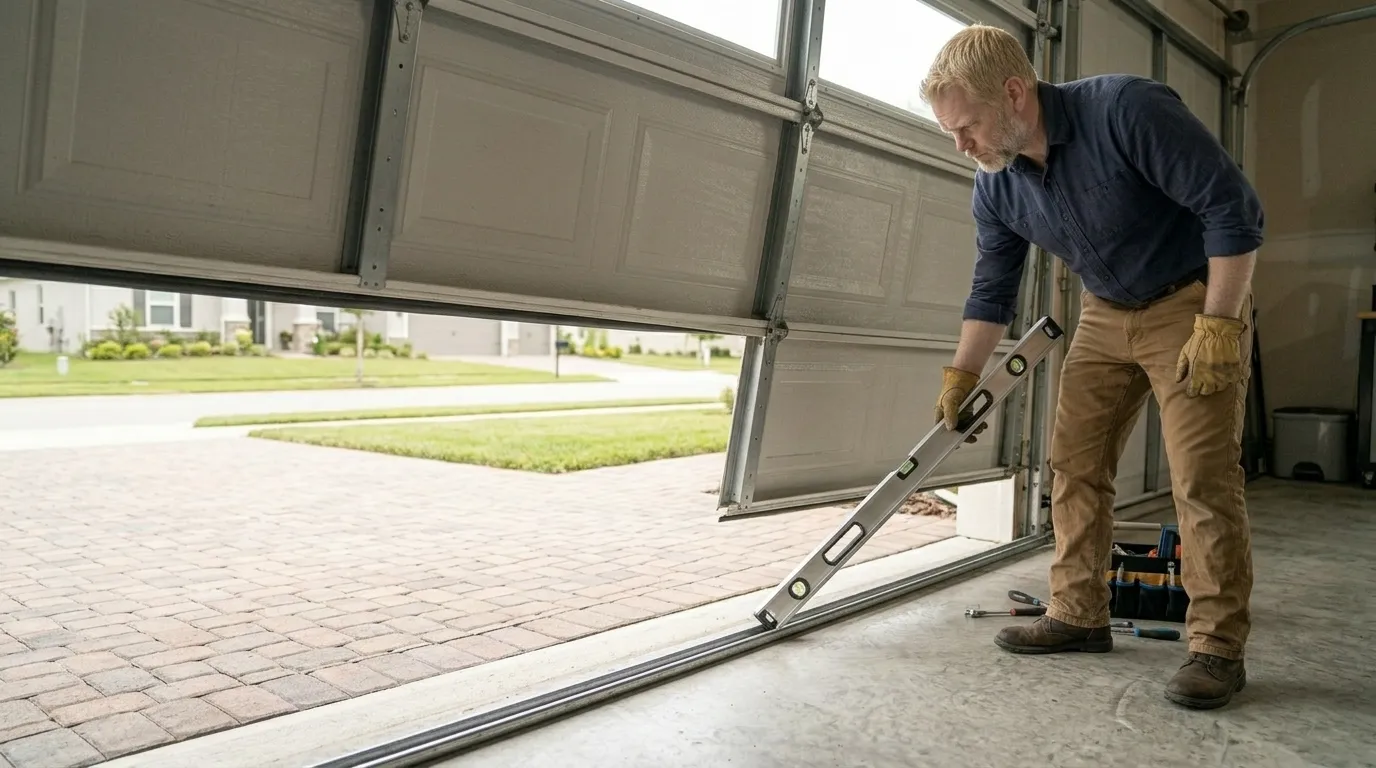
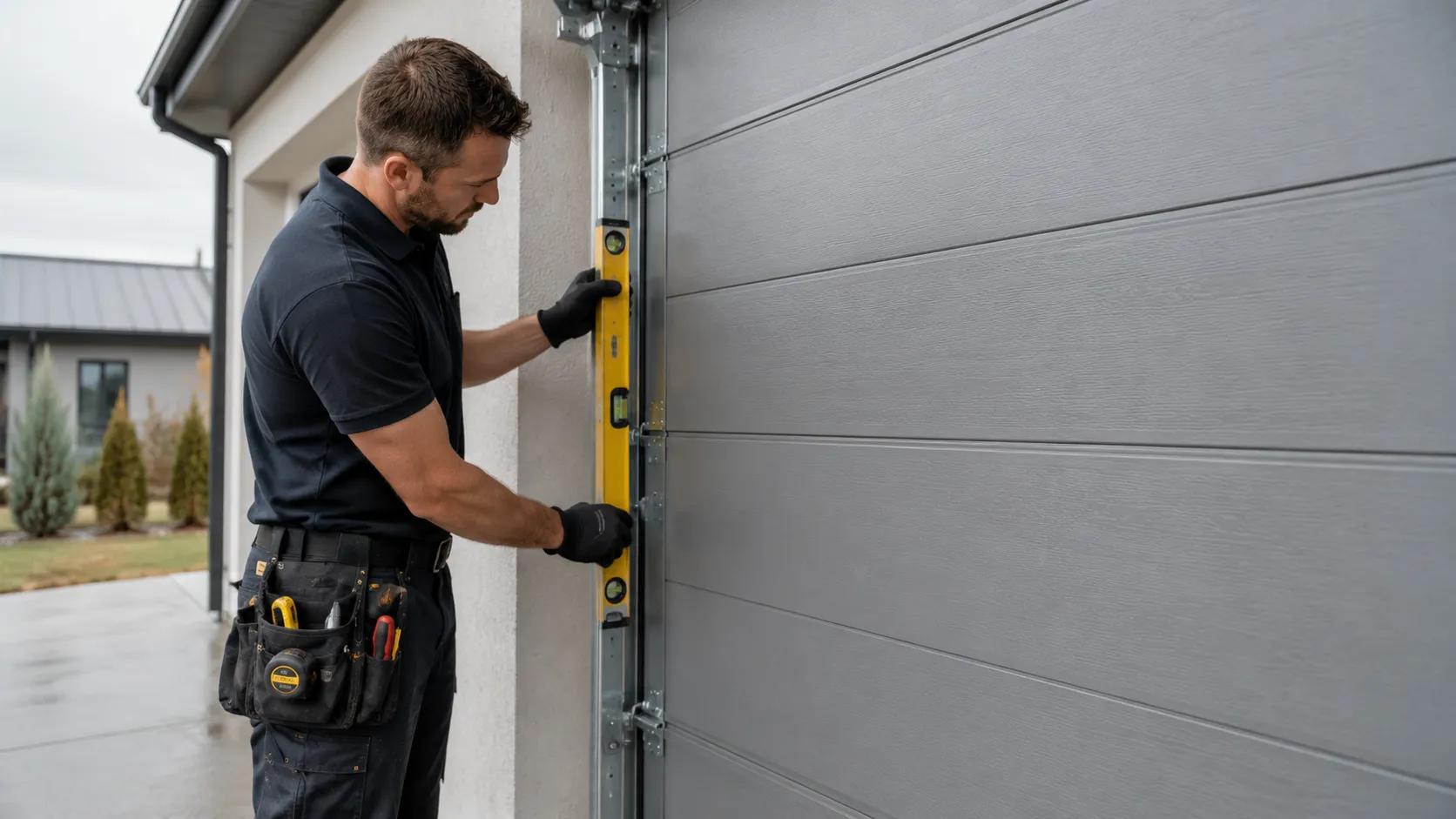
One limitation worth saying plainly: if your existing header or track hardware was installed off-spec by the original builder - which happens more than people expect even on newer construction - that adds time on site to true it up before the new door goes in. We check that before we quote, not after.