What the Repair Takes
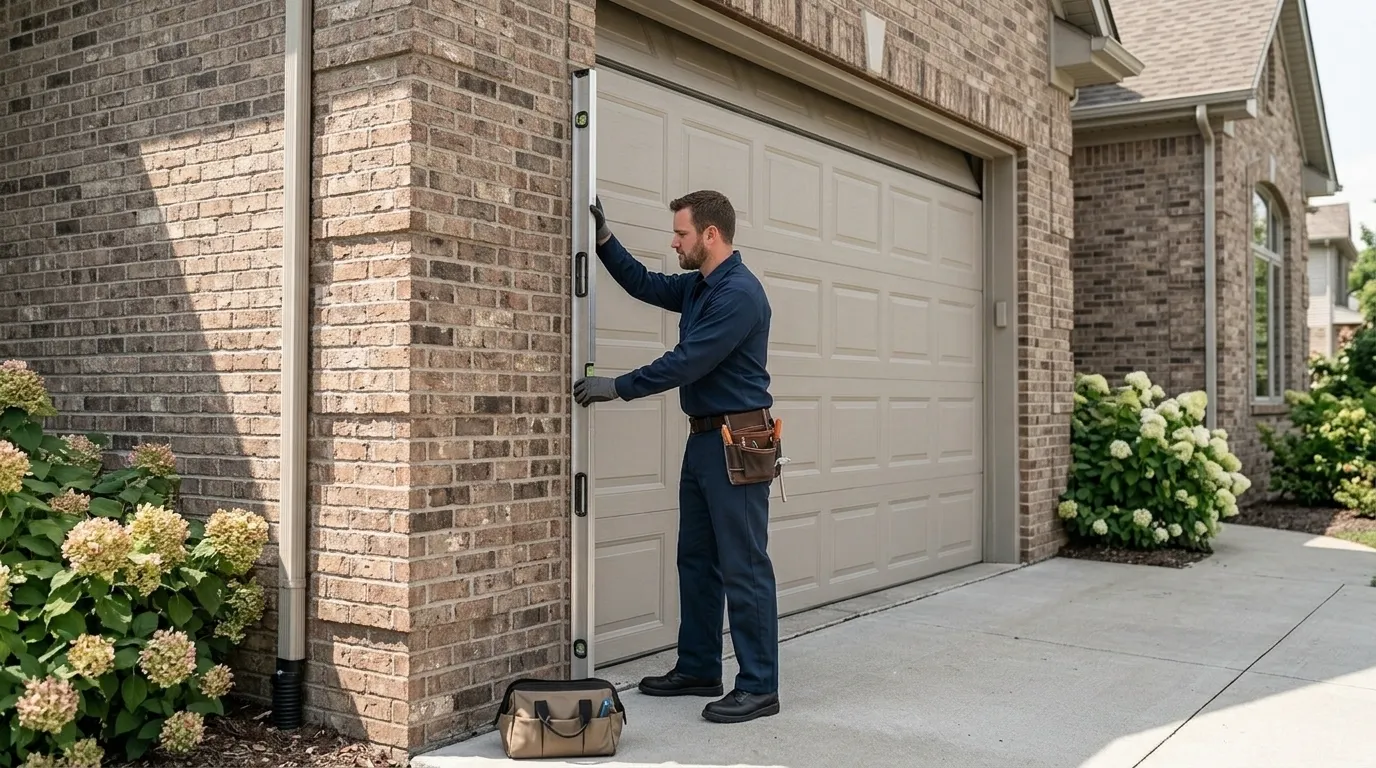
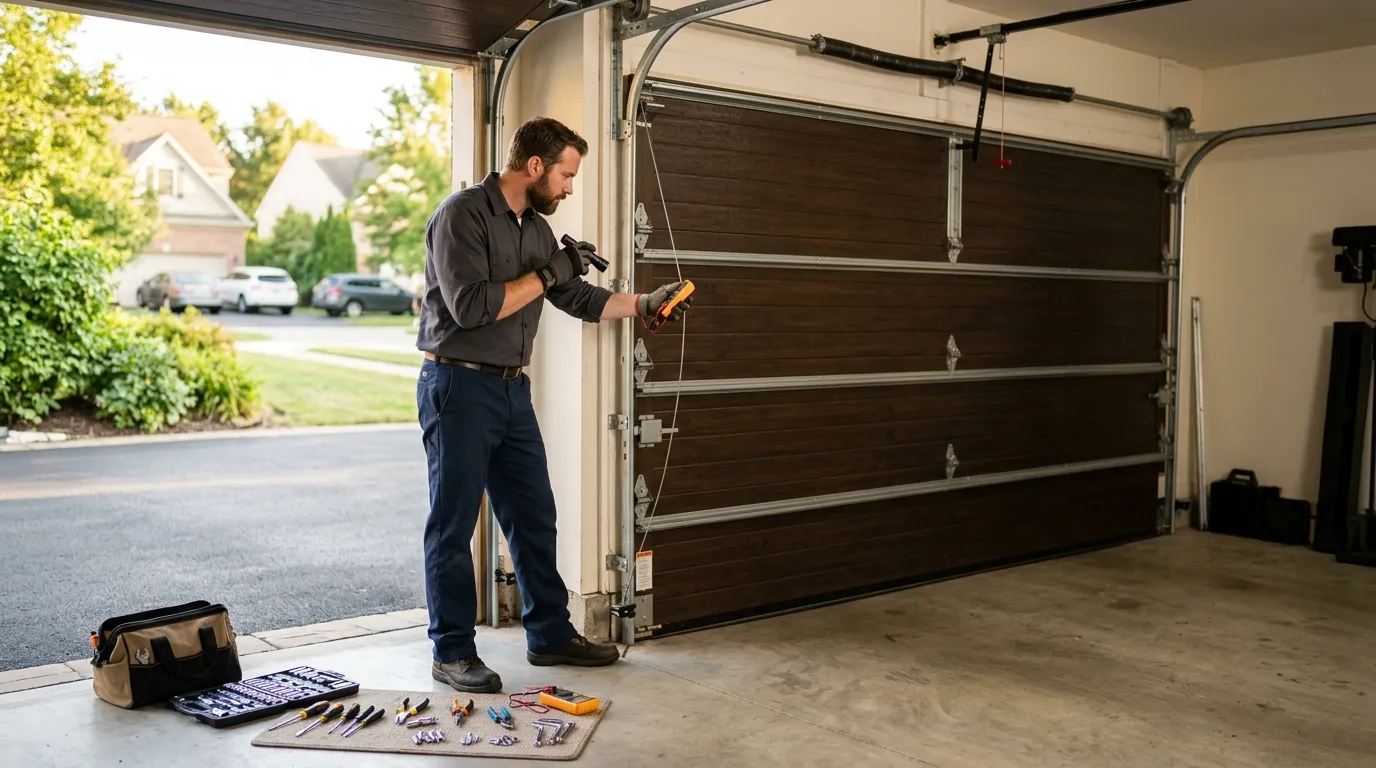
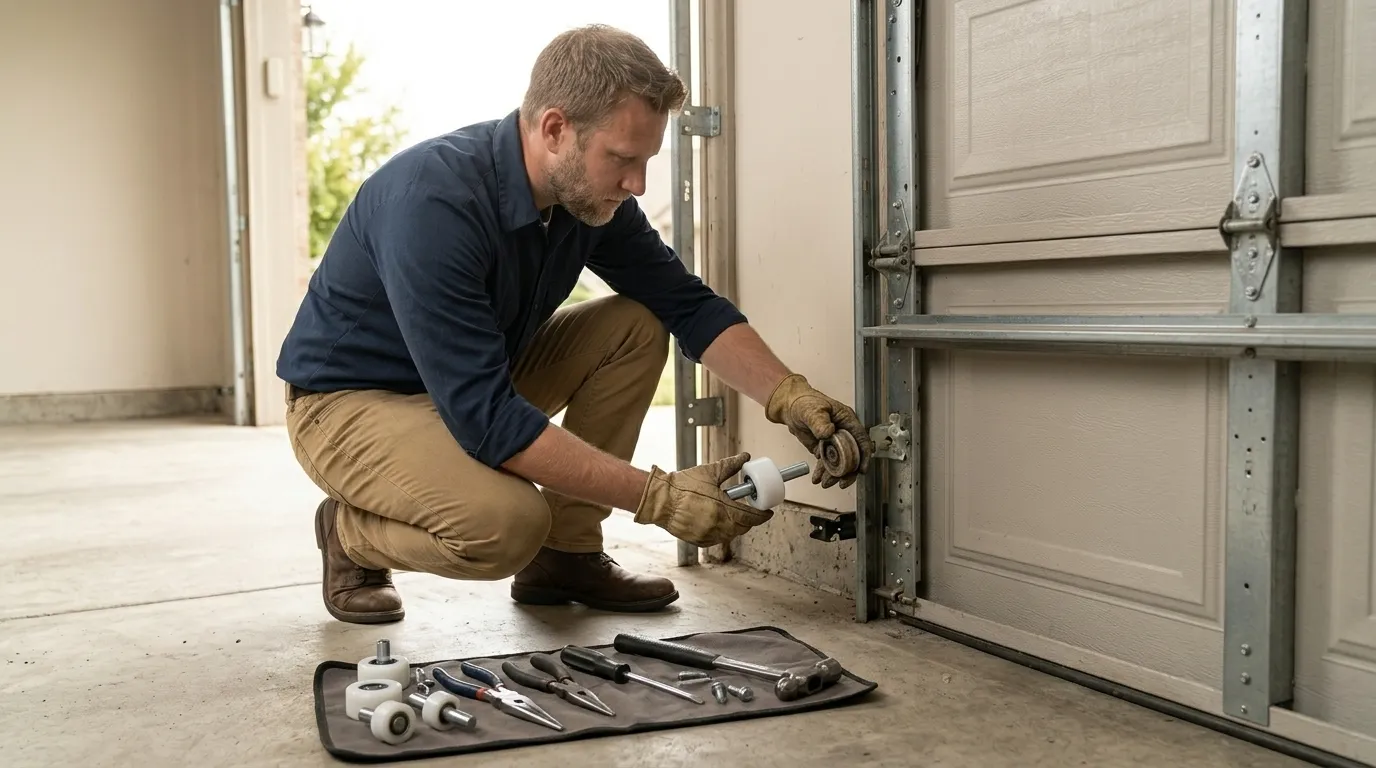
The drive from Brighton to Todd Creek is short, about 4 miles, which matters more for scheduling than for the repair itself. A roller job doesn't need a warehouse full of parts on the truck, but it does need the right roller for the door, and that's where the visit starts: identifying the roller type on your track before anything gets swapped out.
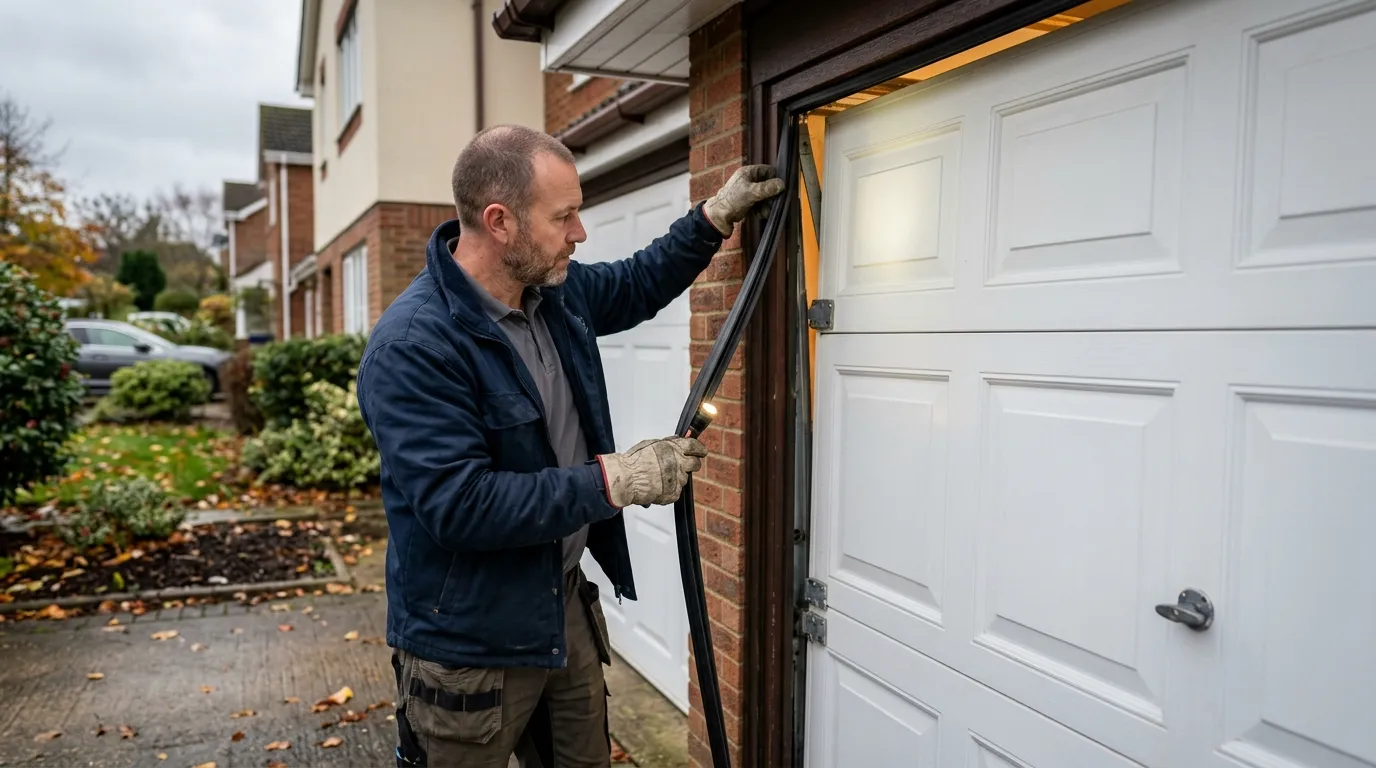
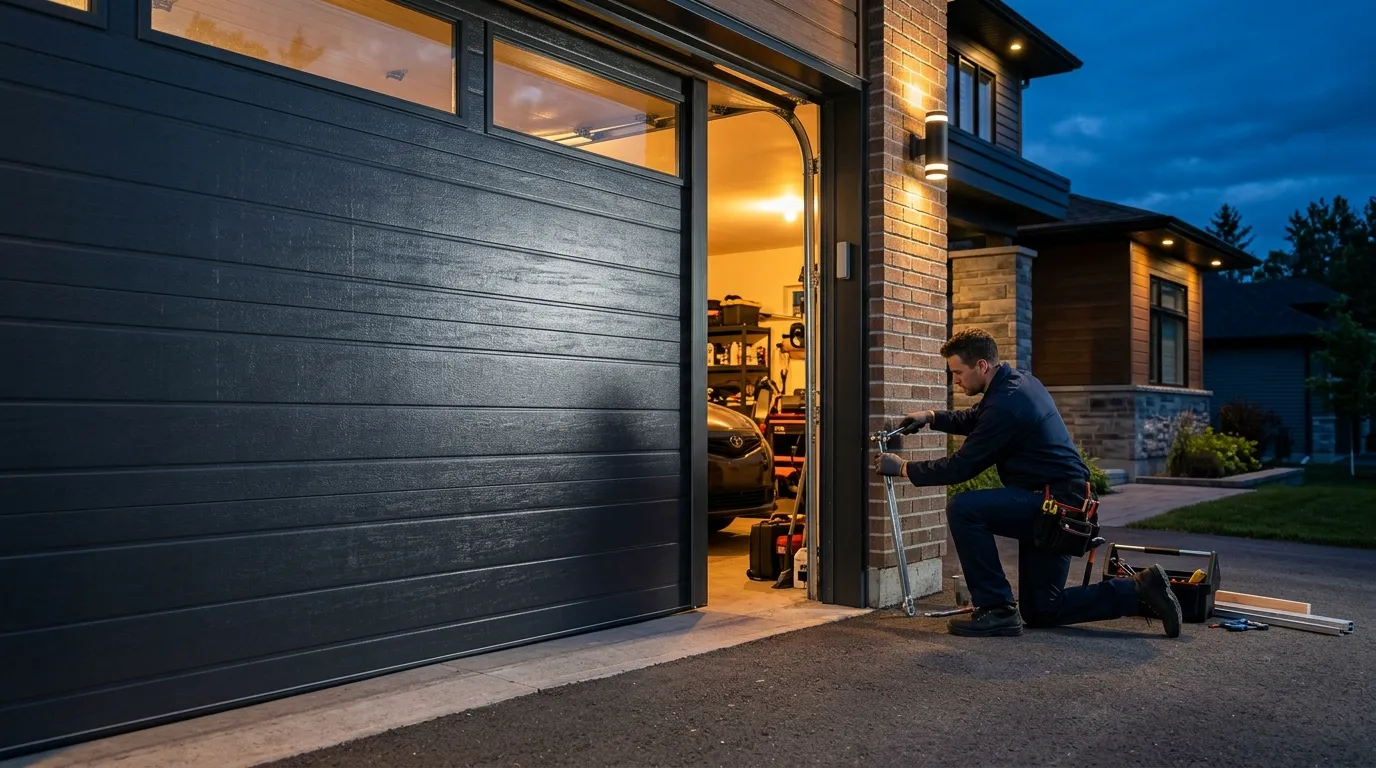
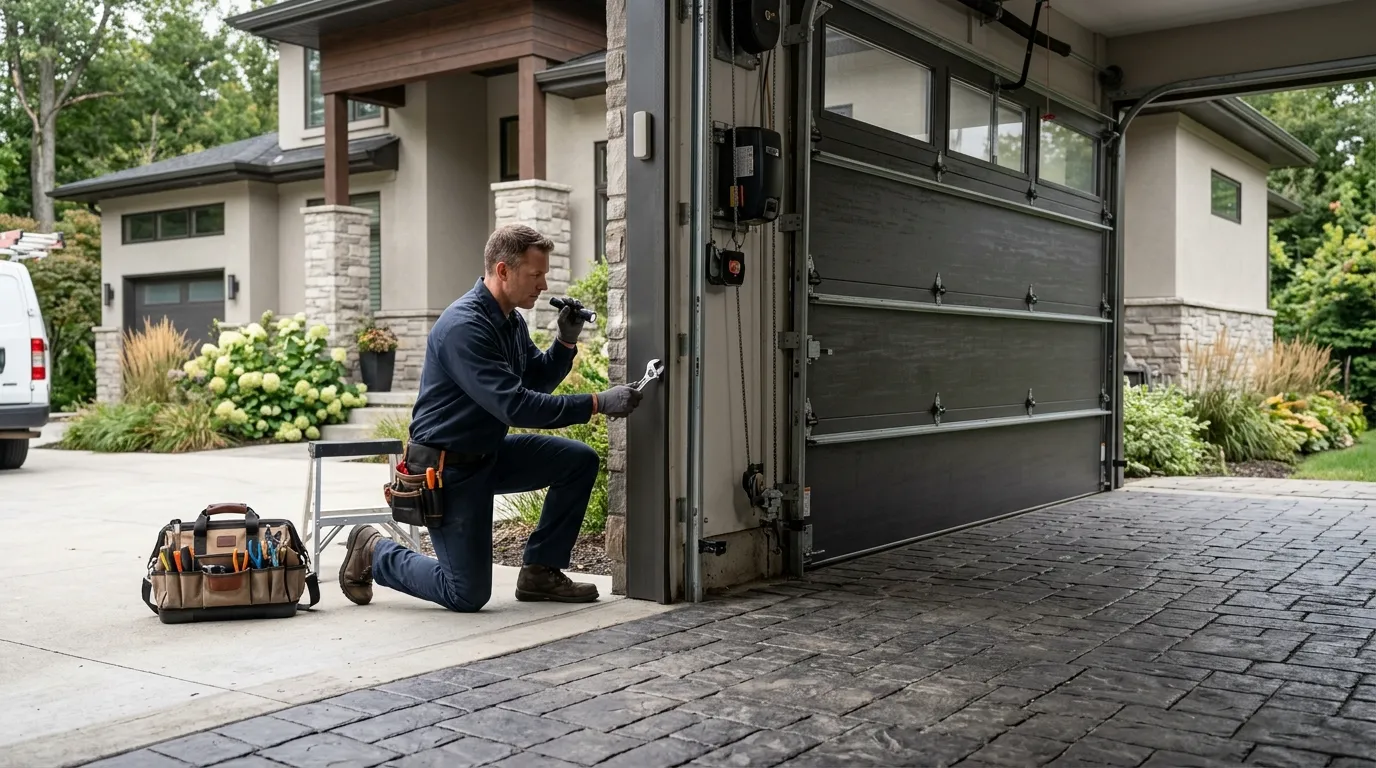
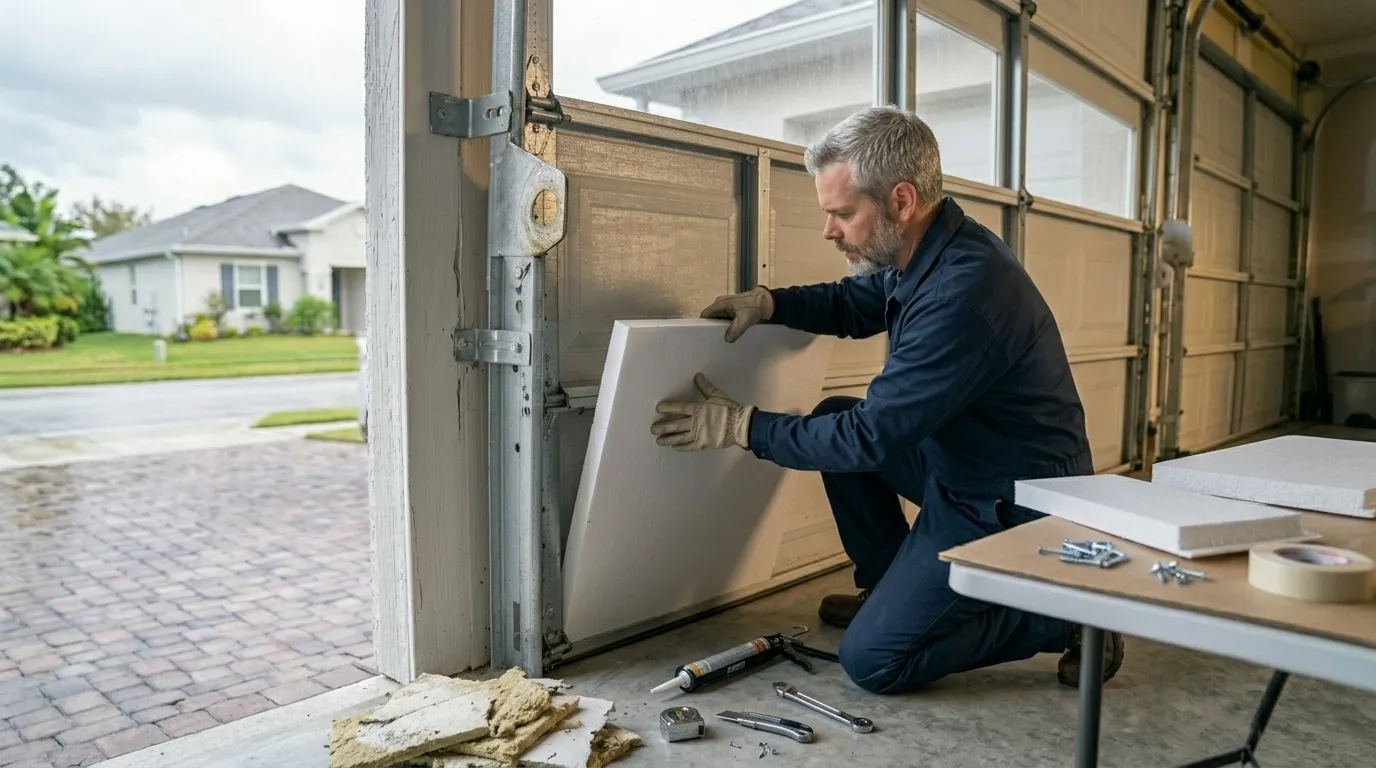
Most doors here run 10 rollers total, two per hinge on a standard double door, and the job is usually done in one visit once the truck is on site. We pull the door down enough to work the track without pulling the whole panel, swap the worn rollers, check the hinges they seat in for wear, and run the door through a full cycle before we call it done. If a hinge is bent or the track has a flat spot from years of a dragging roller, that gets addressed in the same trip rather than left for a second call.
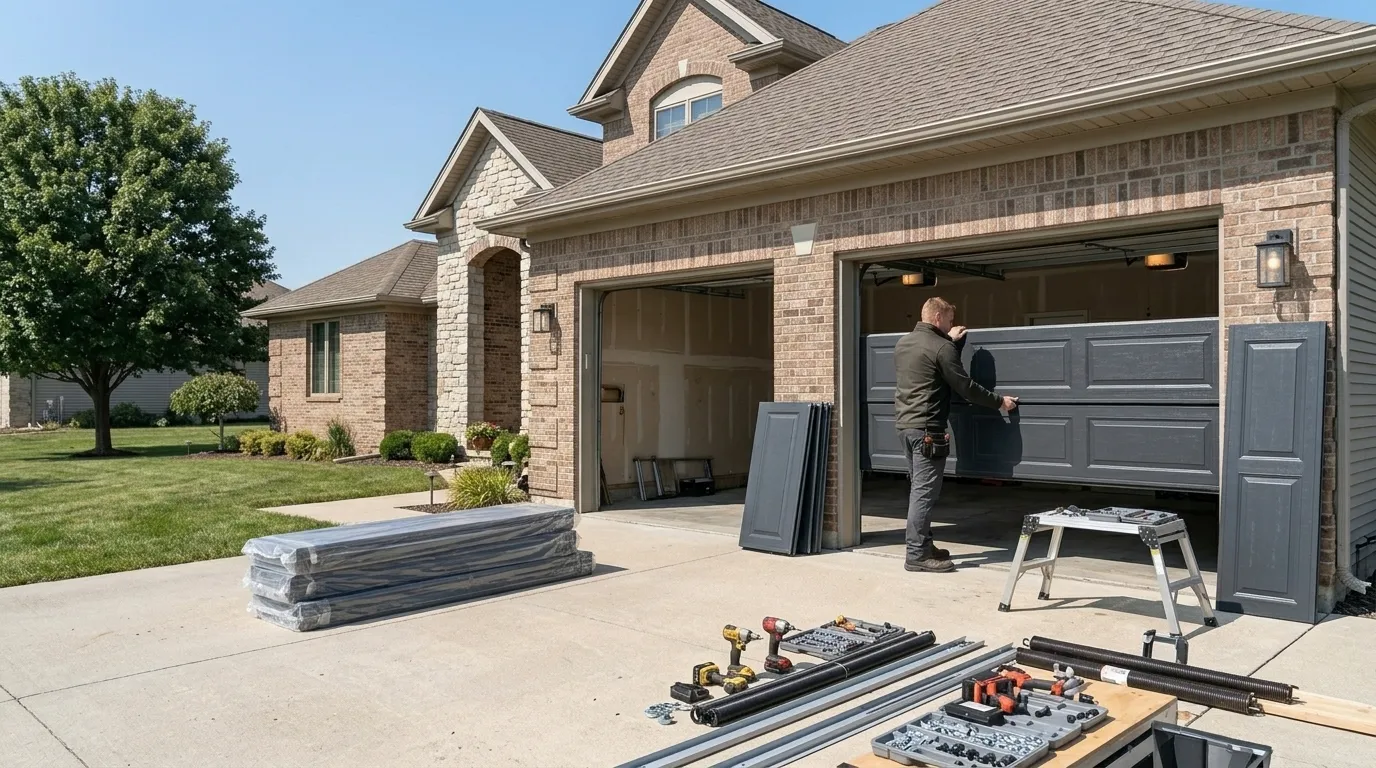
What it doesn't take: a new opener, new cables, or a new spring, unless something else failed alongside the rollers. We don't upsell a full door replacement to fix a roller problem, and we'll tell you plainly if what you've got is a bigger issue wearing a roller symptom.
The Symptom
A door that grinds, shudders, or jumps slightly as it opens is telling you the roller wheel itself is worn down, chipped, or has lost its bearing. On a nylon roller that means the nylon has flat-spotted or cracked; on an older steel roller it means the bearing has dried out and the wheel is riding on metal-to-metal contact instead of rolling smooth.
Given that most homes in Todd Creek were built around 2006, the doors here are newer than the typical stock across the wider service area, where homes commonly date to the 1980s and 90s. That means fewer steel-roller holdovers and more original nylon rollers that are now old enough - roughly two decades in - to be reaching the end of their bearing life on their own schedule, independent of anything else on the door.
You'll also hear it before you see it: a rhythmic clunk once per rotation is a flat spot on one wheel, a steady grind across the whole travel is a bearing that's gone dry or seized. Either one gets worse, not better, and either one puts extra load on the opener trying to pull a door that's fighting its own track.
How Long You Are Without the Door
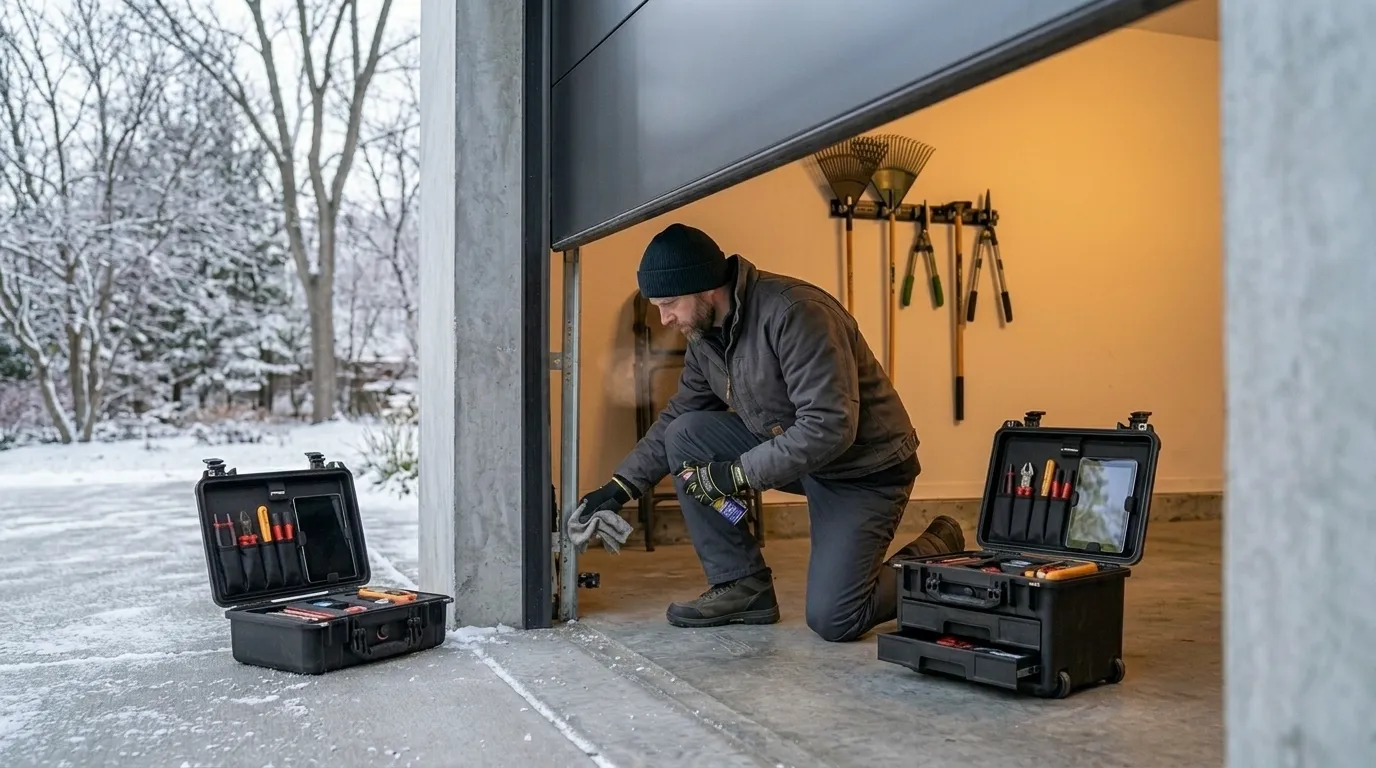
For a straightforward roller swap, the door comes back into full working order the same visit - there's no waiting on a part to be ordered for standard nylon or steel rollers, since those are stock items on the truck. Where the timeline stretches is if the rollers wore unevenly because a track was bent or a hinge cracked; then we're diagnosing and fixing that on the spot too, which adds time to the visit but not to a second trip.
The one thing we won't do is rush a call by skipping the check on the opposite side of the door. If one roller failed from age, the matching roller on the same hinge line is usually close behind it, and replacing one while leaving its twin to fail in six weeks isn't a repair, it's a return visit waiting to happen. So the honest answer on "how long" is: the door works again before the truck leaves, but we're not leaving until we're confident the whole roller set is even, not just the one that made noise.