
What the Repair Takes
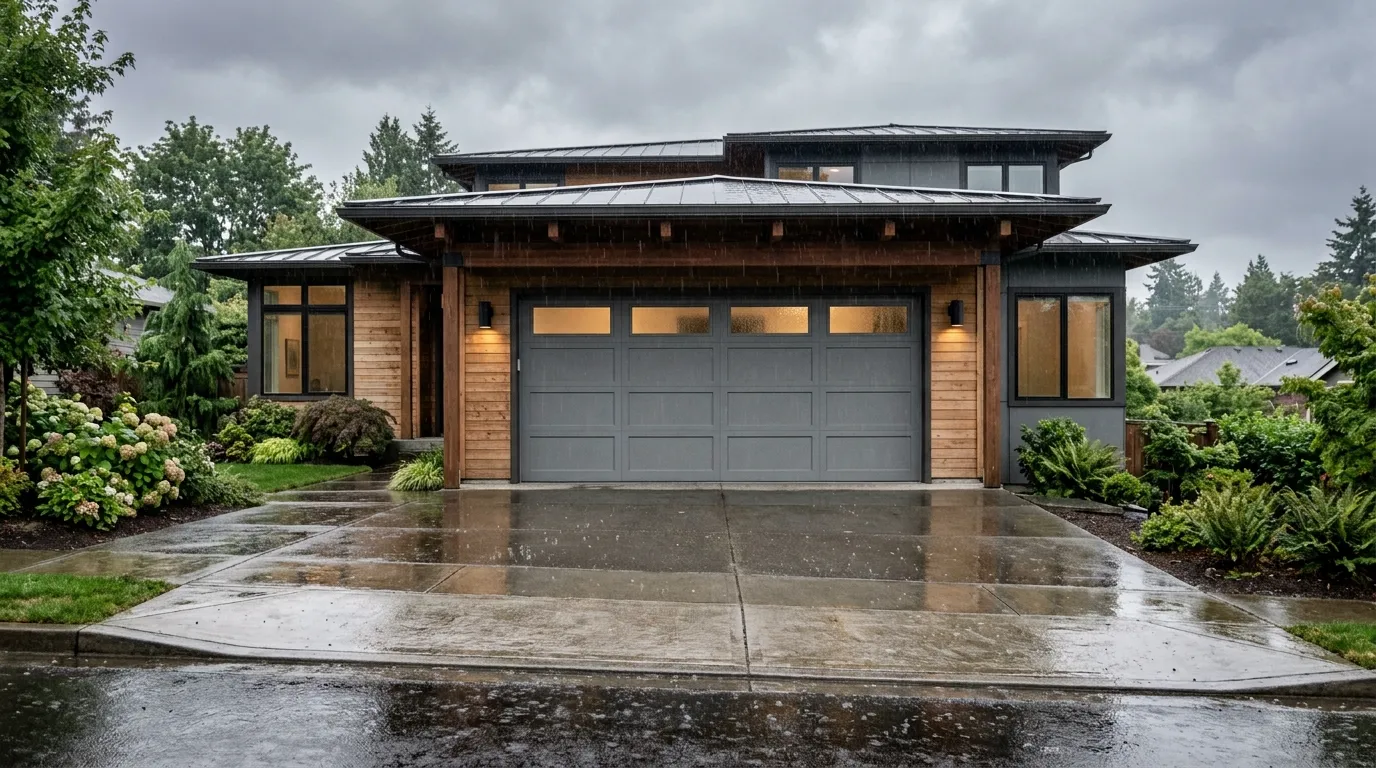
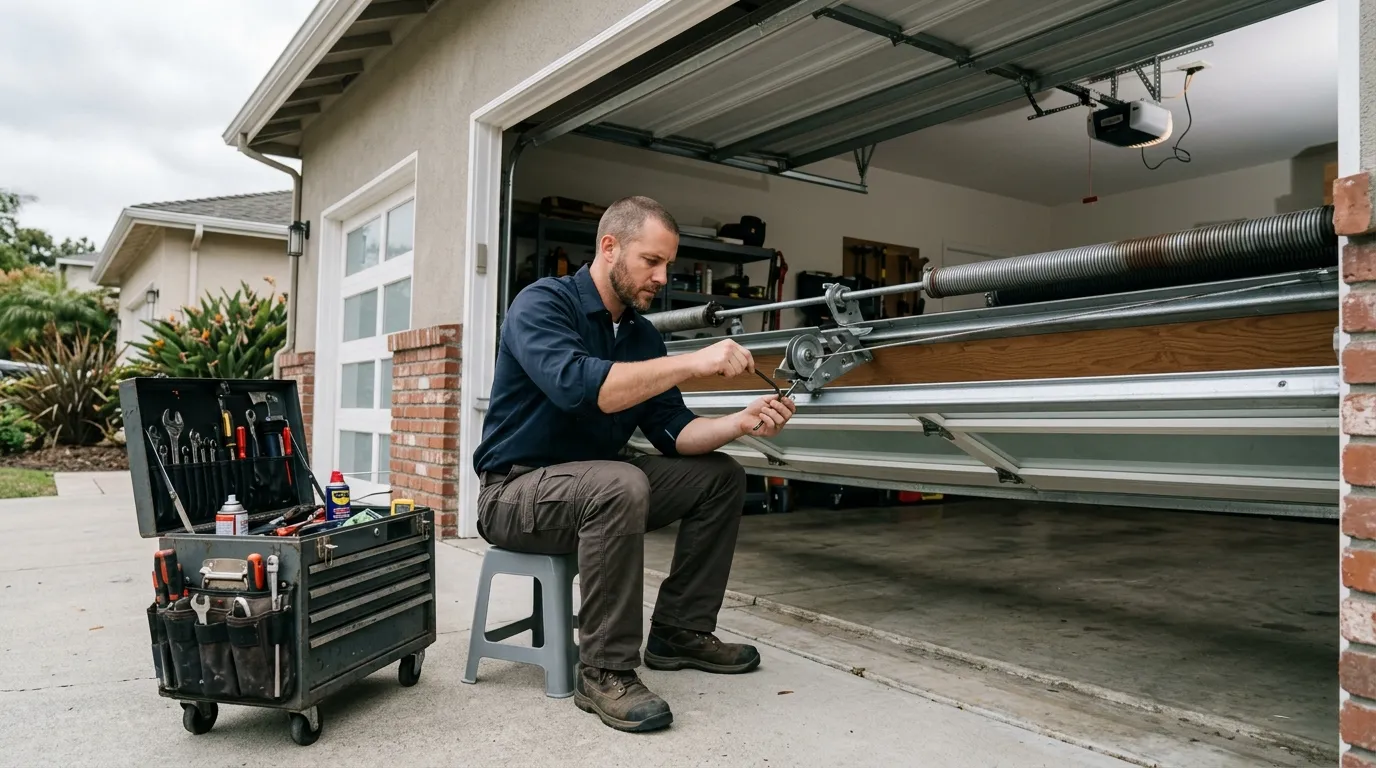
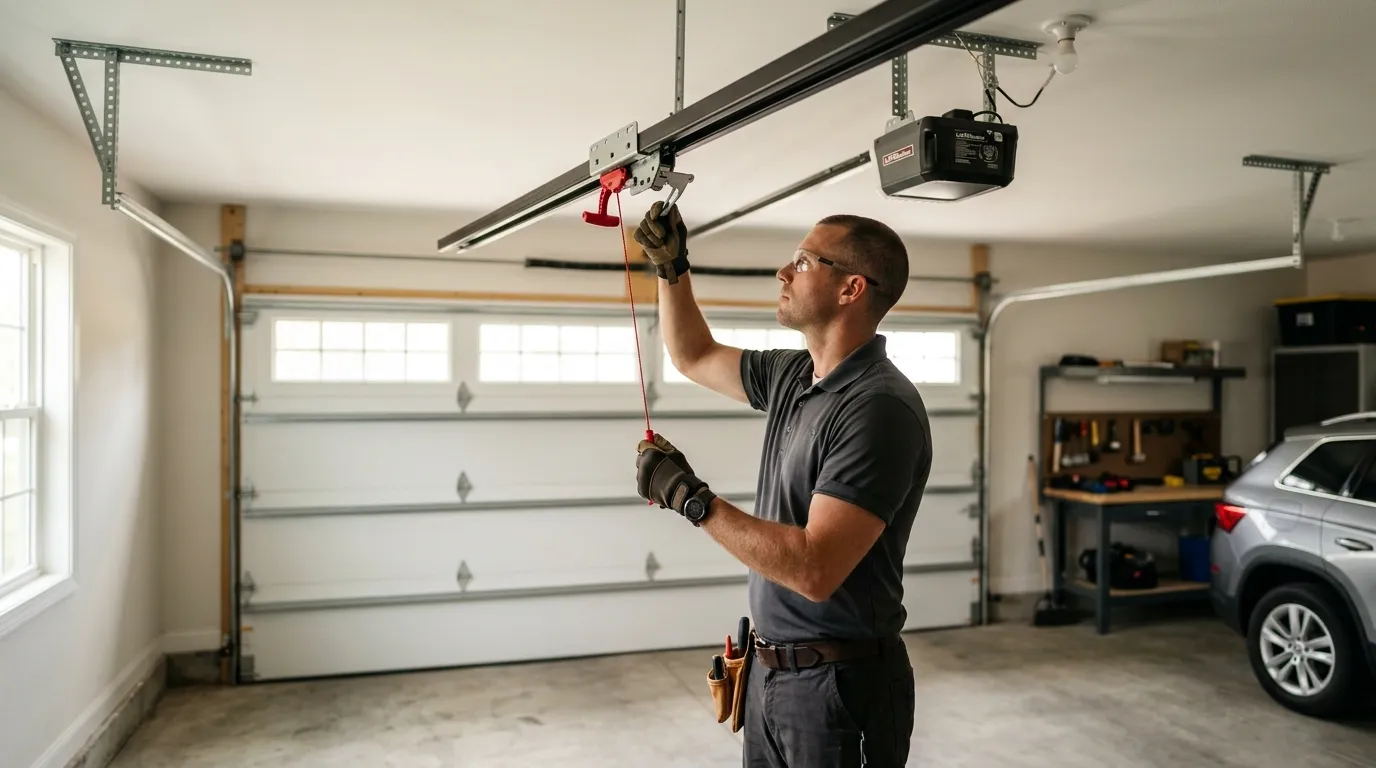
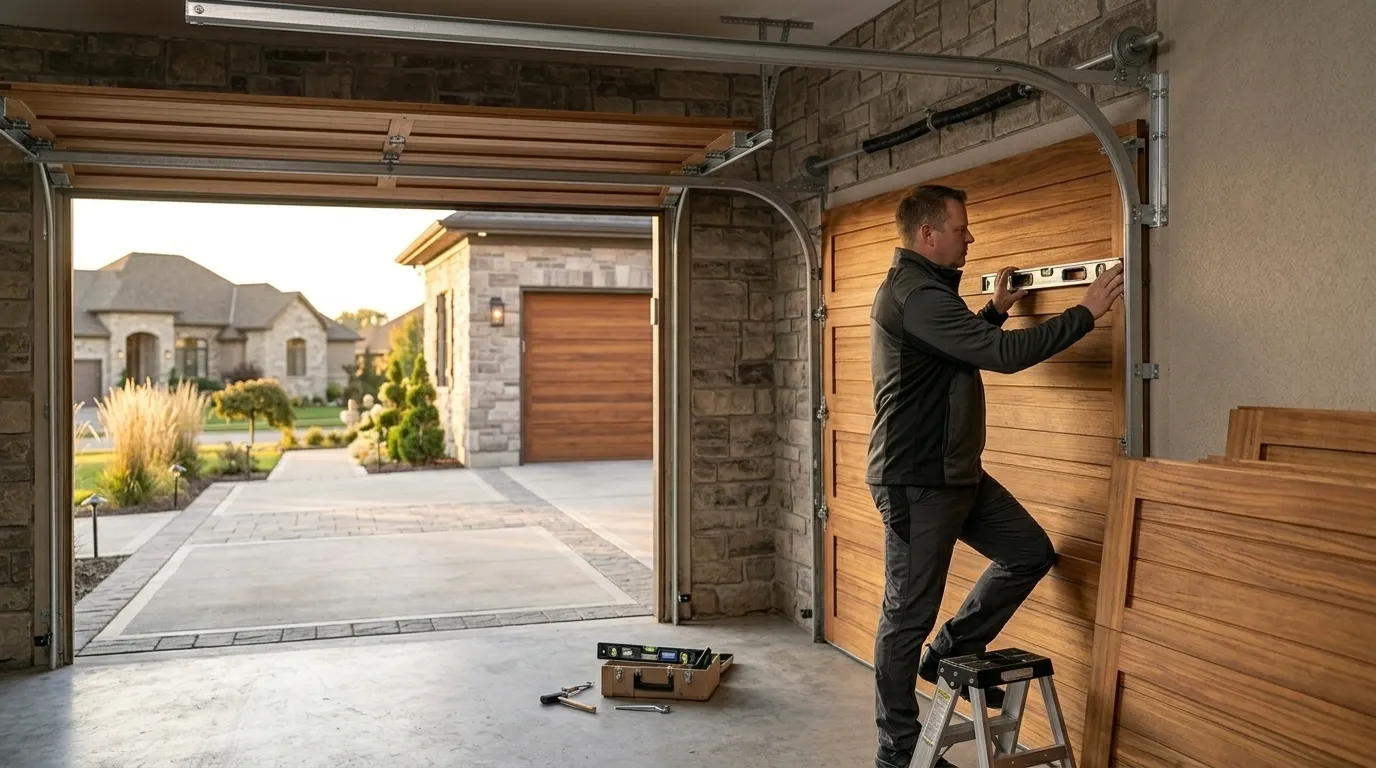
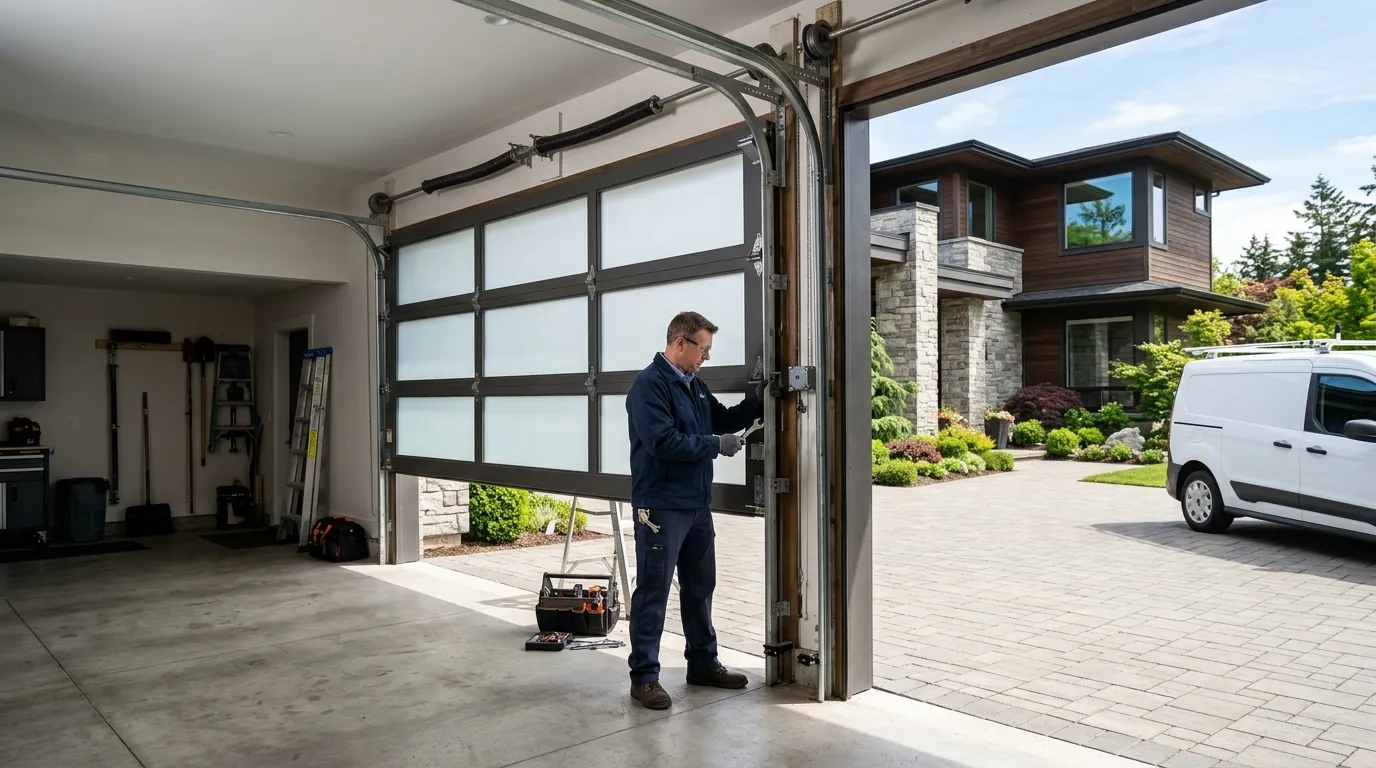
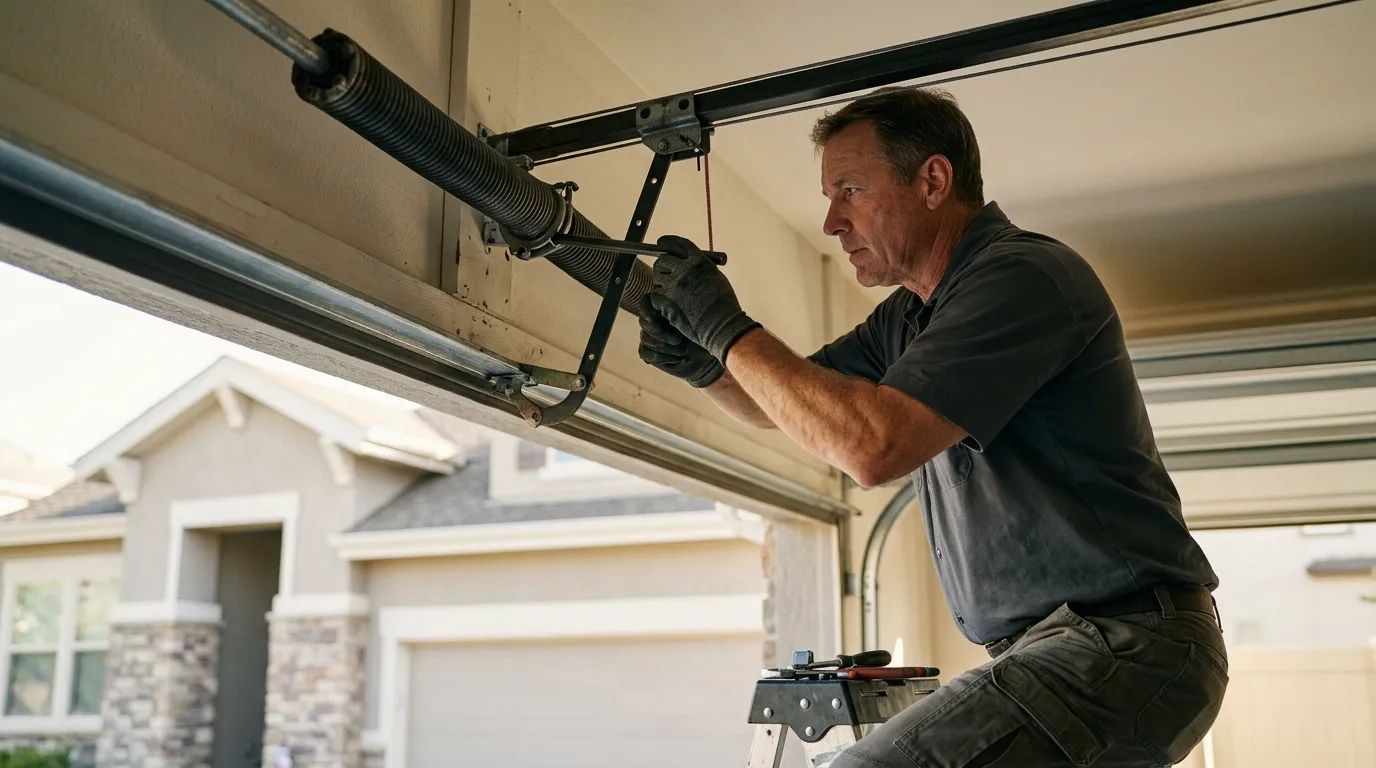
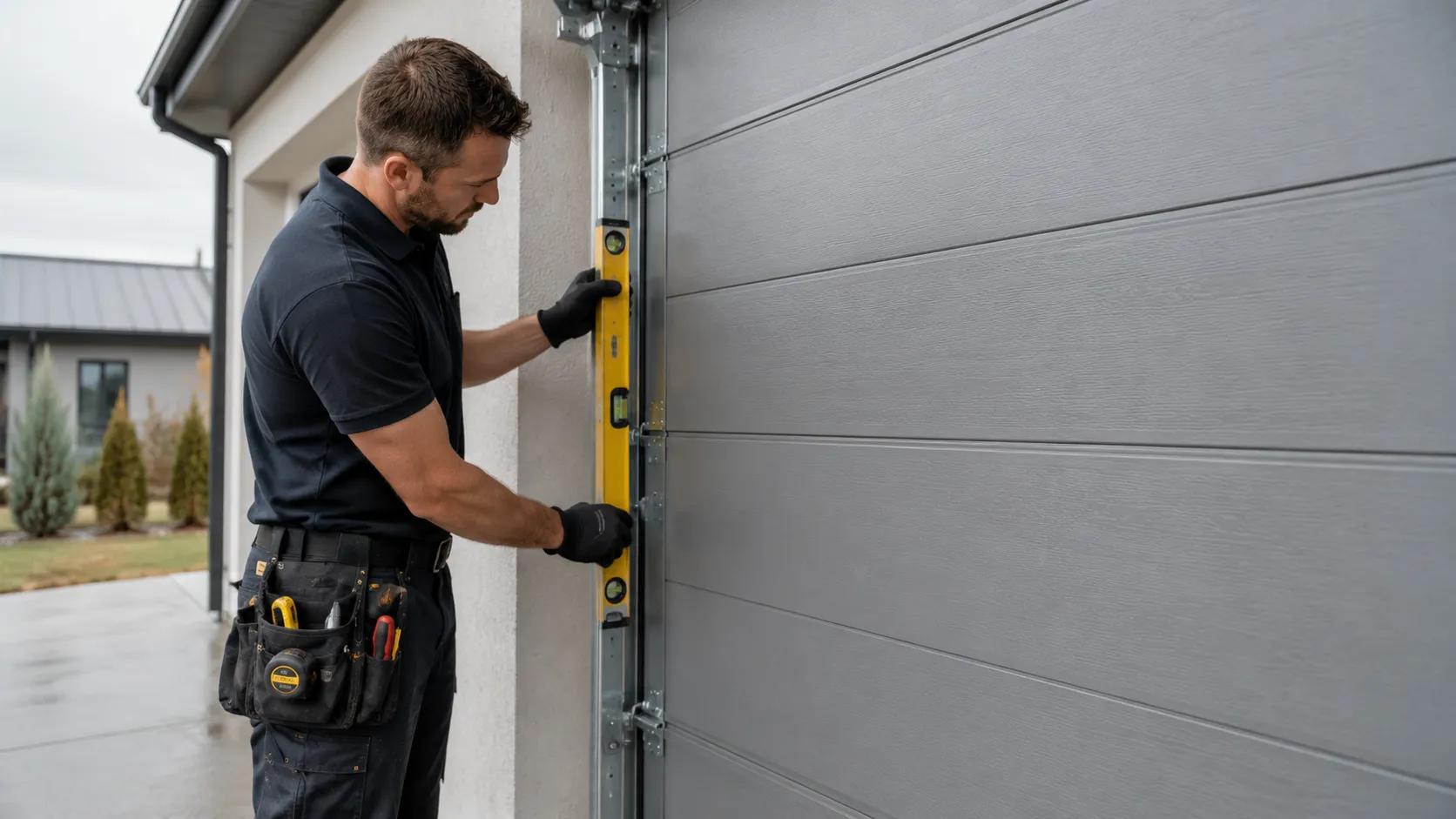
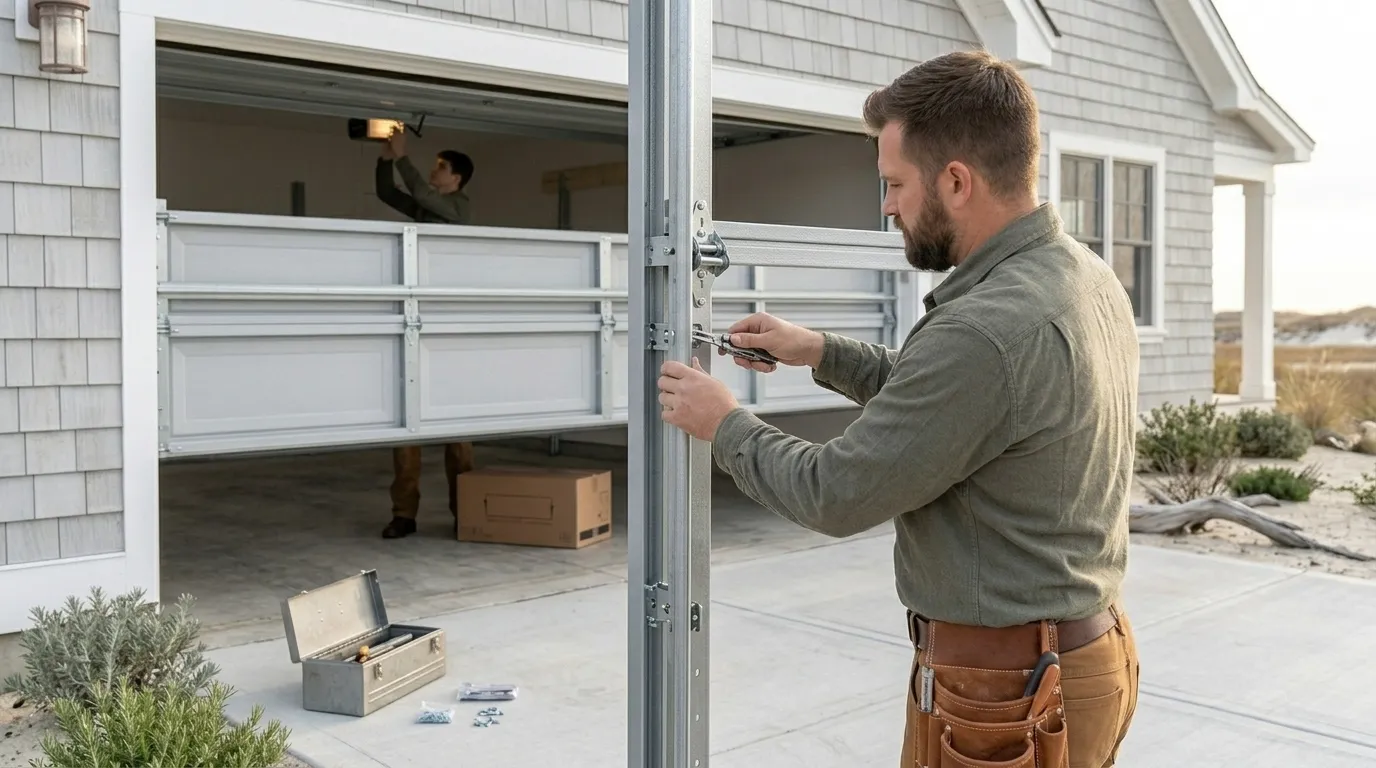
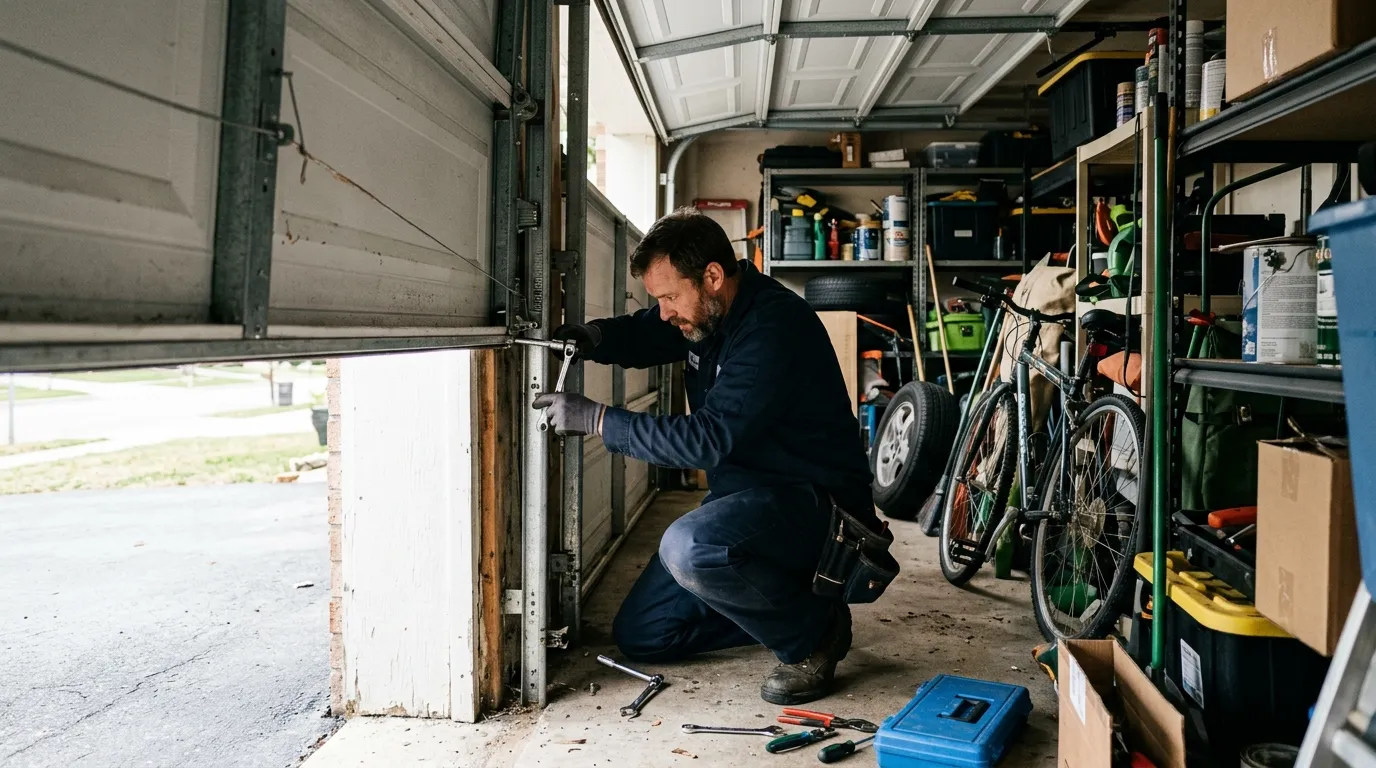
Start with the money, because it decides the job before a tech opens a toolbox. Median household income in Dacono runs $99,389, well above the $87,623 median across the wider service area we cover from Brighton. At that income level, and with most Dacono houses going up around 2010 rather than the 1958-2010 spread that describes the rest of the area, the repair-or-replace line sits differently here. A homeowner in an older part of the territory with a 1980s door and a maxed-out budget might be better off replacing a tired unit outright. In Dacono, the door is usually young enough, and the household budget usually has enough room, that a maintenance visit to true up the tension, replace a worn part, and re-lubricate the moving hardware is the call that makes sense, not a full swap. That's the frame for everything below: this is mostly upkeep on relatively new doors, not triage on worn-out ones. The work itself is standard - torsion spring tension check, track alignment, roller and hinge inspection, opener force and limit settings, and weatherstrip condition. On a 2010-era door those parts are usually still original and haven't had a real service pass yet, which is exactly when small wear starts turning into a stuck door if nobody looks at it.
Where This Job Goes Sideways
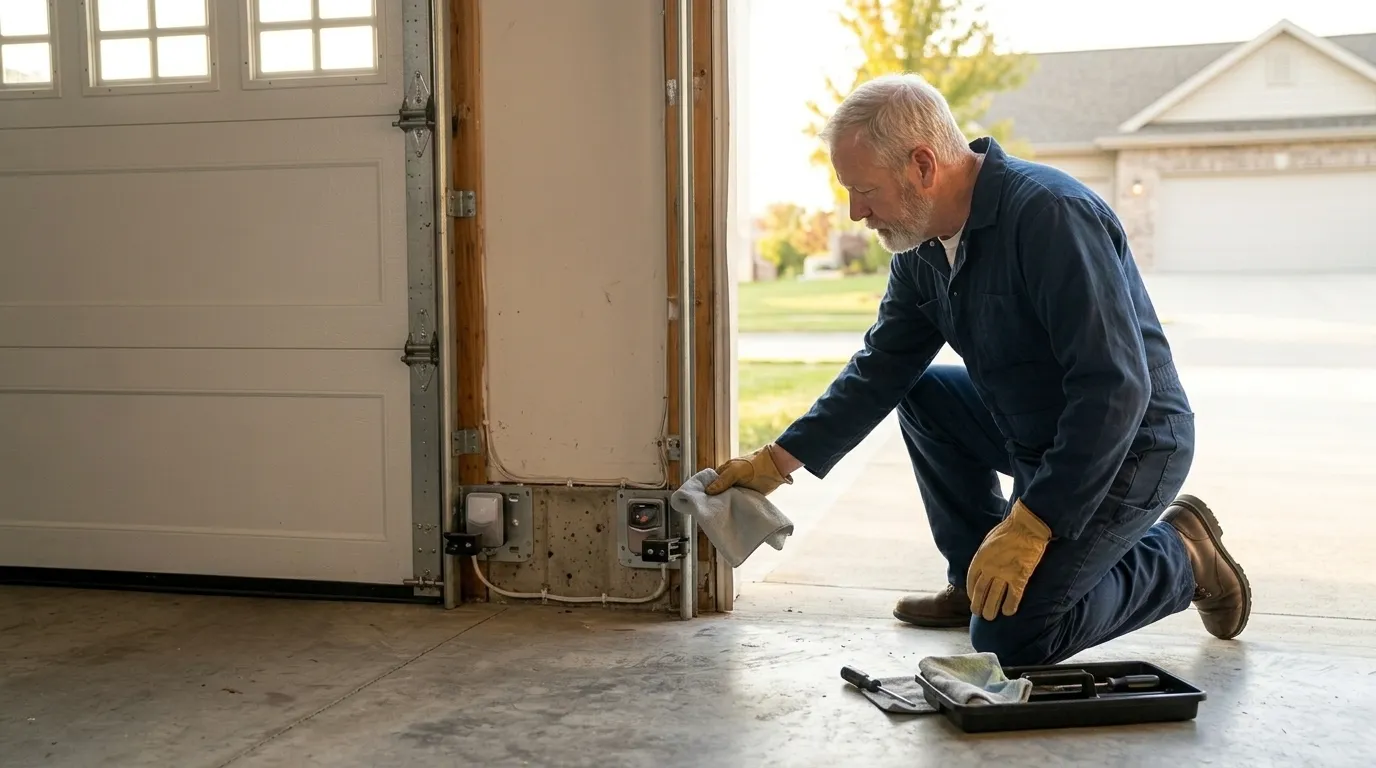
The service area sits in a severe cold climate band, and that matters more on newer doors than people expect. Factory lubricant on rollers and hinges from a 2010-era installation has usually broken down by now, and in hard cold that shows up as a door that groans, hesitates, or won't fully seat on the last few inches of travel. Weatherstripping on doors from that build era is often the original vinyl, and it goes stiff and cracks in cold snaps, which lets a draft in along the bottom edge even when the door looks fine from the outside. The other place this goes sideways is opener sensors - newer safety sensors are more sensitive to cold-weather misalignment than older mechanical setups, so a door that reversed on its own last winter is often just a sensor a few degrees off level, not a failing opener. None of this is dramatic. It's the kind of wear that gets ignored because the door still opens, right up until a spring that's been running slightly over-tensioned for two years finally lets go on a cold morning.
Getting It Booked In
Maintenance visits in Dacono get scheduled the same way as anywhere else in the territory we cover from Brighton - there's no local branch to call, just the same crew making the drive out. Given the age of most doors here, a first maintenance visit is a good idea if the door hasn't had one since it went in, even if nothing seems wrong yet. Catching a spring that's drifting out of tension or a sensor that's slightly misaligned before winter is cheaper than an emergency call once it fails. You can see what we cover and how the visit works on our Dacono service area page, and if you're weighing a bigger repair against a full door swap, the broader picture for the Brighton area is on our garage door maintenance page.
What Is on the Truck
For a maintenance call on a Dacono-era door, the truck carries what a 2010-and-newer steel door actually needs: cold-rated lubricant for rollers, hinges, and springs, standard nylon rollers, common spring sizes for residential torsion setups, weatherstrip cut to standard widths, and the tools to check and reset opener force, travel limits, and sensor alignment. What's usually not needed here is the odd hardware that shows up on older doors elsewhere in the territory - side-mounted torsion units, obsolete track brackets, that kind of thing. If a maintenance visit turns up something that doesn't match what's on the truck, we'll say so rather than force a fix that won't hold, and come back with the right part.