What the Repair Takes
Most doors in Dacono are original to houses built right around 2010 - newer than the bulk of the service area, where the median build year runs closer to 1991. That matters because builder-grade doors from that era almost all shipped with the same cheap 7-ball nylon roller, stem riveted straight into the hinge, not bolted. After roughly ten to twelve years of daily cycles, those rollers develop flat spots and the nylon itself starts to crack, especially once winter sets in.
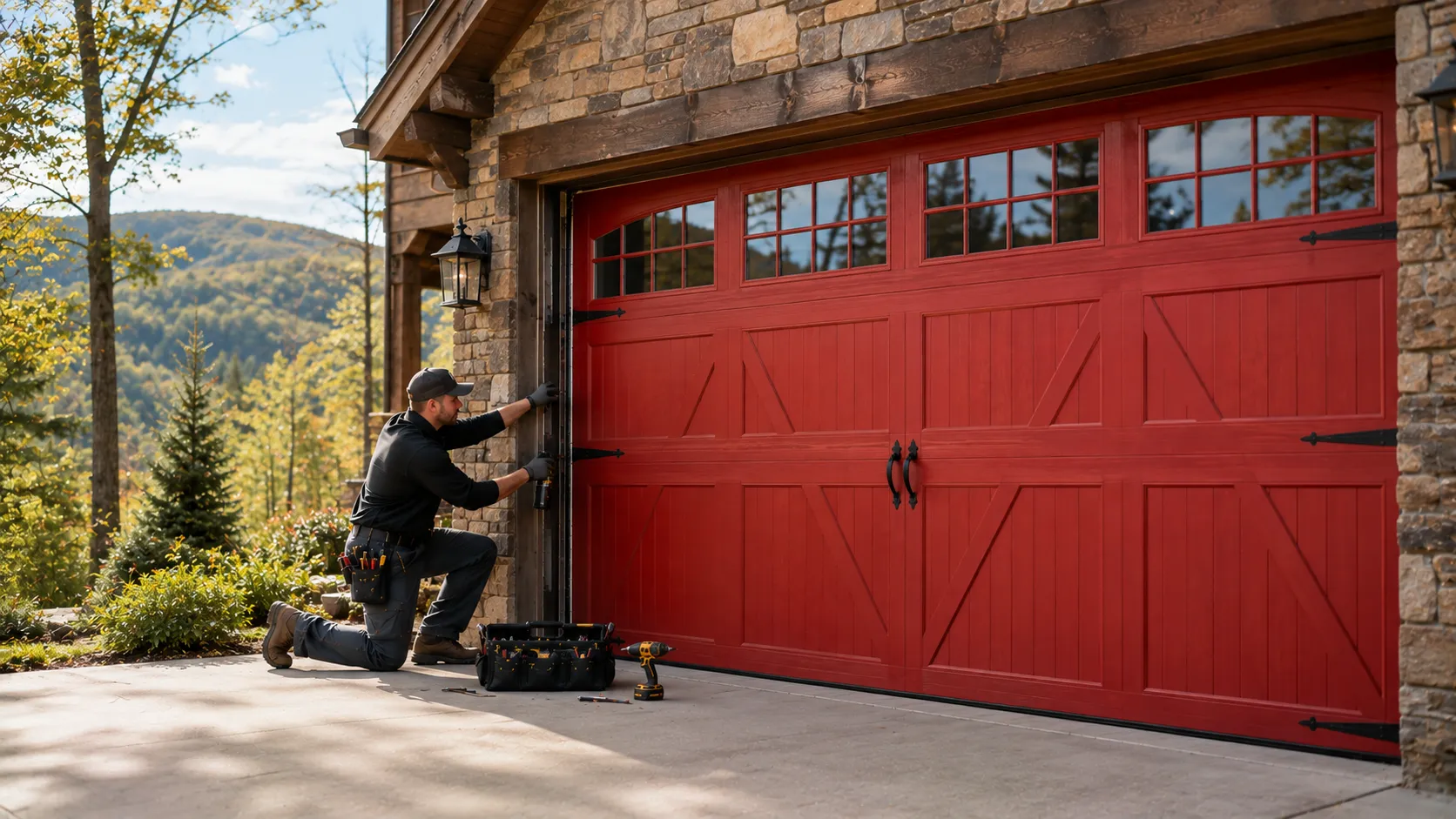
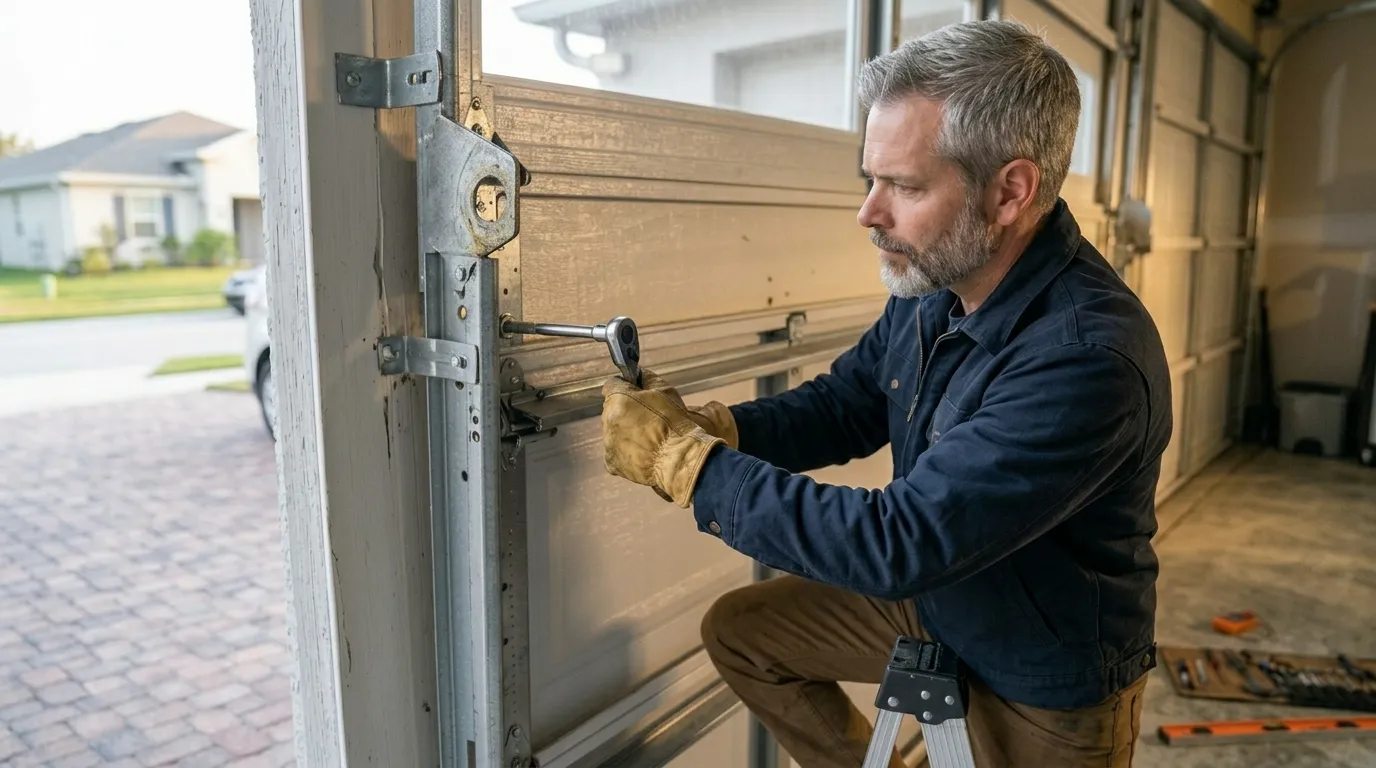
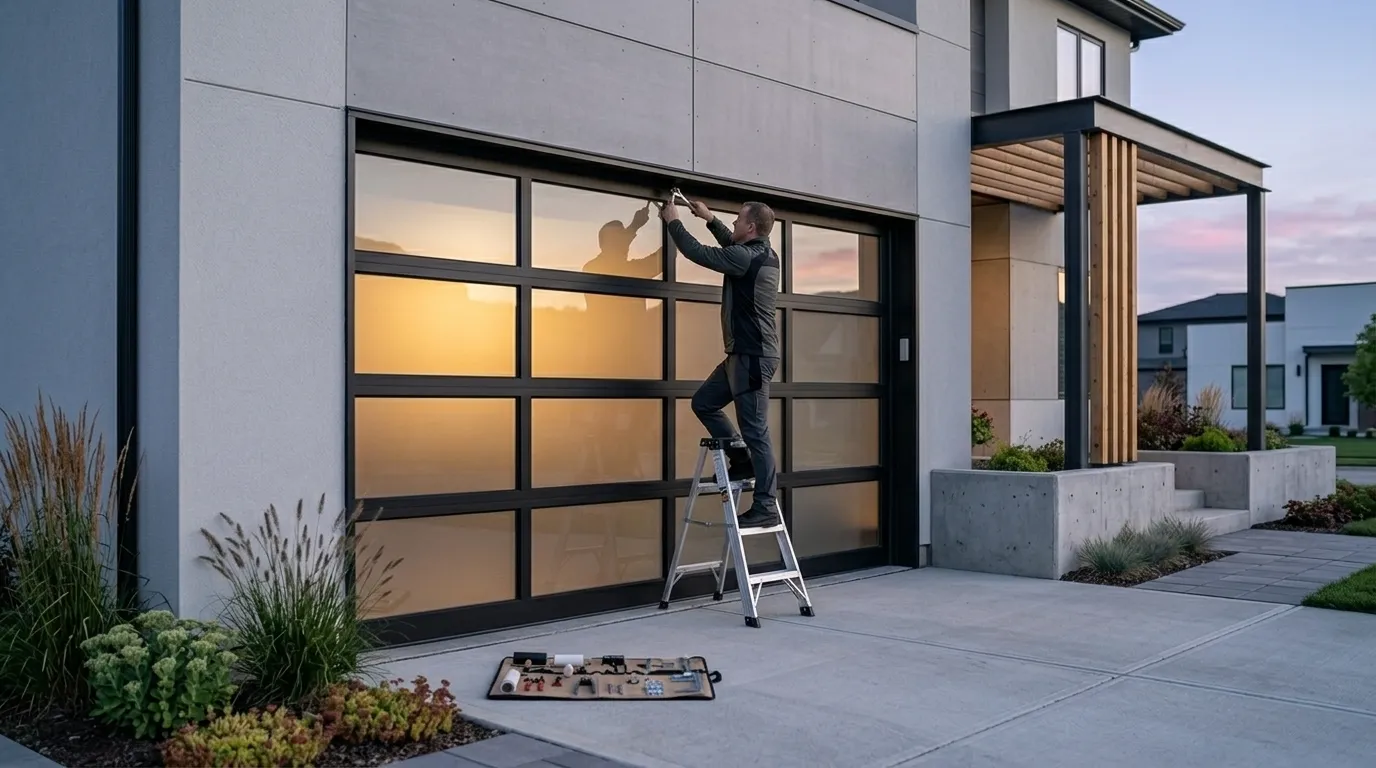
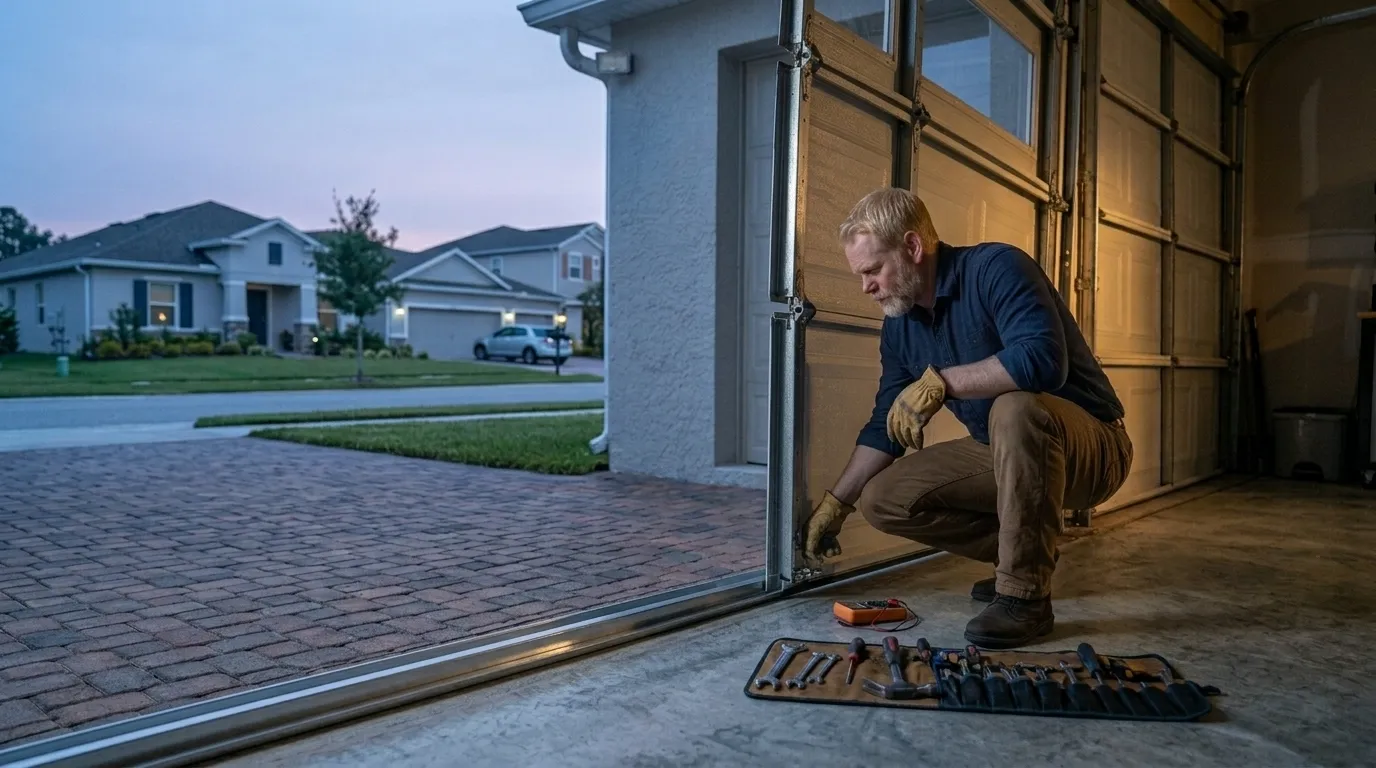
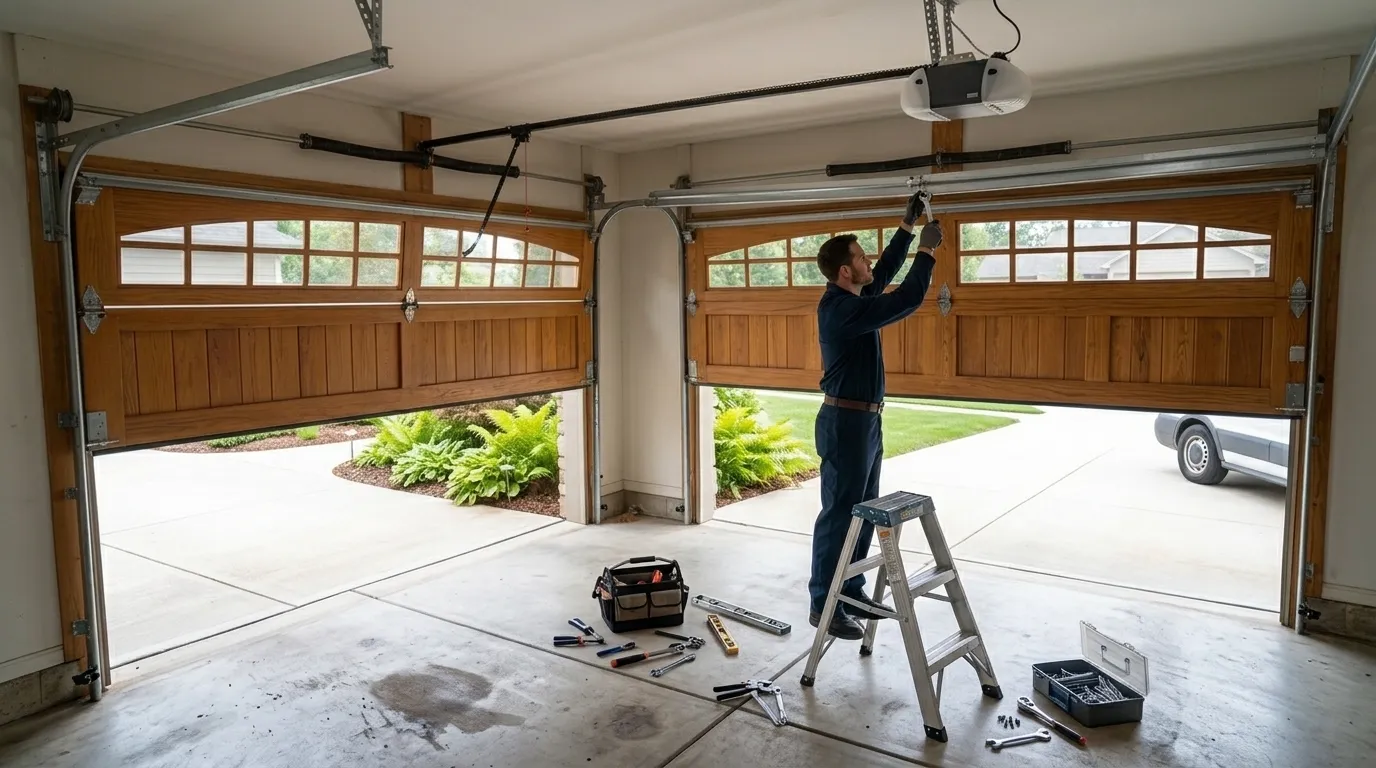
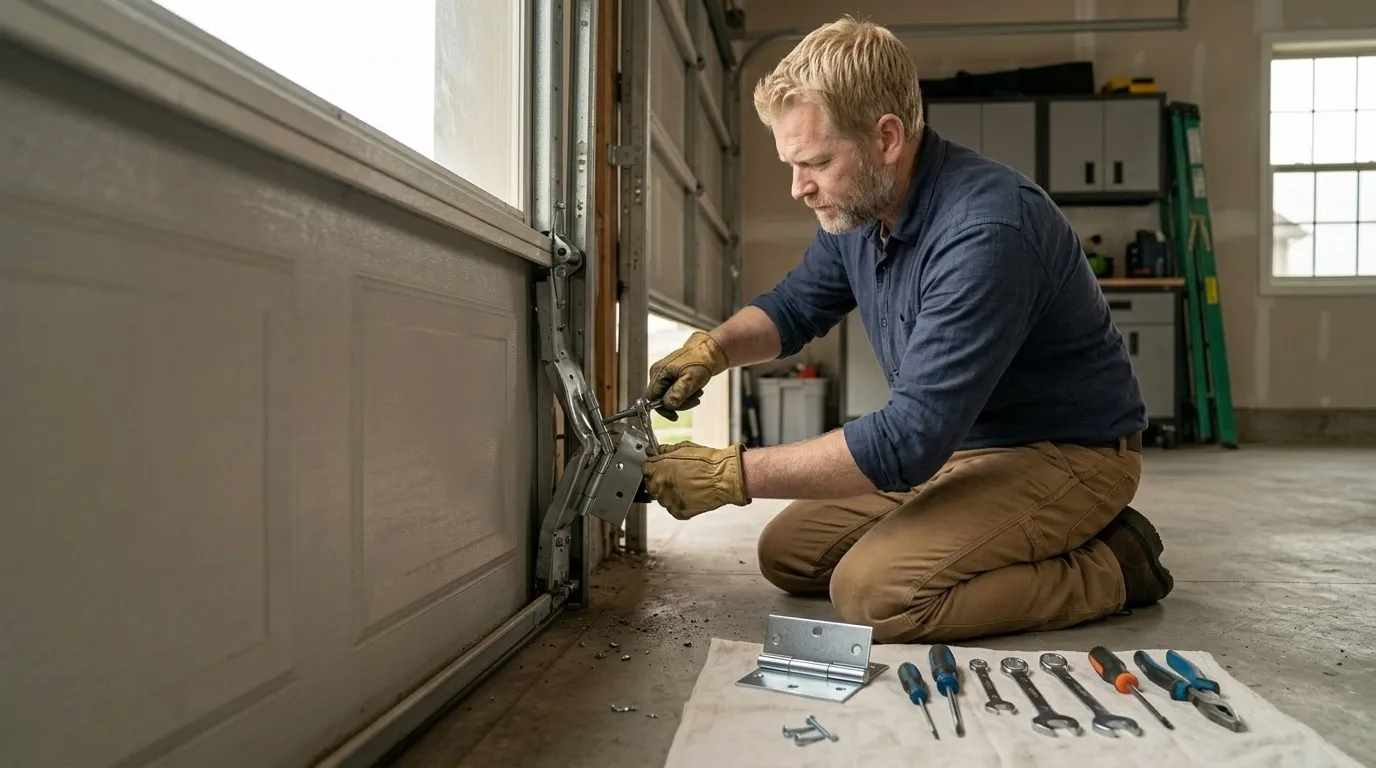
The job itself is straightforward on a door this age: pull the old roller assemblies one at a time, working top to bottom so the door stays supported on the track, and swap in a sealed-bearing steel roller that will outlast the nylon original by a wide margin. On a two-car door with ten rollers, that's usually the whole visit - no track realignment, no panel work, unless a bent hinge or a chewed-up track section turns up once the old roller comes out. We check for that before quoting a flat roller swap and tell you if it's grown into a bigger job.
Where This Job Goes Sideways
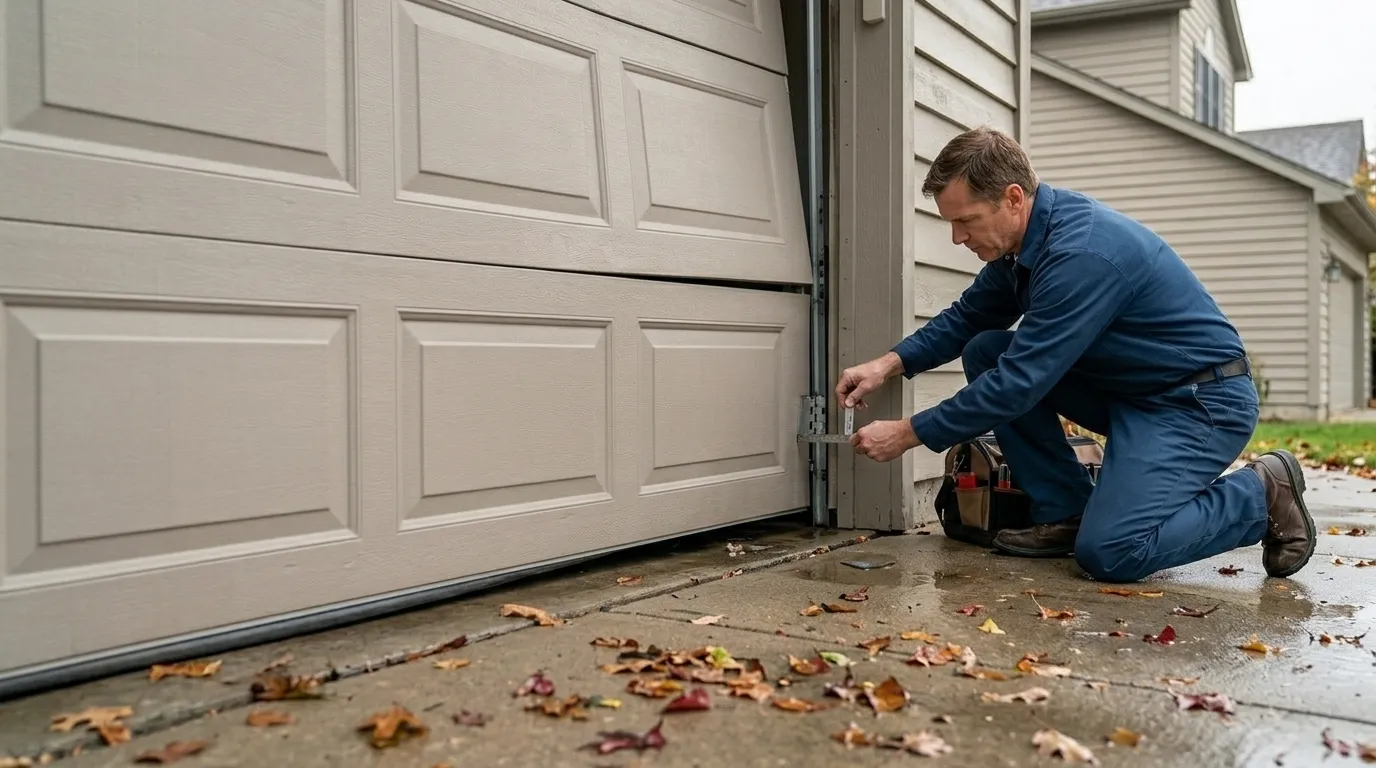
The service area sits in a cold-severe climate band, and that's the part that turns a slow roller wear-out into a sudden one. Nylon gets brittle below freezing. A roller that's been flat-spotting quietly for a year can shatter on a single cold-morning cycle, and when it goes, it usually takes a piece of track edge with it.
The other way this goes sideways: someone replaces one bad roller and leaves the other nine original. They're all the same age, wearing at the same rate, and the new one just highlights how rough the others sound. We replace rollers in full sets on a door this age unless there's a reason not to - a single swap on a 2010-built door is a return visit waiting to happen.
Getting It Booked In
Tell us the door's approximate age when you call - if it's original to a 2010-built house, we already know roughly what we're dealing with before the truck leaves Brighton. That's worth mentioning up front because it changes what we load: full roller sets rather than a single bracket, plus the hardware that tends to fail alongside worn rollers on doors this age.
If you're not sure how old the door is, a quick description of the sound - grinding on the way up, a rough spot at the same point every cycle - tells us most of what a visit would confirm anyway. See the Dacono service area page for what else we cover out this way, or the Brighton roller replacement page if you're closer to town and want the shorter version of this same job.
What Is on the Truck
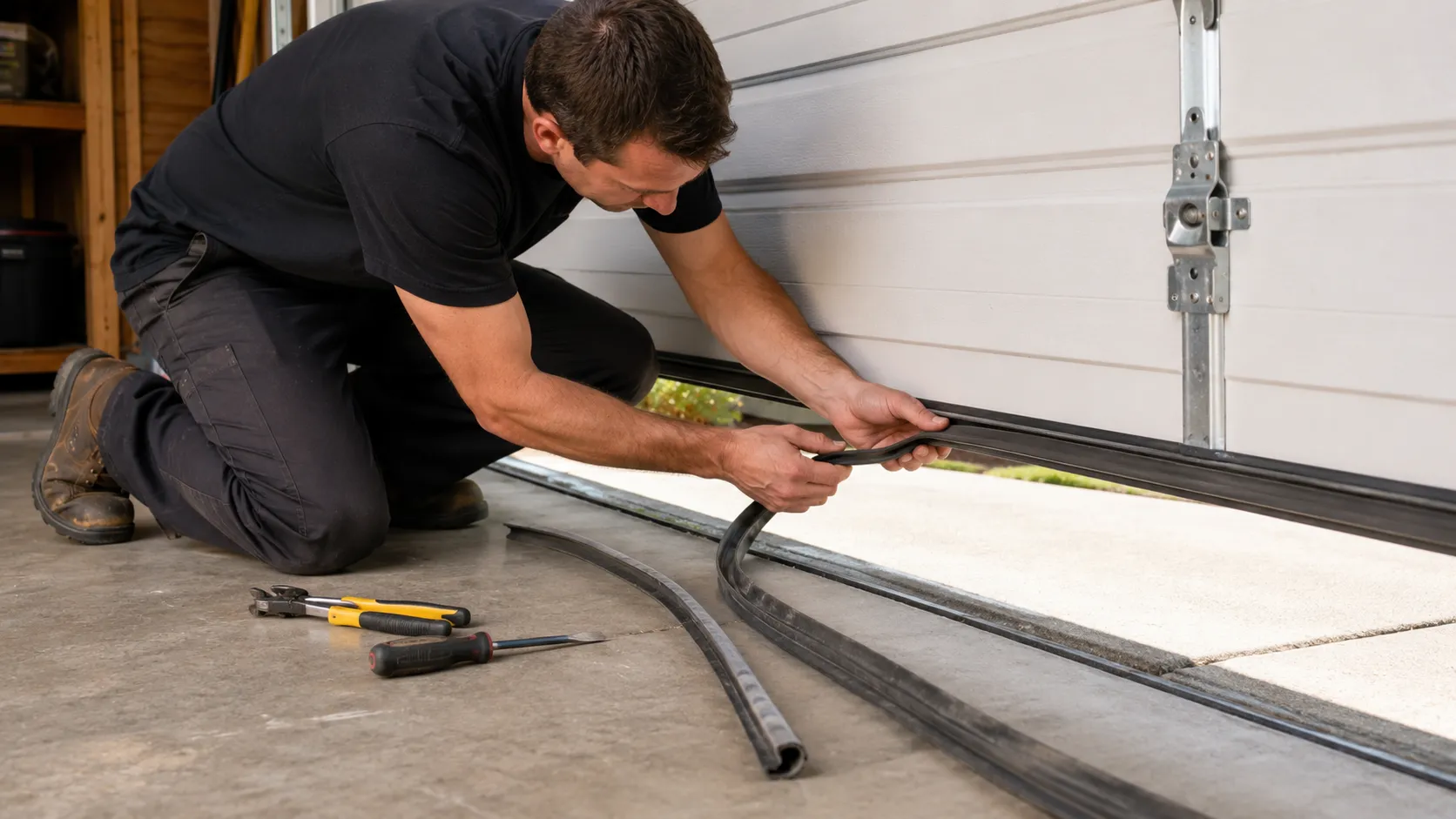
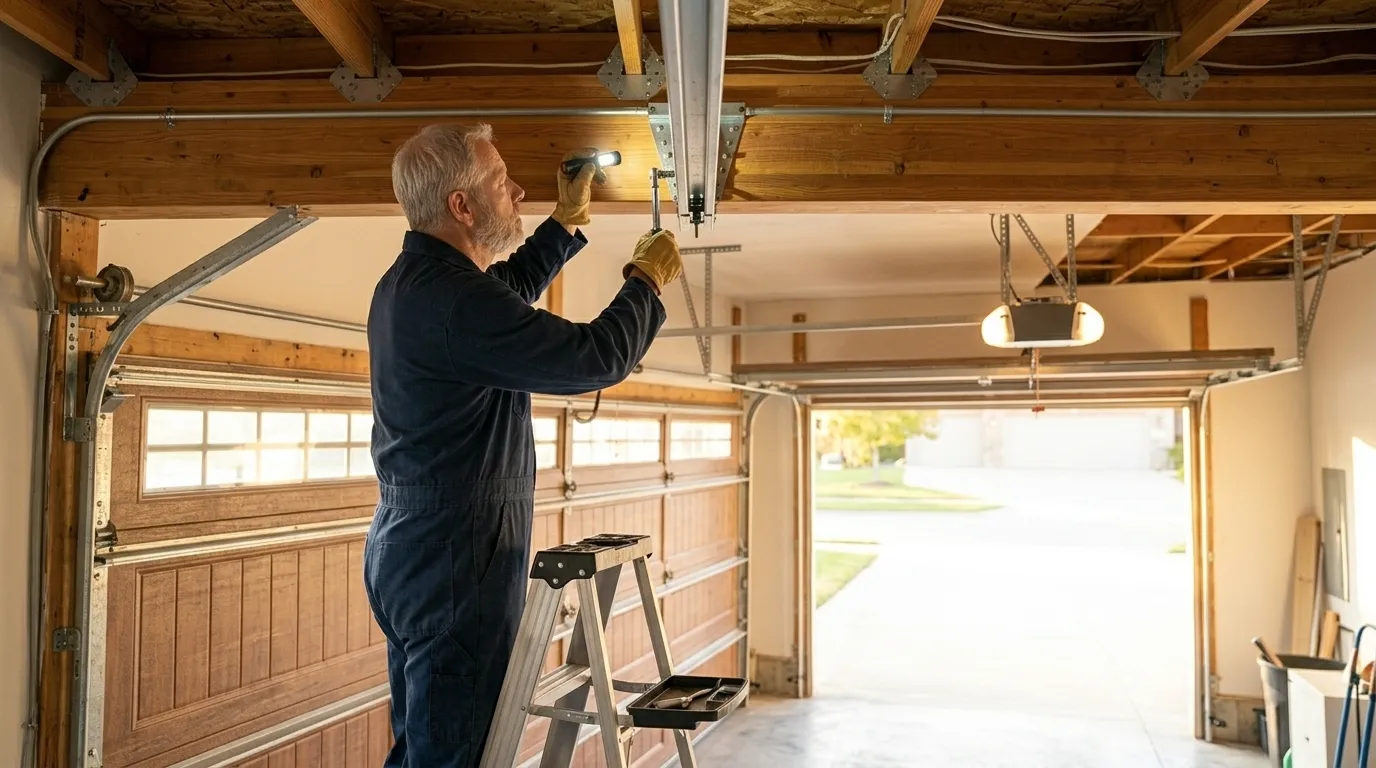
For a roller job on a door built around 2010, the truck carries sealed-bearing steel rollers in the stem lengths that fit that era's builder-grade hinges, plus spare hinges and a section of replacement track - the two things that most often get damaged when an old nylon roller finally cracks apart mid-cycle. We also carry lubricant rated for cold-severe conditions, since anything else gums up and attracts grit once temperatures drop.
What we don't load for a scheduled roller call is spring stock - springs are a separate diagnosis and a separate visit, and mixing the two on one truck run means carrying weight we may not need. If a roller visit turns up a spring that's clearly near the end of its life, we'll say so and get that booked separately rather than guessing at what's in the van that day.