What the Repair Takes
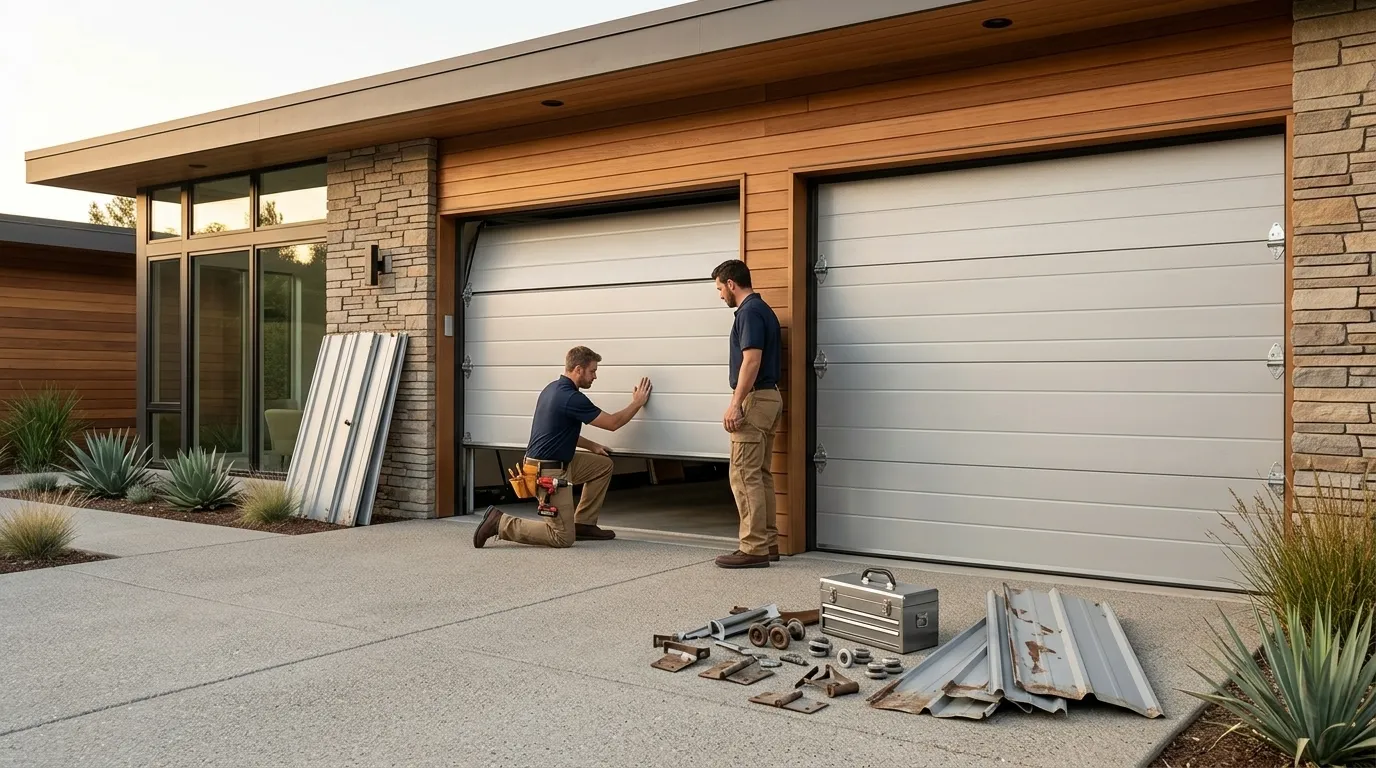
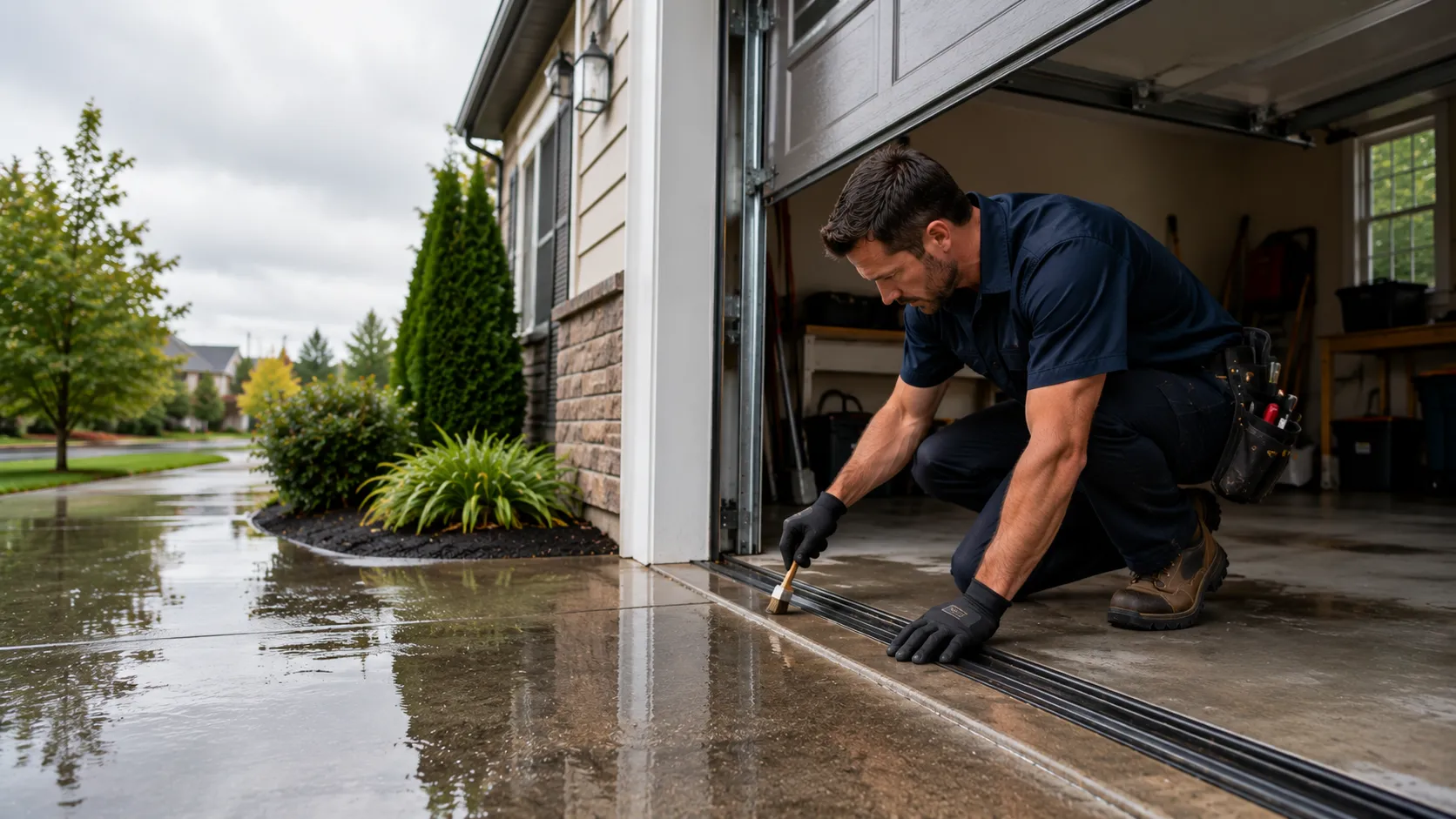
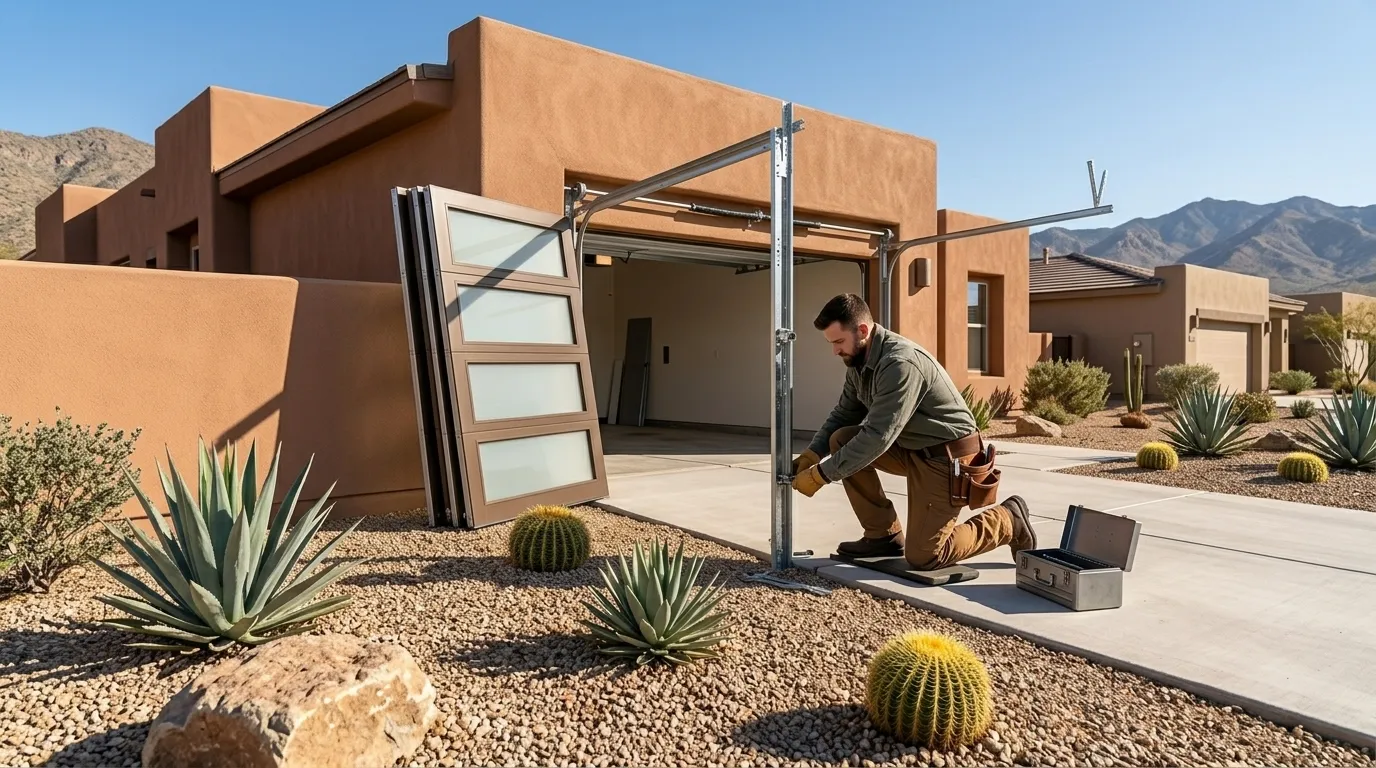
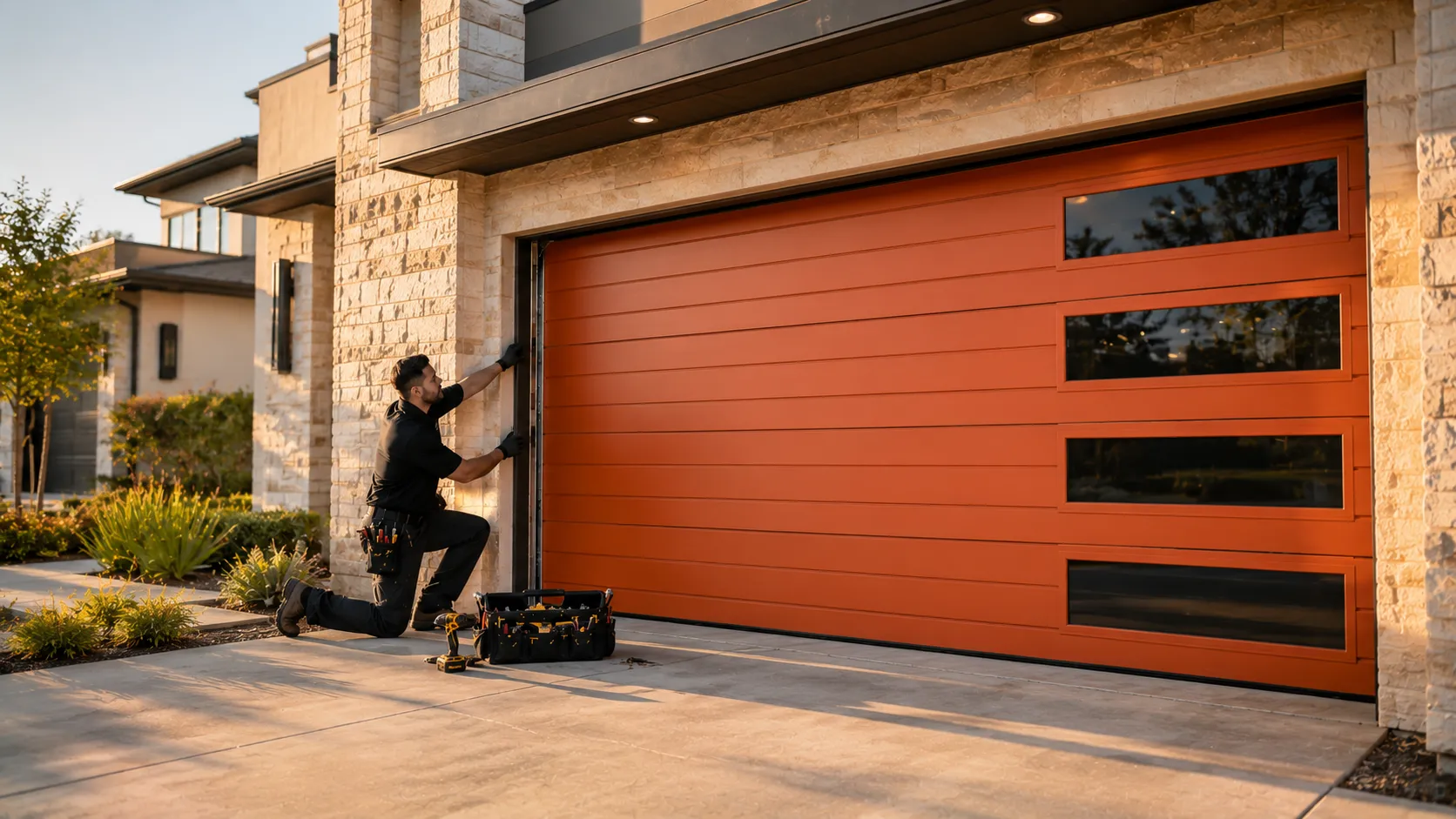
Most of the housing stock we work on across the service area has a median build year of 1991, but Dacono runs newer than that - the typical home here dates to around 2010. That gap matters more than it sounds like it should. A door installed in 2010 is almost always a factory sectional steel unit with foam-in-place insulation sandwiched between two skins, bolted to hardware sized for that panel weight. A 1970s or 1980s door in older parts of the service area is more likely single-skin steel or even a heavier wood composite, on older-gauge track. When a panel on a 2010-era door gets dented or the bottom section rusts through at the weatherstrip retainer, we're ordering a matched insulated panel, not patching a single skin. That's a different part number, a different fastener pattern, and usually a shorter wait because the doors are more standardized. We measure the section height and door width on site before we order anything, because even within a common build year, panel profiles vary by manufacturer.
Where This Job Goes Sideways
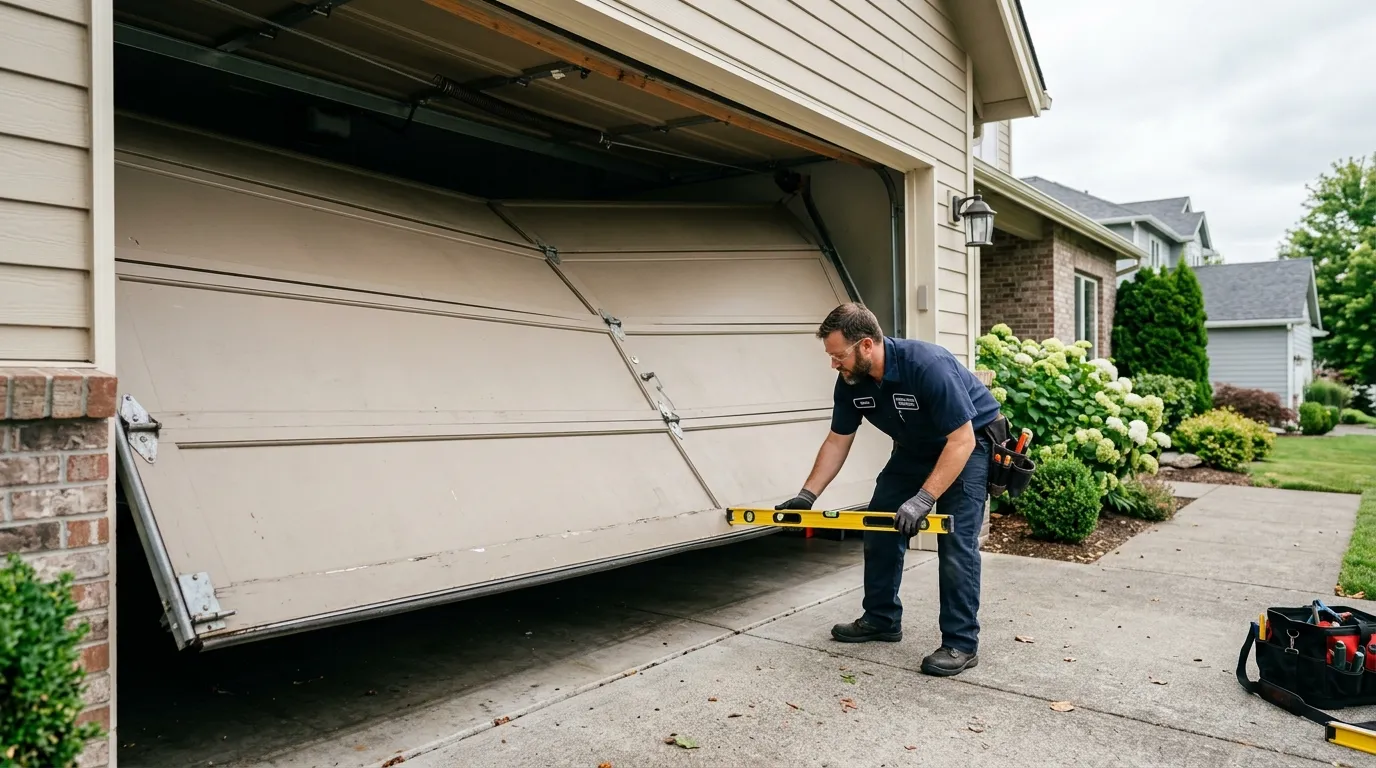
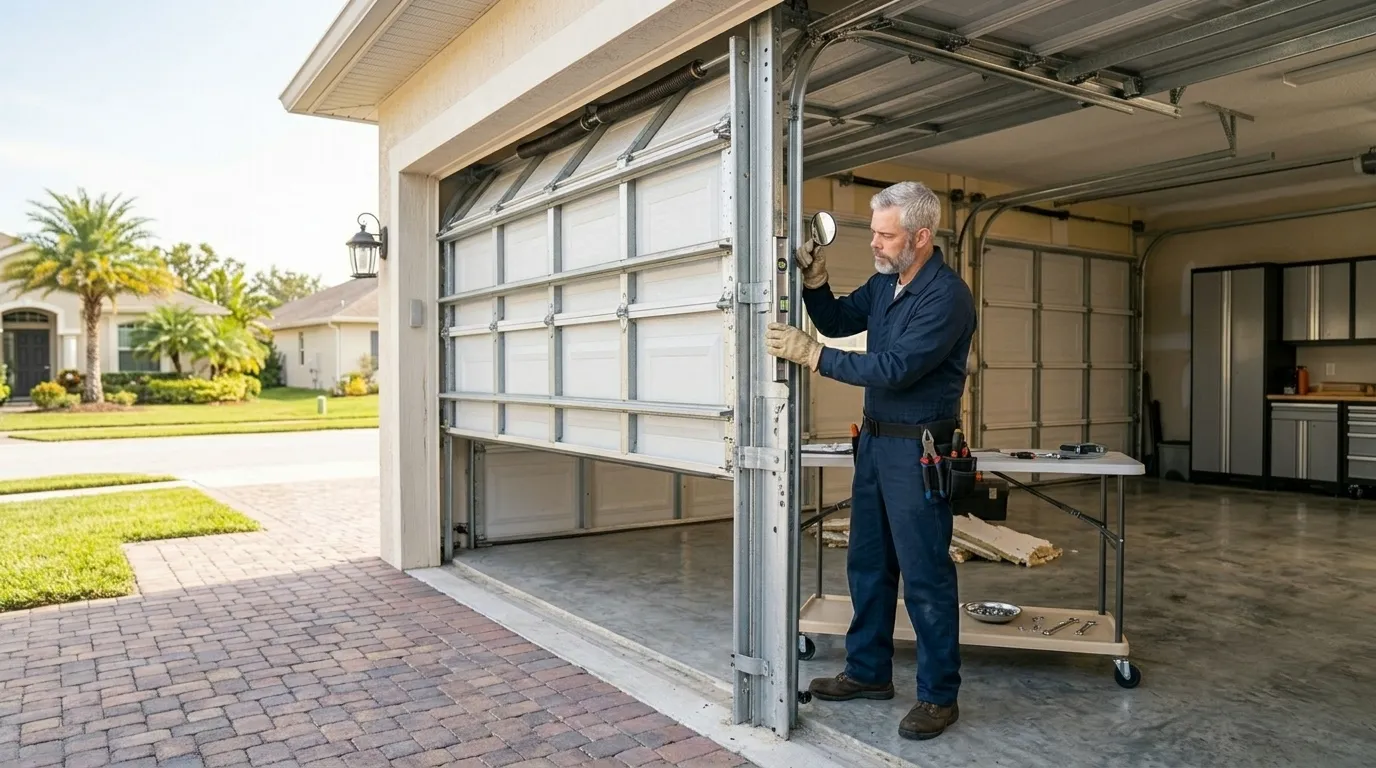
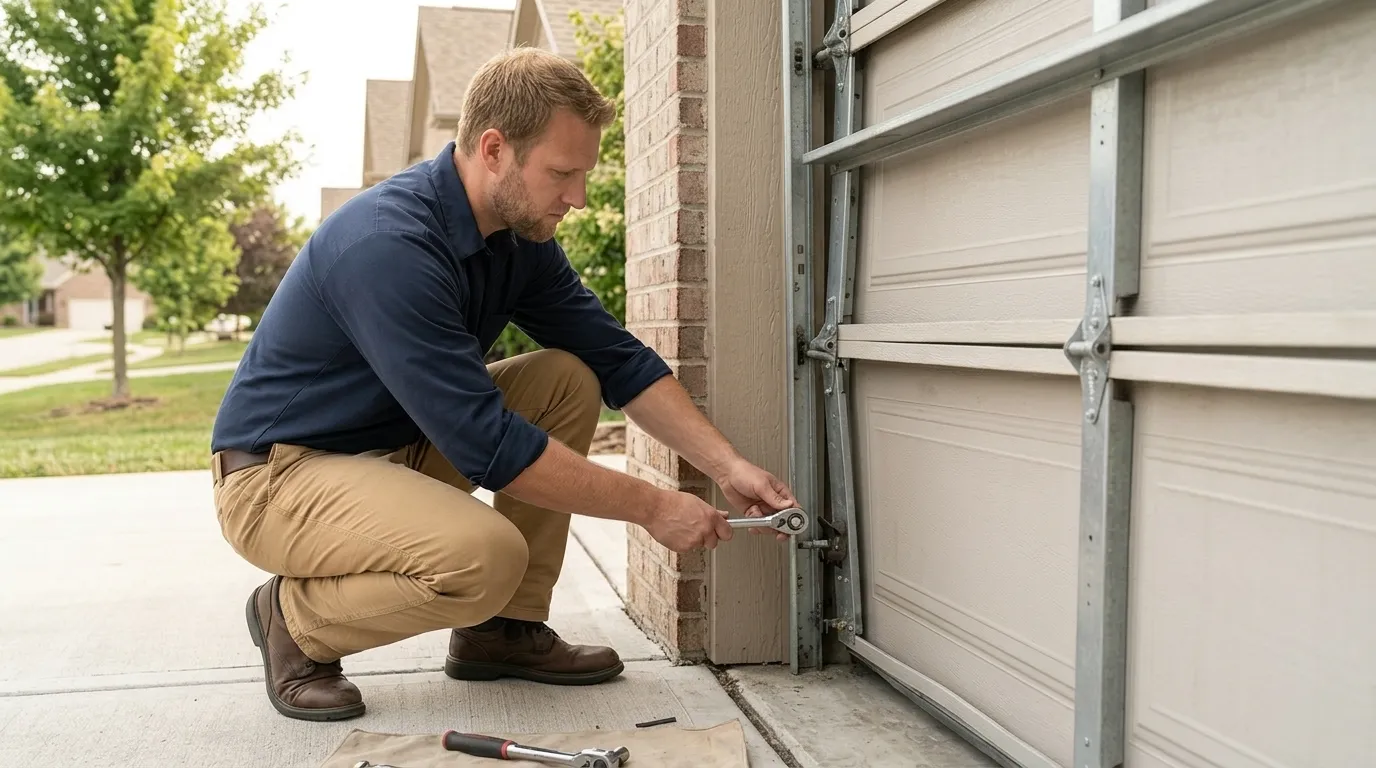
The failure point we see most on newer sectional doors isn't the steel - it's the seams. Foam-core panels lose their flex at the hinge stiles faster than solid steel does, especially with severe cold cycling through the winter here. A cracked stile at the hinge bolt looks like a small problem until you try to run the door and the whole section racks sideways in the track. On a door this age, we can usually still get the exact panel from the manufacturer's parts line, which keeps the fix to a single section swap instead of a full door replacement. Where it goes sideways is when a homeowner has already tried to force a stuck door past a cracked panel - that's when the roller pulls out of the track and bends the stile past what a panel swap alone will fix. We won't push a repair past that point; if the frame's bent, we'll say so instead of billing you for parts that won't hold.
Getting It Booked In
Tell us the door's approximate age and, if you can find it, the manufacturer name off the sticker on the inside of the top section - that alone narrows down the panel profile before we ever drive out. We'll ask about the damage: a single dent, a full crack through the stile, or rust at the bottom section, since that changes whether it's a one-panel job or something bigger. Because we're coming from Brighton, we'll confirm the visit window with you directly rather than promising a fixed same-day slot for every call.
What Is on the Truck
We carry common steel panel stock and standard hardware - hinges, rollers, end bearing plates - sized for the sectional doors that dominate newer construction like Dacono's. What we don't carry is every manufacturer's proprietary insulated panel for every build year across the service area; those get ordered once we've confirmed the exact match on site. That's the honest limit here: if your door takes a panel we don't stock and the manufacturer's run on backorder, the wait is on their end, not ours, and we'll tell you that up front instead of guessing at a date.