What You Pay
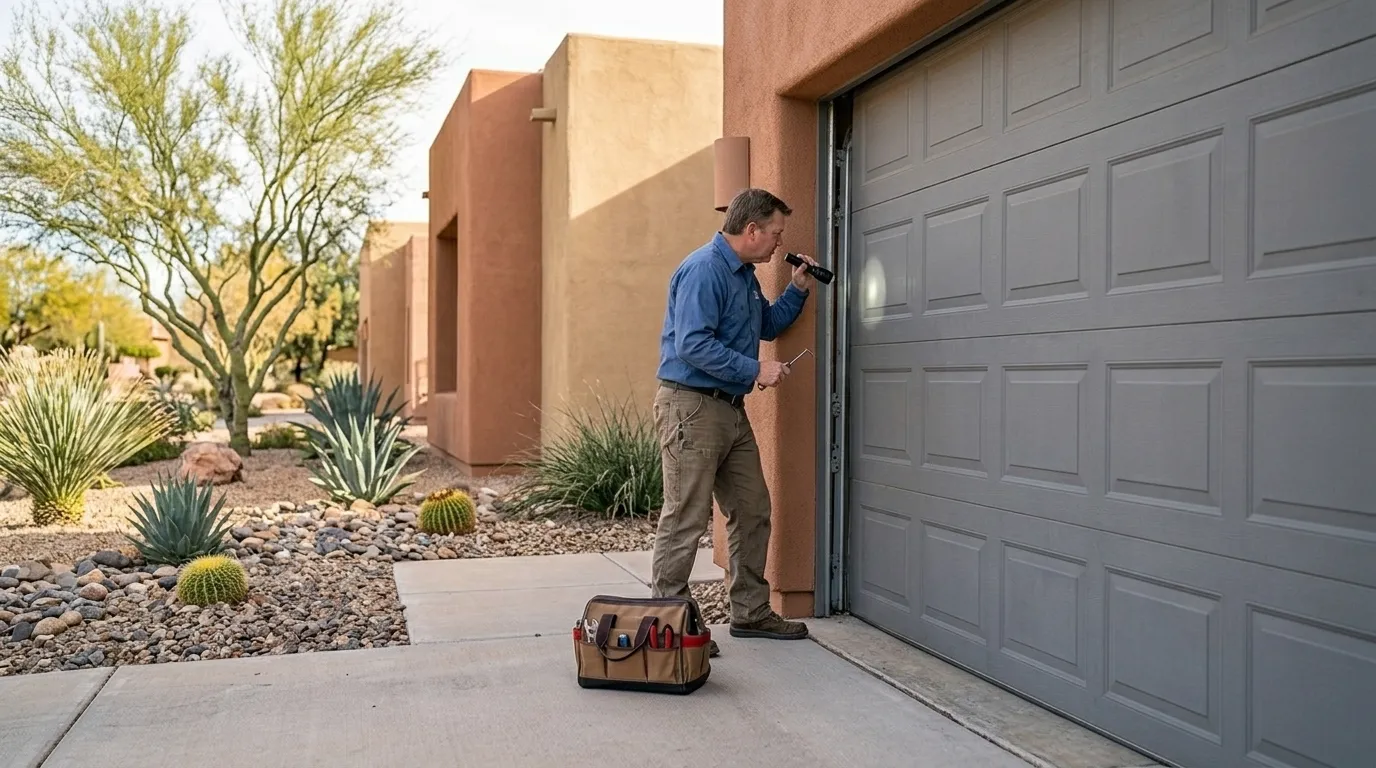
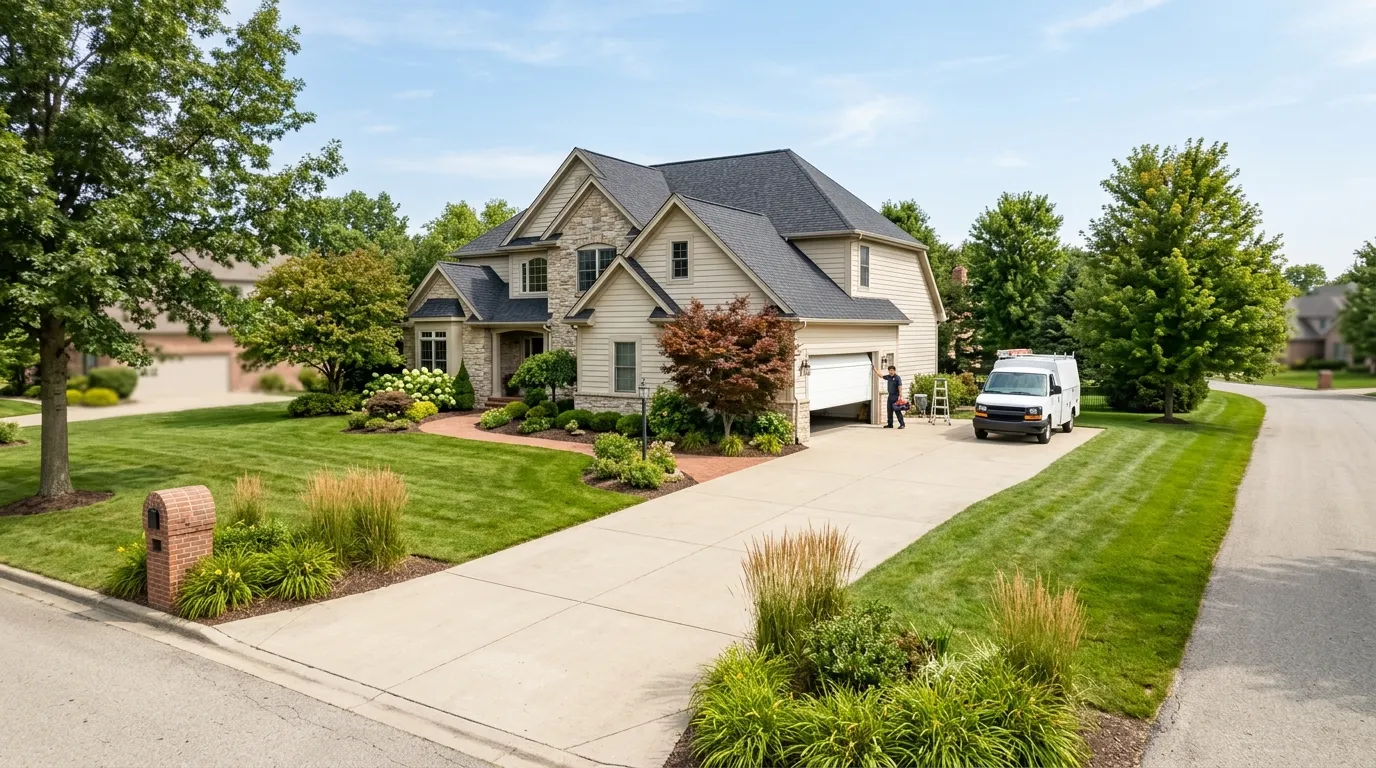
We don't quote a flat number here because a torsion spring swap on a 1978-built door runs different than a full panel replacement, and Fort Lupton has more of the latter than newer suburbs do. What we can tell you: this is a travel job. We come from Brighton, 8 miles out, and that's built into how we route the day, not into a separate call-out fee tacked onto your invoice. If you're comparing quotes, ask whether the number includes hardware matched to a door this old, because a lot of shops price for the parts they stock, not the parts your door actually needs.
Household income in Fort Lupton runs lower than the wider service area's median of $87,623 - the local figure sits closer to $64,850 - and we see that show up in the decisions people make: repair the spring and roller assembly rather than replace the whole door, even when a full swap would solve the insulation problem too. That's a reasonable call on a door that's structurally sound. It's not a reasonable call on a door with a bent track or a cracked bottom panel, where a repair just buys you six more months before the same call.
Why This Fails Locally
Fort Lupton's housing centers on 1978, more than a decade older than the median across the rest of the service area. That matters because doors and openers installed in the late '70s were built to a different set of assumptions - single-layer steel skins, standard-duty torsion springs sized for a lighter door, and rollers that were never rated for the cycle counts we ask of them forty-some years later.
The service area sits in a cold-severe climate band, and a 1978 door wasn't engineered around that the way current double-wall insulated panels are. Steel contracts in a hard freeze, the seams at the panel joints open up a fraction of an inch, and a spring that's already fatigued from four decades of temperature swings loses tension faster than it would in a milder zone. We don't see this as often on newer builds closer to Brighton - the hardware there is a different generation entirely.
How Long You Are Without the Door
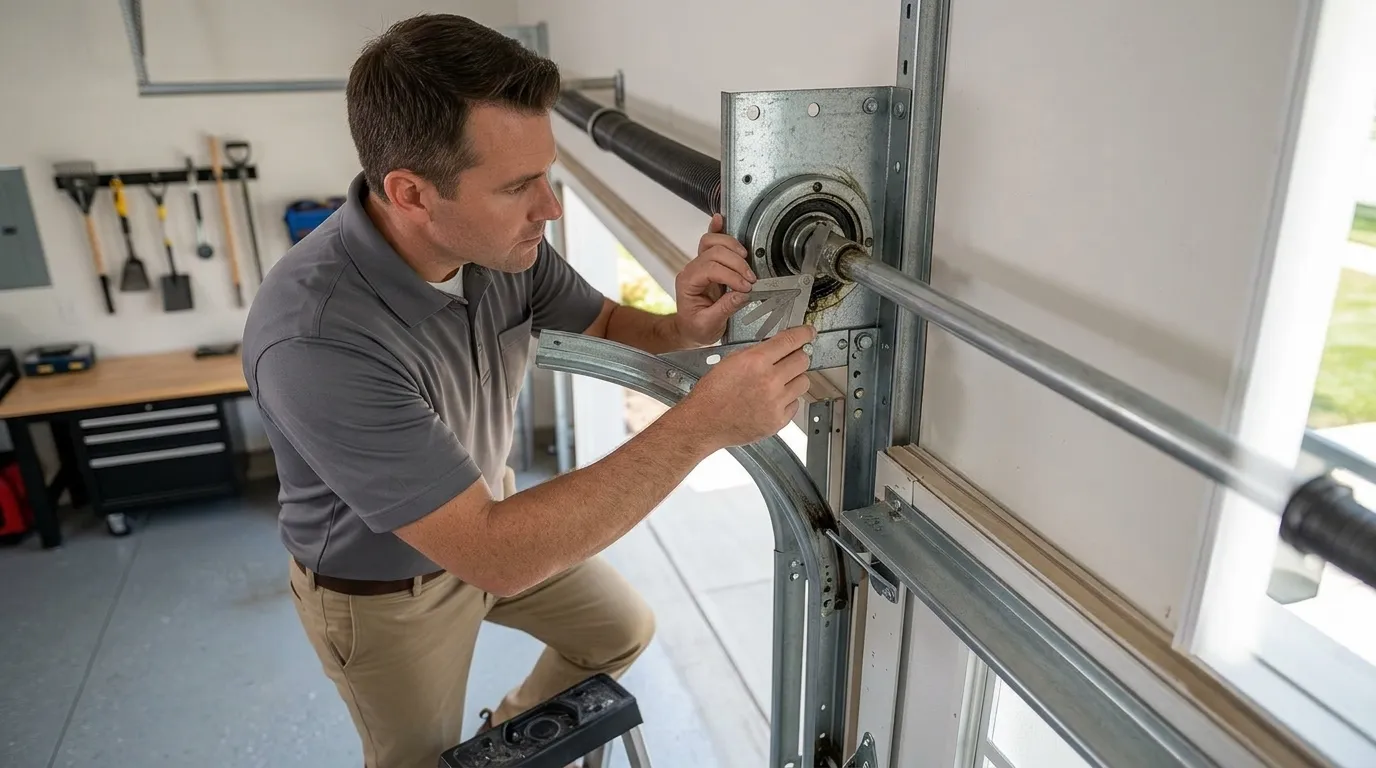
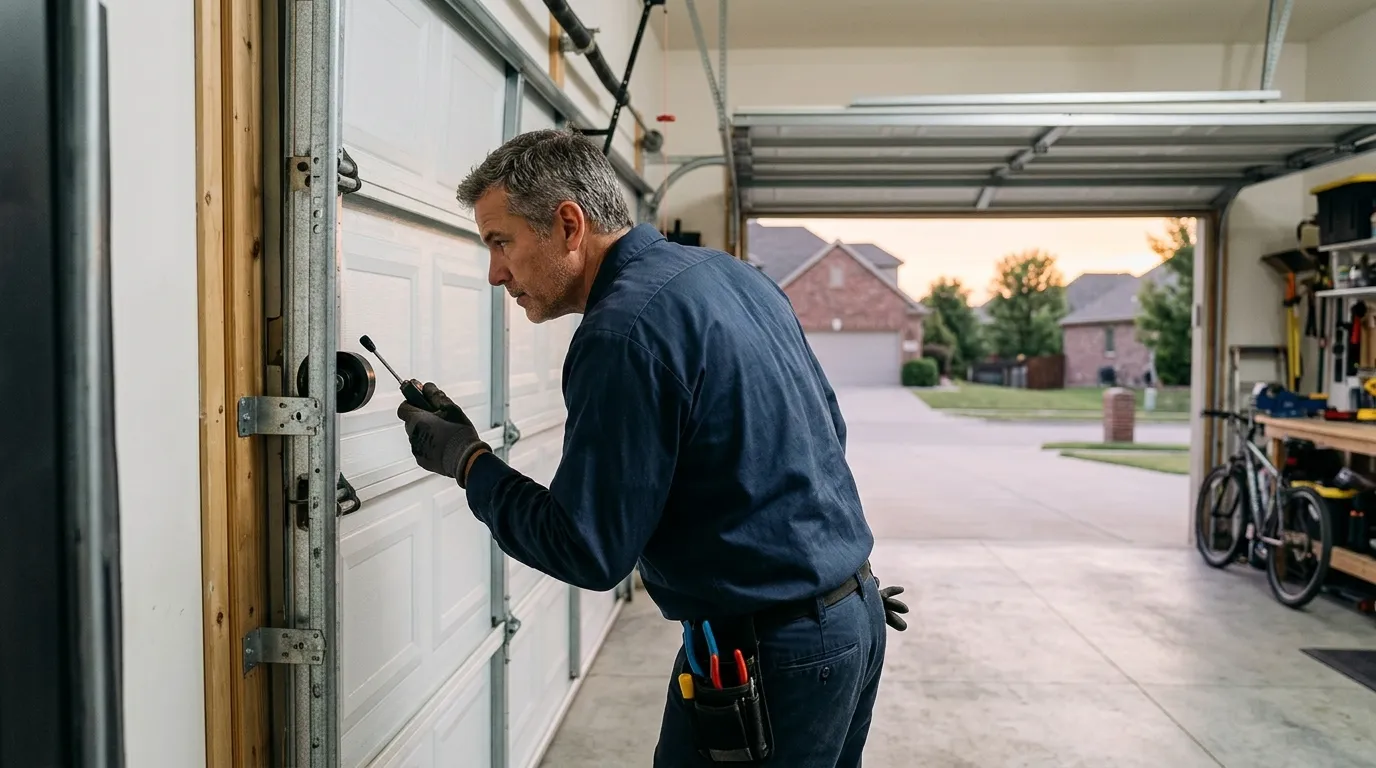
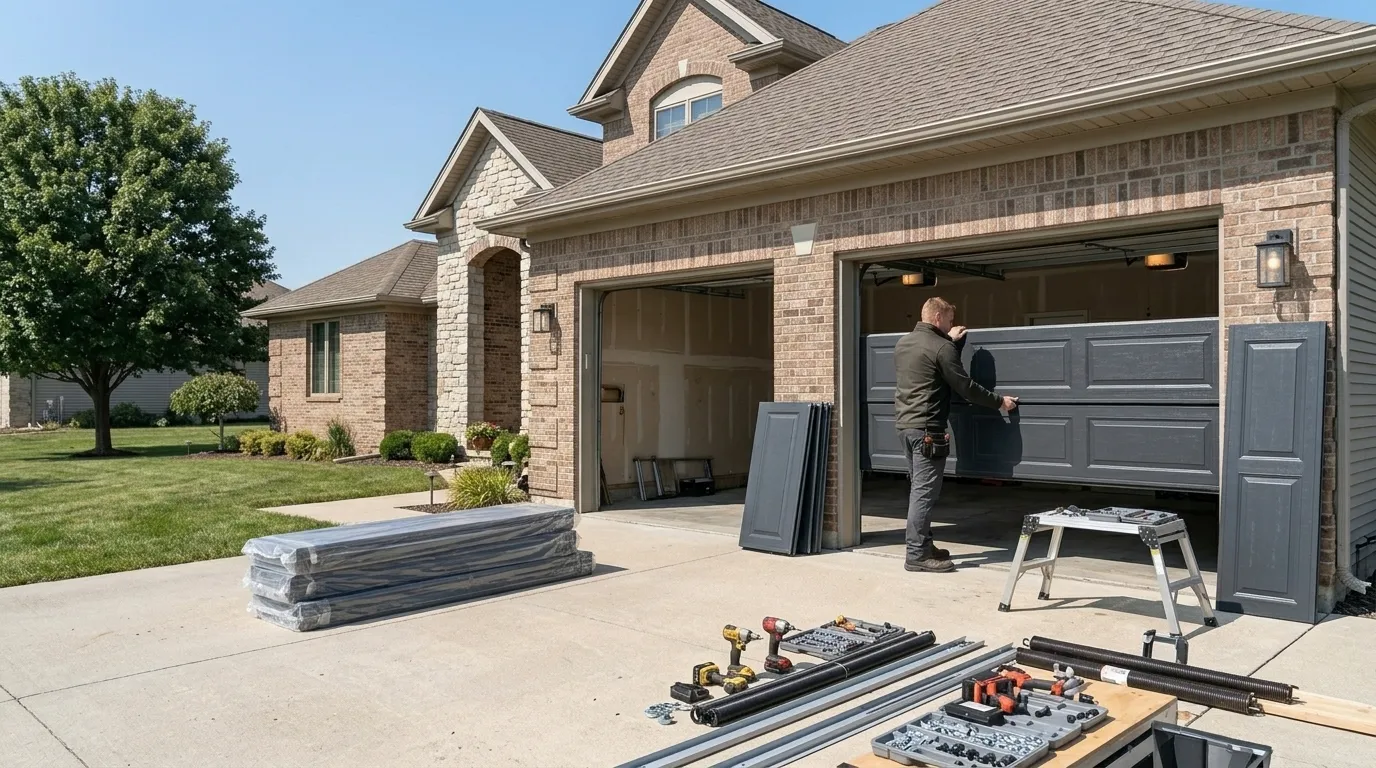
Spring replacement on a door from this era is usually a same-visit fix once we're on site - the part isn't unusual, it's just sized for an older door, so we bring options rather than assume. What takes longer is anything involving a panel match. A single-layer steel panel from 1978 isn't something every supplier stocks, and if the damage is limited to one panel rather than the whole door, sourcing the right width and profile can add days rather than hours.
We won't pretend we can promise a same-day turnaround on parts we don't have in the truck. If your door needs a panel that has to be ordered, we'll tell you that up front rather than string out a visit into a second one you didn't plan for. On a full door replacement, the wait is mostly about your choice of model, not our schedule.
Where This Job Goes Sideways
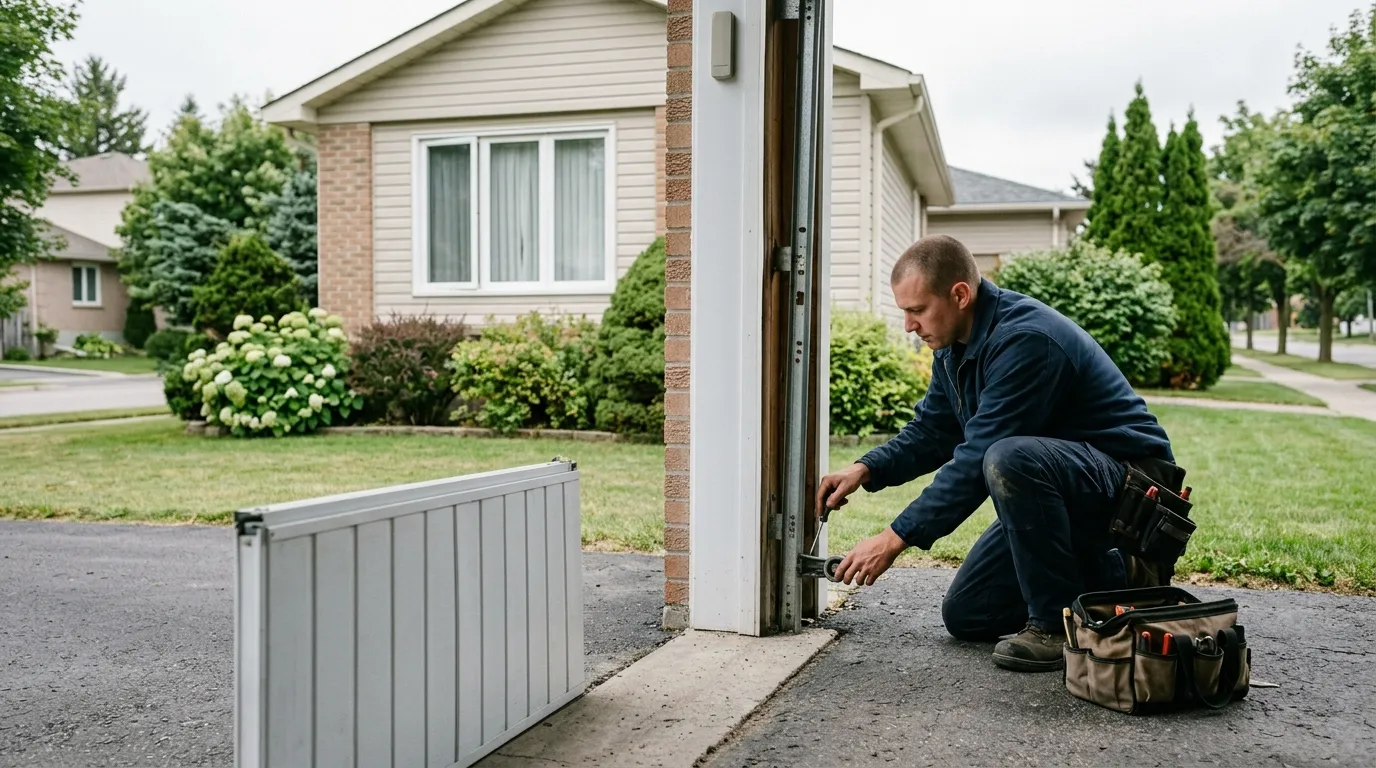
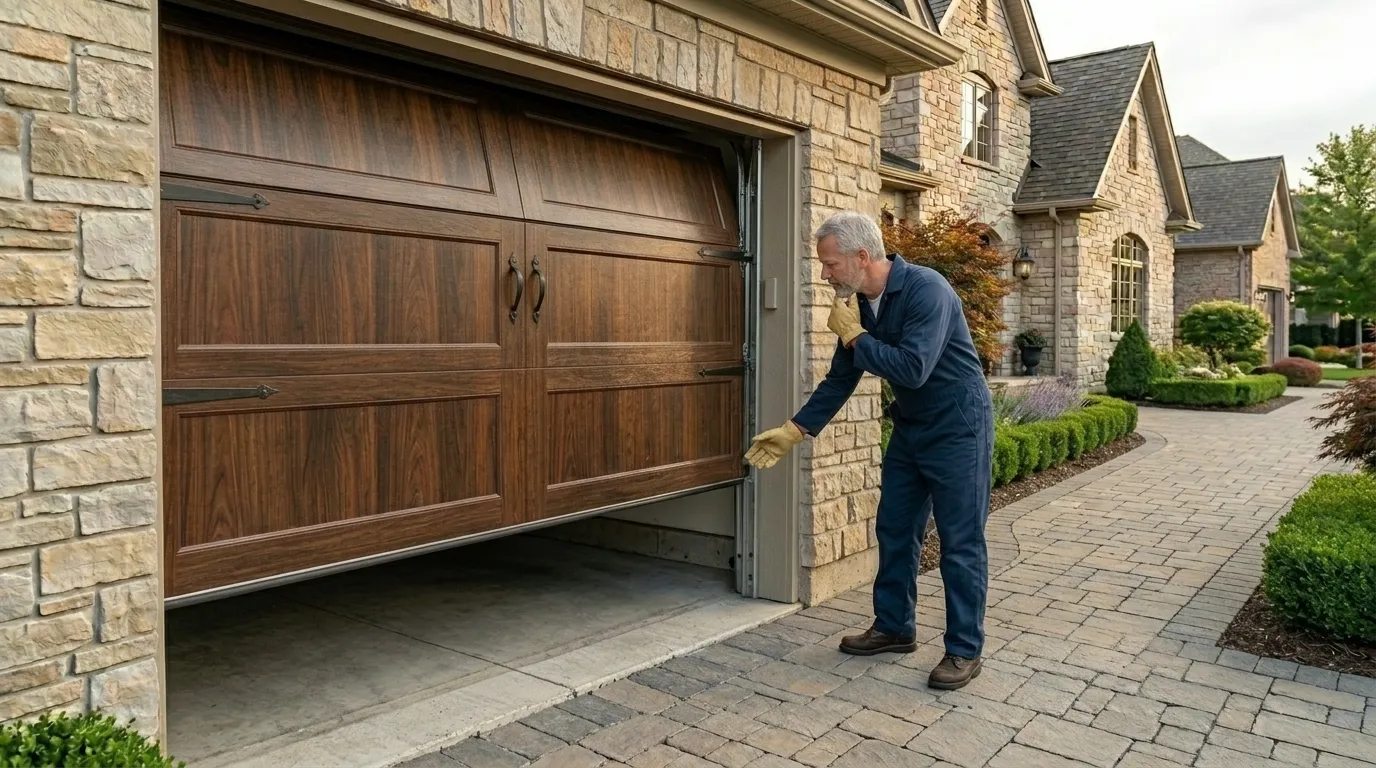
The most common mistake we see corrected on these calls: someone replaces the spring on a door that's already got a warped panel or a bent track, and the new spring burns out again inside a year because it's fighting a door that isn't running true. On a door this old, spring tension and panel condition aren't separate problems - they're one job.
The other place it goes wrong is opener-first thinking. A struggling opener on a 1978 door usually means the door got heavier to lift - through rust, through a bent section, through hardware that's seized - not that the opener itself failed. Replacing the opener without fixing what made it strain just buys another failure down the line. We'll tell you when a repair isn't worth it: if the door's frame or track is bent badly enough that true alignment isn't realistic, a new door costs less over five years than chasing repairs on the old one.