What You Pay
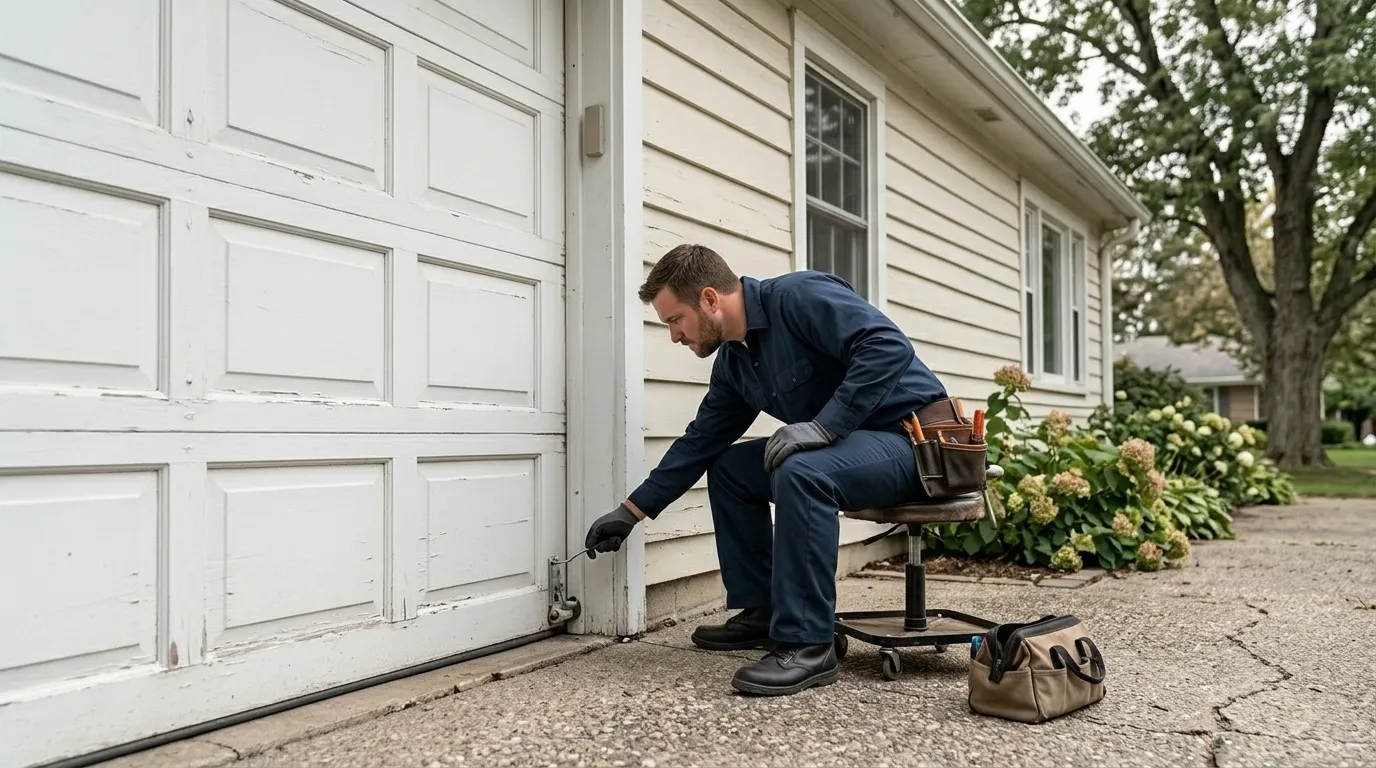
We don't quote a flat maintenance price without seeing the door, and we're not going to make one up for this page. What we can tell you is what drives the number in a town like Fort Lupton. The median household income here runs $64,850, noticeably below the $87,623 median across the wider service area we cover from Brighton. That gap matters for how we talk about maintenance versus replacement - a lot of Fort Lupton jobs are about keeping an older door running another five or ten years, not swapping it for something new. Extension spring service, roller and hinge checks, and track alignment are usually cheaper than opener or panel work, and a door built to 1970s standards often needs the cheaper kind of attention more often, not less. If a technician tells you a repair costs more than a comparable new door section, that's not a sales pitch - on an older door, sometimes it's just true. We'll give you a real number after we've looked at the hardware in front of us, not before.
Why This Fails Locally
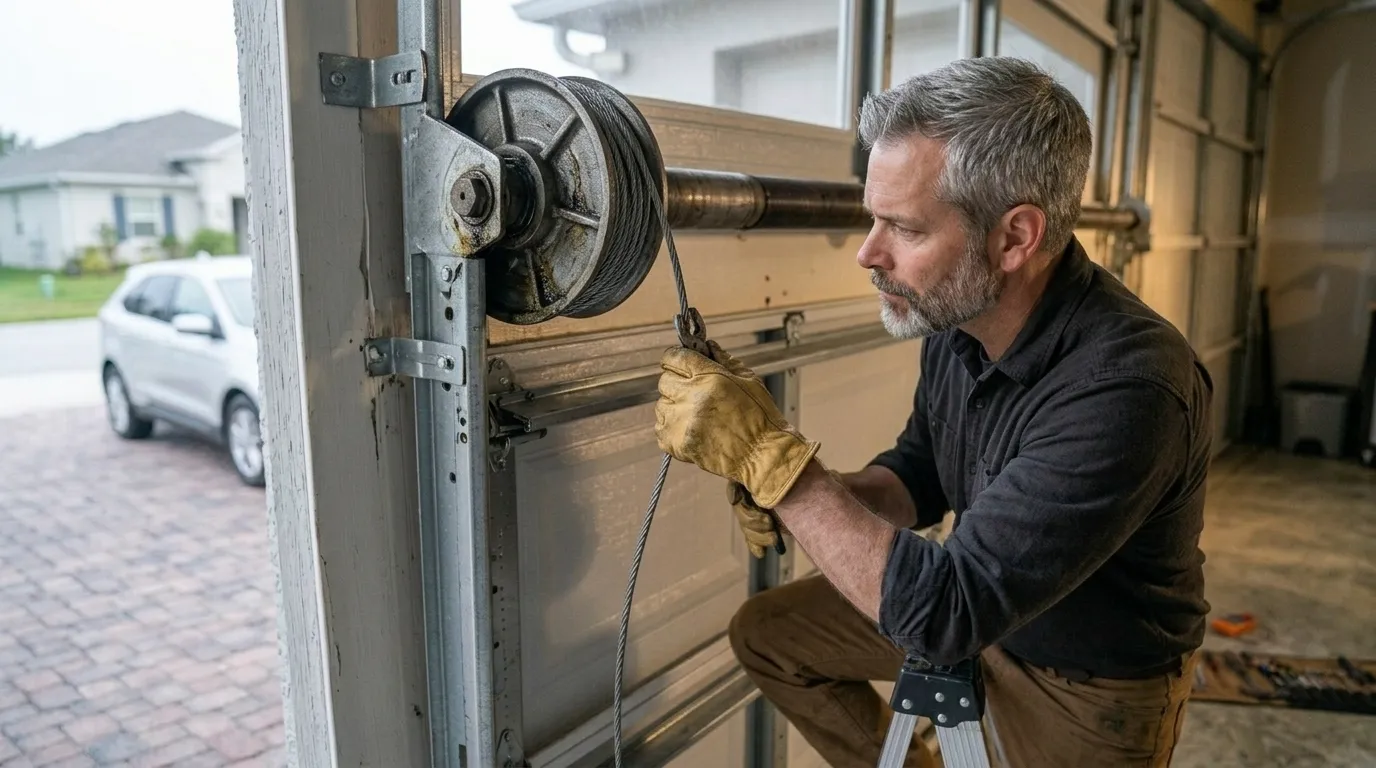
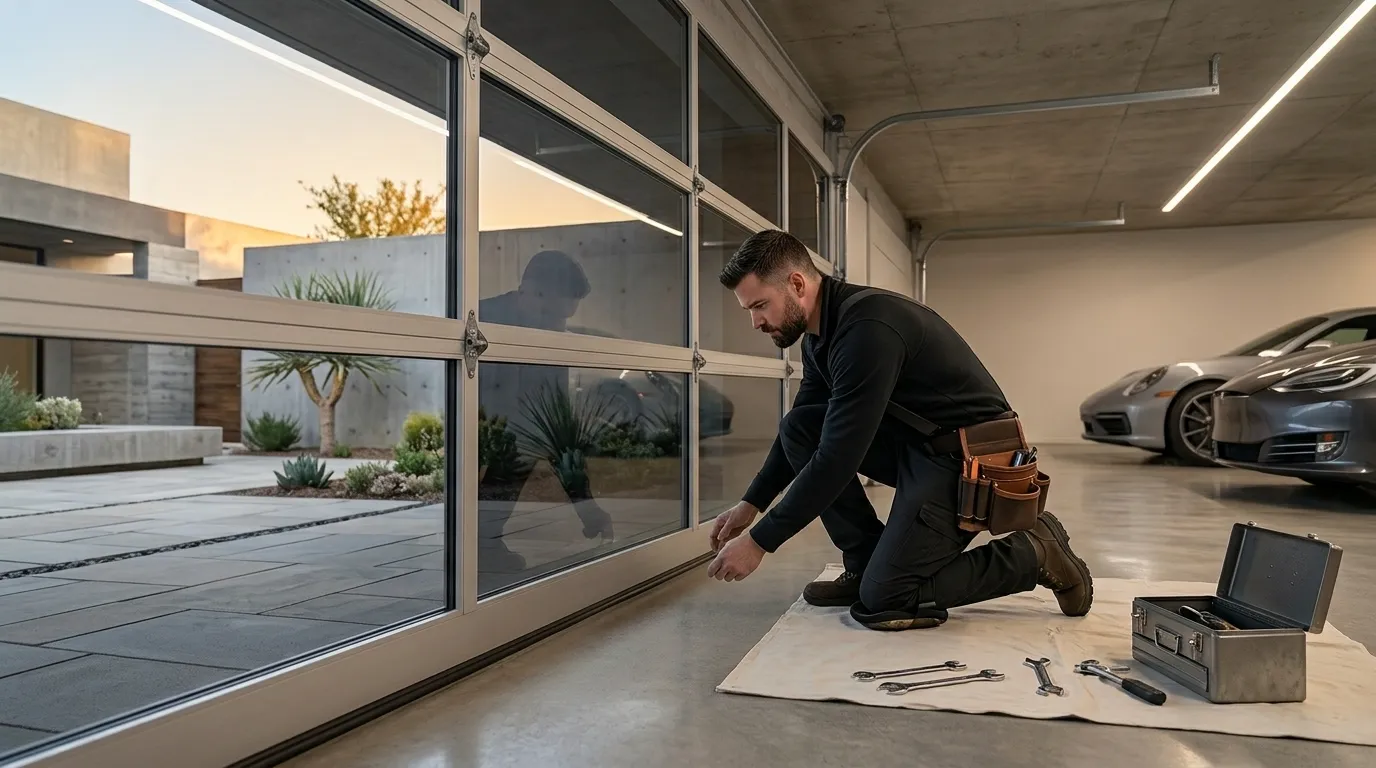
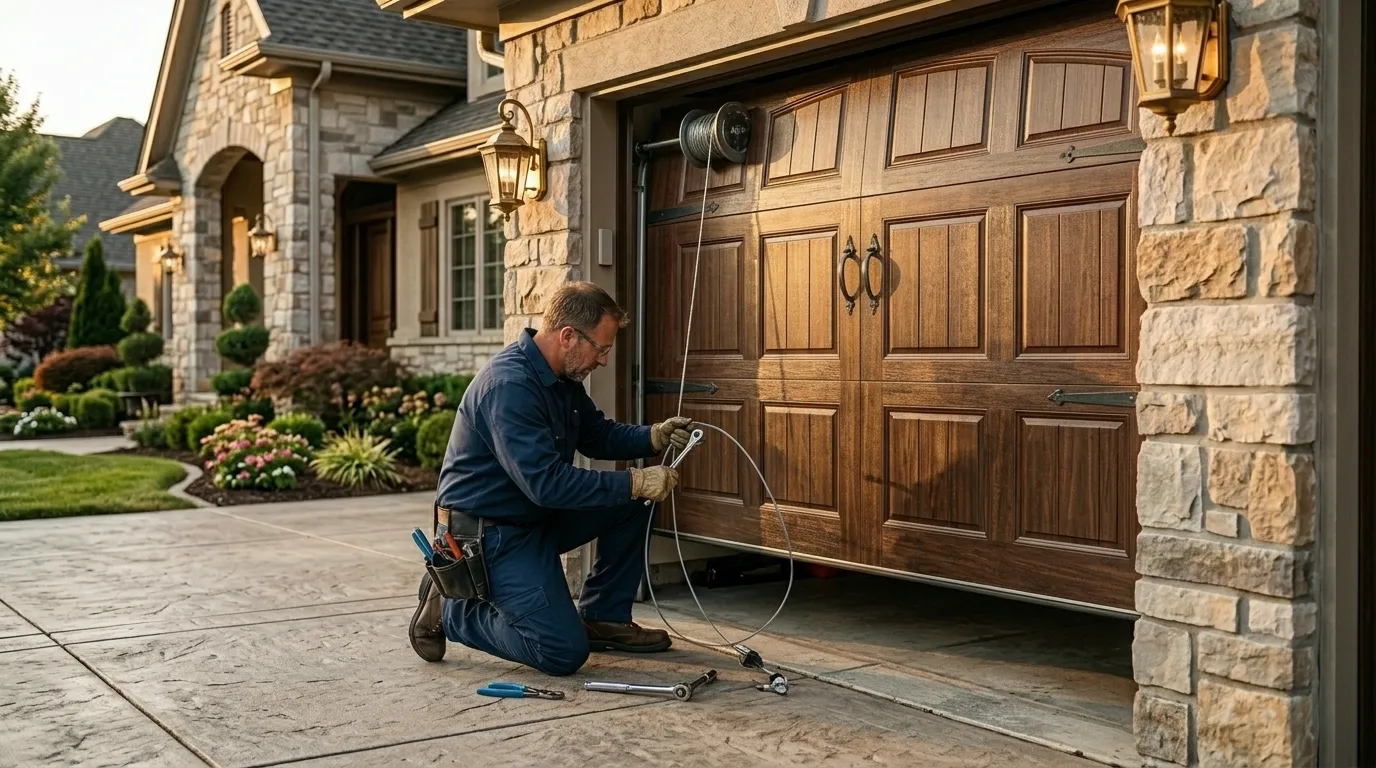
Median year built in Fort Lupton is 1978, which puts a big share of the town's garage doors on hardware that predates a lot of what's standard now. Doors from that era typically ran on extension springs mounted along the horizontal track rather than torsion bars over the opening, and the steel sections were single-layer with no foam core. That construction wasn't wrong for 1978 - it was normal. But forty-plus years later, those extension springs stretch and lose tension unevenly, and an uninsulated door does nothing to slow heat loss in a winter that qualifies as cold and severe across this whole region. Combine older spring hardware with the temperature swings this area sees and you get doors that bind, sag on one side, or slam the last foot of travel because the spring on that side has gone soft. This isn't the same failure pattern you'd see in a subdivision built in the 1990s or 2000s with torsion springs and insulated panels - it's specific to the age of the housing stock in Fort Lupton, and maintenance here has to account for it.
How Long You Are Without the Door
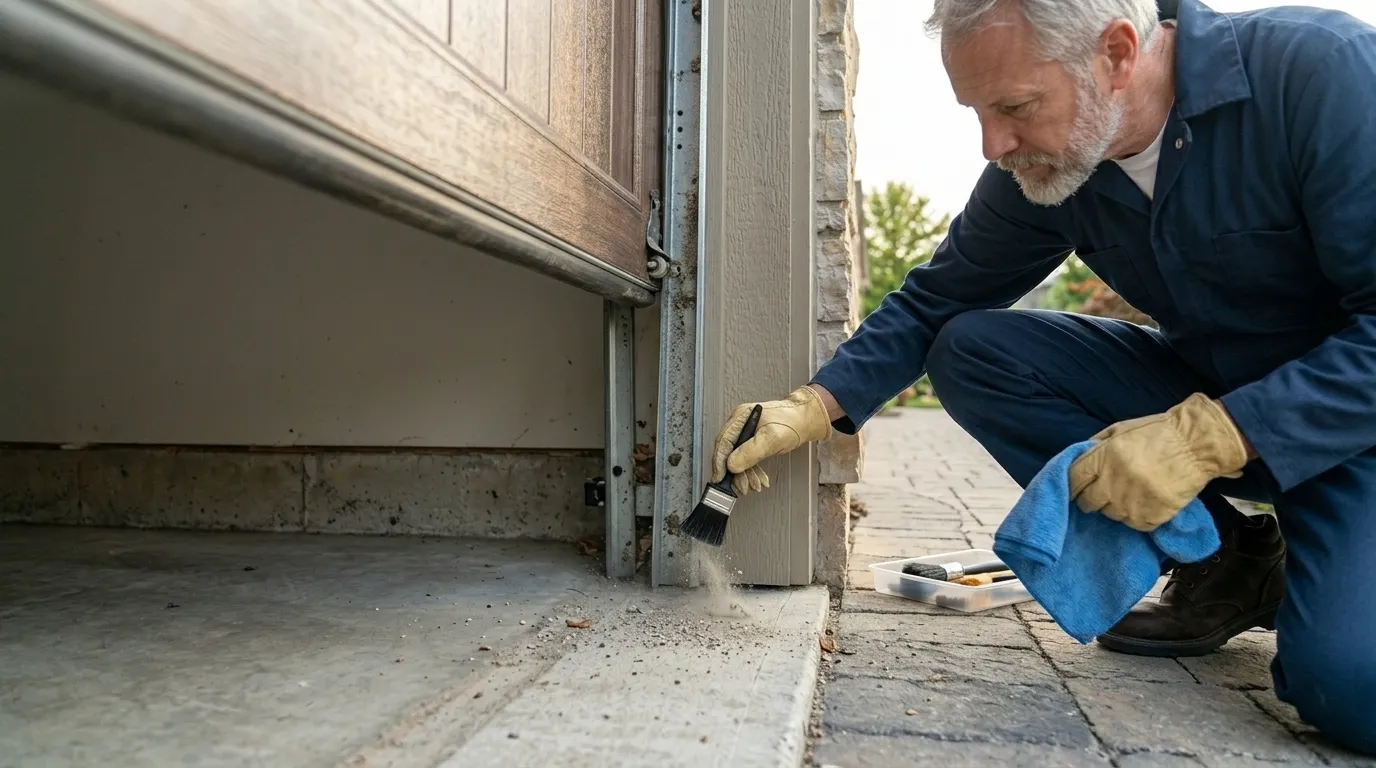
We work out of Brighton, about 8 miles from Fort Lupton, so we're not sitting in town waiting for a call. That's a fair limitation to put on the table: there's no branch here, and travel time is part of any visit. For routine maintenance - spring tension checks, roller and track service, opener adjustment - that travel time doesn't cost you anything, since it's a scheduled visit, not an emergency. Where it matters is if a spring lets go entirely and the door won't move at all. In that case you're waiting on us to drive out, and depending on what's wrong once we're there, waiting on a part if it's not something carried on the truck. We'd rather tell you that upfront than promise a turnaround time we can't back up for a town we visit on schedule rather than from next door.
Where This Job Goes Sideways
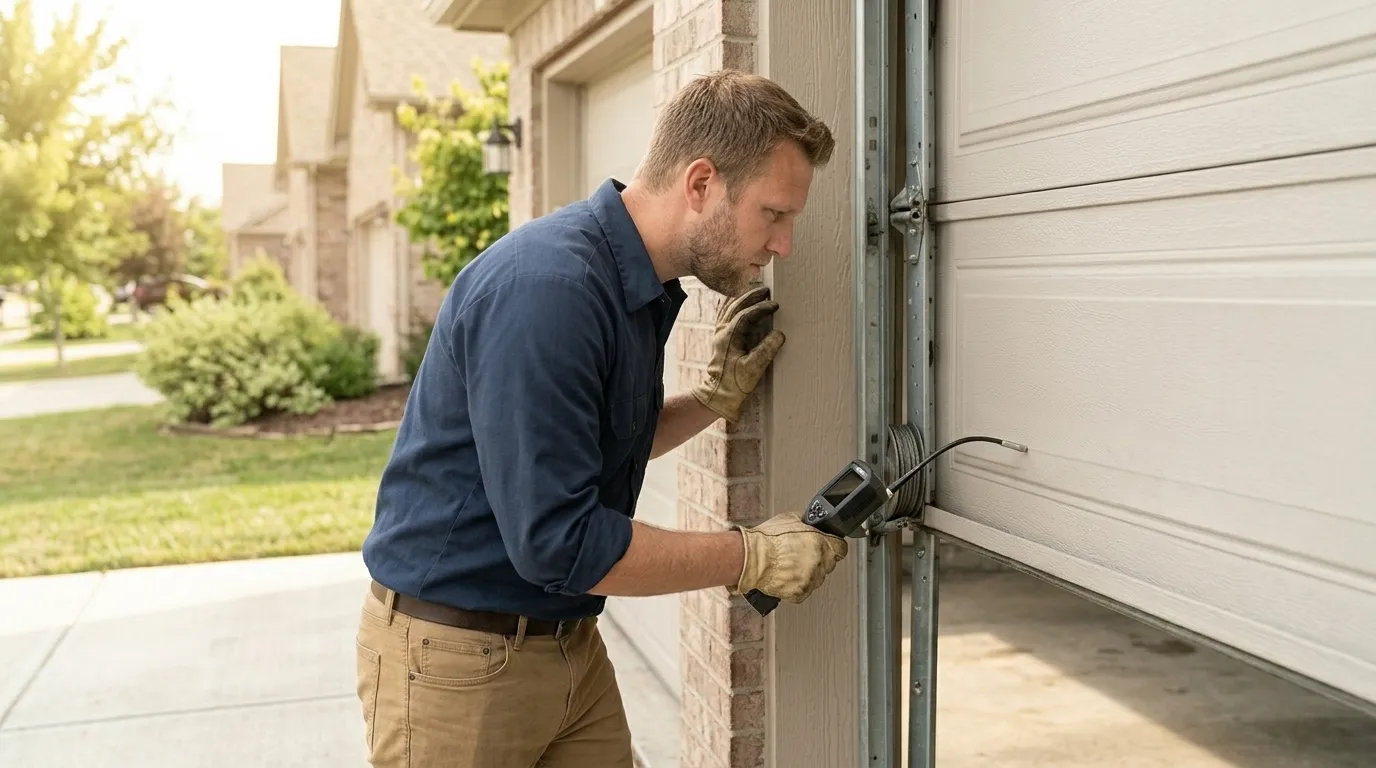
A maintenance call turns into a bigger conversation fastest on doors from Fort Lupton's era when the opener is original to the house. A mechanical unit from the late 1970s or 1980s wasn't built with the same safety features as anything sold today, and once we're already out checking springs and rollers, we're not going to pretend an opener that old is fine just because it still runs. That's the honest limitation here: we can service the door hardware and leave the opener alone if that's what you want, but we won't sign off on it as safe if it isn't. The other place this goes sideways is a homeowner who's had one spring replaced years ago and the other left original - mismatched spring age is common in a town with 2,887 households and a lot of houses from the same decade, and it means one side of the door is working harder than the other every single day until it fails too.