Checking It Yourself
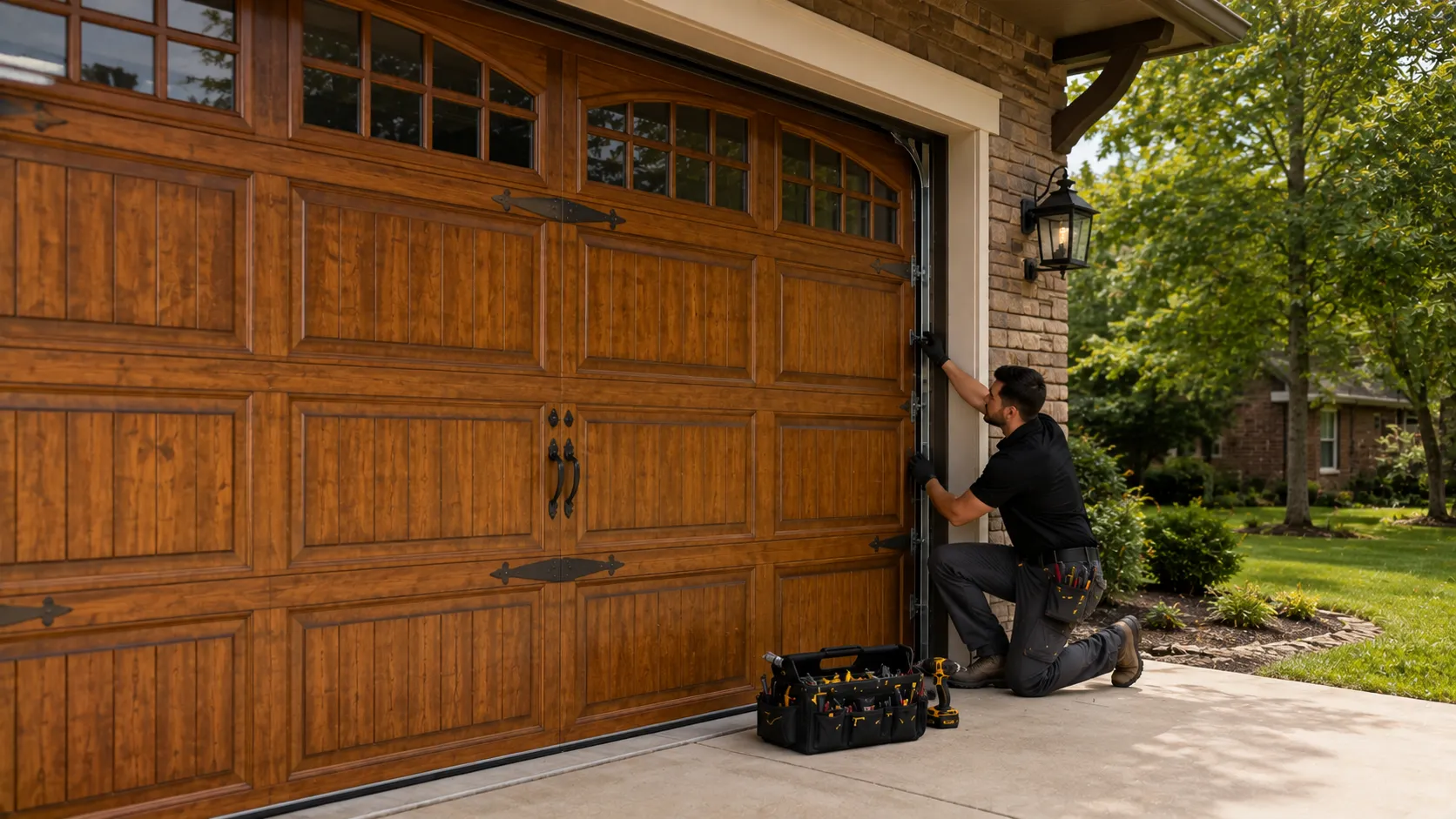
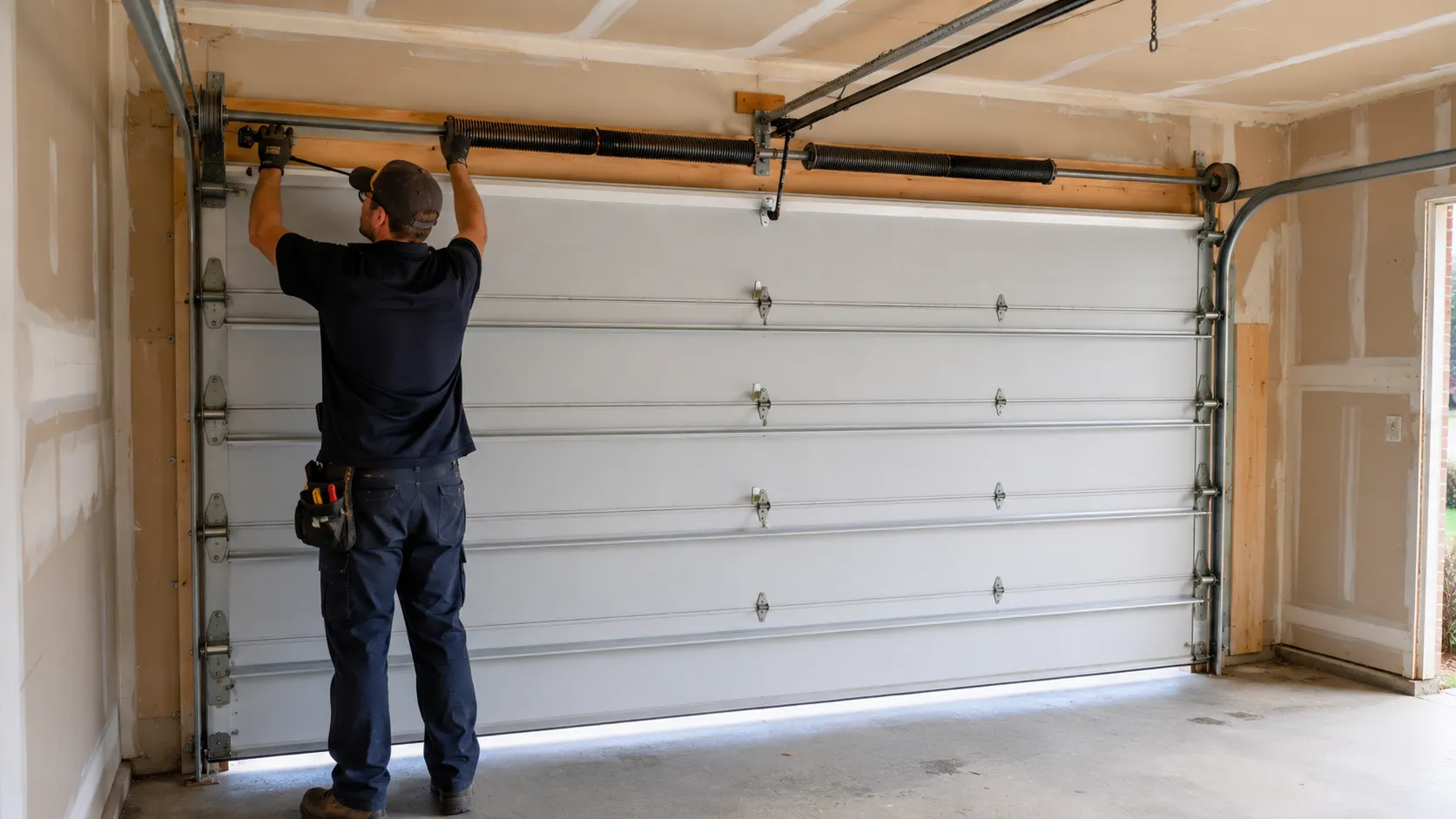
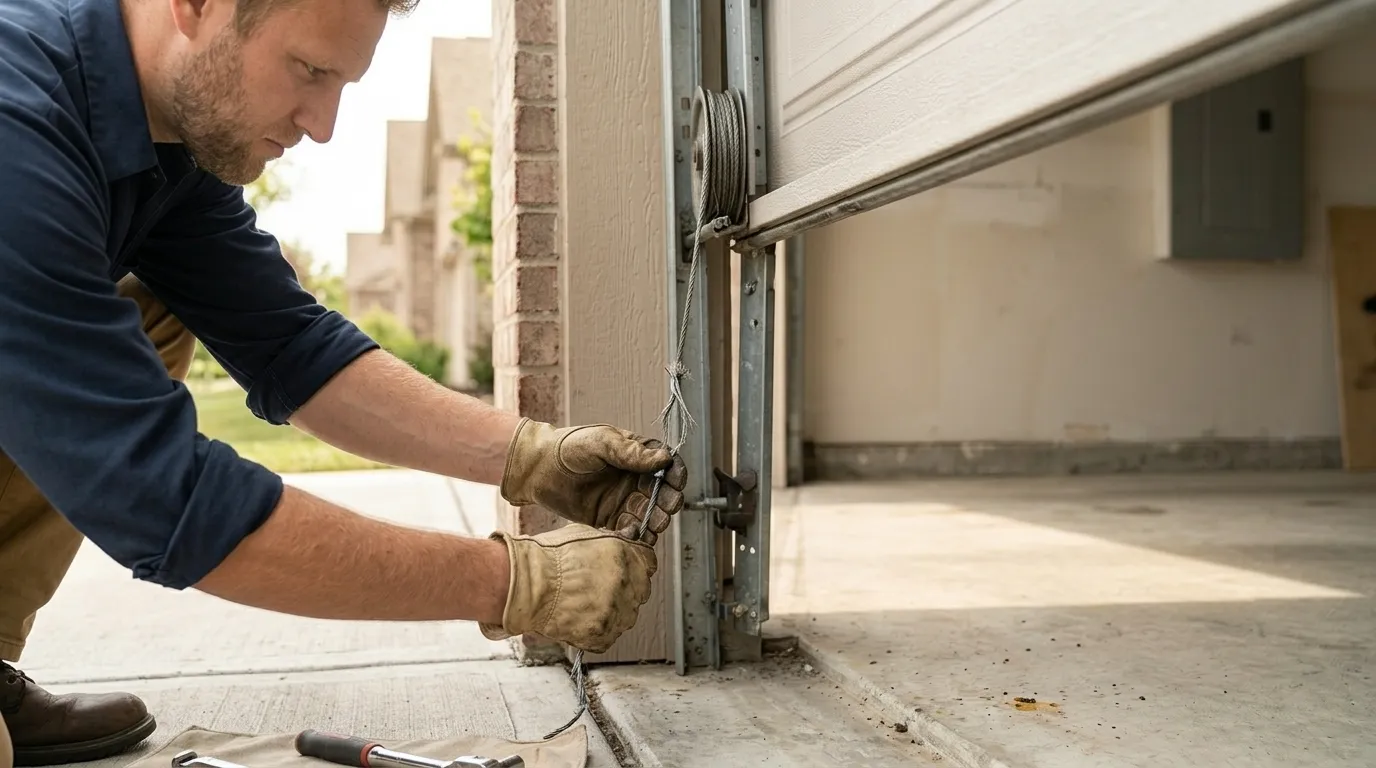
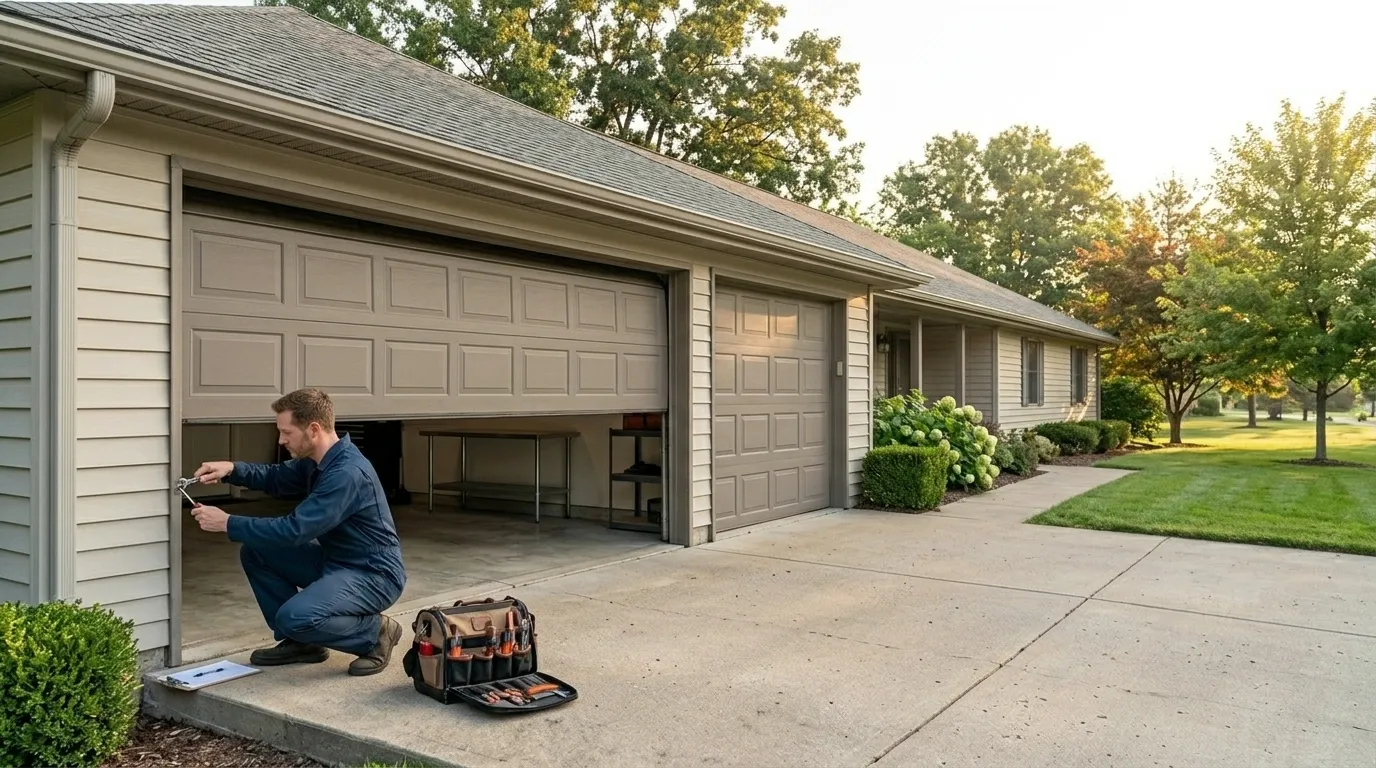
Before you assume the opener itself is dead, pull the emergency release cord and see if the door moves smoothly by hand. If it's heavy or binds partway, the problem is likely the springs or track, not the opener or the power. Houses in this area went up mostly between 1958 and 2010, with the bulk of the stock dating to the 1980s and 90s, which means most openers here are on their second or third replacement cycle already. Check the wall switch for a lit indicator - if it's dark, the outlet or breaker is the first thing to look at, not the motor unit. If your opener has a battery backup, listen for a chirp or beep pattern after a power cut; most units use that to signal they're running on battery. Look at the photo-eye sensors near the floor on each side of the track. A power interruption can knock them out of alignment just enough that the door won't close on remote or wall switch, even once power is back. Wipe the lenses and make sure nothing blocks the beam between them. None of this requires tools beyond a step stool and a flashlight, and it tells you in five minutes whether you're dealing with a wiring issue, a sensor issue, or something mechanical that a call won't fix by phone.
What the Weather Here Does to It
Brighton sits in a cold, severe climate band, and that matters more for openers than most owners expect. Circuit boards and battery backups don't like hard cold - a battery that reads fine in July can drop to half its rated capacity on a January night, right when a grid outage is most likely to happen. Lubricant inside the drive mechanism thickens in low temperatures too, which makes the motor work harder to move a door that's already stiff from cold-shrunk weatherstripping. With 52,989 owner-occupied houses across this service area, a lot of garages here still run openers installed before battery backup was standard, so a winter power cut just stops the door where it sits. That's a problem if the garage is your main entry, less so if you've got a side door you use anyway. The other pattern worth knowing: repeated cold-to-warm cycling through a Brighton winter stresses solder joints and connectors on the opener's control board faster than a mild climate would. It doesn't kill boards outright, but it shortens how long a marginal one keeps working before it fails on the coldest morning of the year, not the mildest.
What Is Going On
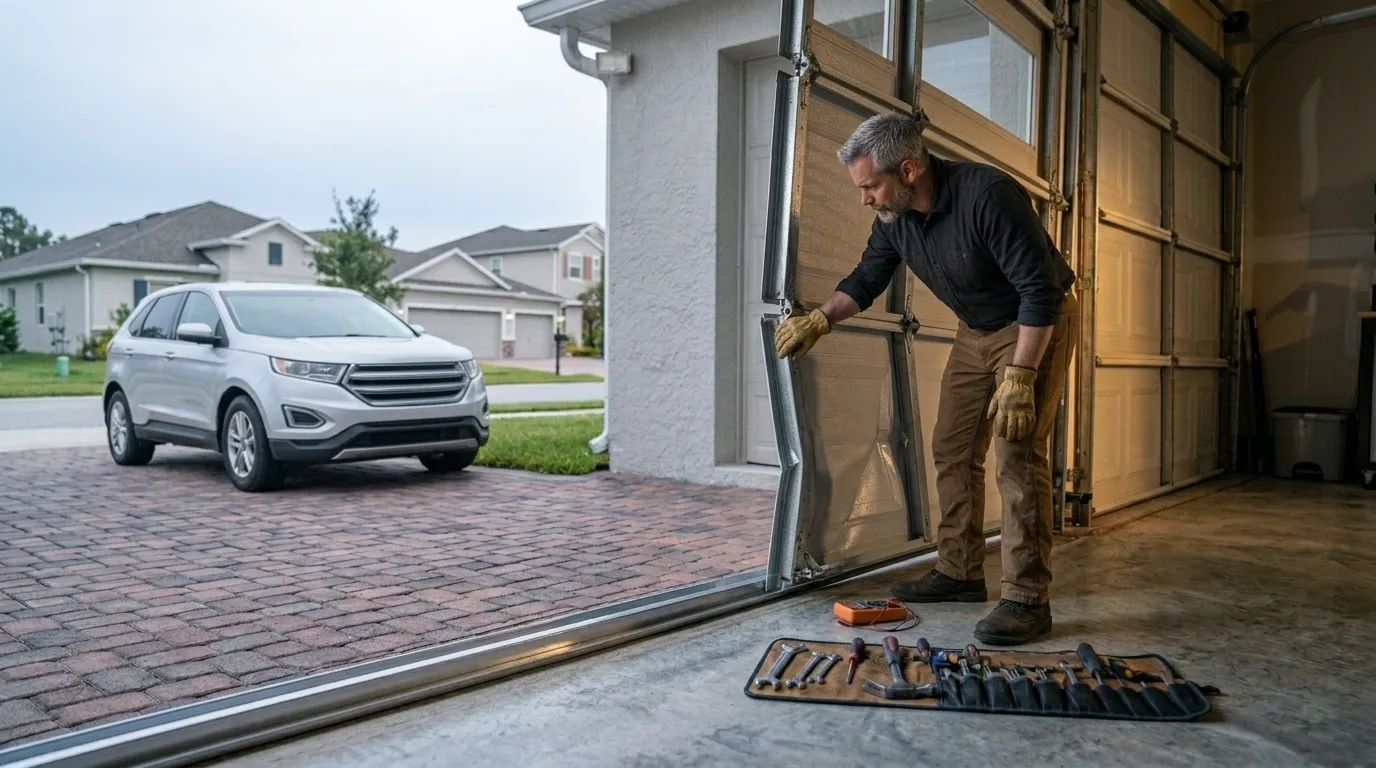
Most opener trouble that shows up right after a power cut traces back to one of three things: a battery backup that's too weak to hold the door's memory, sensors that got jostled or iced during the outage, or a control board that was already near the end of its life and the power blip finished it off. Out toward Todd Creek and Lochbuie, homes built in that same 1958-2010 window often sit on longer feeder lines, so a power cut hits the opener's memory and safety sensors first, before you'd notice anything else in the house. Fort Lupton and Dacono see similar patterns given comparable housing ages. If your door won't respond to anything - remote, wall switch, nothing - after power comes back, that's usually a tripped breaker or a bad connection at the outlet, not the opener itself. If it responds but won't complete a full cycle, that's the sensors or the board. Knowing which of the three you're looking at before you call saves a diagnostic visit, and it's usually obvious once you've checked the wall switch, the sensors, and the battery indicator in that order.