24/7 Emergency Service Open 7 days · 7am–8pm Serving Brighton, CO & nearby
(720) 738-8112
Brighton, CO

What Actually Wears Out a Brighton Garage Door

A plain look at what actually wears out a garage door in Brighton, CO, tied to this area's 1980s-90s housing stock and its cold, severe winters.

What Actually Wears Out a Brighton Garage Door

Checking It Yourself

Most houses around here went up between 1958 and 2010, with the thickest run landing in the 1980s and 90s. That matters because a door on a house from that era is running on hardware nobody upgraded - original torsion springs, an opener from the same decade as the house, and rollers that have never been swapped.

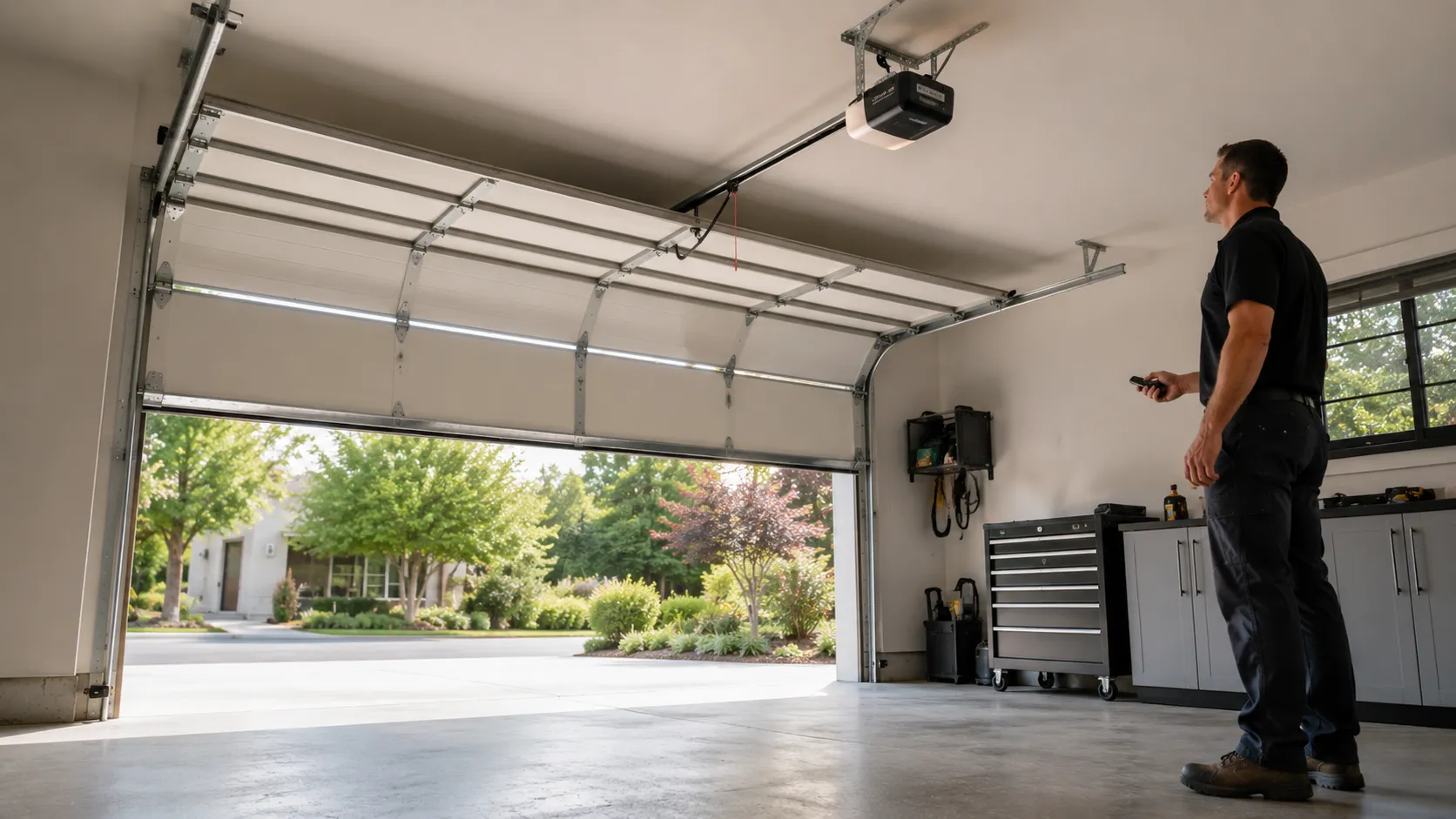
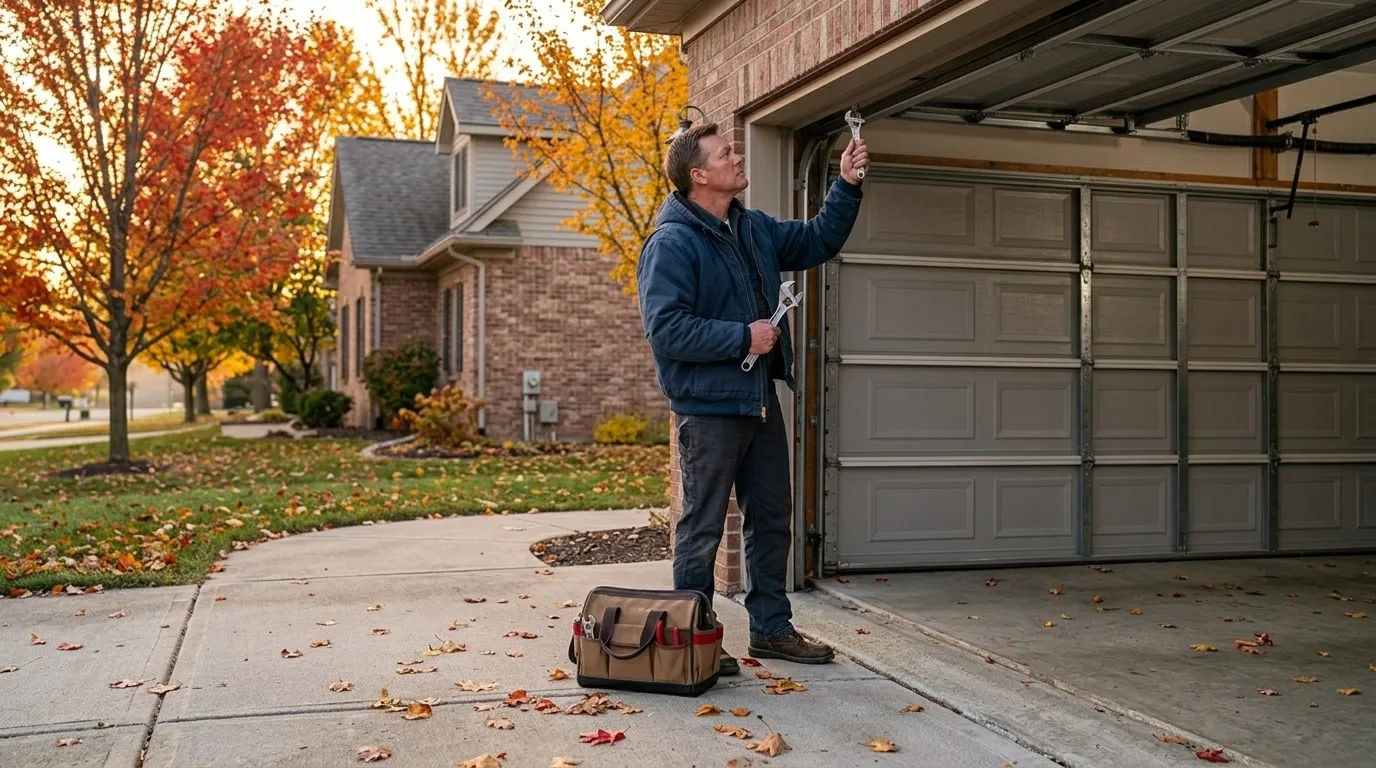
Start with the balance test: pull the release cord, lift the door by hand to waist height, and let go. If it drops, the spring is losing tension and won't be far behind full failure. Next, look at the cables on either side of the bottom bracket - fraying strands mean the cable is close to snapping under load, usually on the coldest morning of the year.

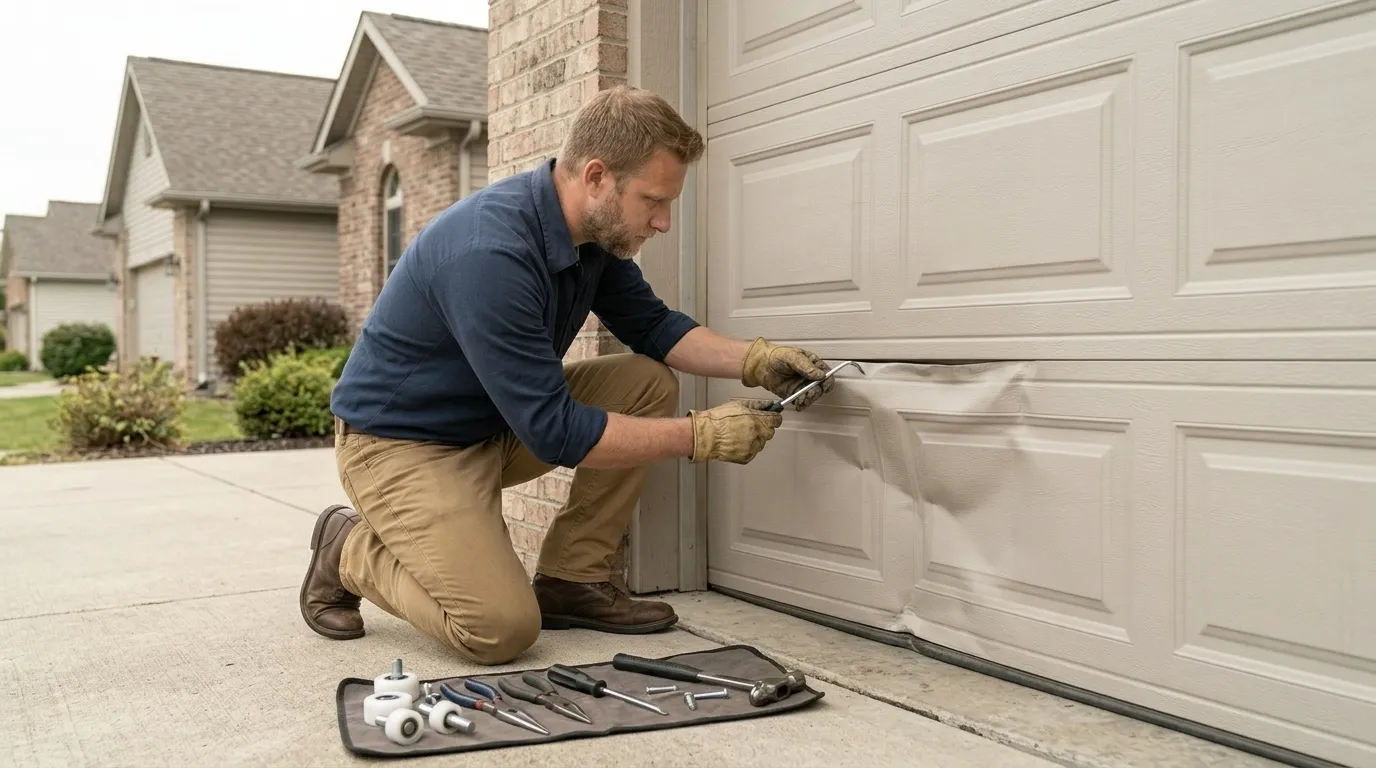
Check the weatherstrip along the bottom and sides too. On a door installed anywhere near that 1991 median build year, the vinyl has usually gone stiff and cracked, and you can see daylight around the edges. None of this requires tools beyond a flashlight and five minutes, but a spring under tension is not something to adjust yourself - that part goes in the next section.

What the Weather Here Does to It

Brighton sits in a climate band that federal data flags as cold, severe - real winter, not the mild version some places downstream get. That means big swings between a sunny 50-degree afternoon and a single-digit night, and steel doesn't like that whiplash. Torsion springs lose tensile strength faster when they're cycling through freeze-thaw stress every week instead of every month.

The more visible sign is weather seals and draughts. Rubber bottom seals harden in cold and shrink just enough to leave gaps at the corners, and that's where cold air and blown snow get into the garage. If the garage shares a wall with living space, that draught shows up as a cold spot in the room next door, not just a cold garage.

Metal tracks also contract in deep cold, which can throw alignment off by a fraction of an inch - usually enough to make a door bind or grind on its way down. It's not damage yet, but ignored through a few winters it becomes worn rollers and a track that needs resetting.

Leaving It Alone

Here's the honest part: not every noise needs a truck out. A door that groans once in cold weather and then runs fine the rest of the day is usually just stiff grease, not a failing part. Spraying a light lithium grease on the tracks and hinges once a season handles most of that, and it costs less than a service call.

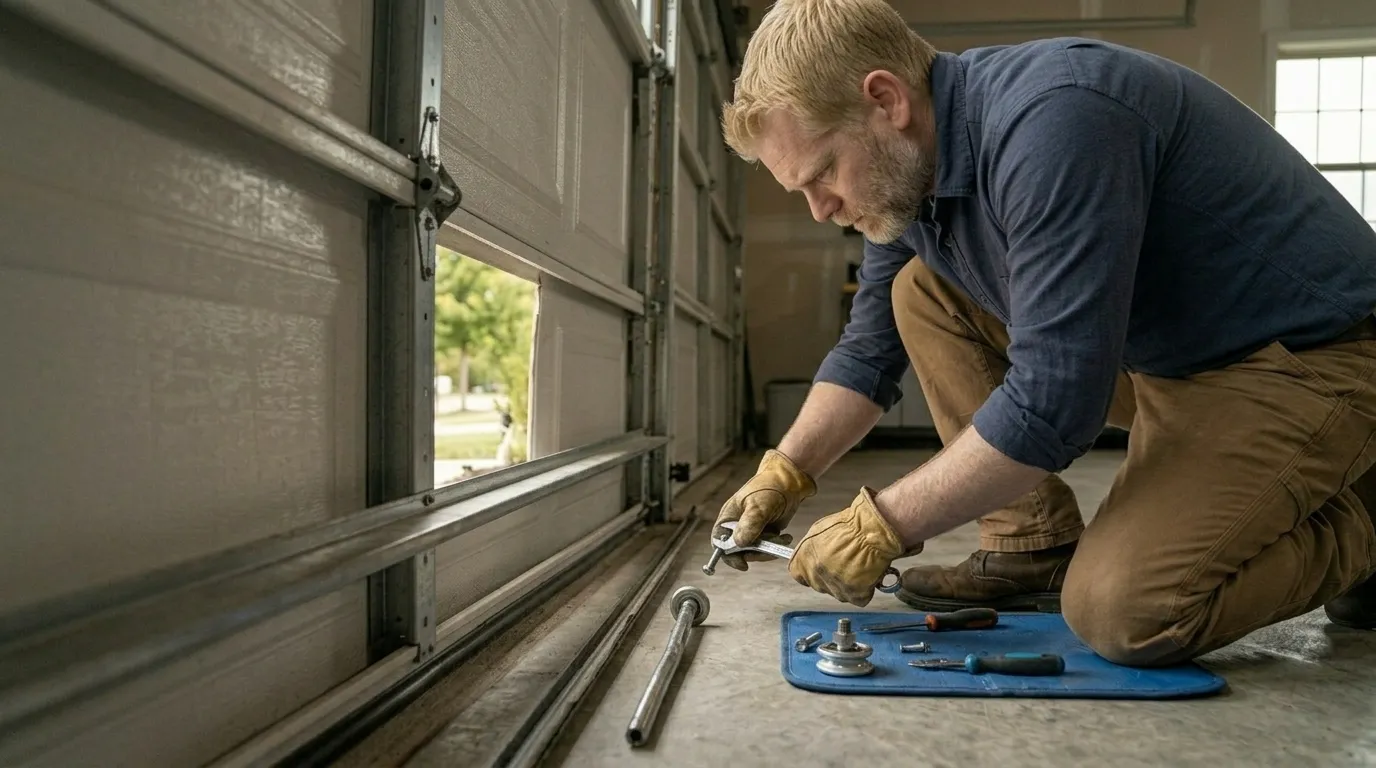
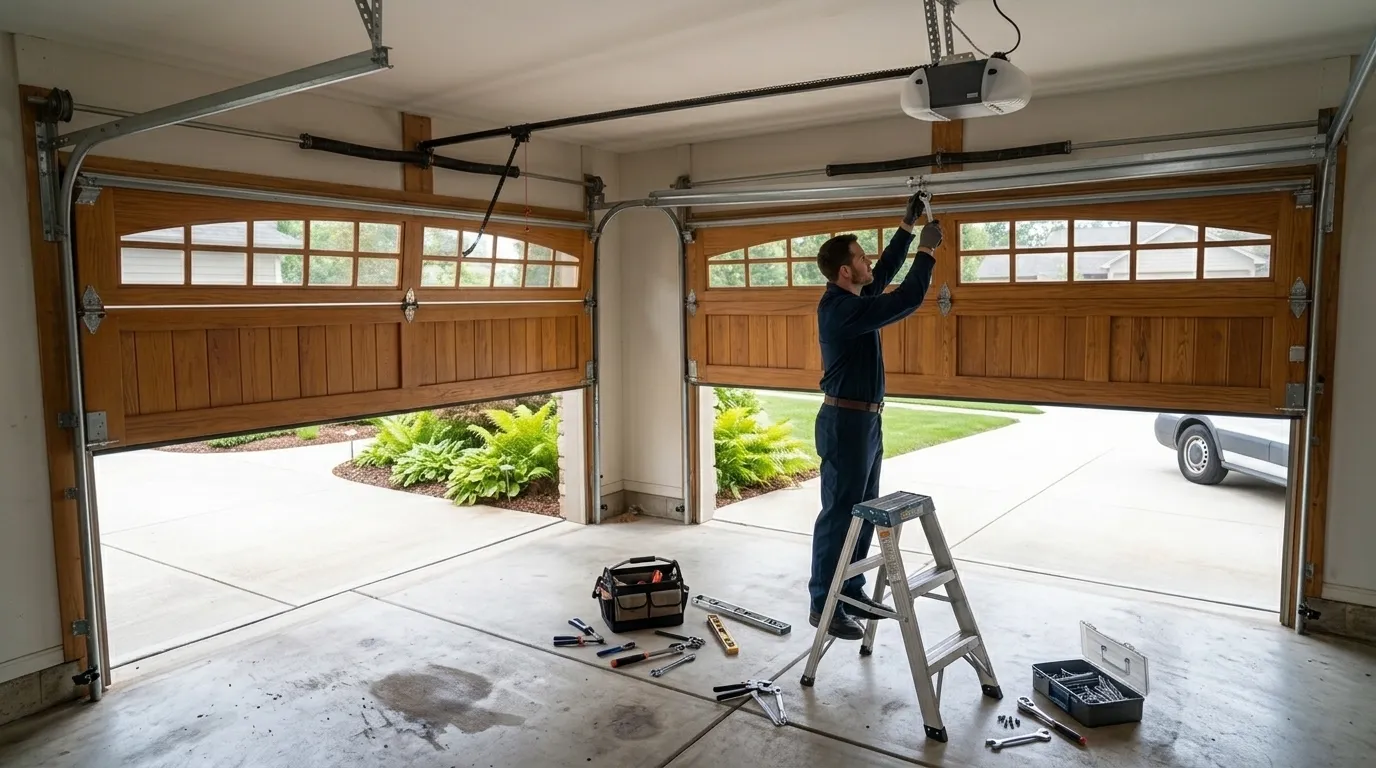
What you shouldn't leave alone is a spring that's visibly stretched, gapped, or has a shiny worn spot where the coils rub - that's tension building toward a snap, and a snapped torsion spring under load can put someone in the hospital. Same with a cable that's fraying near the drum.

One limitation worth saying plainly: if a door is original to a house built in that 1958-1991 window and the opener has never been replaced, we're not going to keep patching individual parts forever. At some point the labor to keep an old opener limping through another Brighton winter costs more than a new one, and we'll tell you when you've hit that point instead of billing you toward it.

What Is Going On

Across the service area's roughly 105,422 households, more than half - 52,989 - own the house they're in, and the median build year of 1991 means a lot of that housing stock is now over thirty years old on its original garage hardware. That's not a coincidence behind why spring failures cluster the way they do here: parts installed in the 80s and 90s are simply reaching end of life at the same time, house by house, block by block.

With median household income around $87,623 in the area, replacing a spring or an aging opener is within reach for most owners here, but that number doesn't buy back a spring you ignored until it snapped on a cold morning with the car trapped inside. The pattern we see is less about bad luck and more about timing - a door that's been fine for twenty winters doesn't give much warning before the twenty-first one breaks it.
How it works

From “it’s stuck” to “it’s fixed”

A quick, honest process - no guesswork and no surprises, start to finish.

  1. 1
    Tell us what’s wrong - Brighton garage door service

    Tell us what’s wrong

    Describe the symptom - won’t open, loud bang, opener runs but the door won’t move.

  2. 2
    On-site diagnosis - Brighton garage door service

    On-site diagnosis

    A technician tests the door under power and by hand and finds what actually failed.

  3. 3
    Clear, up-front plan - Brighton garage door service

    Clear, up-front plan

    You get the fix that’s needed and what drives the cost - before any work starts.

  4. 4
    Repaired & tested - Brighton garage door service

    Repaired & tested

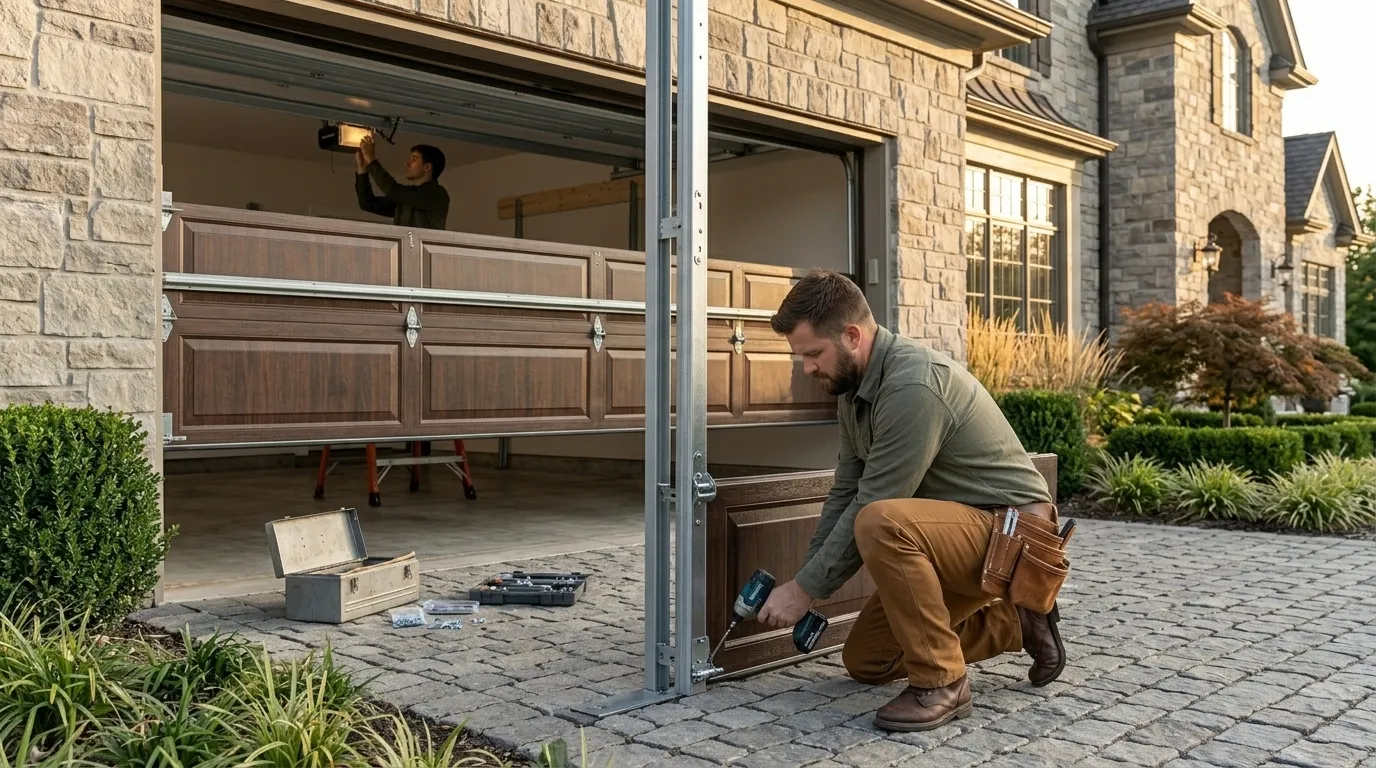
    The repair is done, the door is set true and tested, and the work area left clean.

Serving Brighton, CO - tell us what your door’s doing and we’ll take it from there.

How we work

What to expect

Diagnosis firstEvery visit starts by finding what actually failed - not a pre-written parts list.
The right part for the doorSprings and openers matched to the door’s weight and age, so the fix holds up.
Straight answersWhen a repair makes more sense than a replacement - or the reverse - you hear it plainly.
Clean, careful workTension released safely, hardware set true, the door tested under power before we leave.
Questions

Frequently asked

Straight answers about garage door repair in Brighton. Still unsure? Ask us directly.

How often should I service a garage door in Brighton?

Once a year, ideally before the first hard freeze. Given the cold-severe winters here, a fall check of the springs, cables, and weatherstrip catches most problems before deep cold makes them worse. Lubricate tracks and hinges at the same time.

Why does my door bind only in winter?

Metal tracks contract slightly in cold temperatures, which can throw alignment off by a small fraction of an inch. That's usually enough to make a door bind or grind on its way down until temperatures warm back up, though repeated winters of this will eventually wear the rollers.

Is my original garage door opener too old to keep repairing?

If your house was built in the 1958-1991 range typical for this area and the opener has never been replaced, it's likely near or past its useful life. We'll tell you honestly when patching it costs more over time than replacing it, rather than stringing along repairs.

What's causing cold air to leak into my garage?

Usually it's hardened weather seals and draughts around the bottom and side edges of the door. Cold-band winters make vinyl seals stiff and shrink them slightly, leaving gaps. Replacing the seal is a low-cost fix compared to the heat loss it causes over a winter.

Ready to get your garage door sorted?

Tell us what it’s doing and where you are in Brighton - we’ll take it from there.

Request a QuoteCall