Common Jobs Here
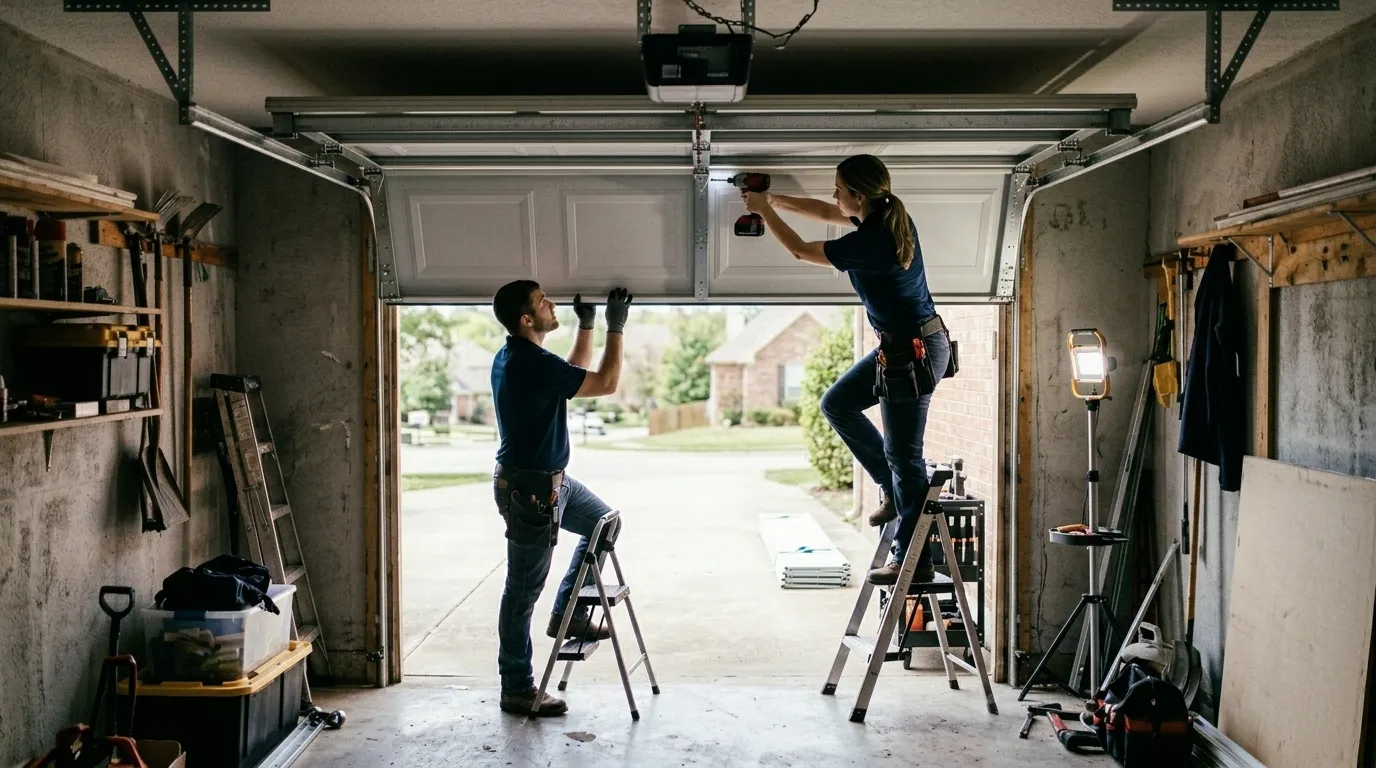
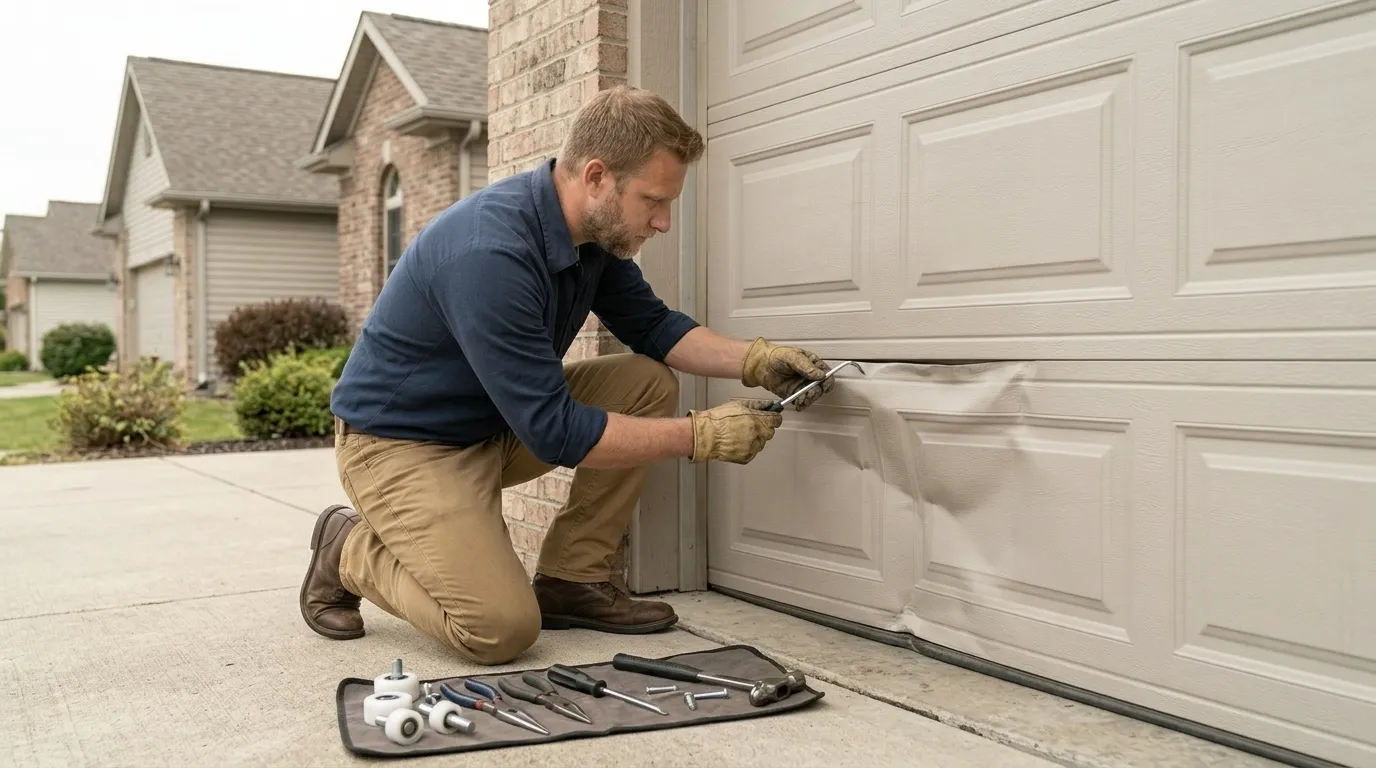
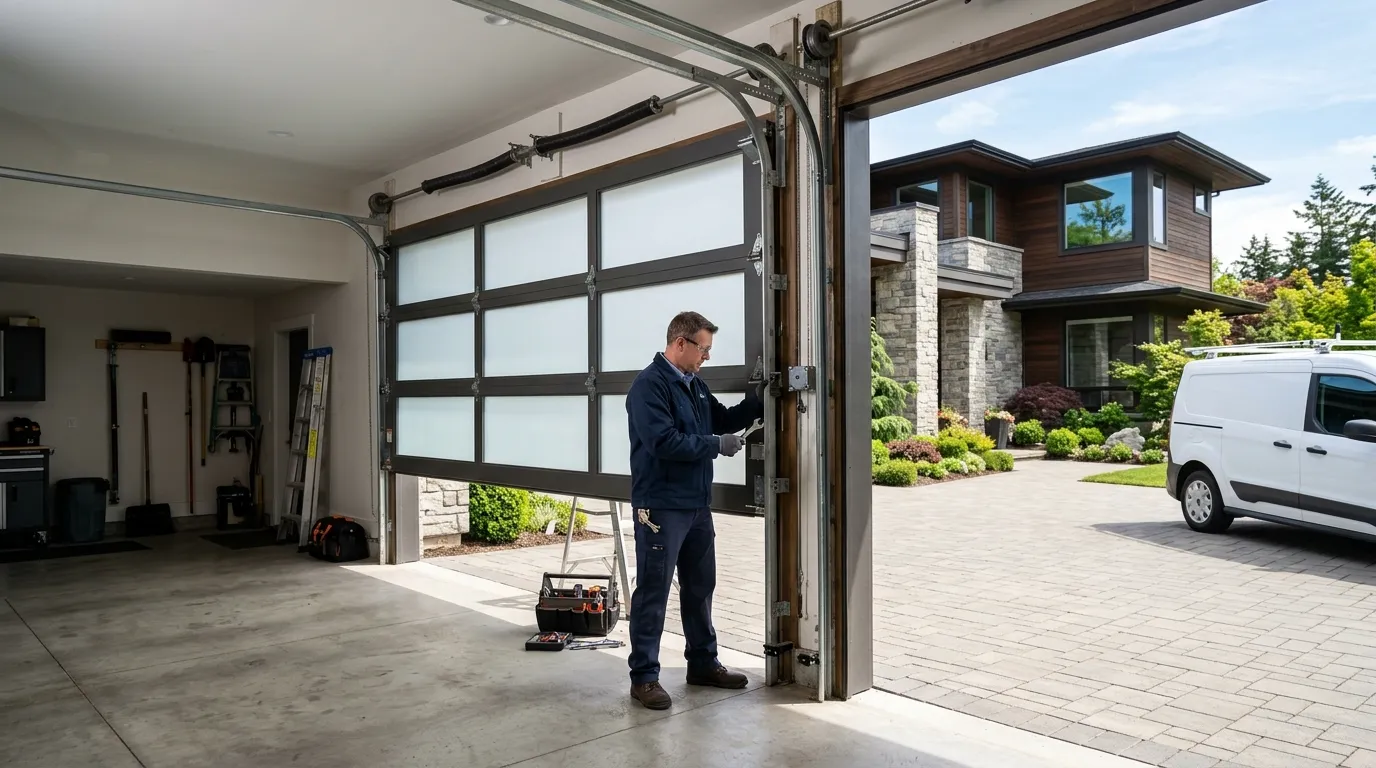
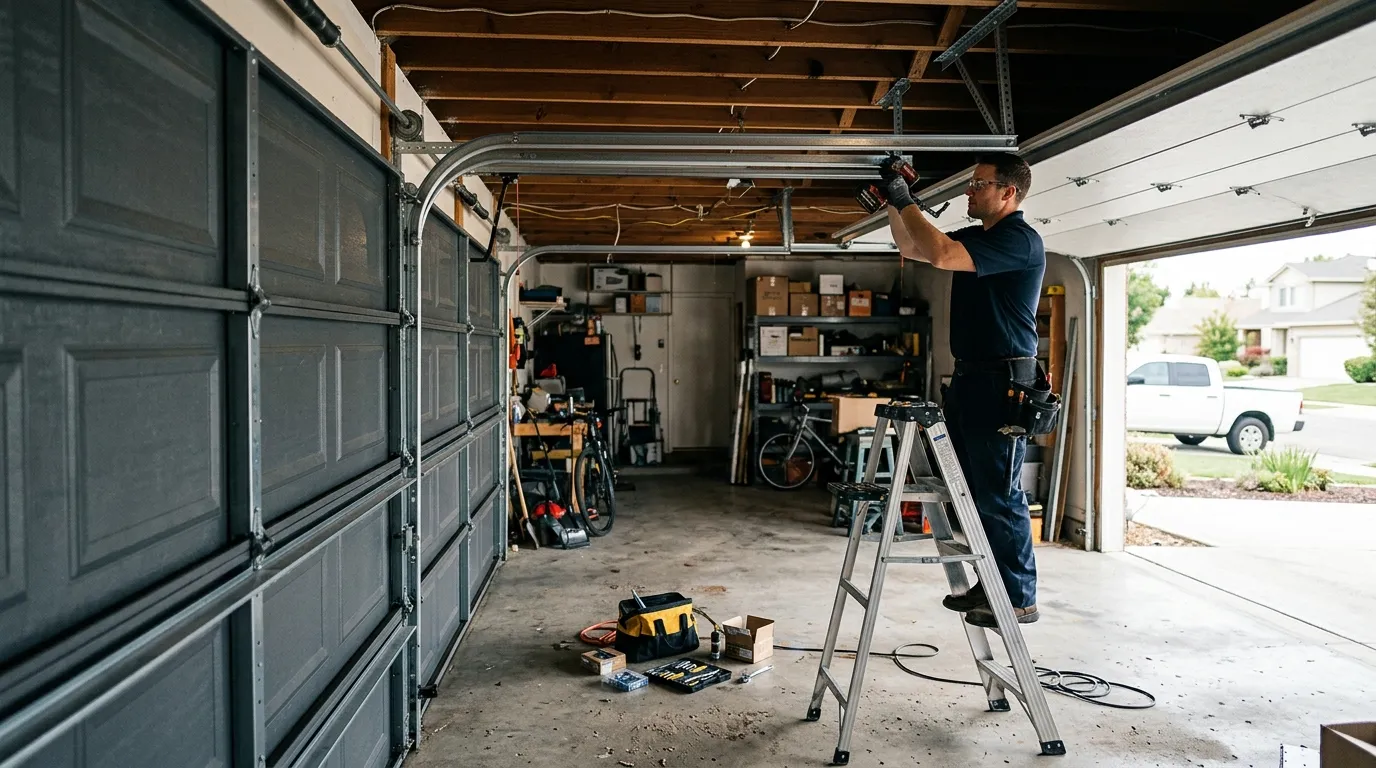
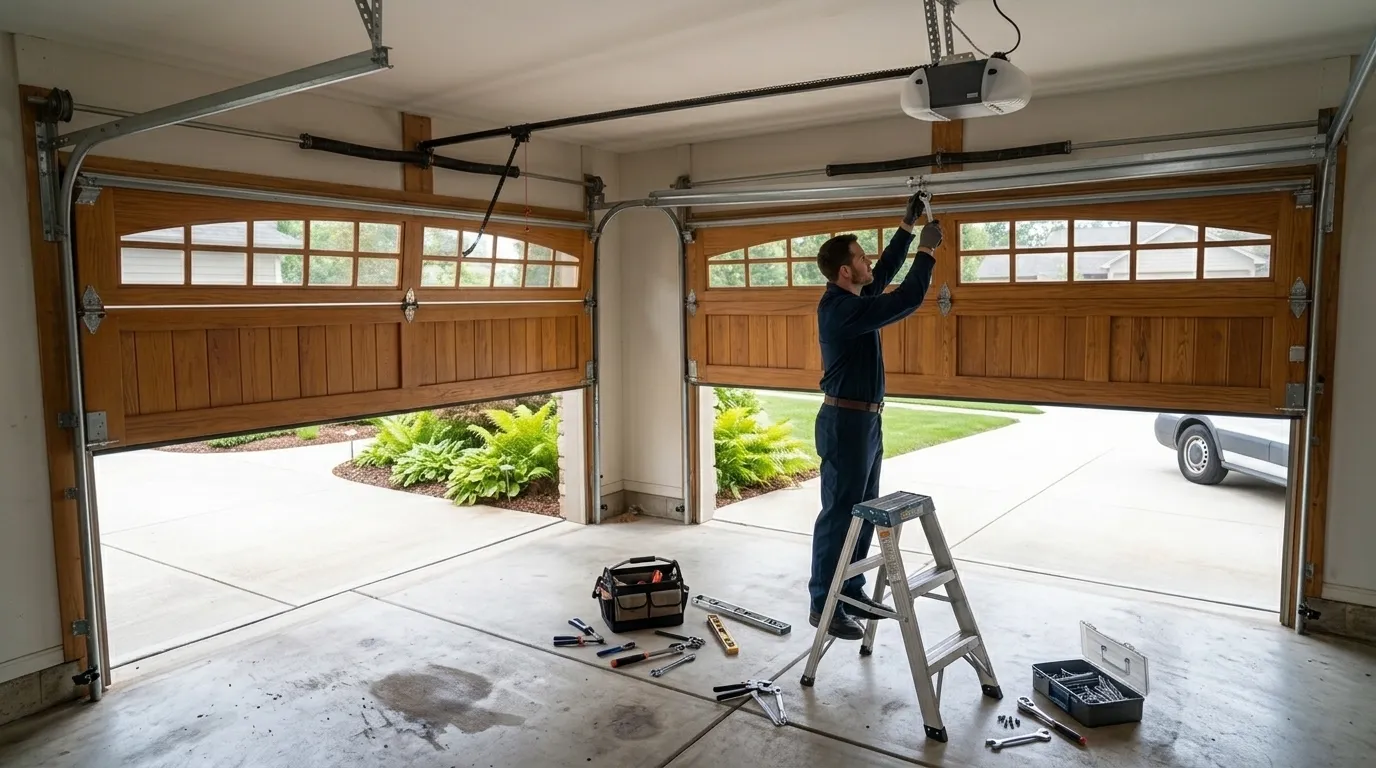
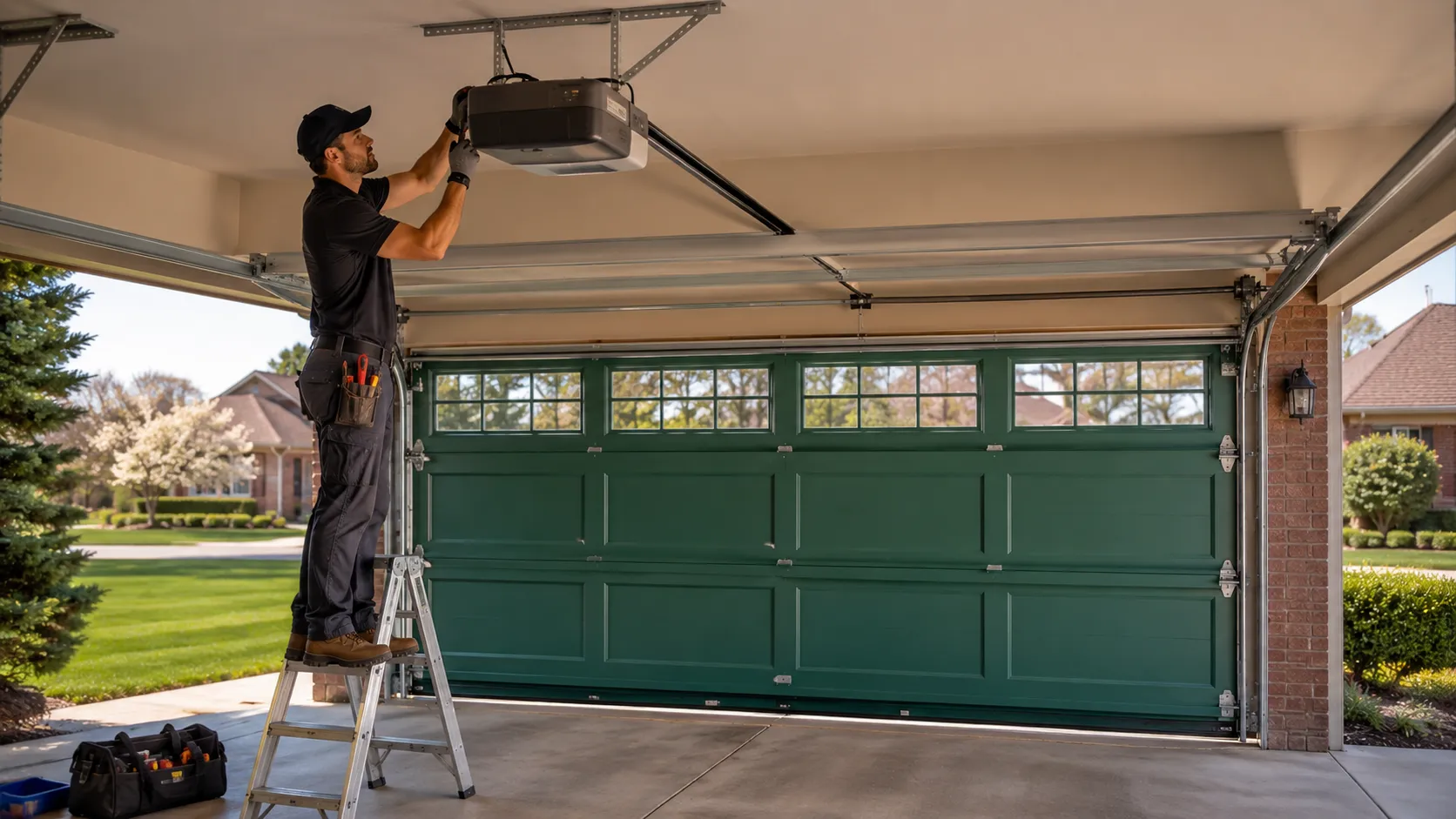
We drive out to Aristocrat Ranchettes from Brighton, about 10 miles, and what we find in the truck bay is usually mid-1990s hardware, not the older gear you'd pull out of Brighton's original core. The area's median year built sits around 1997, so a lot of these garages still have their first opener - a chain-drive unit with a logic board that's now pushing 25-plus years. That's past the point where we'd recommend repairing a dead board versus swapping the unit outright. Springs are the other steady call: torsion springs rated for a standard steel double door from that era are usually on their second or third set by now, since a properly wound torsion spring runs about 7-10 years under regular cycling. We also see a fair number of rollers that were never upgraded from the original steel-on-steel setup, which is the loudest and first thing to wear on a door this age. None of this is exotic work. It's the kind of job list you'd expect from a neighborhood built in one tight window rather than pieced together over decades.
What People Here Ring About
The calls from this area cluster tighter than they do from older parts of Brighton. Homeowners here mostly ring about openers going quiet - no light, no hum, nothing - which almost always traces back to a board or capacitor that's simply run its life span for a unit installed when the house was built. The second most common call is a door that reverses on its own partway down, which on a late-90s door usually means the photo-eye sensors have drifted out of alignment or a cable has started to fray on one side. We get fewer spring emergencies here than in older housing, since most of these doors haven't been through as many spring replacement cycles yet, but the ones that do come in tend to be sudden and complete - the spring just lets go. We don't get many calls about wood rot at the jamb here, which is common in older housing stock; these garages were framed to a later code with better sealing at the door opening.
The Houses Here
Aristocrat Ranchettes runs around 622 households, smaller than most of the named areas Brighton Garage Door Pros covers, and the median household income here, about $87,604, tracks close to the wider service area's $87,623. That income level shows up in the calls: people here tend to replace a failing opener or door outright rather than patch it repeatedly, since the cost difference isn't the deciding factor it can be elsewhere. Housing built around 1997 also means most garages were designed for a single full-size vehicle or two, with standard 16-foot double doors or matched 8-foot singles - not the mismatched additions and converted carports you sometimes find in housing stock from the 1958-2010 span across the broader area. It's a more uniform garage door landscape than you'd find closer to Brighton's older core, which makes diagnosing a problem here more predictable, if not always cheaper.