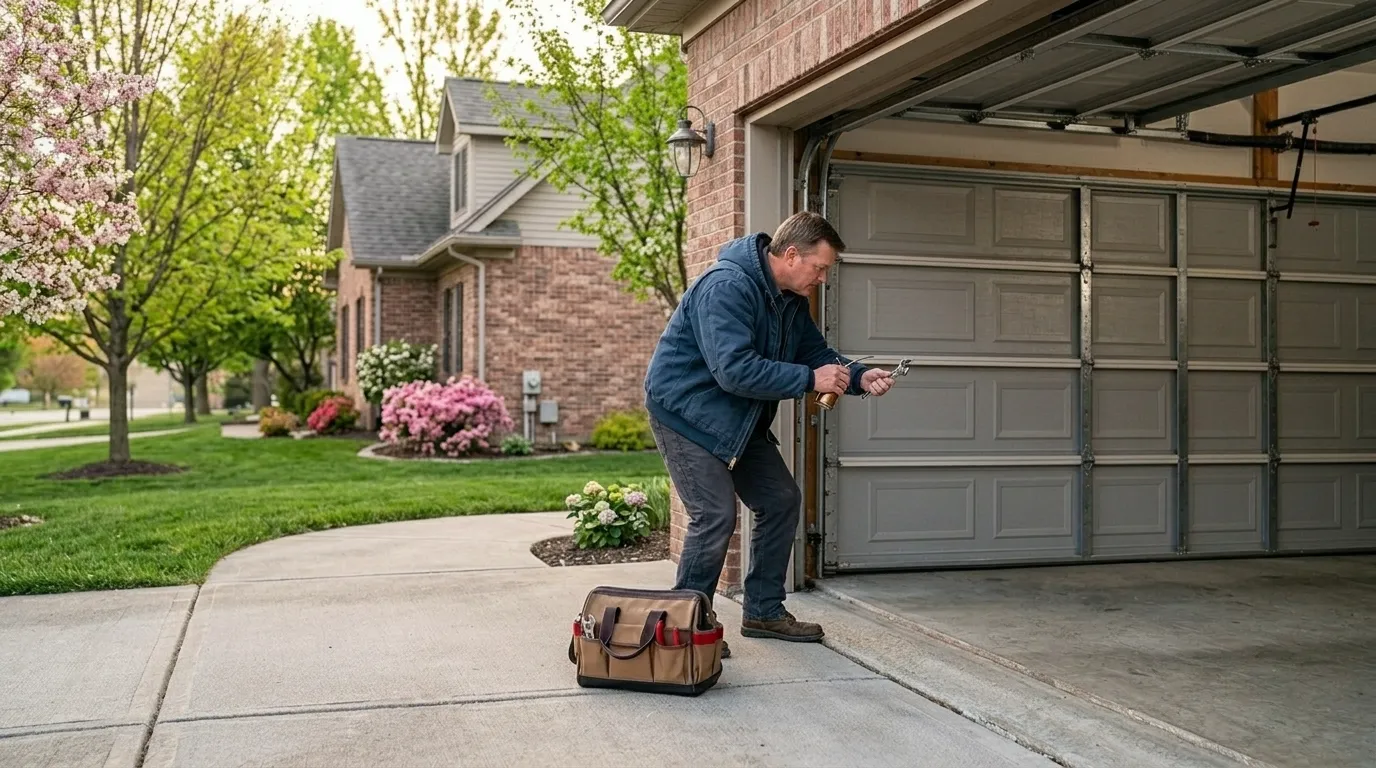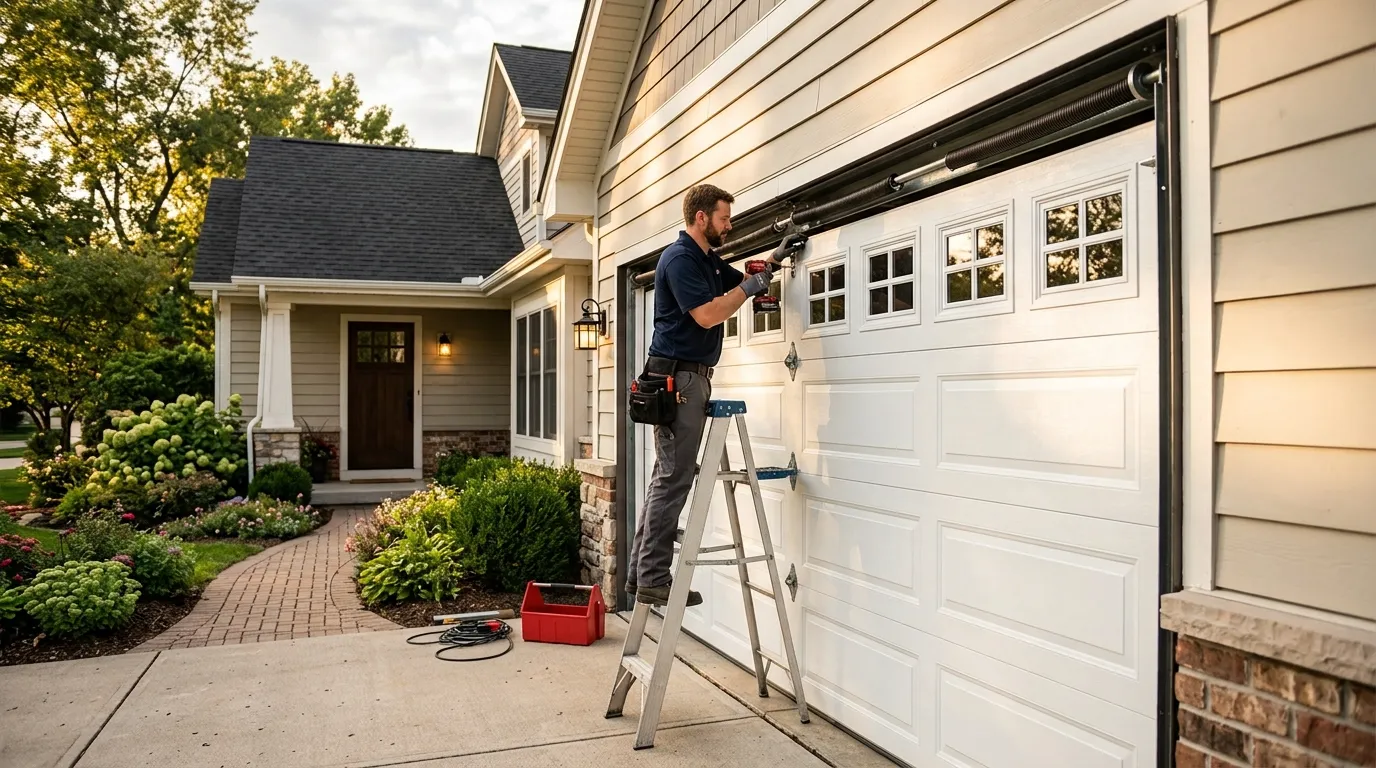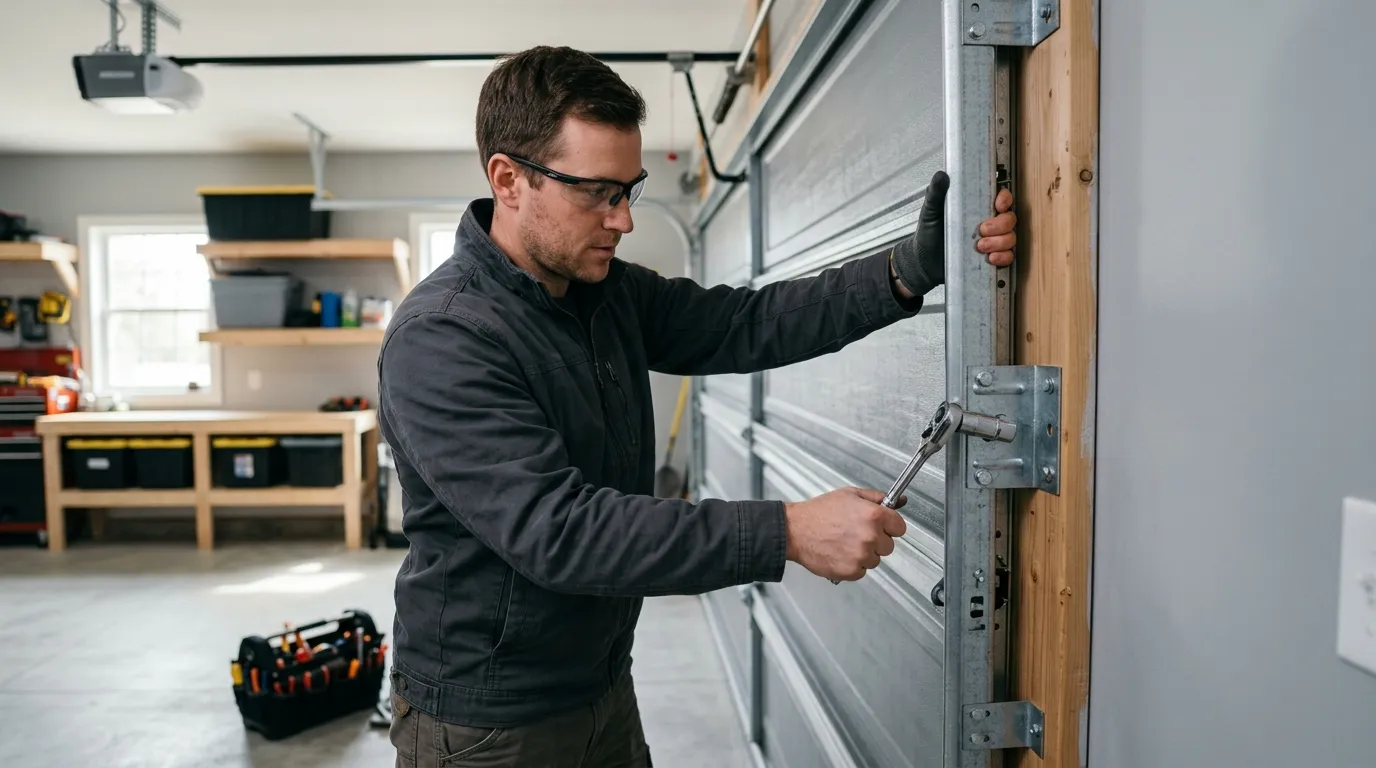
What You Pay
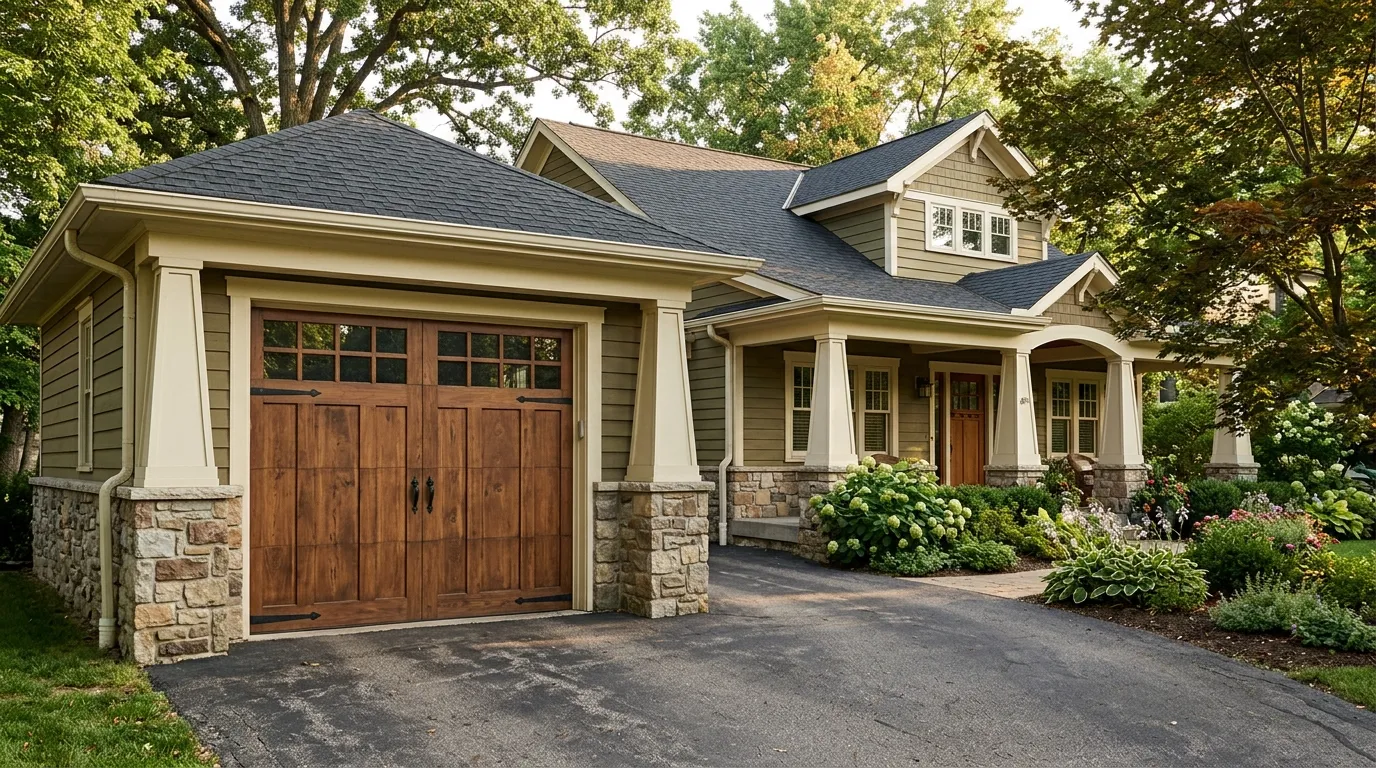
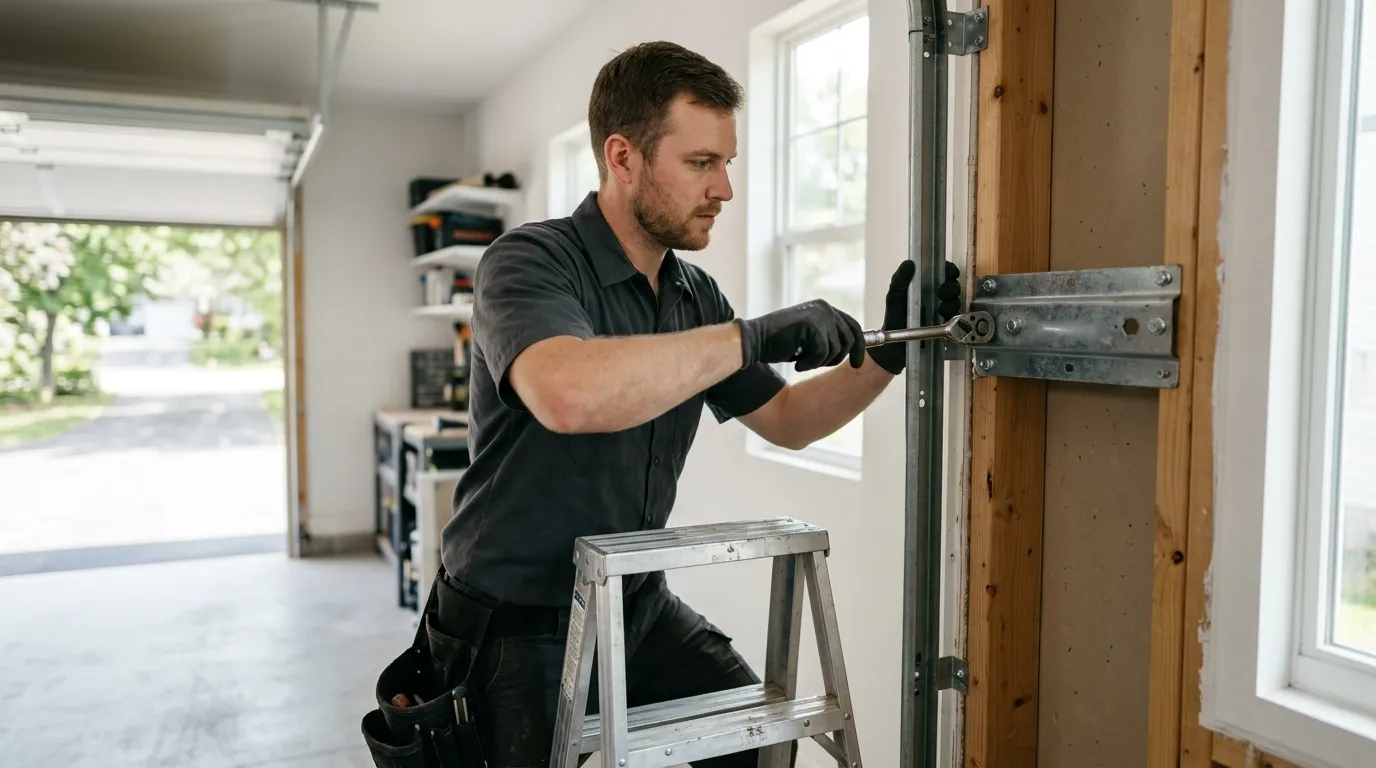
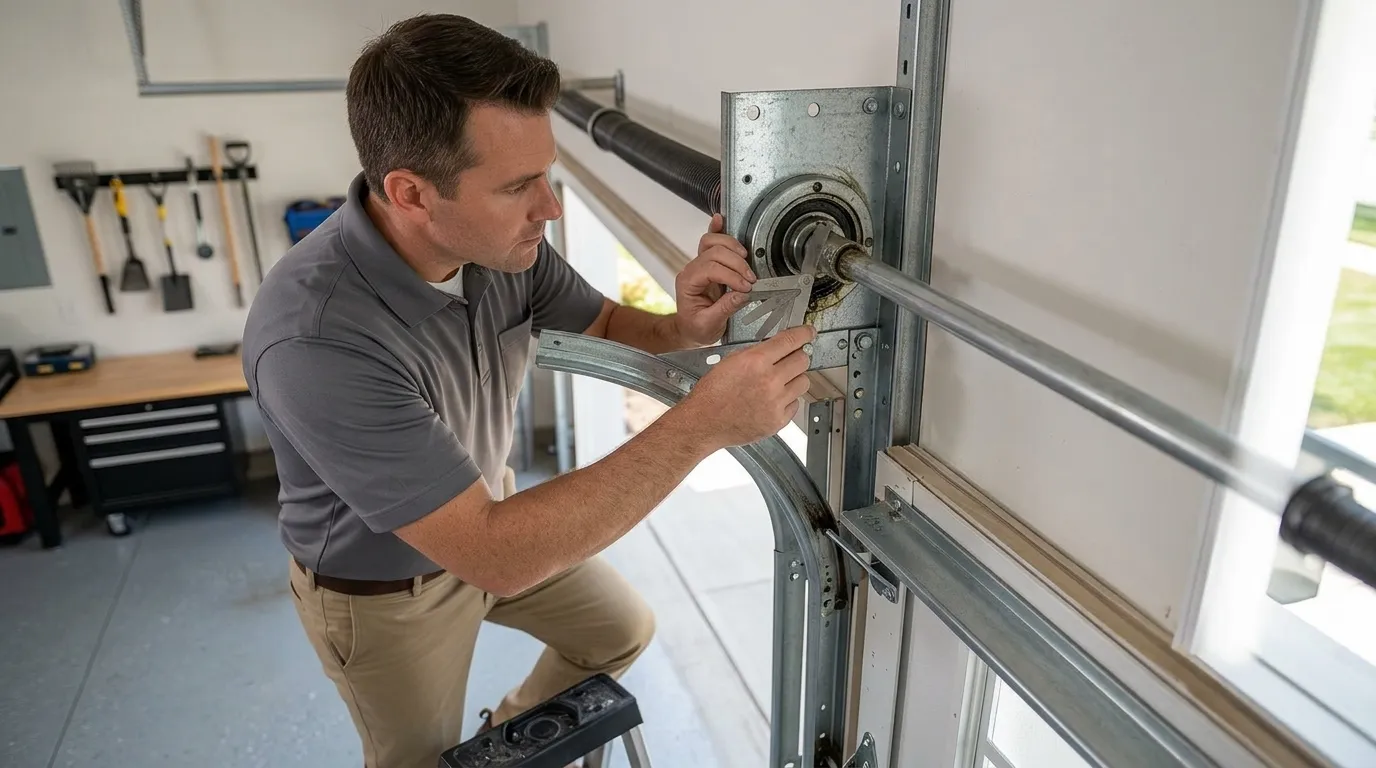
We don't post a flat number here because the honest answer is 'it depends on what's on the door.' A broken torsion spring on a double door built to 1980s or 90s spec is a different job than swapping worn rollers on a door from the 2000s, and Brighton has both. What we can tell you: the biggest cost swing is spring size and drum type, not the brand of opener bolted to the ceiling. Houses in this service area went up mostly between 1958 and 2010, with the heaviest run in the 80s and 90s, so a lot of the springs we replace are legacy sizes that don't match what's stocked on a standard truck run - that adds a trip, not a markup. We won't quote a price over the phone without knowing the door's age and spring type, because guessing gets it wrong in both directions. If a tech tells you a number before looking at the hardware, ask him to look at the hardware. The one thing we won't do is sell you a full door replacement when a spring and a set of rollers will get you another decade - we'll tell you when replacement actually makes more sense than repair, and that's usually about the opener motor, not the door itself.
Where This Job Goes Sideways
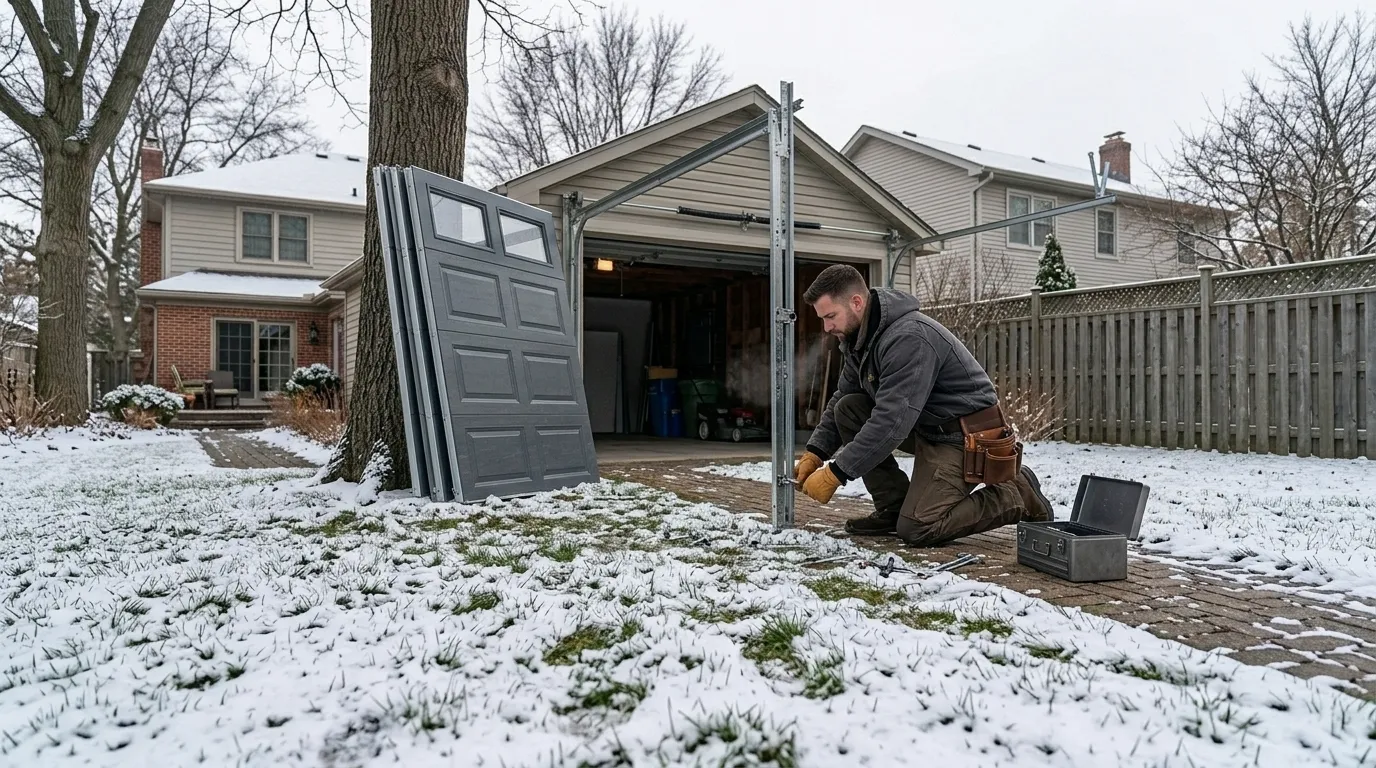
The most common misdiagnosis we see is a homeowner replacing an opener when the real problem is a spring that's lost enough tension that the opener motor is straining to lift a door it was never sized to lift alone. The opener looks like the failure because it's the part making noise. Another way this goes sideways: someone tightens or adjusts a track that's actually fine, when the real issue is a slab that's shifted slightly under a house built in the 80s or 90s, throwing the door out of square by a fraction of an inch that no amount of track adjustment fixes. And in a severe cold climate like this one, steel cable and spring fatigue from repeated cold-contraction cycles doesn't always show up as a dramatic snap - sometimes it's just a door that gets slower to open every week for a month before it finally lets go. Waiting through that slow decline usually means the cable or spring fails while the door's halfway up, which is the expensive way to find out.
The Symptom
The one we hear most from Brighton is: door works fine most of the year, then on the first genuinely cold morning it either won't open all the way, reverses partway up, or opens with a loud bang partway through the cycle. That's almost always a spring that's already fatigued sitting right at the edge of failure, and cold steel just tips it over. A door that's slow to close or hesitates before reversing near the bottom is usually a different problem - worn rollers or a track that's picked up debris, which is more of an annoyance than a safety issue, but it's worth fixing before it turns into a bent track. If your door makes a grinding sound specifically on cold mornings and quiets down once it's been up and down a few times, that's the opener's gears working against a spring that isn't pulling its full share of the door's weight - it's not the gears failing, it's what's asking them to do more than they should.