24/7 Emergency Service Open 7 days · 7am–8pm Serving Brighton, CO & nearby
(720) 738-8112
Brighton, CO

What Happens When a Spring Goes in Cold Weather Here in Brighton

Brighton homes built between 1958 and 2010 face a cold, severe winter climate that stresses garage door springs. Here's what to check, what to leave alone, and why.

What Happens When a Spring Goes in Cold Weather Here in Brighton

Checking It Yourself

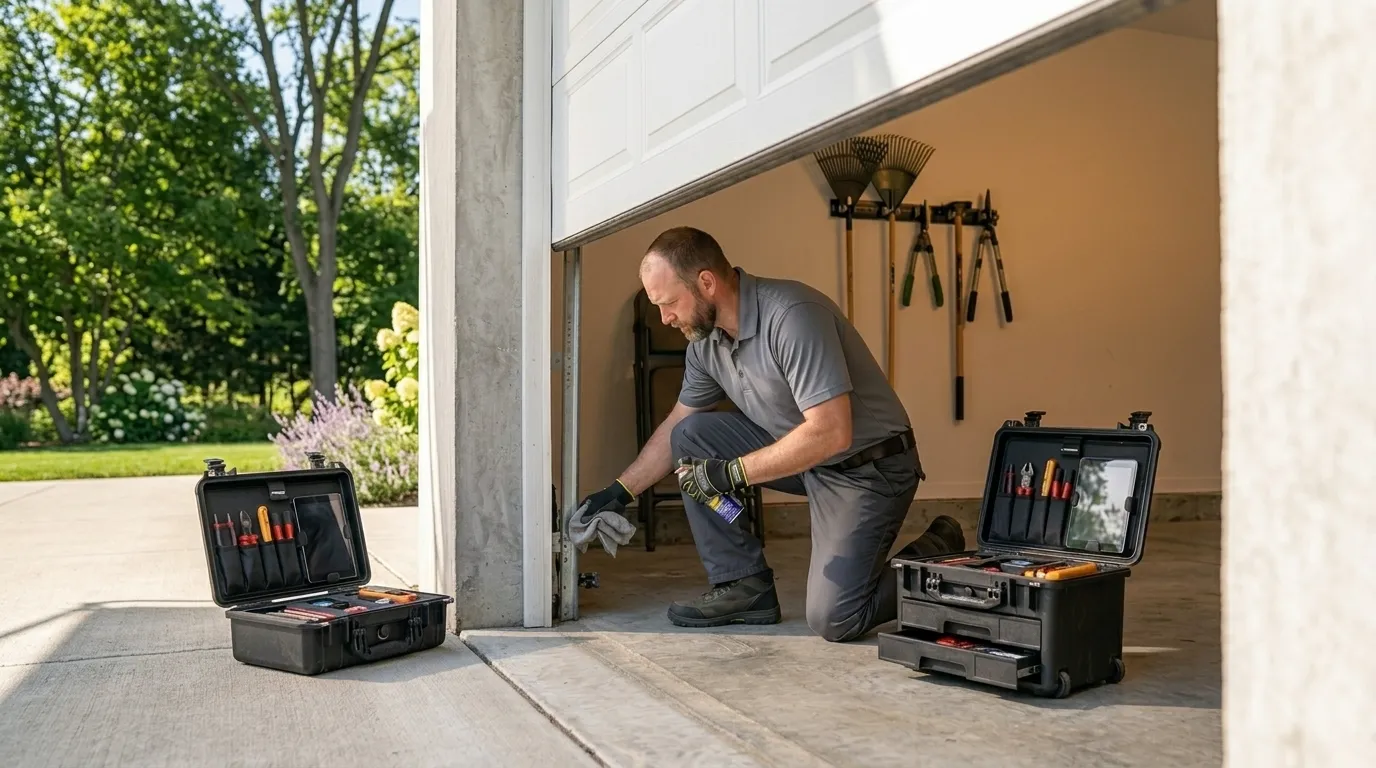
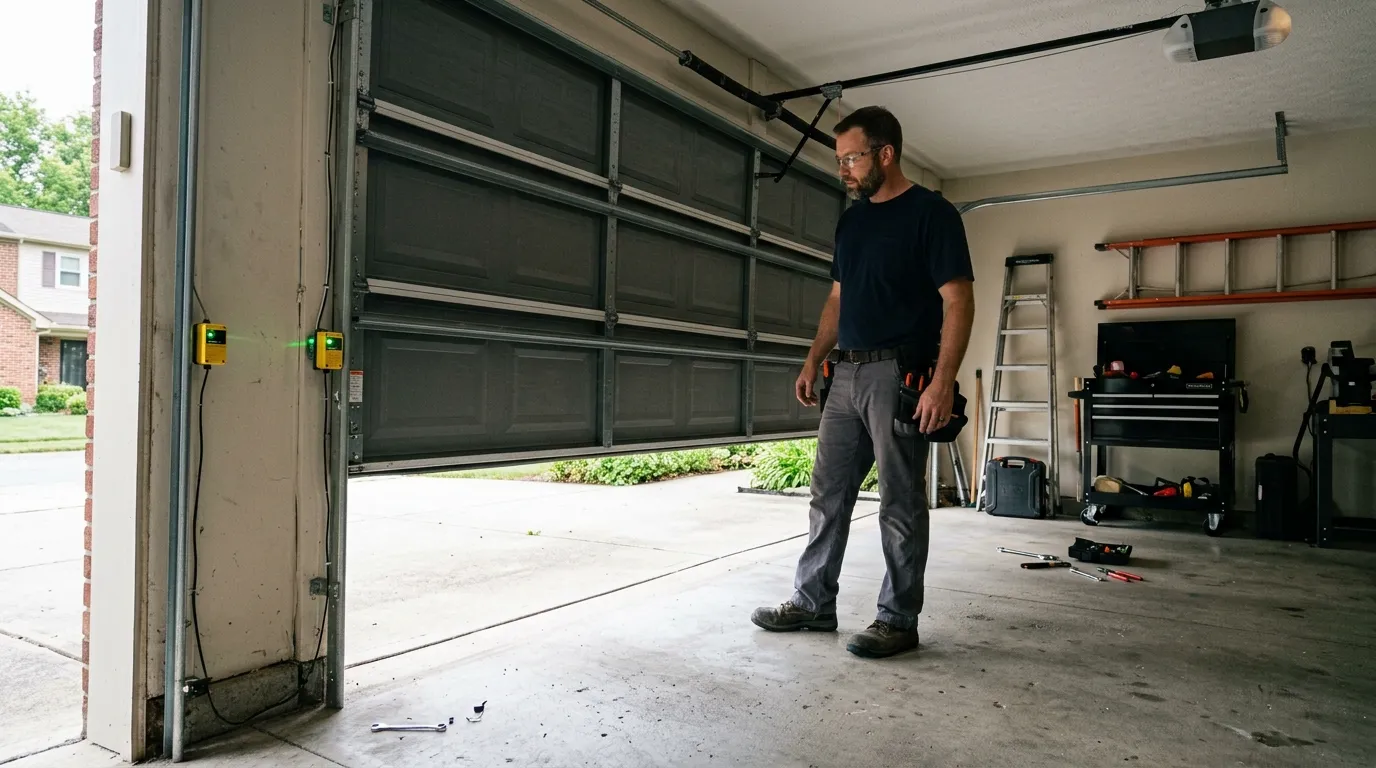
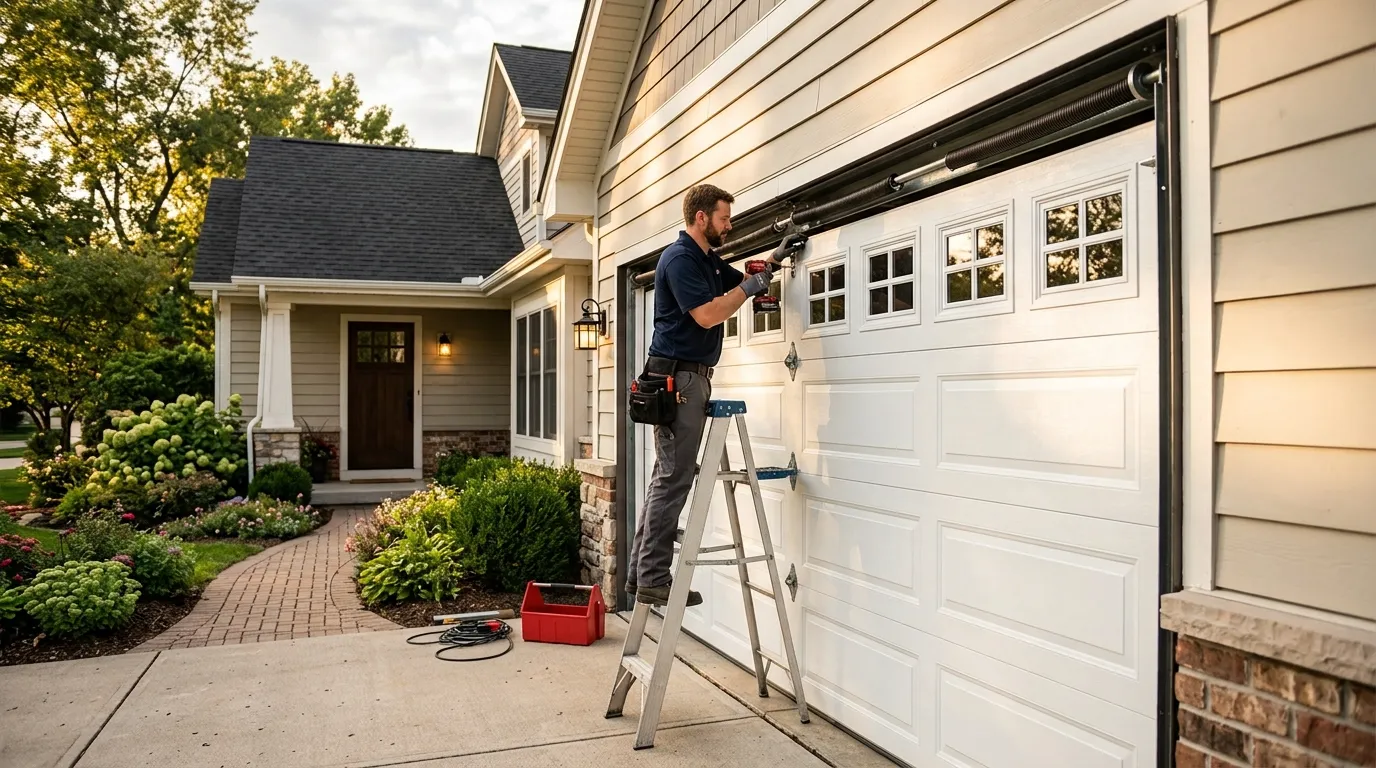
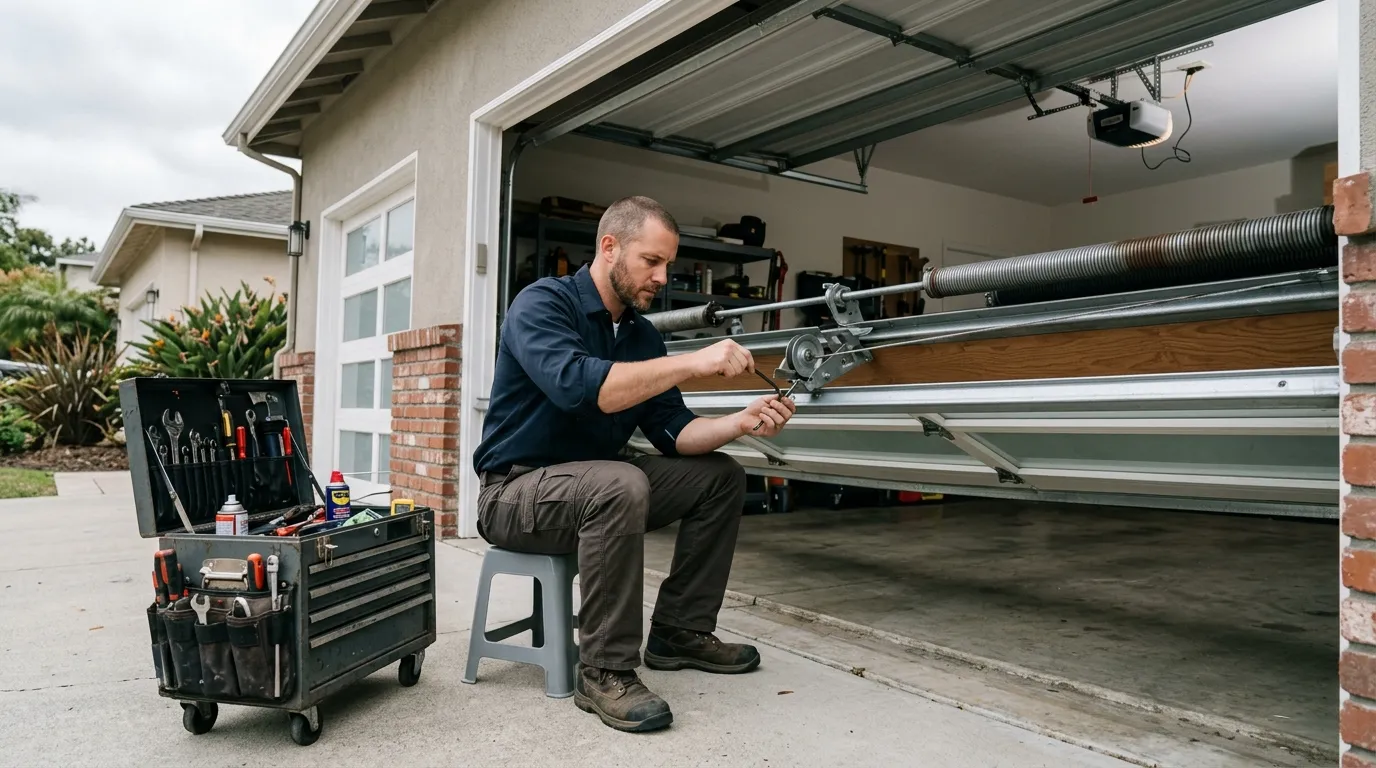
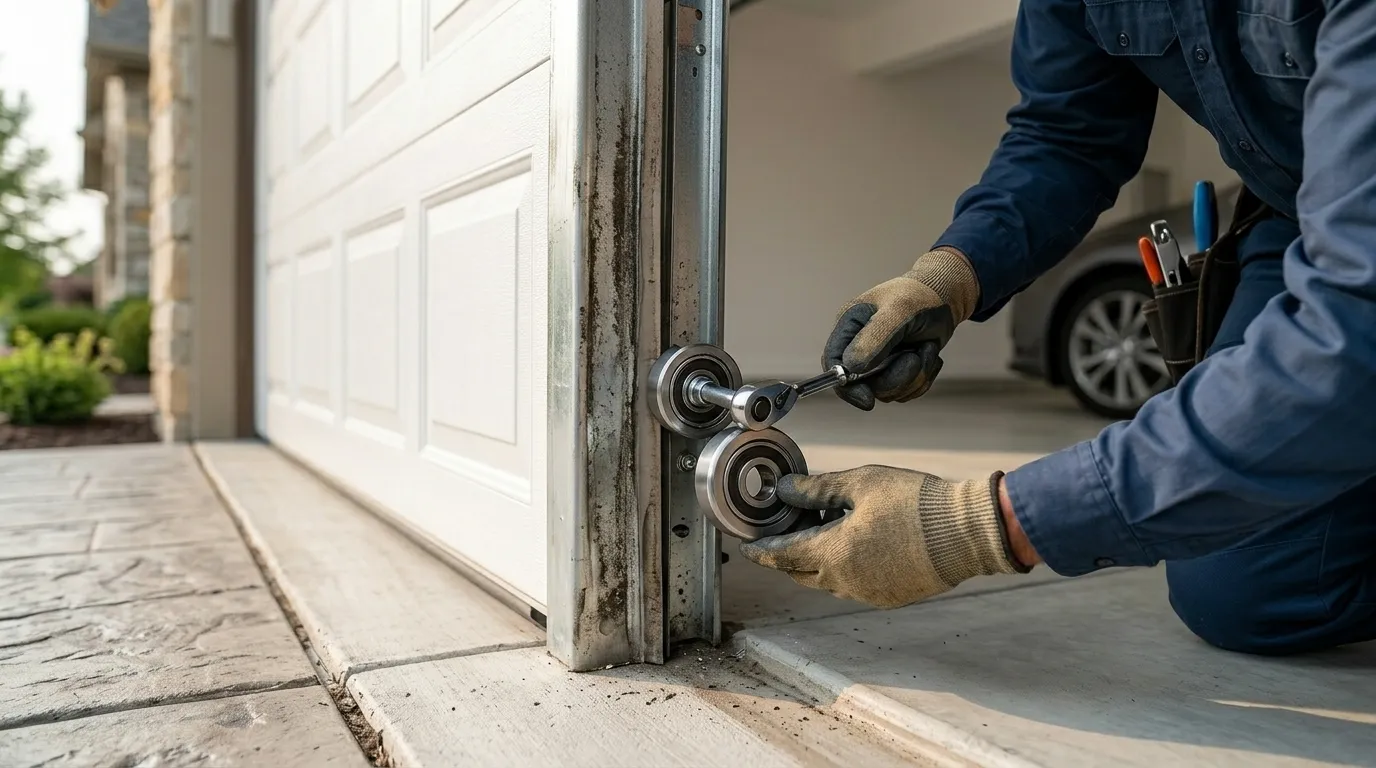
Most houses in Brighton went up somewhere between 1958 and 2010, with the median build year landing around 1991. That spread matters because it means you've got three or four different generations of torsion hardware sitting behind these doors, depending on which of the area's 23 named subdivisions you're in - older side-mount setups next to newer center-mounted torsion springs. Before you touch anything, look at the spring itself. A torsion spring under tension that's cracked, gapped, or shows a gouge in the coil is not something to test by hand. What you can safely check: the balance. Disconnect the opener, lift the door halfway by hand, and let go. It should hold still. If it drops or shoots up, the spring is losing tension, and in a cold-band climate like this one, that loss shows up faster once temperatures swing hard. Check the rollers too - plastic rollers from the 80s and 90s builds common across this area get brittle and start chipping at the edges long before the spring itself fails. If you see rust streaking down from the spring coils onto the track, that's condensation cycling, not a cosmetic issue - it's telling you the metal has been through repeated freeze-thaw and is more brittle than it looks.

What the Weather Here Does to It

Brighton sits in a cold, severe climate band, and that's the single biggest reason garage door springs fail here more than in milder places. Steel contracts as it gets cold, and a torsion spring that's already carrying years of cycling load loses a percentage of its flex with every hard freeze. The failure pattern we see is almost always the same: a spring that's been fine all fall lets go on the first genuinely cold morning, usually when someone hits the opener button on their way to work. It's not a coincidence - it's metal fatigue meeting cold contraction on the same day. Houses built in the 1958-2010 range that make up most of this area were not built with insulated doors as standard, so the door itself swings in temperature fast, and the hardware attached to it swings with it. If your door was installed or last sprung more than seven or eight years ago, cold snaps are exactly when that spring is most likely to go. This isn't a Brighton-specific defect in the doors - it's what happens to aging torsion springs anywhere winters get genuinely cold, and Brighton's winters qualify.

Leaving It Alone

Here's the honest limitation: if your spring is intact and the door is balanced, there is nothing to do. Lubricating a spring that isn't showing wear, replacing rollers that aren't chipped, or swapping a cable that isn't frayed doesn't extend life - it just spends money on parts that were fine. We'd rather tell you to leave a working system alone than sell a tune-up nobody needs. Where this gets harder to call is with houses from the earlier end of the 1958-2010 range - those older builds sometimes have springs that are original or close to it, and at that age, cosmetic condition stops being a reliable guide. A spring can look fine and still be near the end of its wind cycle. If your house falls into that older bracket and you don't know when the spring was last replaced, that's the one case where a professional check before winter is worth the call, rather than waiting for a cold-morning failure with the car trapped inside.

What Is Going On

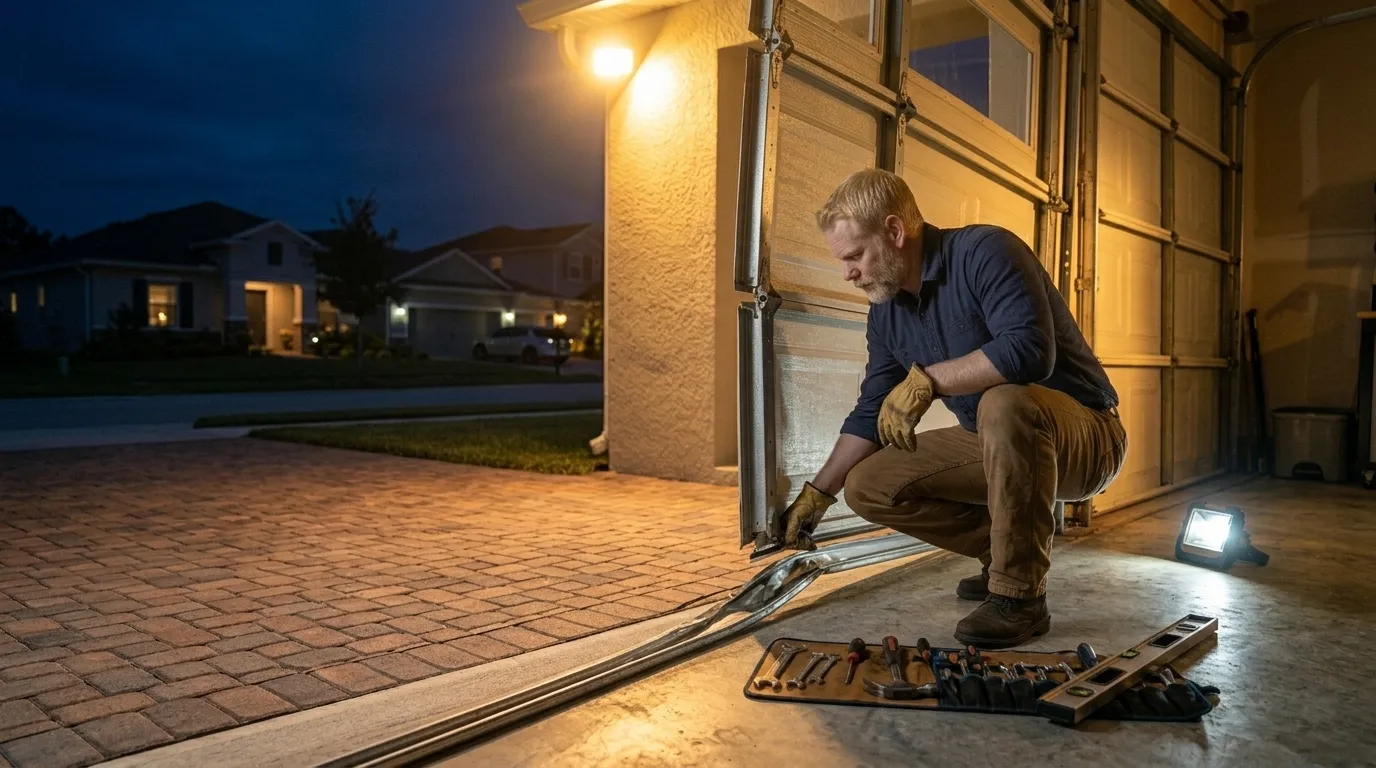
When a torsion spring breaks in cold weather, you'll usually hear it - a loud bang from the garage, sometimes mistaken for something hitting the house. The door will feel enormously heavy if you try to lift it, because the spring was doing most of the work of countering the door's weight. Do not try to force the door up on a broken spring. With household incomes in this service area averaging over $87,000 and a housing stock that leans heavily toward 1980s and 90s construction, most of the doors we're called out to see are original or one generation removed from original - meaning the spring gauge and mounting style vary a fair amount house to house, even on the same block. That's why a phone diagnosis rarely works well here; the fix depends on what decade your door came from. If the spring cable is still intact and the door is just off its track, that's a smaller job than a full spring replacement, so it's worth knowing which one you're actually dealing with before assuming the worst.

How it works

From “it’s stuck” to “it’s fixed”

A quick, honest process - no guesswork and no surprises, start to finish.

  1. 1
    Tell us what’s wrong - Brighton garage door service

    Tell us what’s wrong

    Describe the symptom - won’t open, loud bang, opener runs but the door won’t move.

  2. 2
    On-site diagnosis - Brighton garage door service

    On-site diagnosis

    A technician tests the door under power and by hand and finds what actually failed.

  3. 3
    Clear, up-front plan - Brighton garage door service

    Clear, up-front plan

    You get the fix that’s needed and what drives the cost - before any work starts.

  4. 4
    Repaired & tested - Brighton garage door service

    Repaired & tested

    The repair is done, the door is set true and tested, and the work area left clean.

Serving Brighton, CO - tell us what your door’s doing and we’ll take it from there.

How we work

What to expect

Diagnosis firstEvery visit starts by finding what actually failed - not a pre-written parts list.
The right part for the doorSprings and openers matched to the door’s weight and age, so the fix holds up.
Straight answersWhen a repair makes more sense than a replacement - or the reverse - you hear it plainly.
Clean, careful workTension released safely, hardware set true, the door tested under power before we leave.
Questions

Frequently asked

Straight answers about garage door repair in Brighton. Still unsure? Ask us directly.

Why did my garage door spring break on the coldest morning of the year?

Cold weather makes steel contract, and a spring that's already fatigued from years of cycling loses flexibility right when the metal is at its stiffest. Brighton's cold, severe winters push aging springs past their limit on exactly these mornings, which is why failures cluster around the first hard freeze rather than spreading evenly through the year.

Is my garage door spring original to the house?

It might be, depending on when your house was built. Brighton's housing stock spans 1958 to 2010, with most homes dating from the 1980s and 90s. If you don't know the last replacement date and the house is on the older end of that range, treat the spring as unverified rather than assuming it's fine.

Can I lubricate the spring to prevent it from breaking in winter?

Lubrication helps rollers and hinges, but it doesn't reinforce a spring that's fatigued. If the coil is intact with no visible gouges or gaps, there's nothing to fix. If it shows wear, lubricant won't stop a cold-weather break - only replacement will.

Ready to get your garage door sorted?

Tell us what it’s doing and where you are in Brighton - we’ll take it from there.

Request a QuoteCall