Common Jobs Here
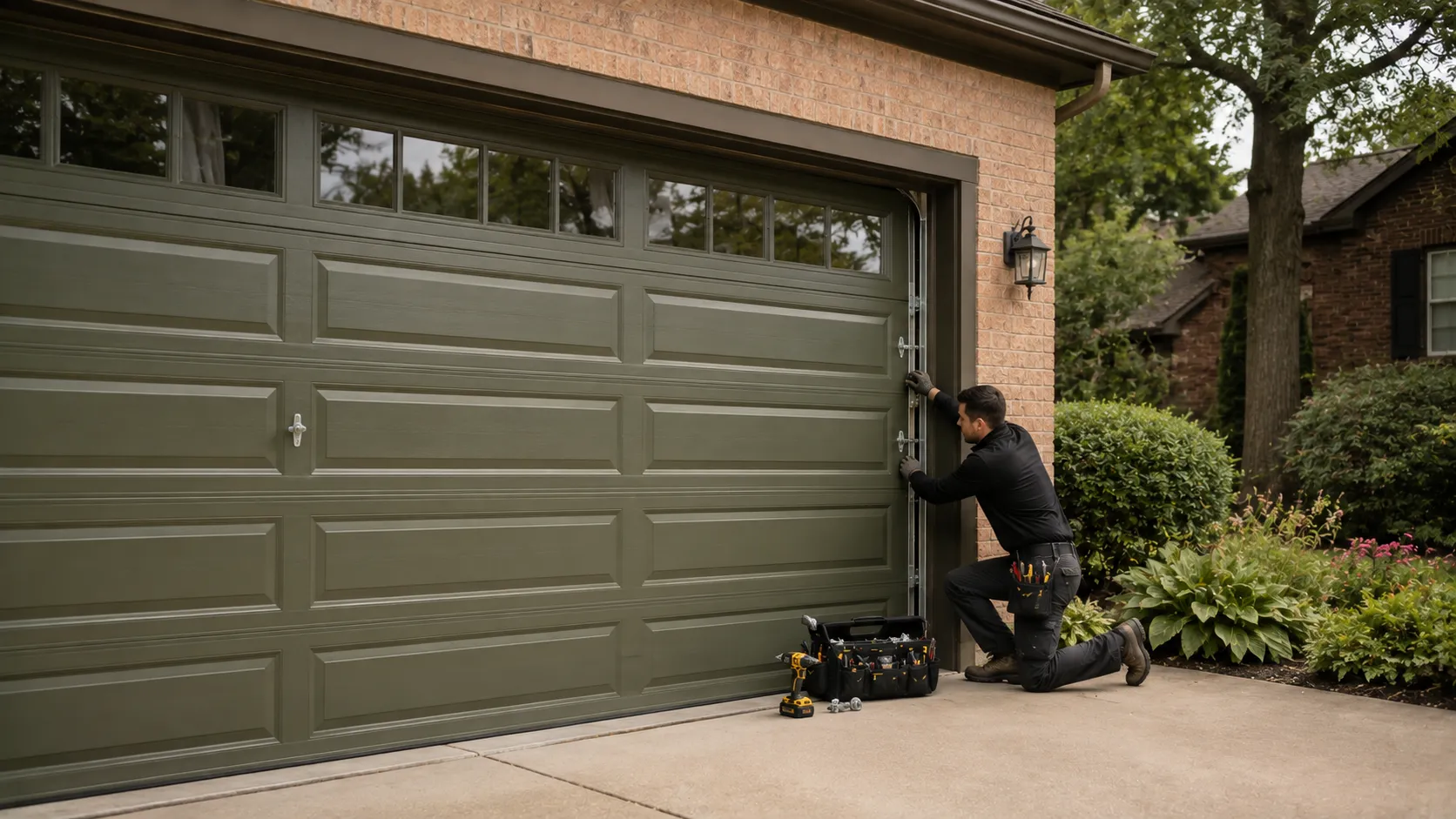
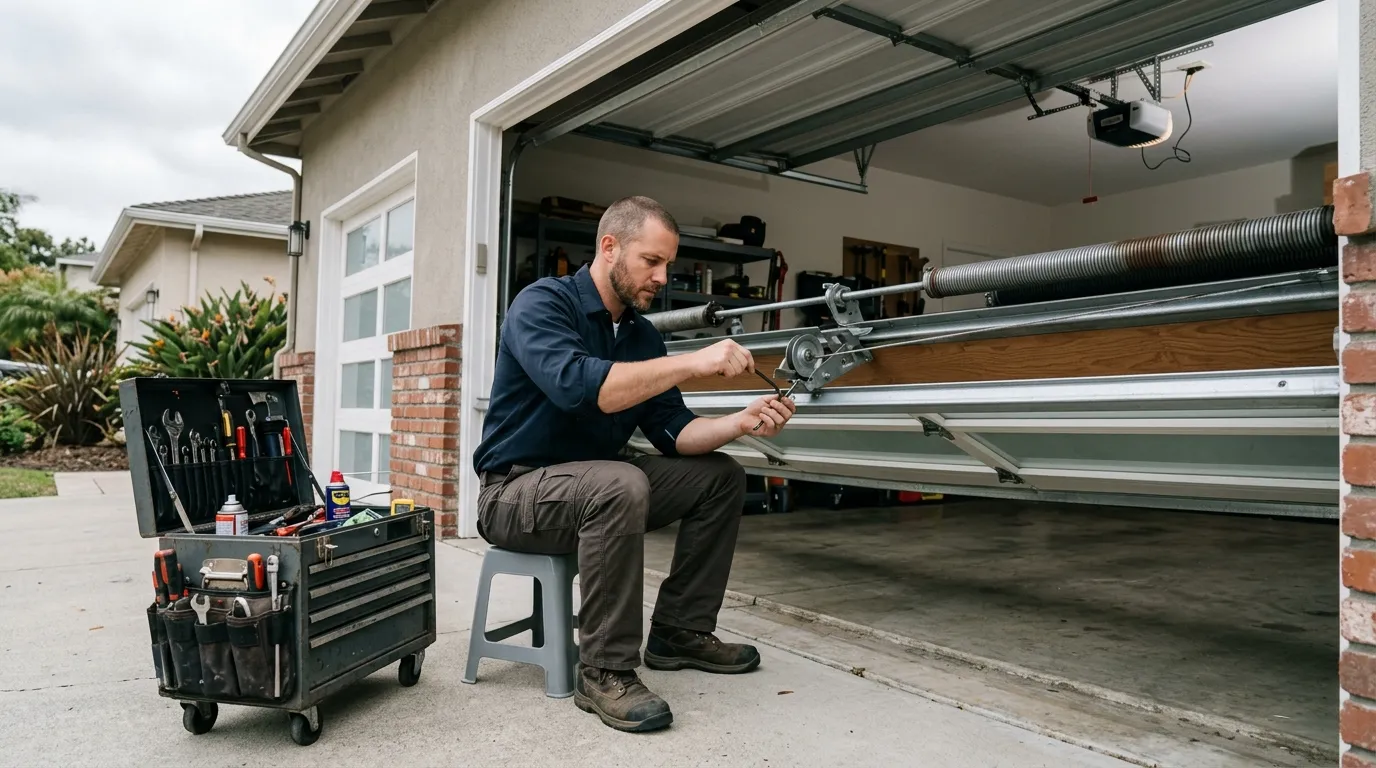
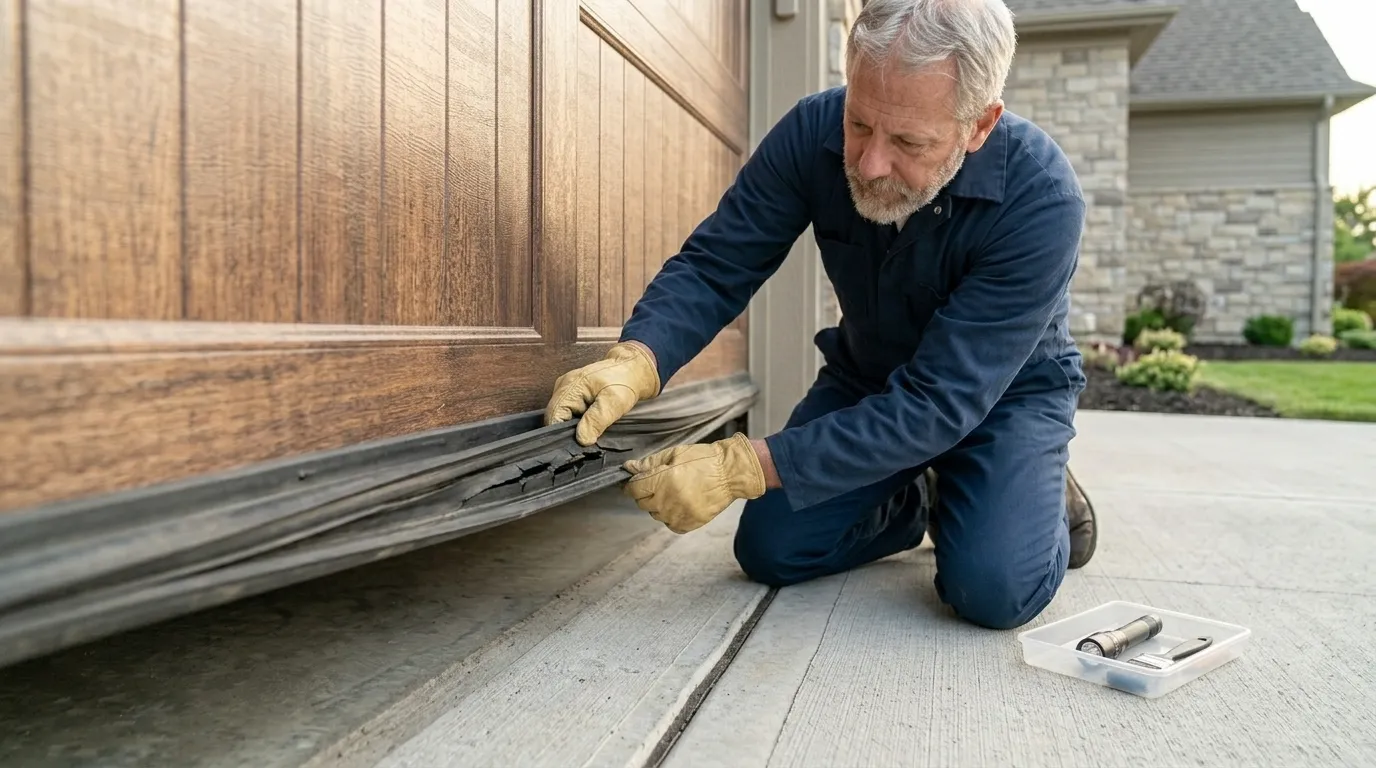
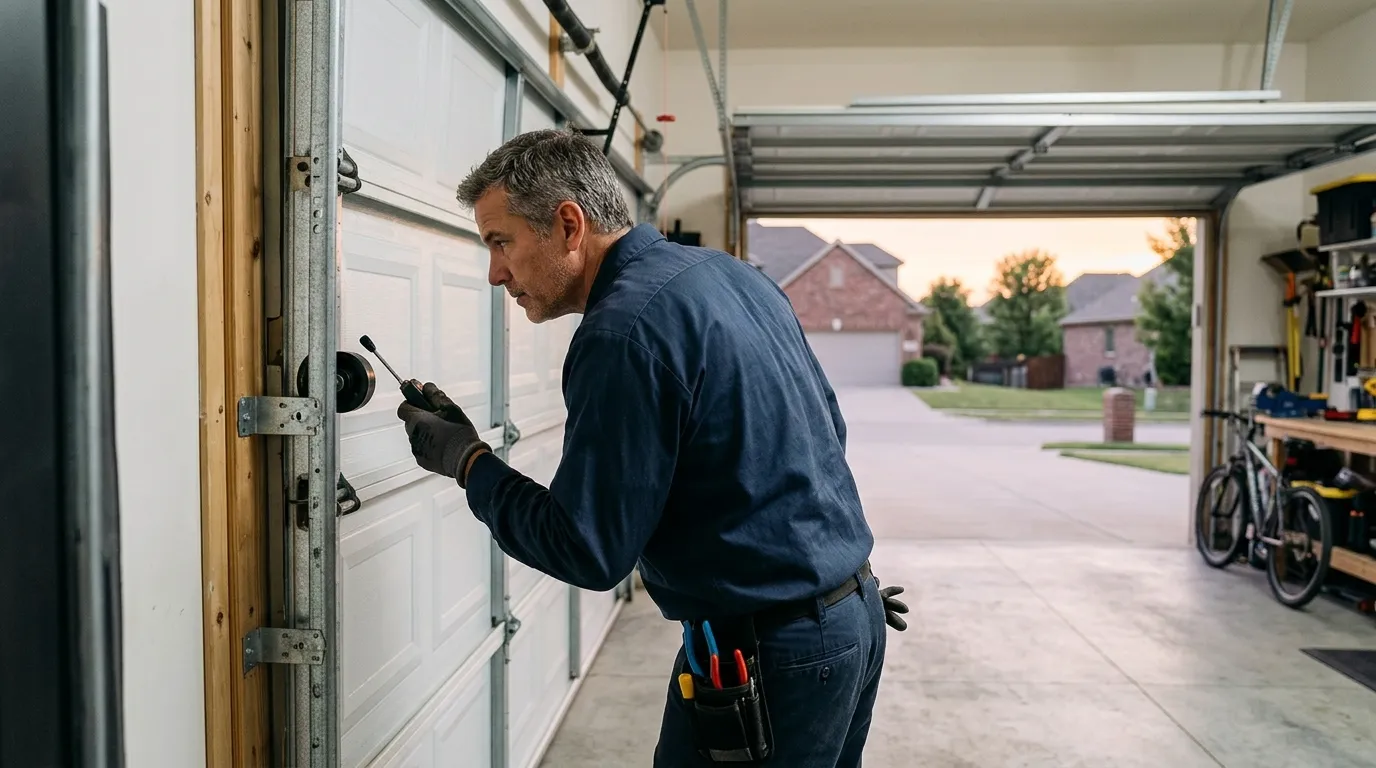
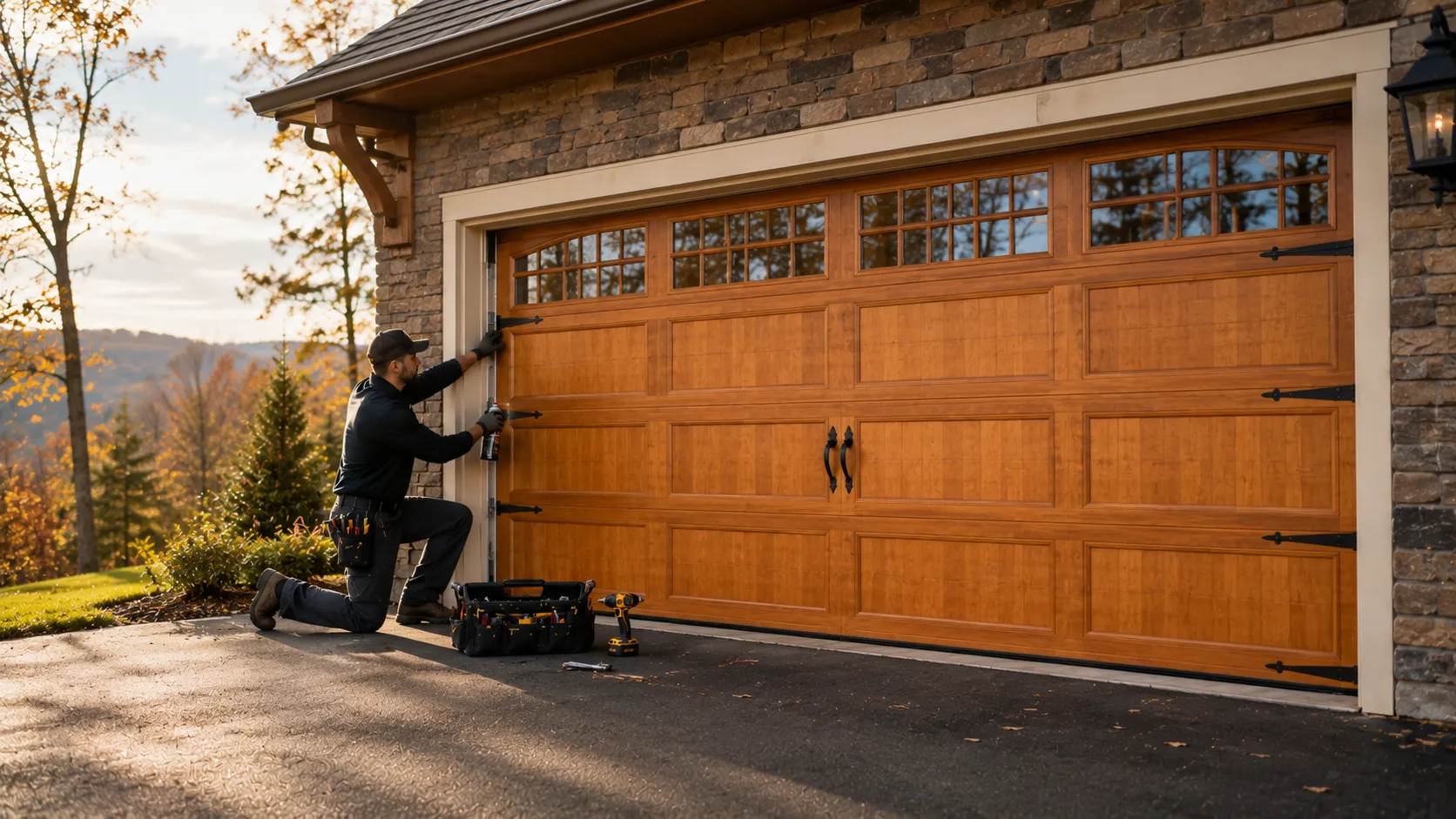
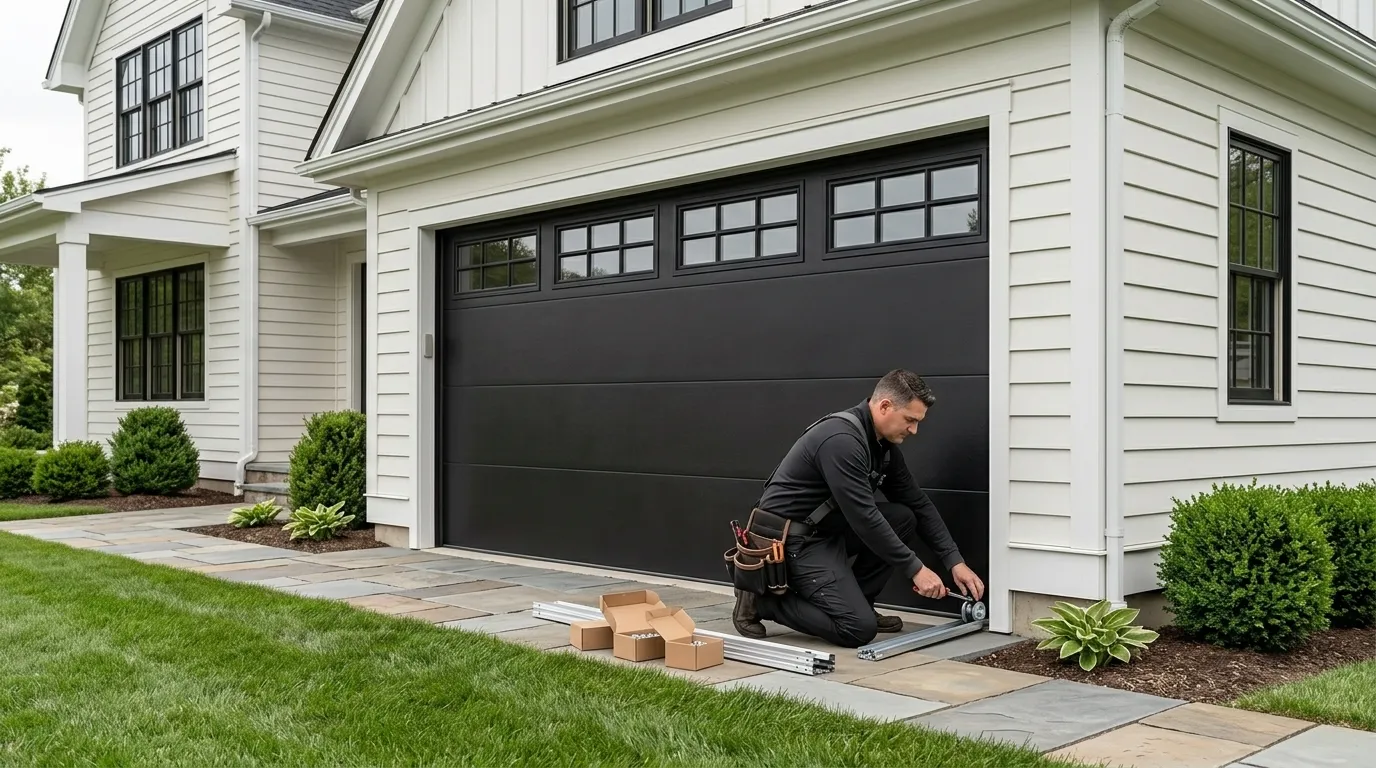
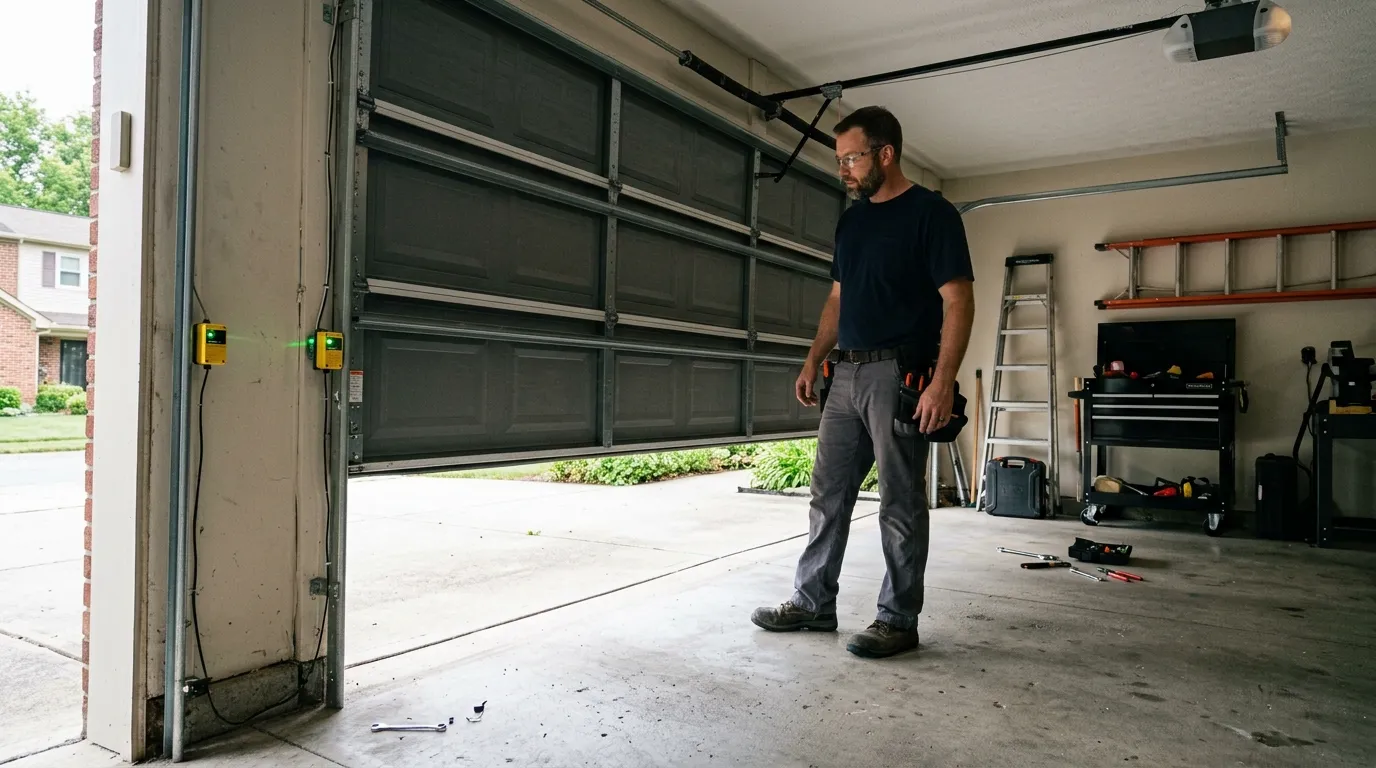
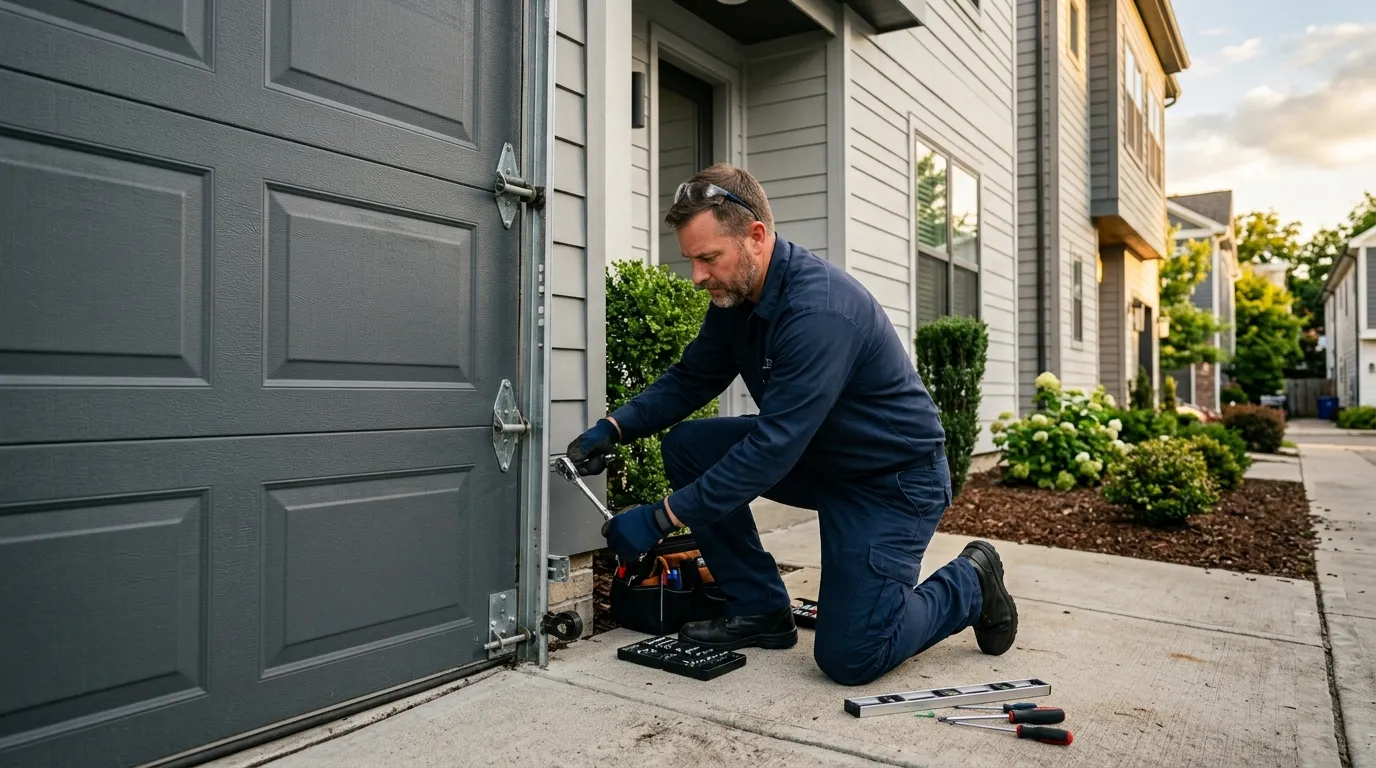
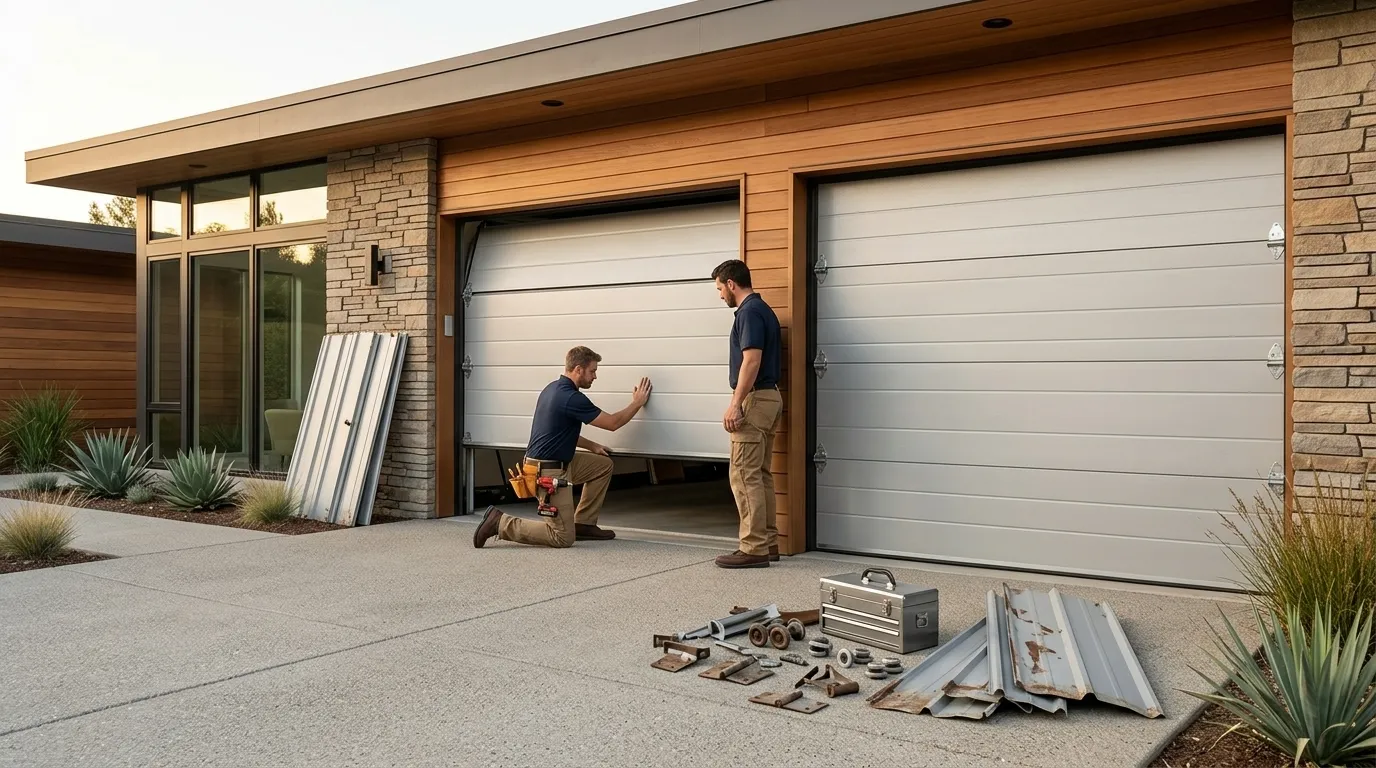
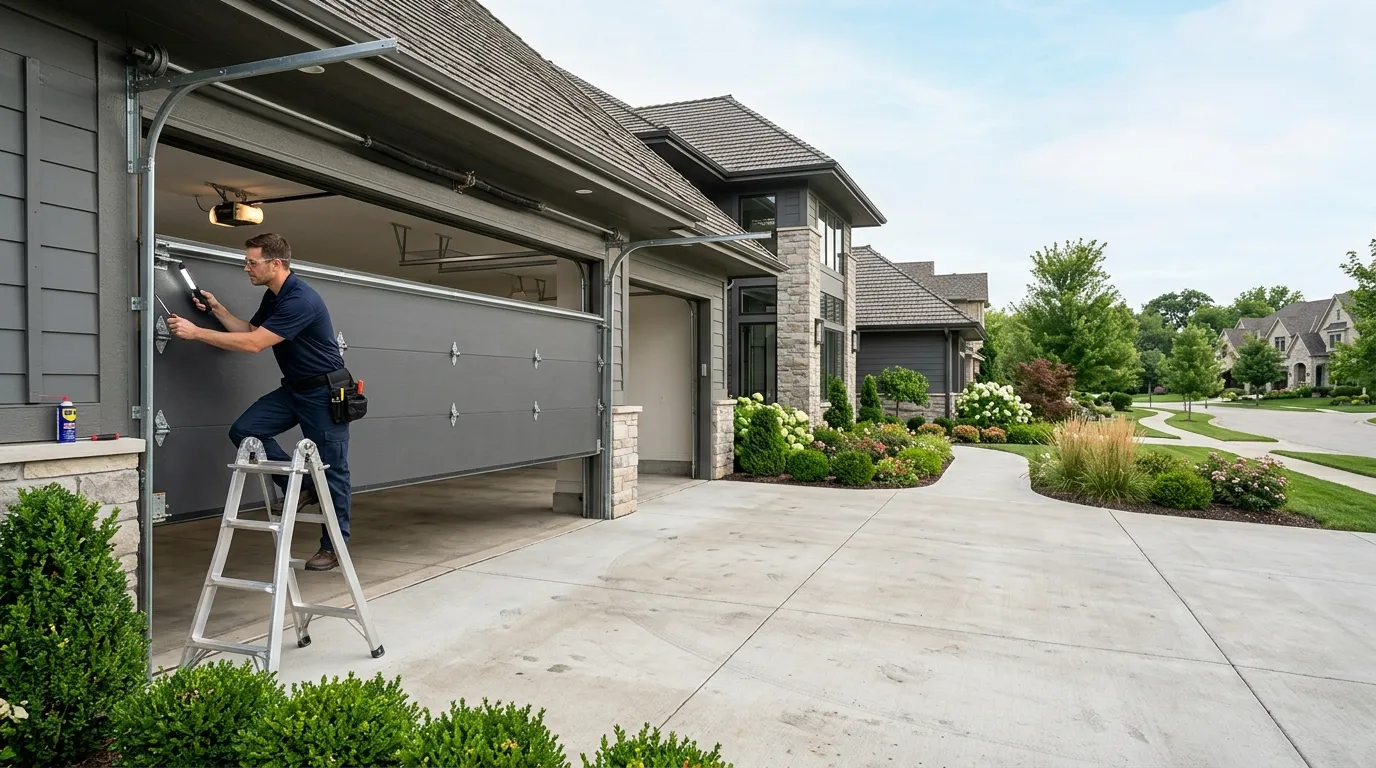
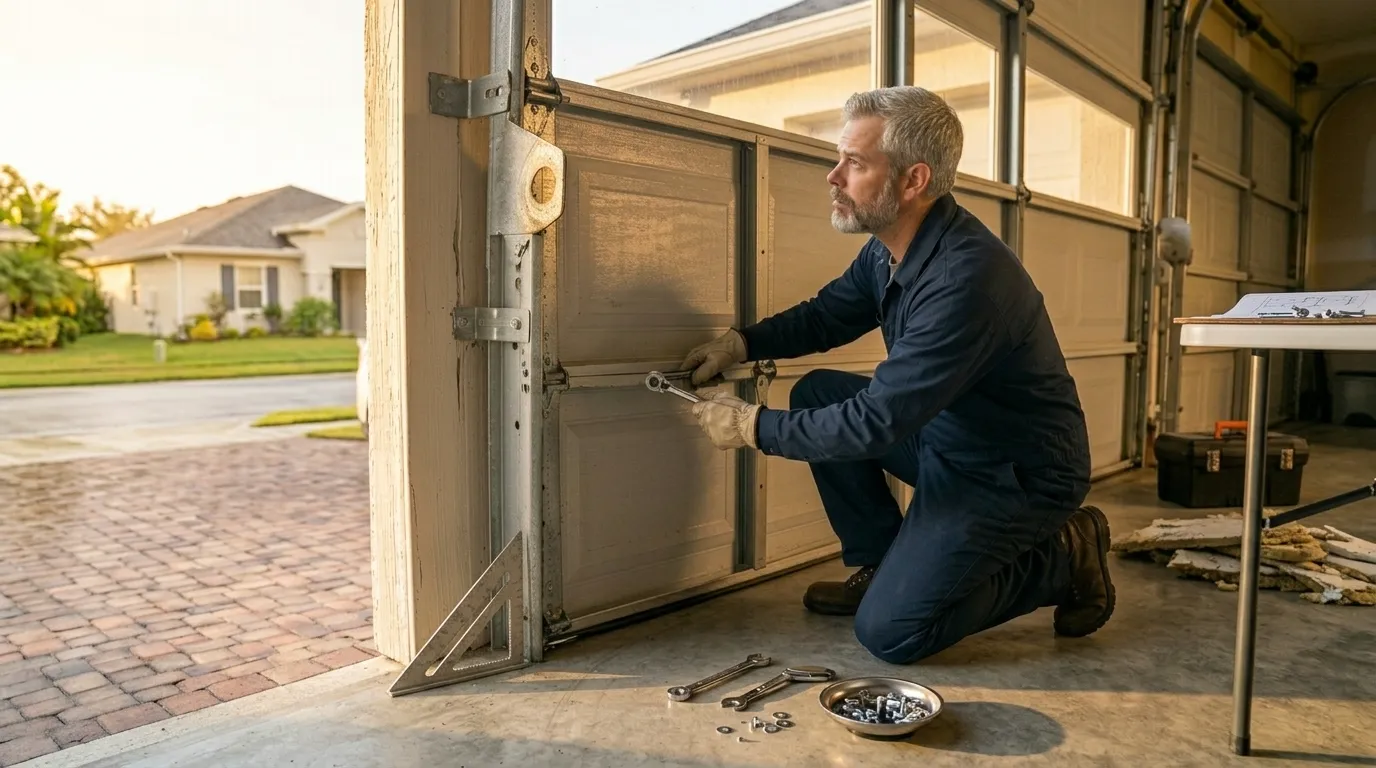
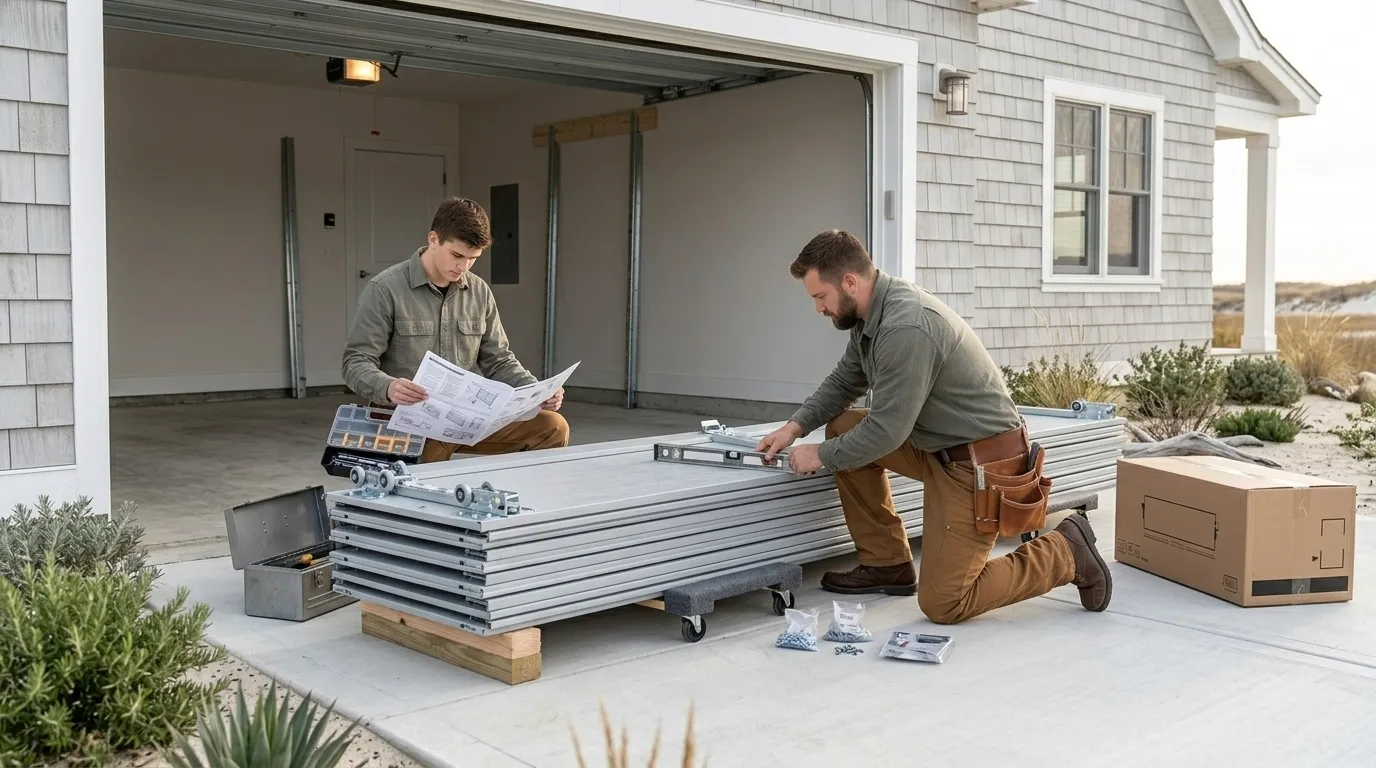
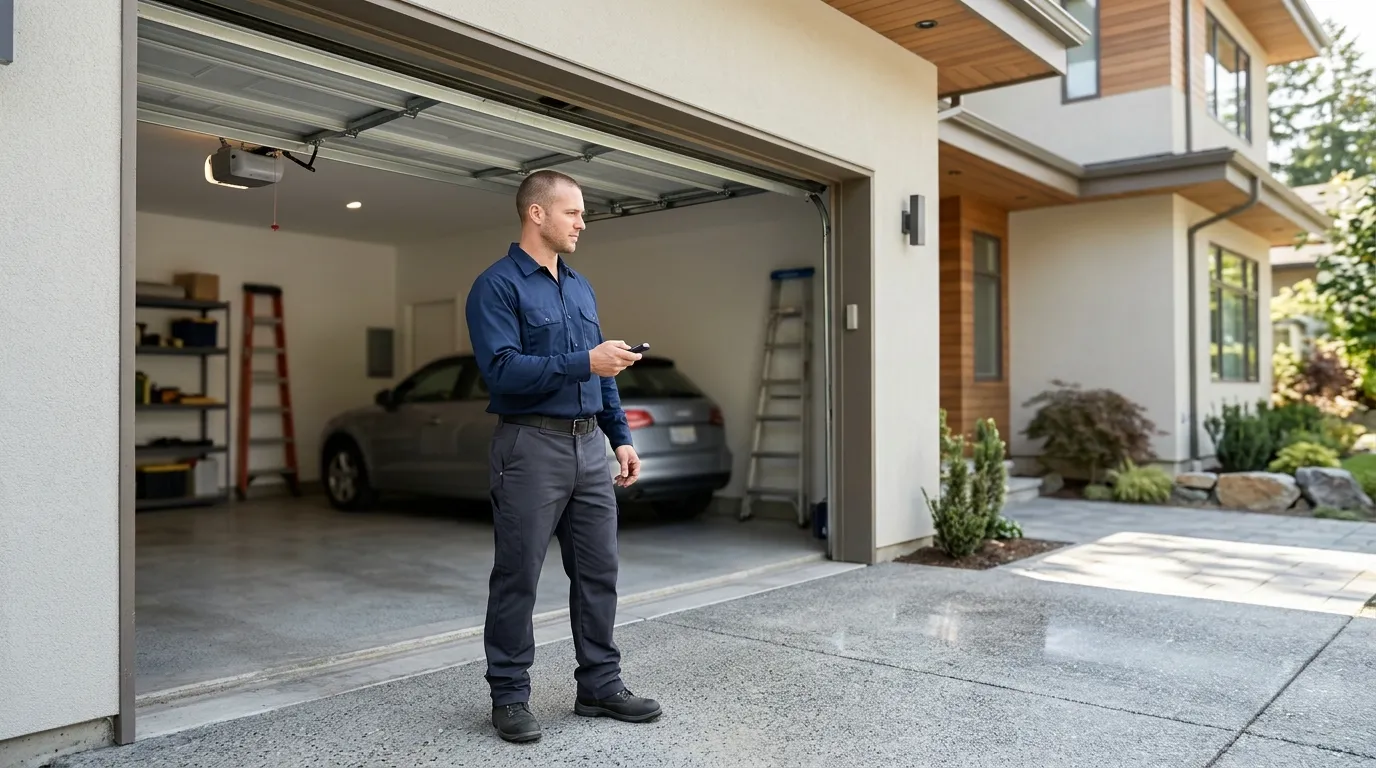
Derby's median year built sits at 1958, which is decades older than the 1991 median across the rest of our service area. That gap shows up in the calls we get. We're replacing extension springs on doors that were never upgraded to torsion hardware, swapping out brittle single-thickness panels, and rebuilding rollers on tracks that have been painted over more times than anyone can count. On newer stock built after the mid-1980s you mostly deal with worn openers and failed safety sensors. In Derby, the opener is often the second problem, not the first - the door itself, the track alignment, and the original hardware come first. We still handle opener installs and sensor work here, but the mix skews older and heavier than what you'd find in the newer subdivisions closer to Brighton.
What People Here Ring About
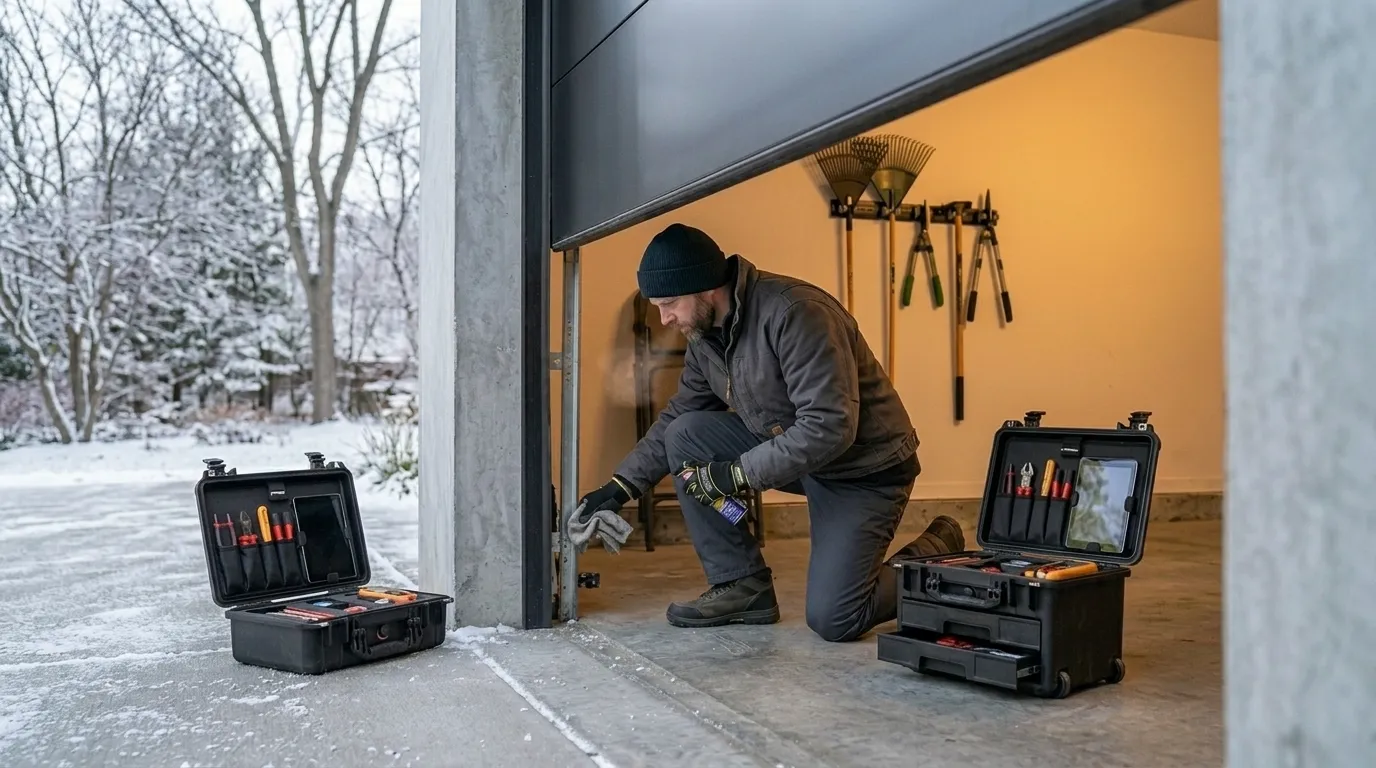
Most calls from Derby start with a door that's gotten heavy to lift by hand, or one that slams the last foot instead of settling. Both point to spring fatigue on older extension-spring setups, which is what a lot of 1958-era garages still run. We also hear from folks whose cables have started to fray at the drum - a slow failure that doesn't announce itself until the door drops crooked on one side. With a median household income of $78,696 in Derby, a fair number of owners want to know upfront whether a repair is worth doing versus a full replacement, especially on a door that's original to the house. That's a fair question and we'll give you a straight answer once we've looked at the springs, track, and panel condition together, not just the part that's currently making noise.
The Houses Here
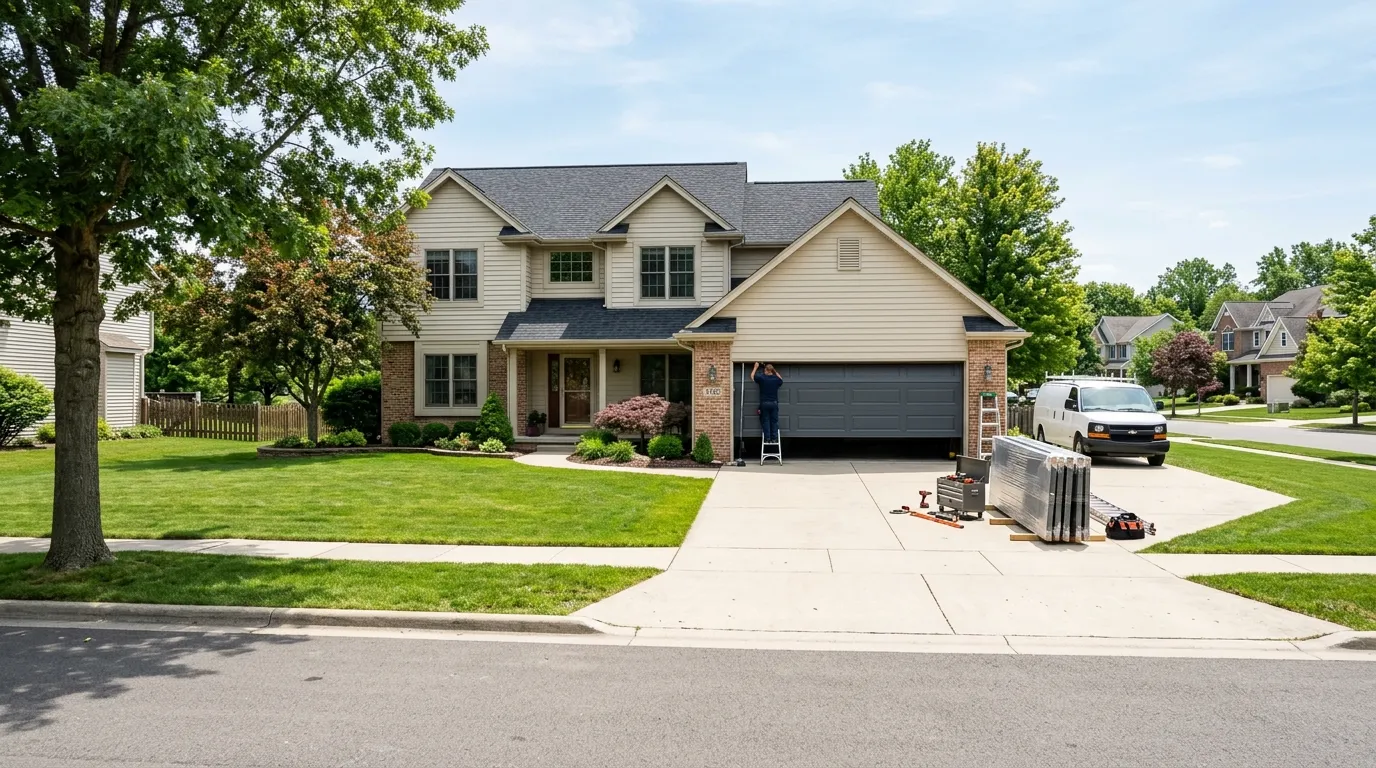
Derby sits about 11 miles from Brighton, and with only 2,523 households in the area, it's a smaller, older pocket compared to the newer growth closer to town. Where the broader service area's housing runs from 1958 up through 2010 with a median around 1991, Derby's median year built is 1958 flat - meaning a much larger share of its garages are original construction rather than additions or newer builds. That age difference is the whole reason the job mix here looks different: more single-car garages, more original steel doors, and more hardware that predates the torsion-spring standard most newer doors use. We don't guess at what's behind a Derby door before we get there; the age of the house tells us what to bring, but the actual hardware still needs a look.