What You Pay
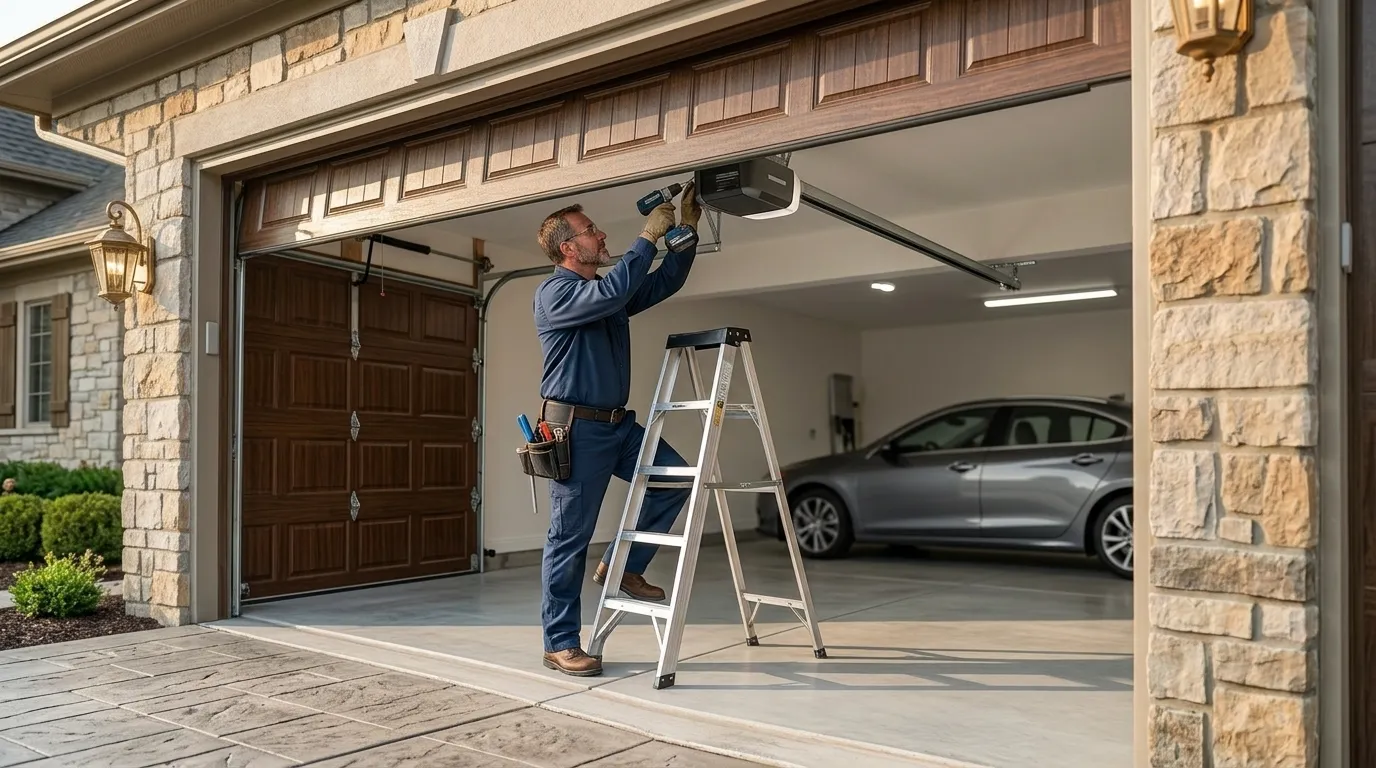
We don't publish a flat number here, because what a repair costs depends on what's actually broken and what's on the door already. A torsion spring swap on a standard double door is a different job than replacing rollers on a 1990s steel panel door that's been sagging for two years. Brighton's housing stock runs mostly 1958 to 2010, median build year 1991, so we see a wide spread of door ages and hardware types across the 23 named areas we work in - some still have original openers, some have been upgraded twice. That range means the honest answer to "what do I pay" is: it depends on the parts on your door, not on a menu price. What we can tell you is what drives the number up or down: spring size and type, whether the track is bent or just out of alignment, and whether the opener needs replacing along with the mechanical parts. If you want a real number, that's a phone call, not a guess on a page.
Where This Job Goes Sideways
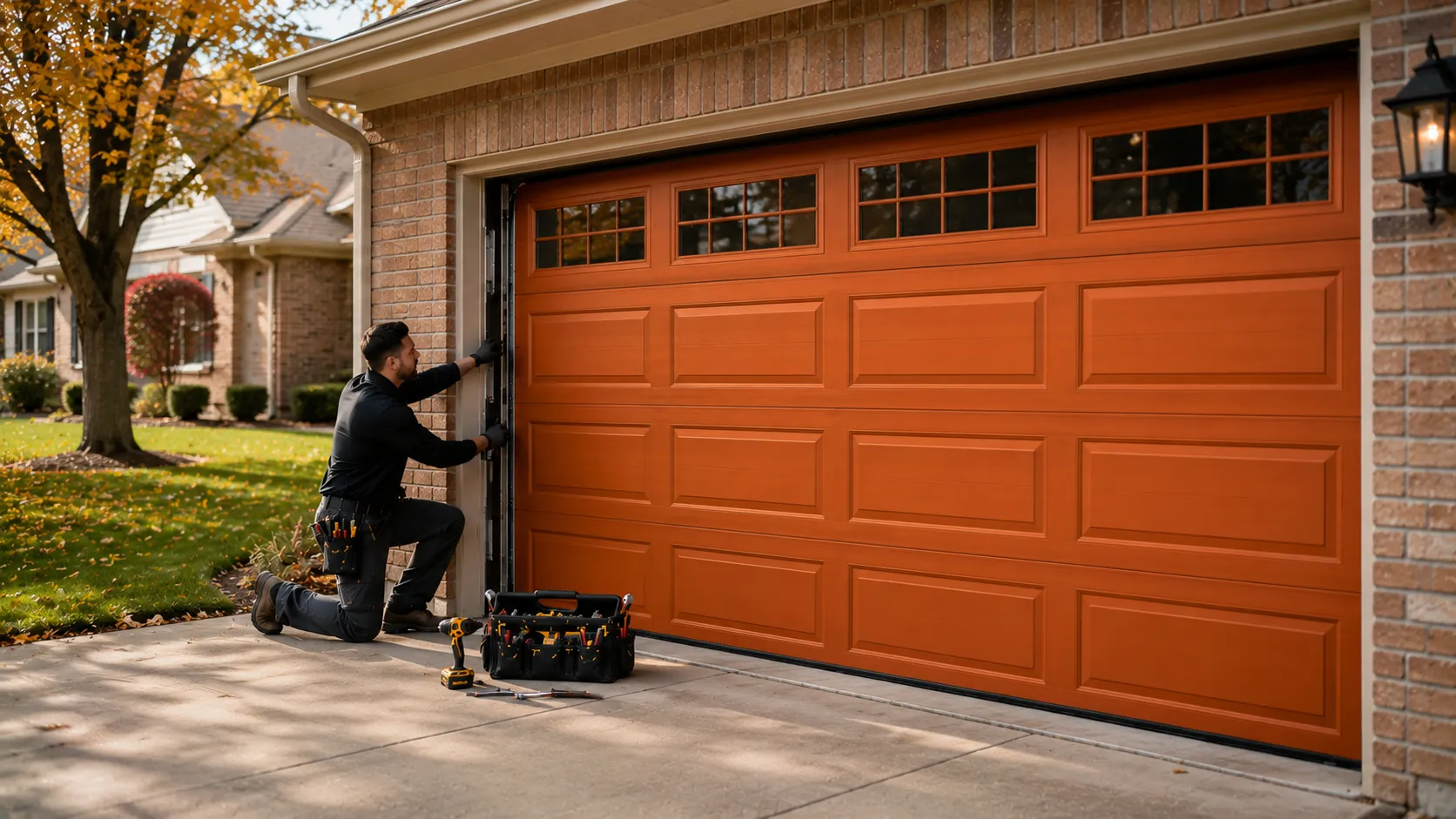
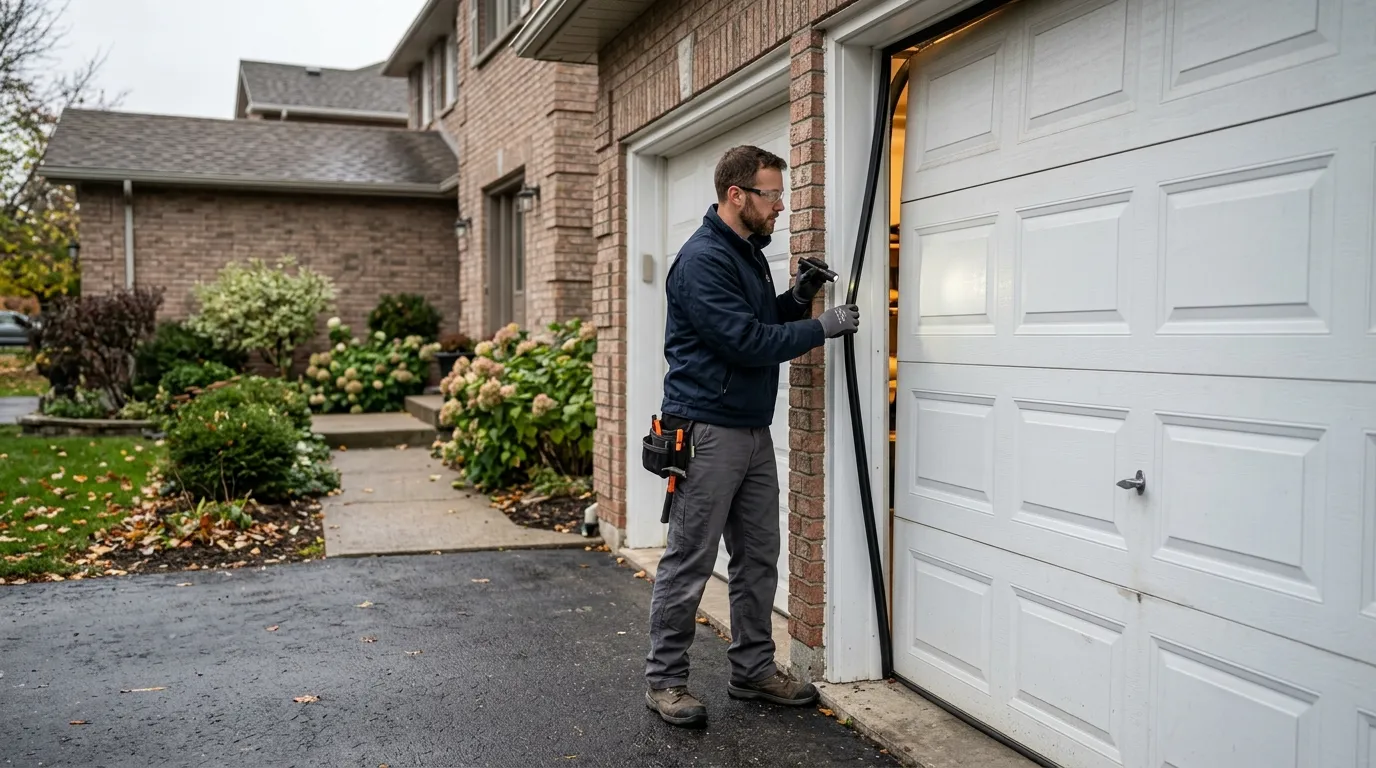
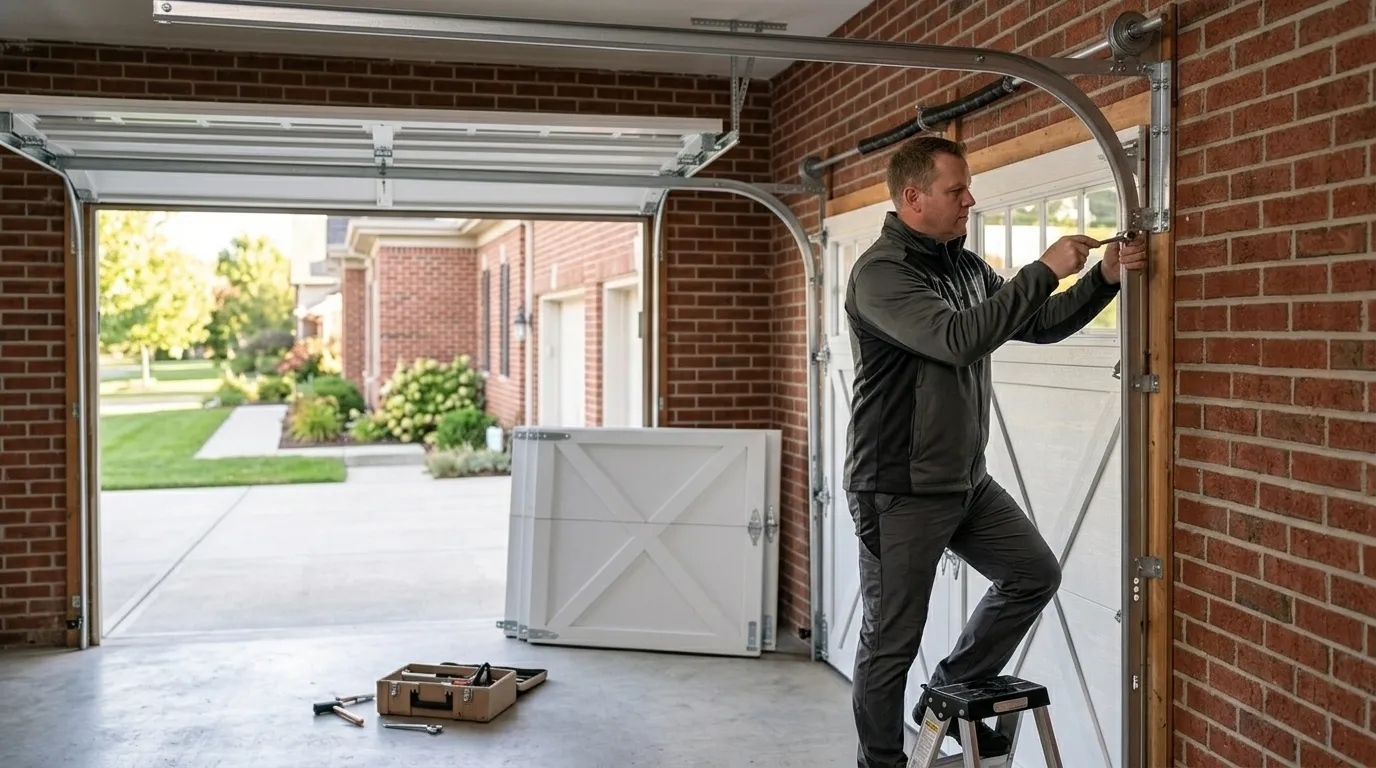
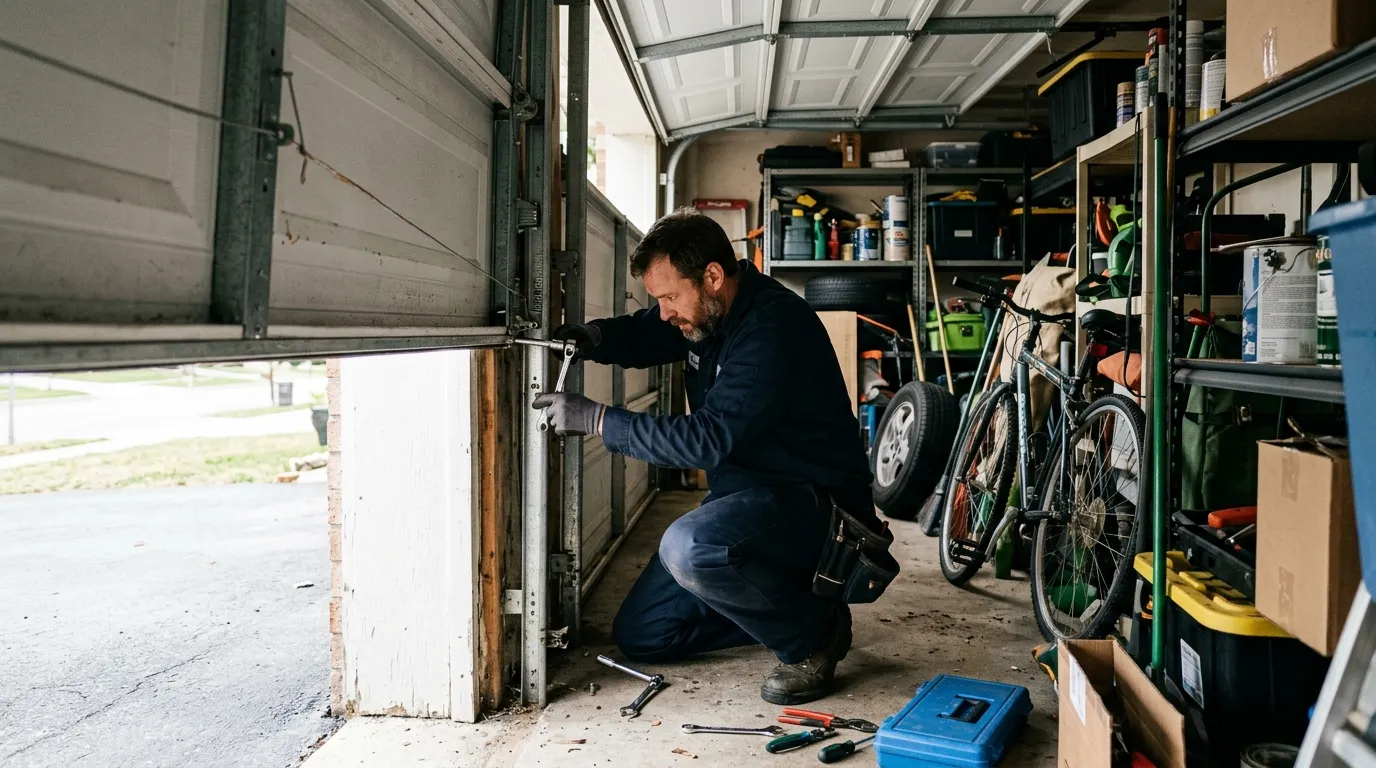
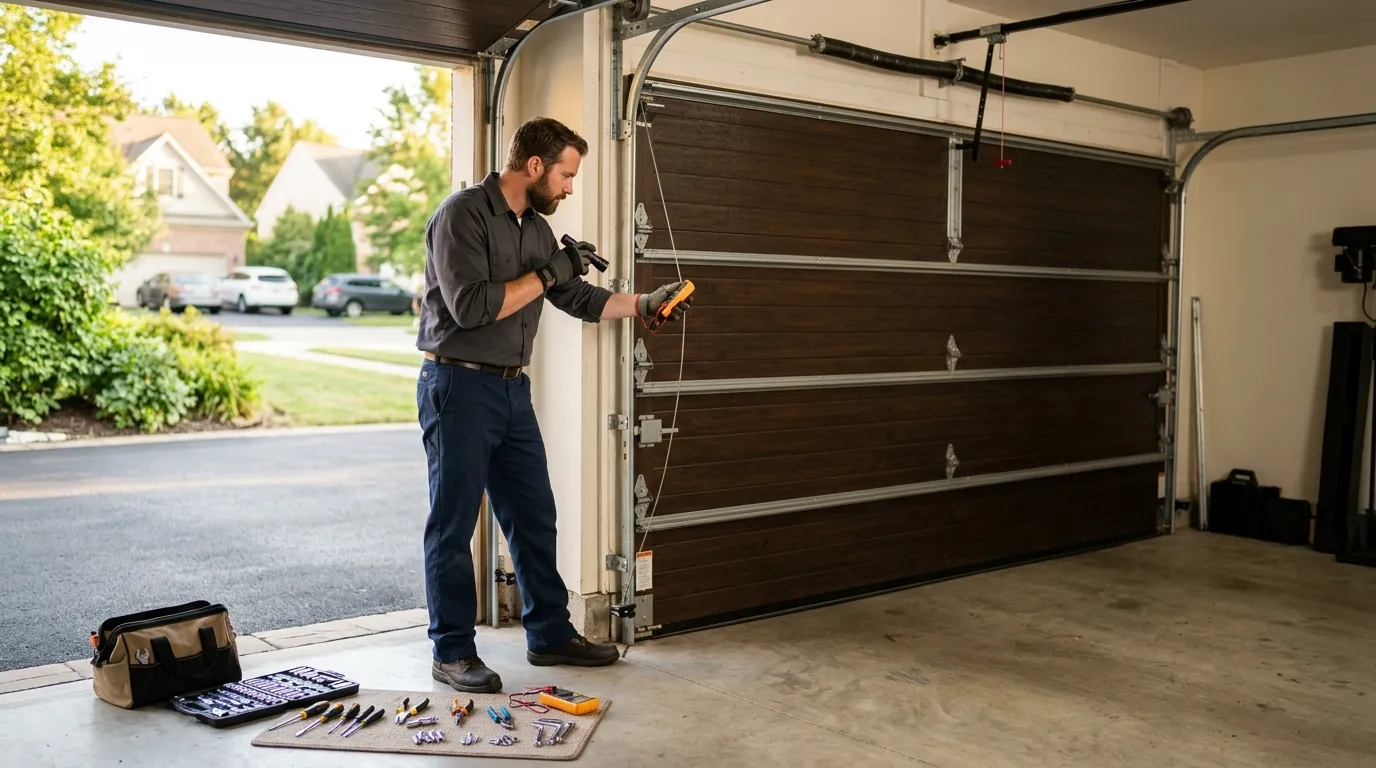
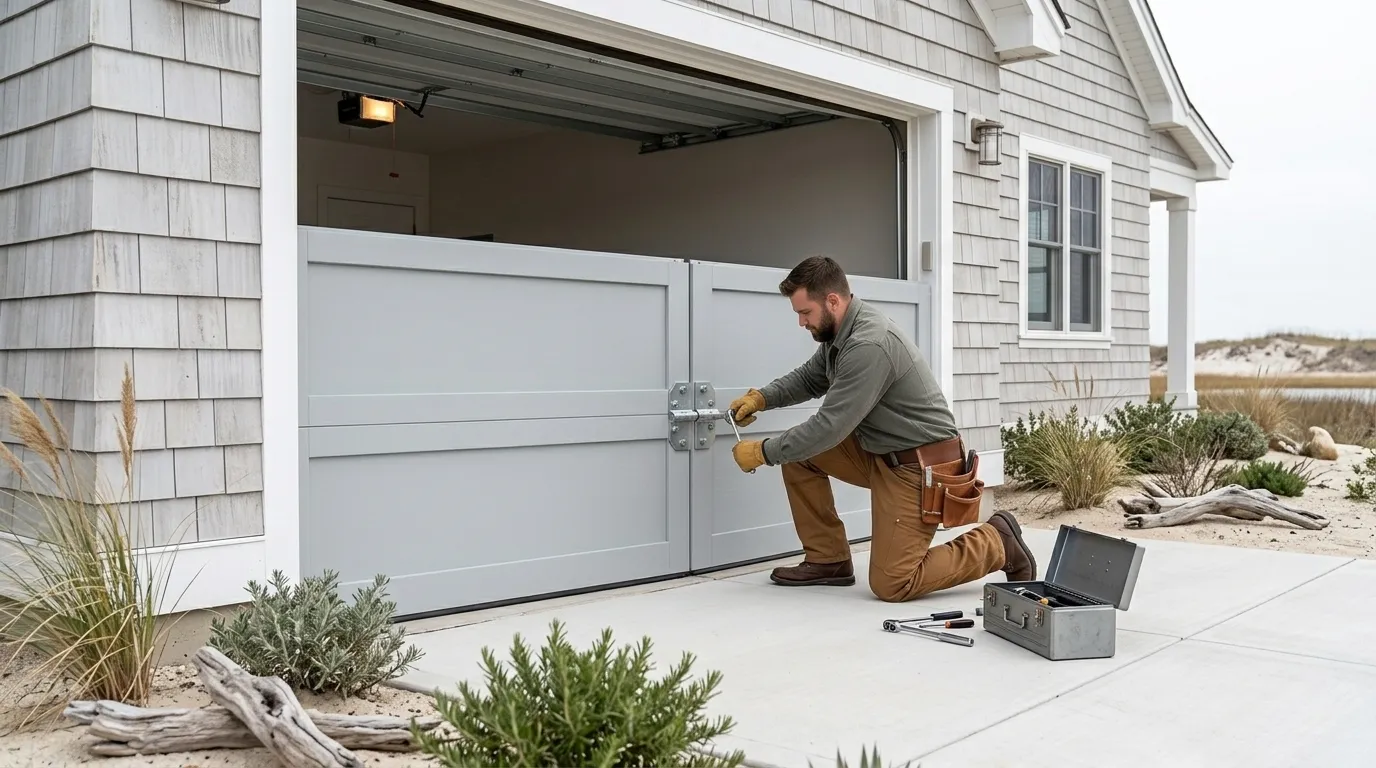
The most common way a spring or roller job turns into a bigger job is when someone tries to save the door instead of the opener, or the other way around, without checking both. A door that's binding on the track can look like a spring problem, but if the track was never checked for square, a new spring won't fix the drag - it'll just wear out faster under the extra load. We also see this go sideways when a homeowner replaces one spring on a double-spring torsion setup and leaves the second, older spring in place. It looks fixed for a few weeks, then the second spring goes, usually on a cold morning when the metal is already tight. On older doors from Brighton's 1980s-90s stock, worn rollers and a stretched cable often fail around the same time, so a single-point fix without checking the rest of the hardware is the fastest way to end up back here in a month.
The Symptom
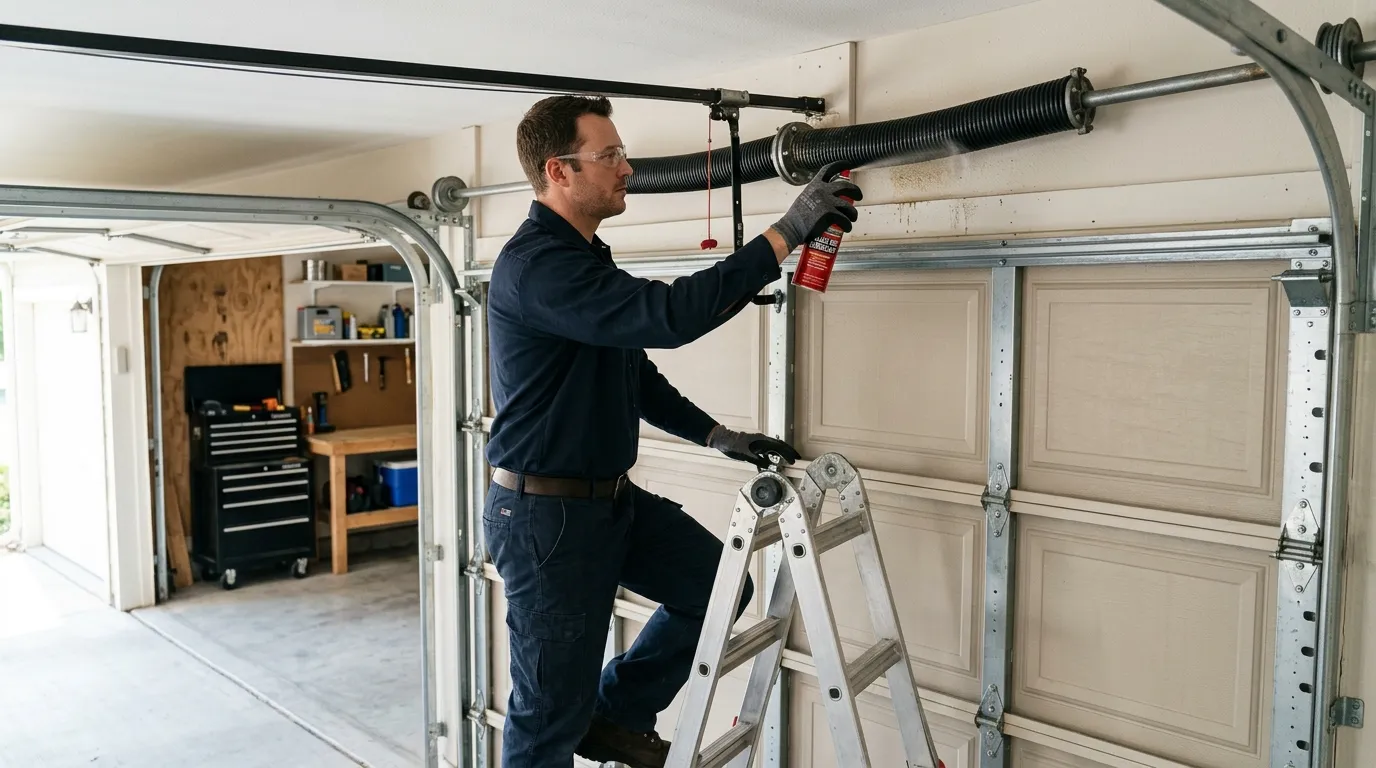
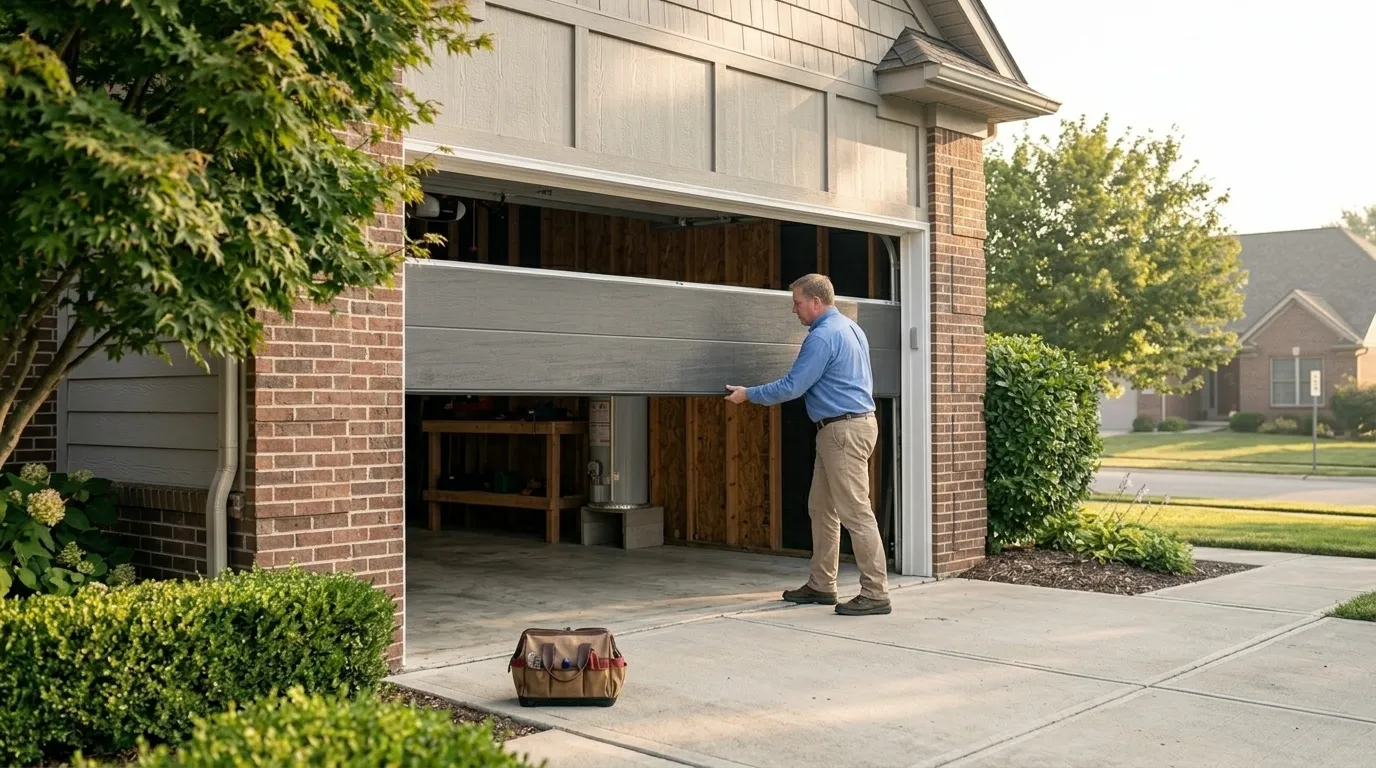
If your door is heavy to lift by hand, makes a loud bang instead of a smooth roll, or the opener strains and reverses partway up, that's almost always a spring under too little tension for the door's weight - usually meaning it's cracked or fully broken on one side of a two-spring setup. A door that shudders or jumps as it moves, rather than gliding, points to rollers or a bent track section, which shows up more often on older doors from the 1980s-90s stock still running on the original hardware. If the door drops fast in the last foot instead of settling, don't keep using it - that's a cable or spring problem, and a door that's already failing under load can come down hard. None of these symptoms fix themselves with WD-40, and none of them are safe to diagnose by ear alone in a cold garage.