Checking It Yourself
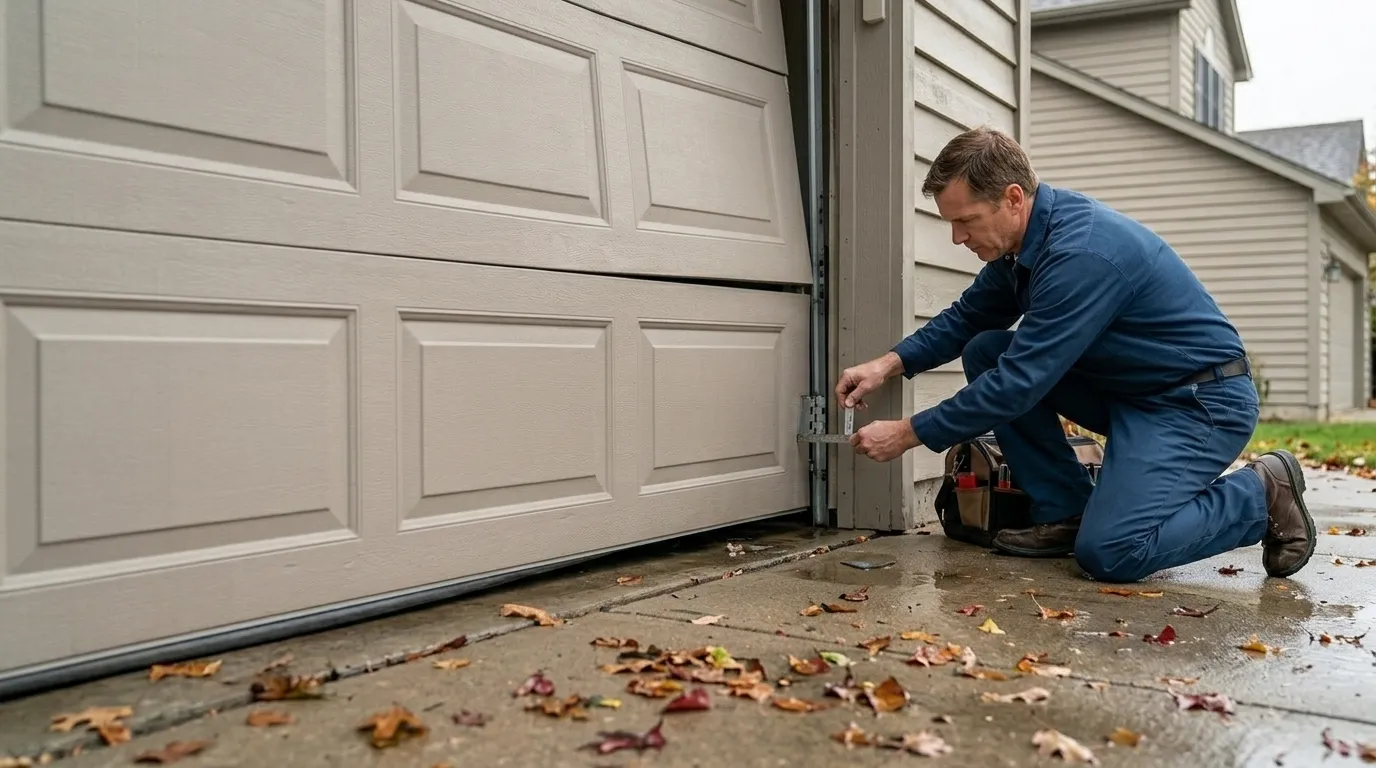
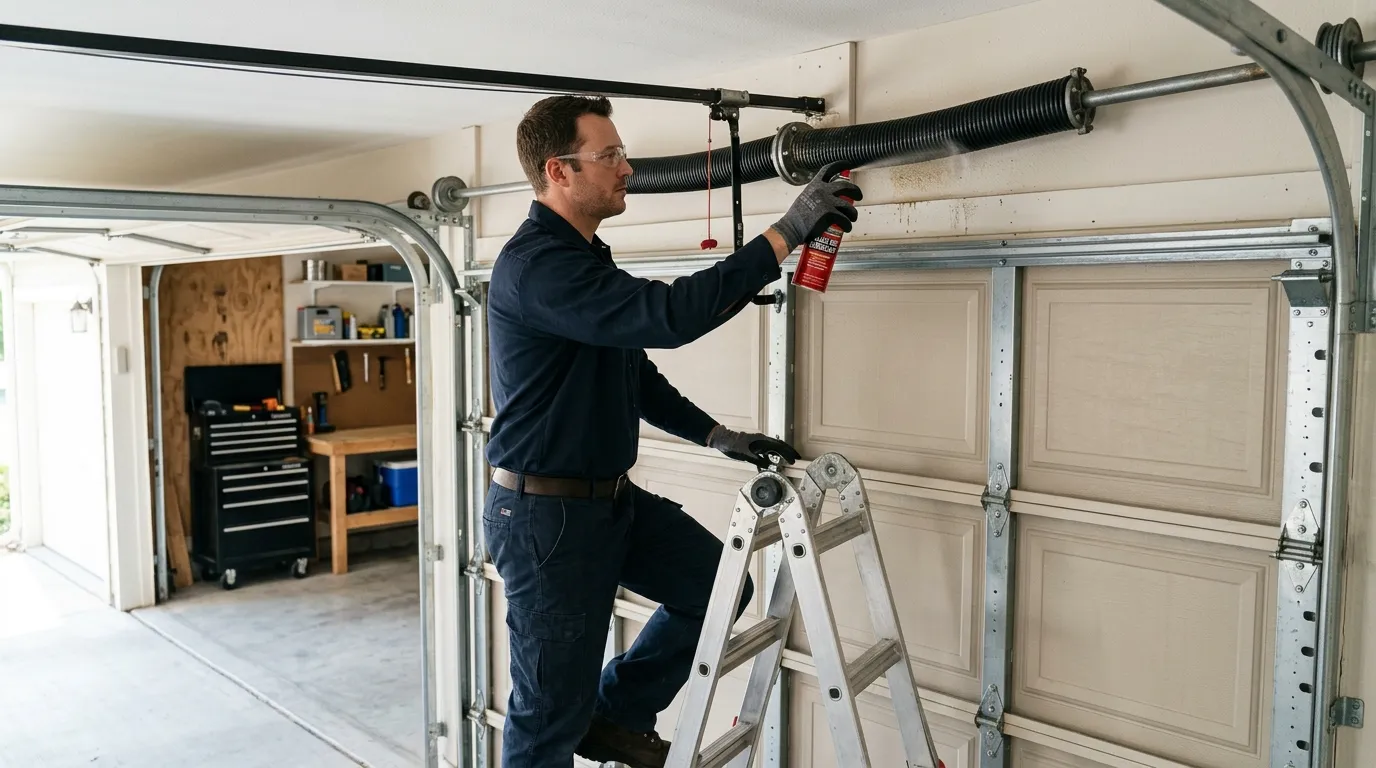
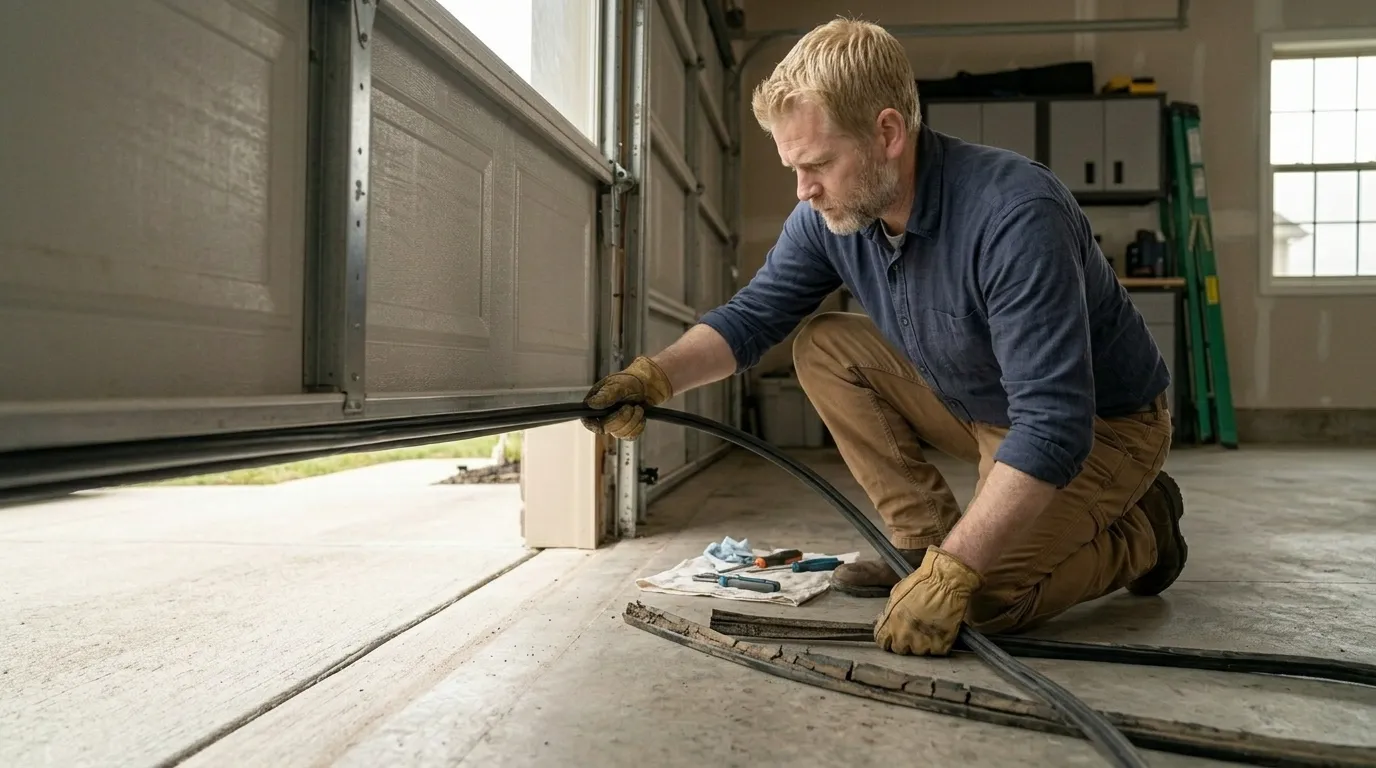
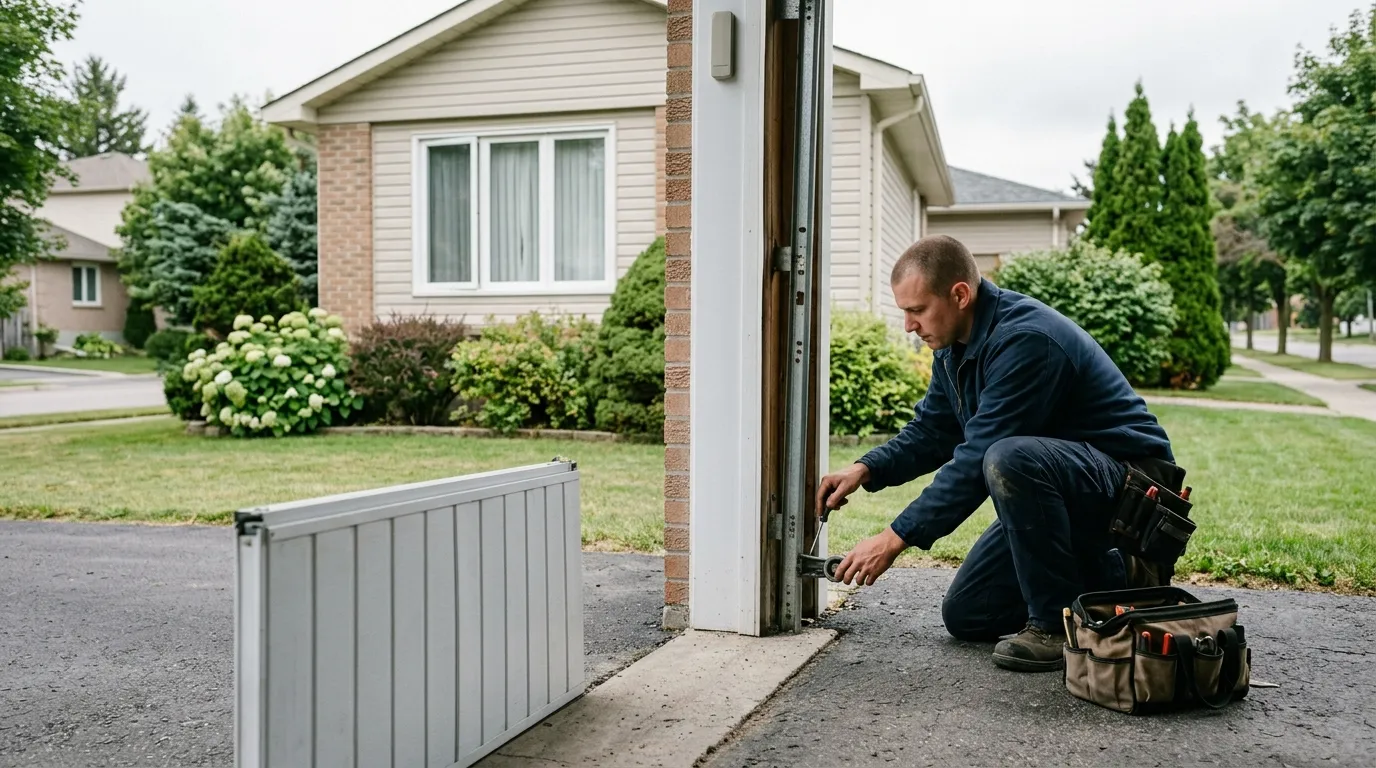
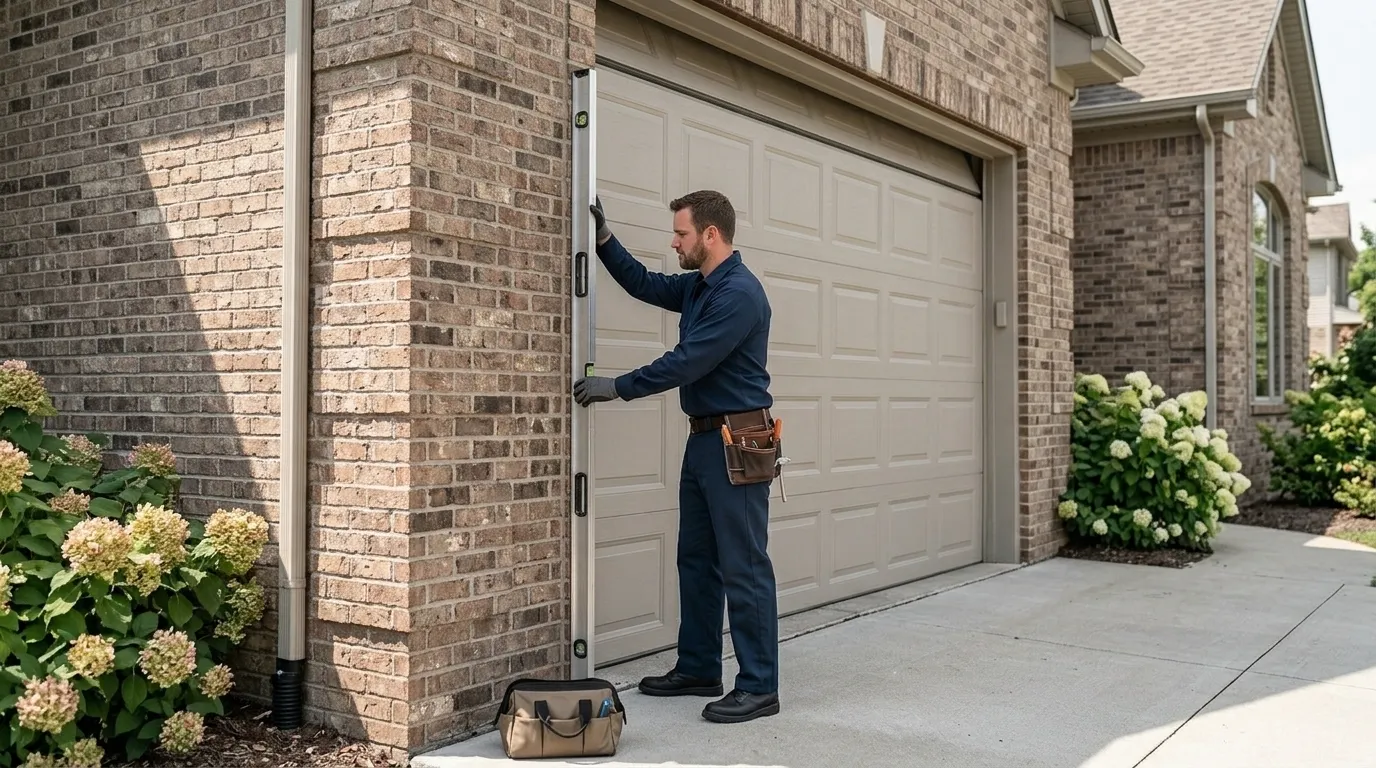
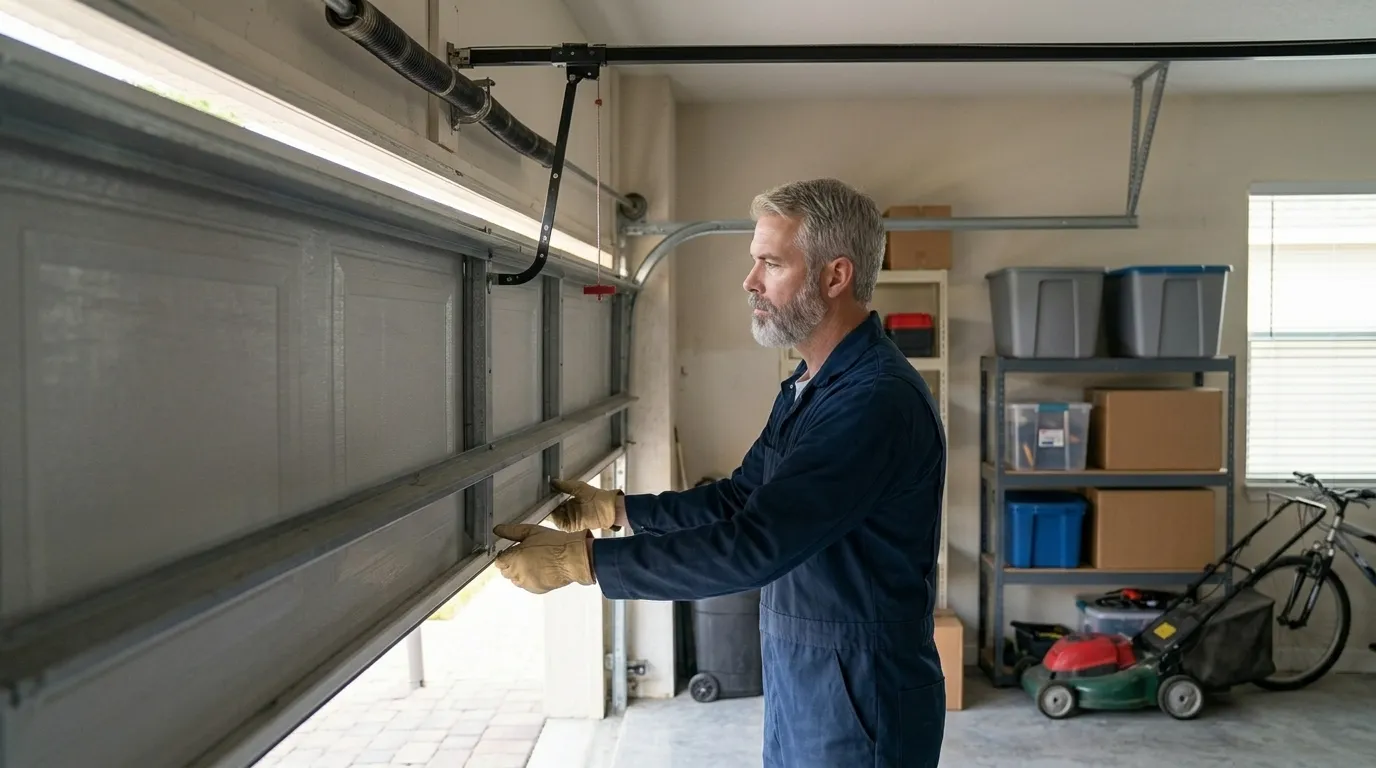
Before you call anyone, look at three things. First, the springs - if your house went up in the 1980s or 90s, which covers most of the stock around Brighton, you're likely looking at the original torsion spring or a first replacement. Wound wire that's rusted, flat-spotted, or has a visible gap when the door is down is near the end. Second, the track. Pull the door down by hand (opener disconnected) and watch the rollers in the vertical track. If they bind or jump on doors from that same era, the track has probably racked slightly over thirty-plus years of temperature swings, not from one bad day. Third, the bottom panel and weatherseal. On a door built between 1958 and 2010 - which covers nearly the whole local market - the bottom panel takes the brunt of ground moisture and salt runoff. If it's soft, delaminating, or the seal has hardened into a rigid strip that no longer flexes, that's your door telling you where the money should go first. None of this requires tools beyond a flashlight and a step stool. What it tells you is whether you're calling about a $40 seal or a full spring and track job.
What the Weather Here Does to It
Brighton sits in a cold, severe climate band, and that matters more to a garage door than most people think. Steel contracts hard in a deep freeze, and torsion springs lose a measurable amount of lift on the coldest mornings - a spring that's marginal in July can bind or snap in January. Vinyl and rubber weatherseals do the same thing in reverse: they stiffen, crack, and stop sealing right when you need them to keep wind-driven cold out of the garage. Houses built through the 1980s and 90s boom here often still run the door and opener hardware that came with the house, sized for the door weight at install but not for three decades of thermal cycling. That's the pattern we see: it's rarely one dramatic failure, it's cumulative flex fatigue from repeated cold snaps, showing up as a spring that finally lets go or a track bolt that's worked loose. A door that's been serviced through a few winters holds up. One that hasn't tends to fail in the cold, not the heat.
What Is Going On
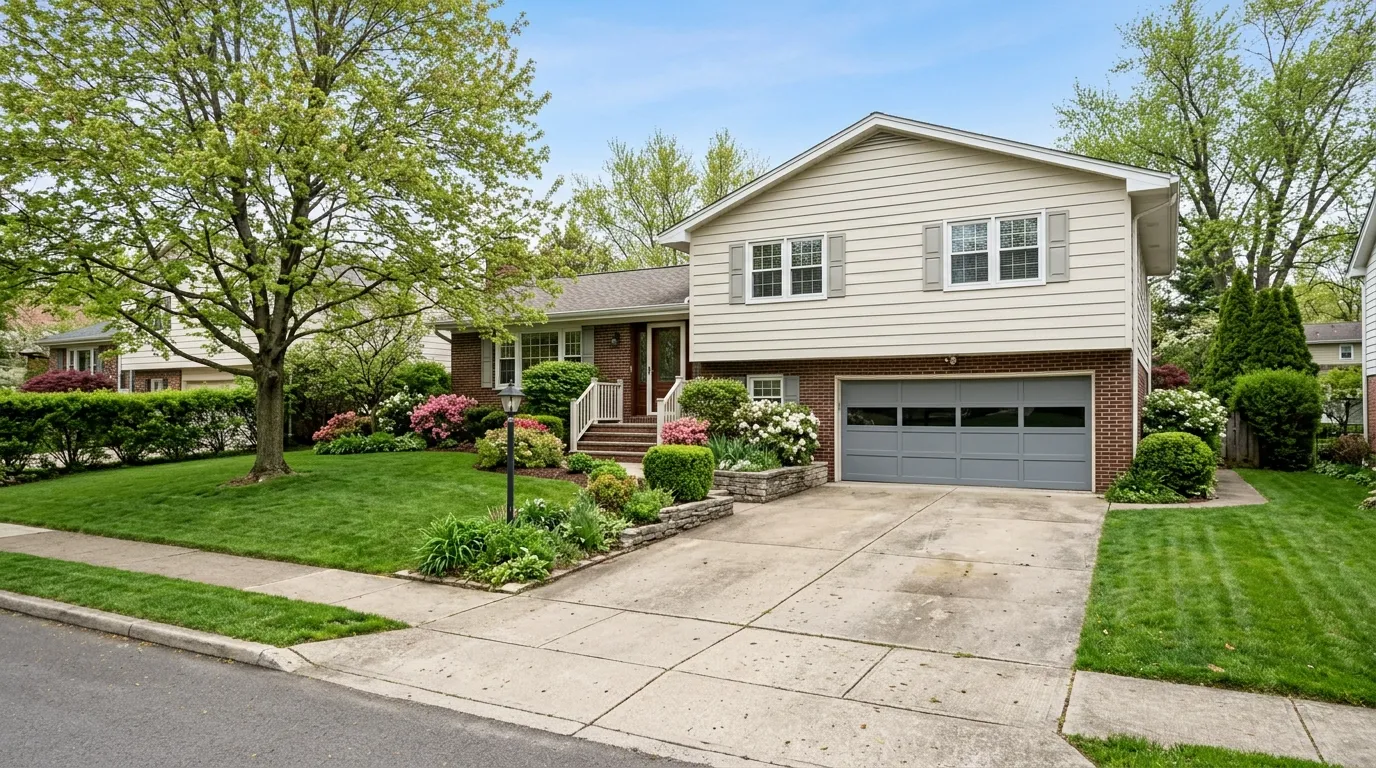
Across the Brighton area, housing runs from 1958 up through 2010, but the bulk of it - the 1980s and 90s stock spread across the roughly two dozen named subdivisions and unincorporated pockets out here - is now old enough that original hardware is reaching or past its service life. With around 105,000 households and just under 53,000 owner-occupied houses in the wider service area, that's a lot of doors built to a similar spec, aging on a similar clock, and hitting the same cold-weather stress at roughly the same time. That's not a sales pitch, it's just the math of when this area was built. A door that's ten years past its spring life and has weathered a decade of hard winters is a different repair conversation than one that's five years in. Knowing which bucket yours falls into is most of the decision - the rest is just checking the springs, the track, and the seal, in that order.