Common Jobs Here
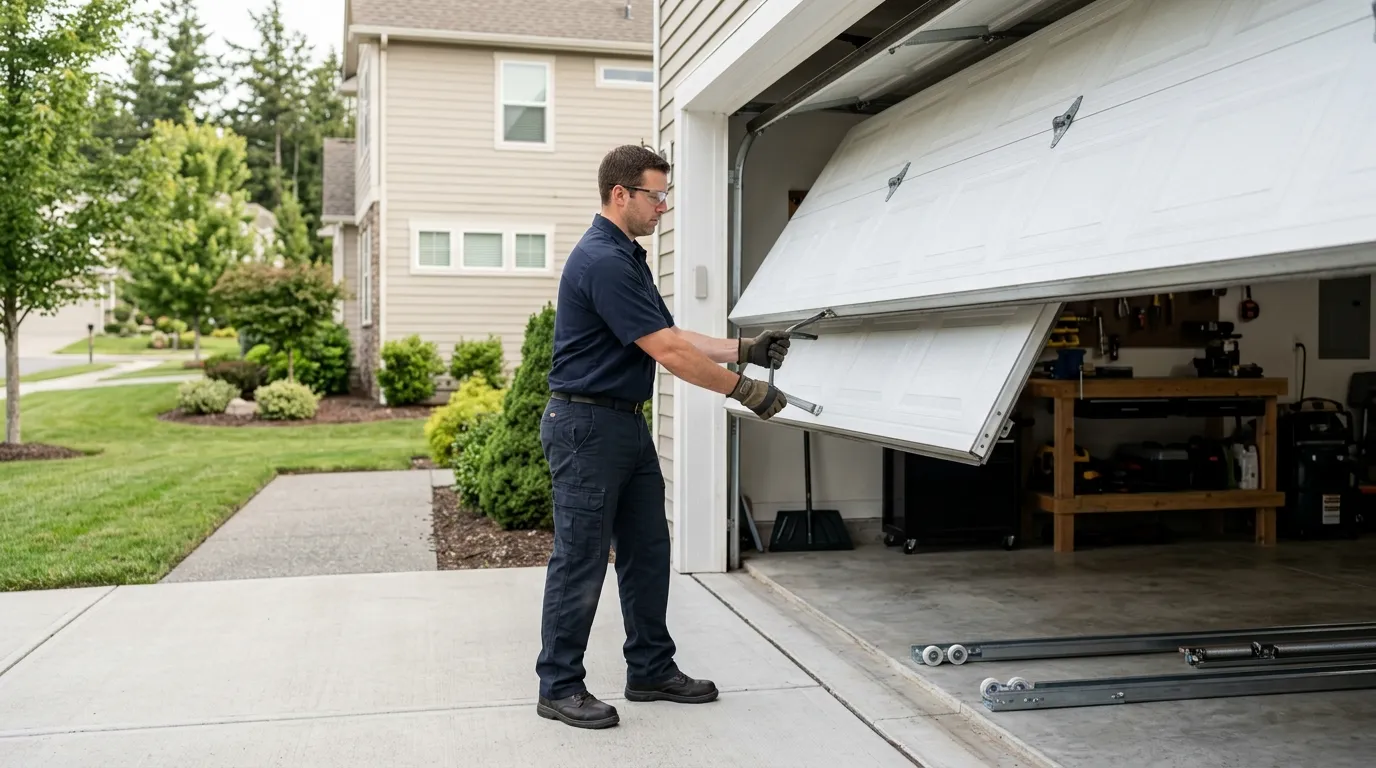
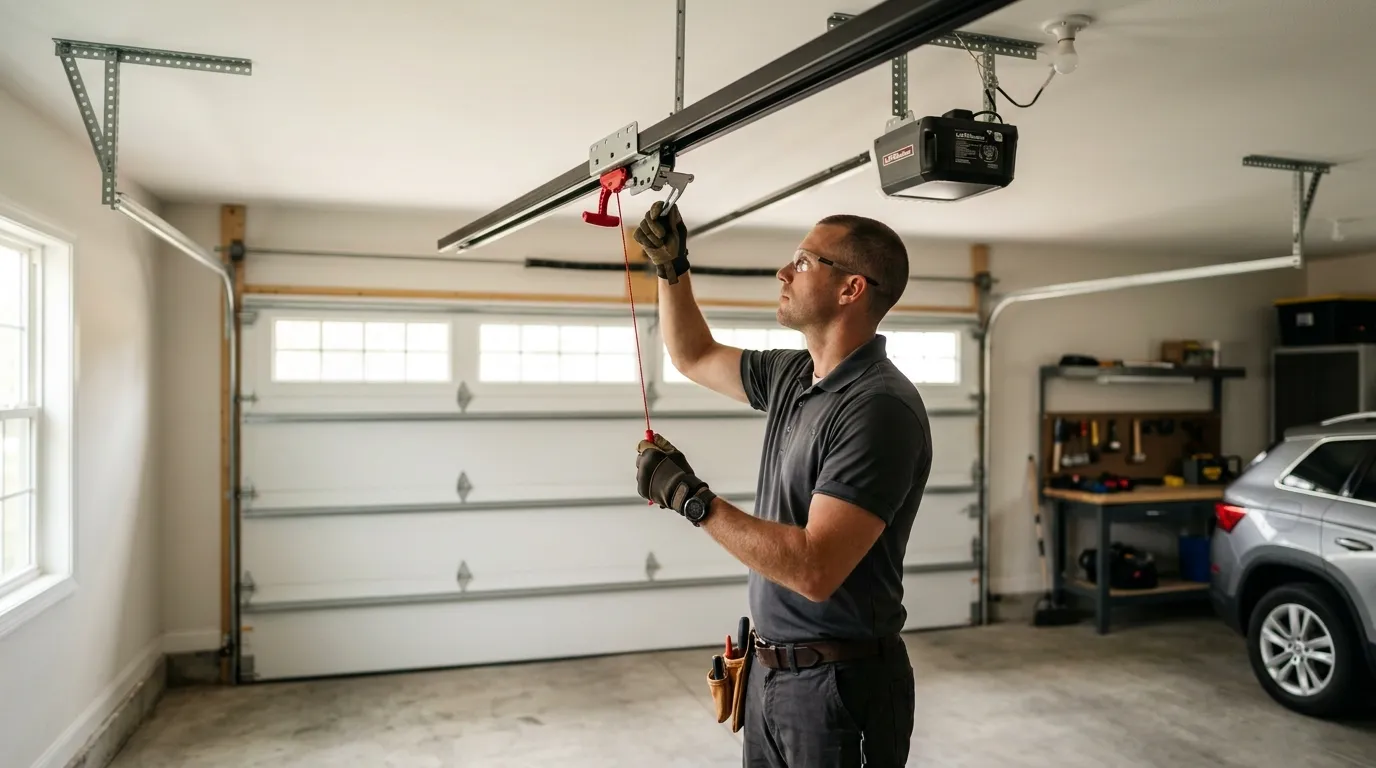
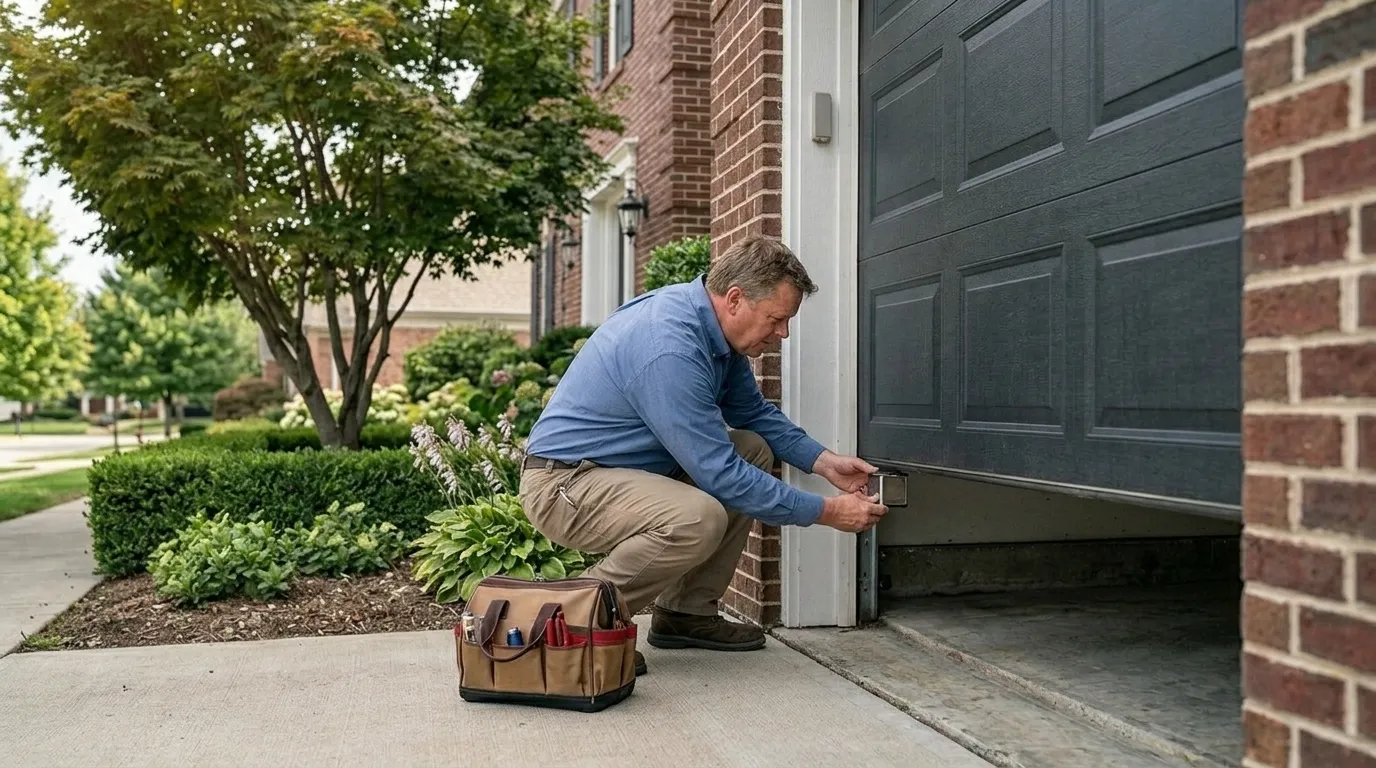
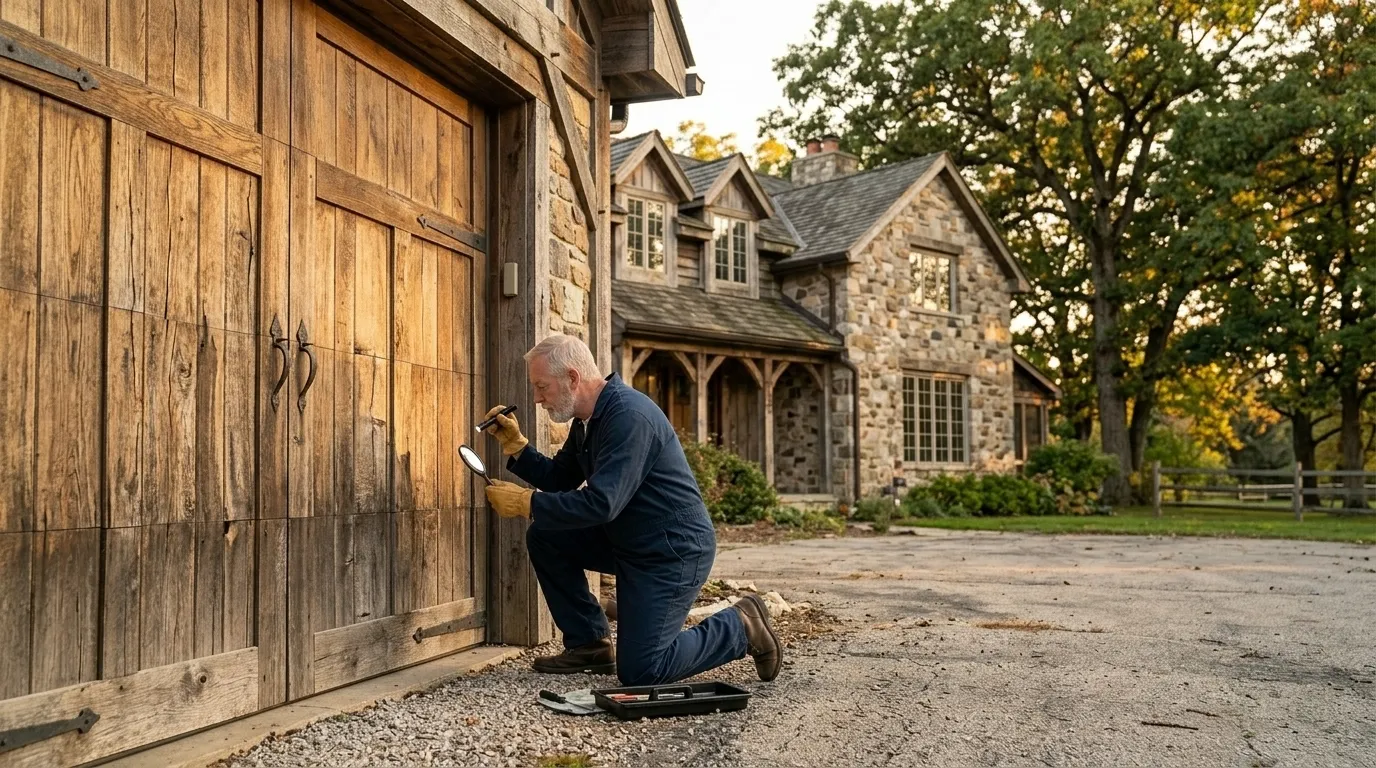
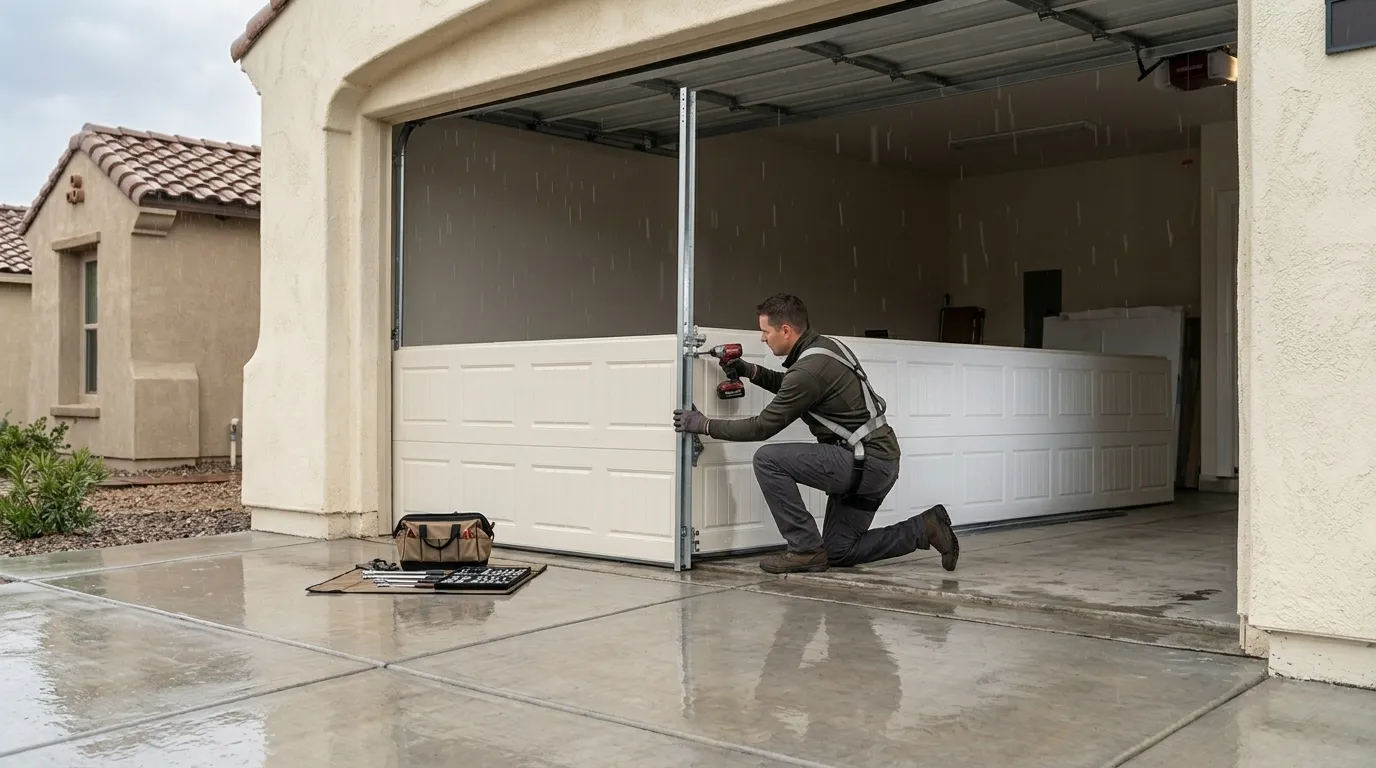
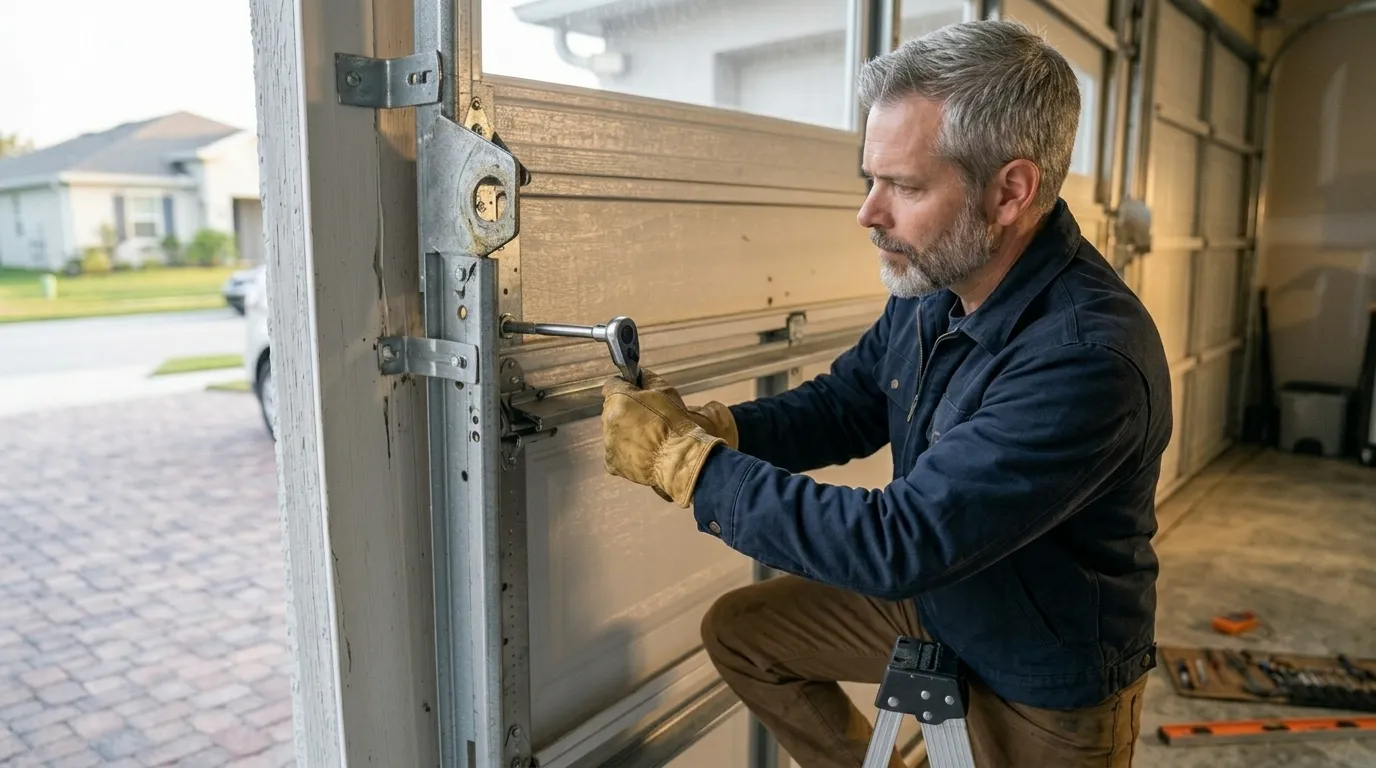
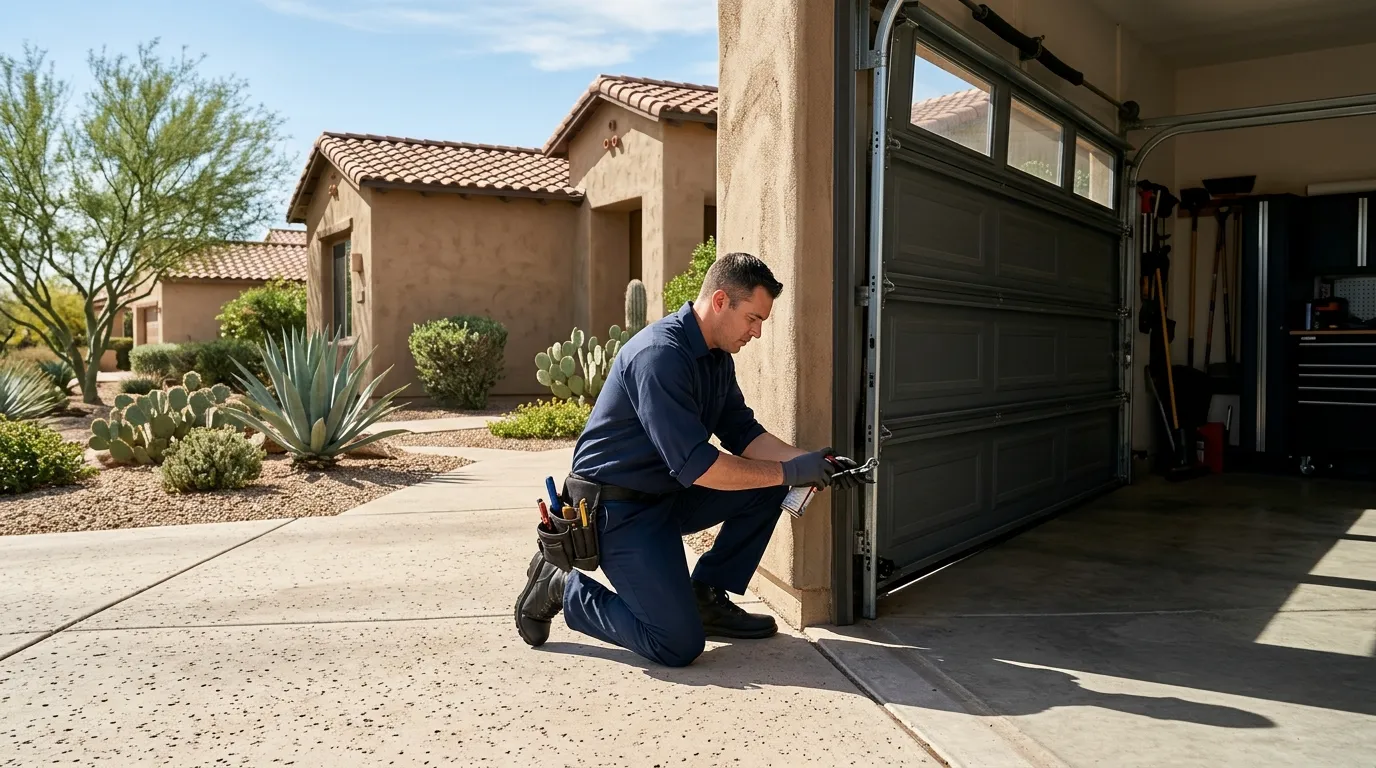
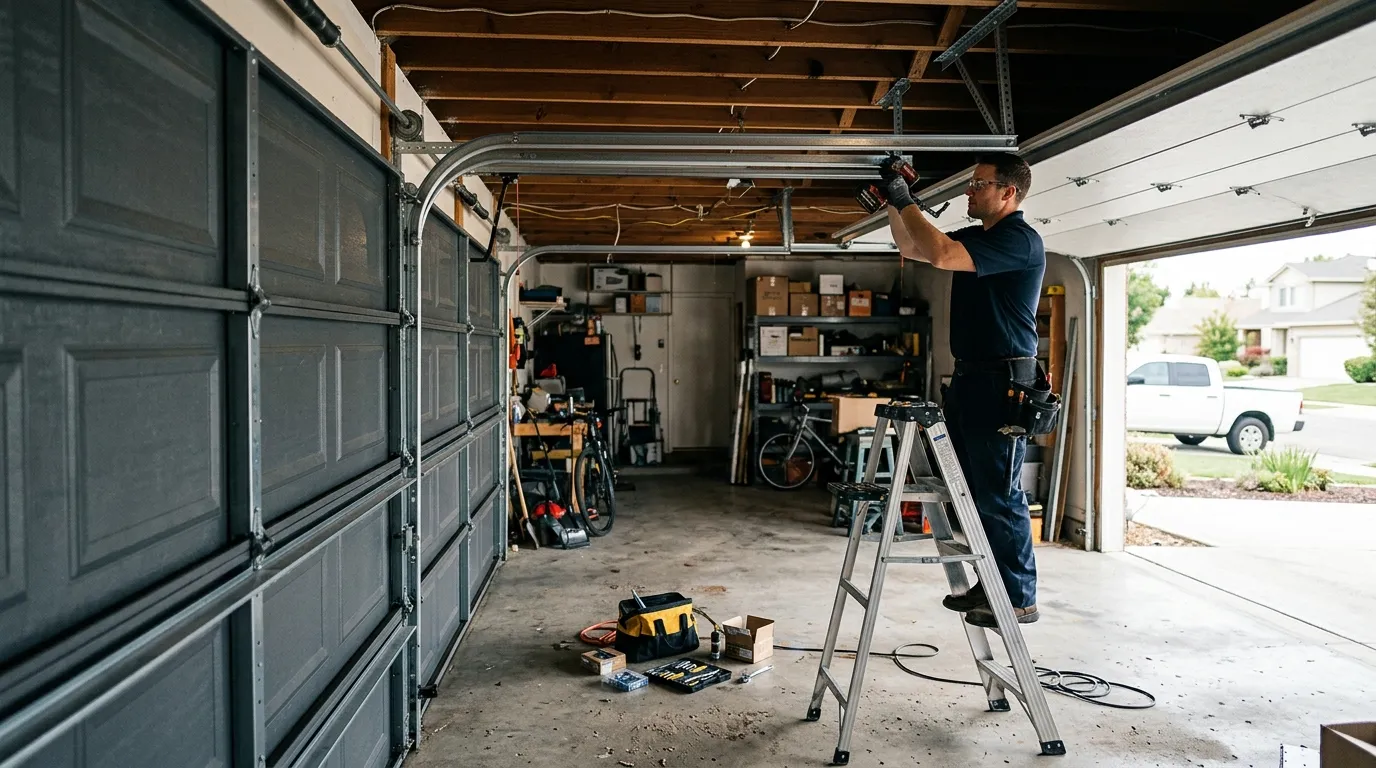
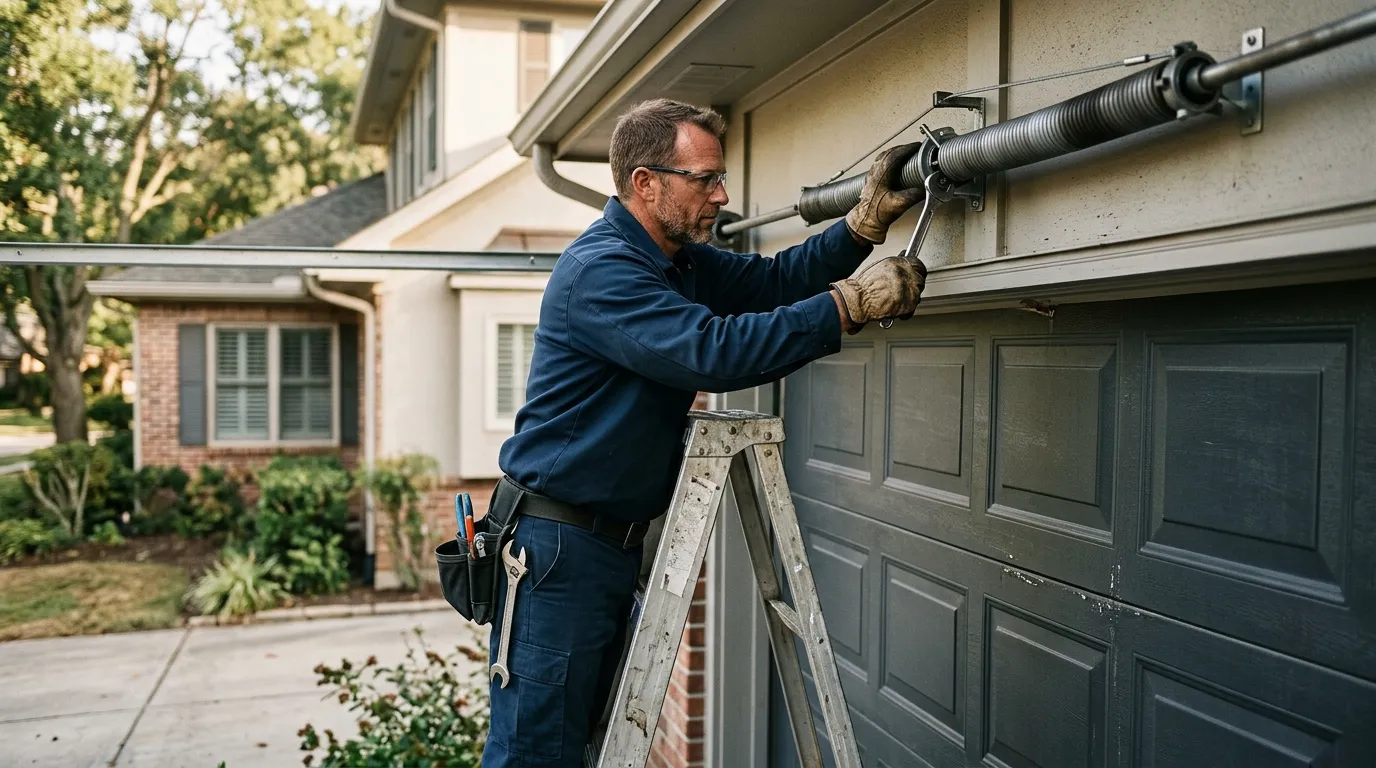
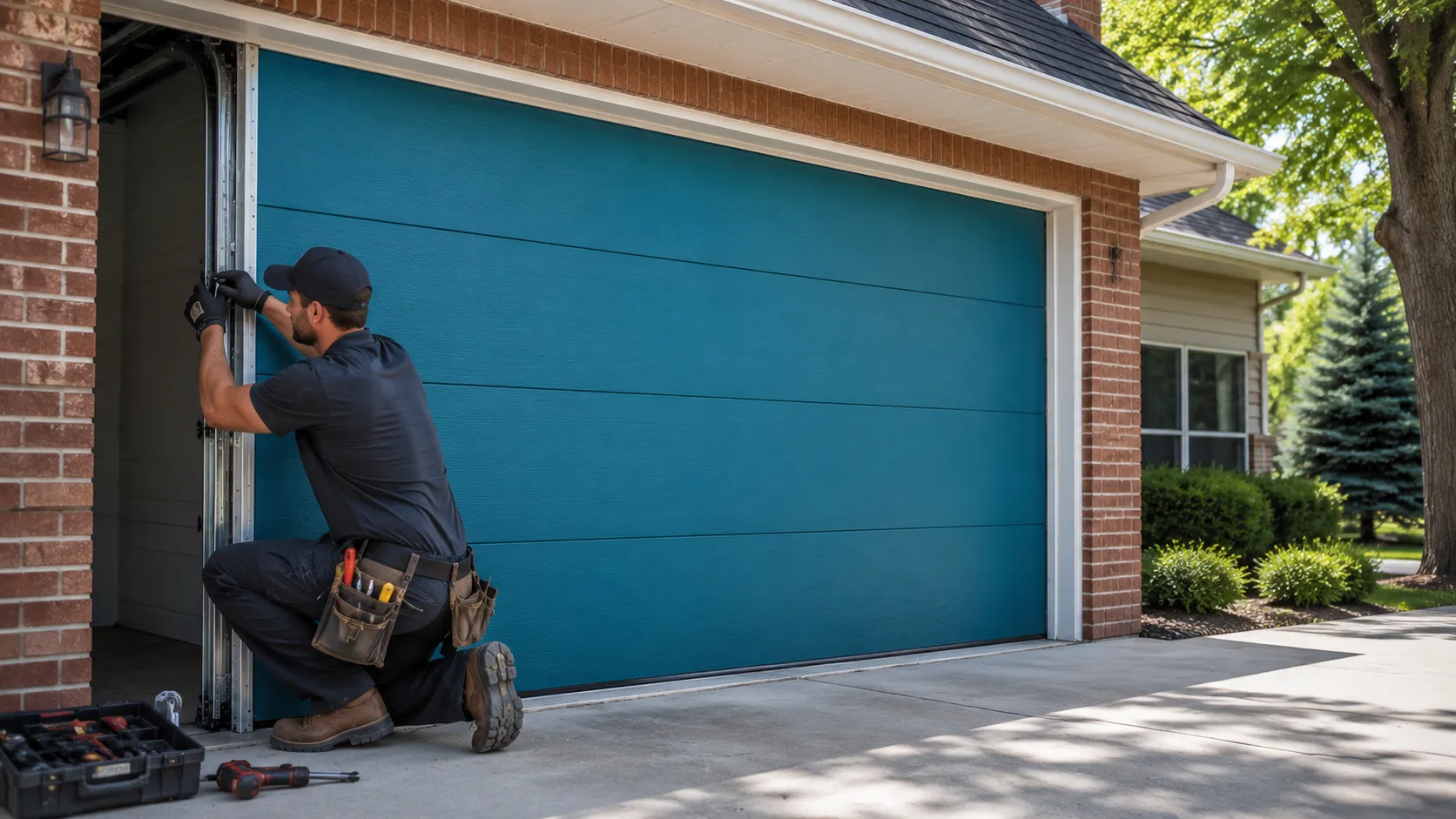
Hudson sits about 14 miles from our shop in Brighton, and the calls we get from out here skew toward older hardware. With most houses built around 1980 - a good decade before the median build year across the rest of our service area - we're working on doors and openers that have had more time to wear out. That means broken extension springs more often than torsion failures, worn-out drums, and openers original to the house that finally give up on the chain drive. We also see a fair number of section replacements on doors where the panels have taken hail or backed-into damage over 40-plus years, since matching an old panel profile gets harder the longer a door's been in service. This isn't a town where we're mostly swapping in smart openers on five-year-old doors. It's older gear that's been fixed once or twice already.
What People Here Ring About
The two most common calls: a door that won't budge because a spring let go, and an opener that runs but doesn't lift, which usually points to worn rollers or a cable that's jumped its drum. On a house built in 1980, that's not surprising - springs are rated for a number of cycles, not years, but a 45-year-old door has had plenty of both. We also hear from owners who've had a repair patched by someone else and want it done right, since parts on doors this age sometimes need to be special-ordered rather than pulled off a shelf. Hudson's median household income runs $71,429, noticeably lower than the $87,623 median across the wider area we cover, and that shows up in the calls too - more owners here ask about repairing what they have before they'll consider a full replacement, and that's often the right call on a door this age if the frame and track are still square.
The Houses Here
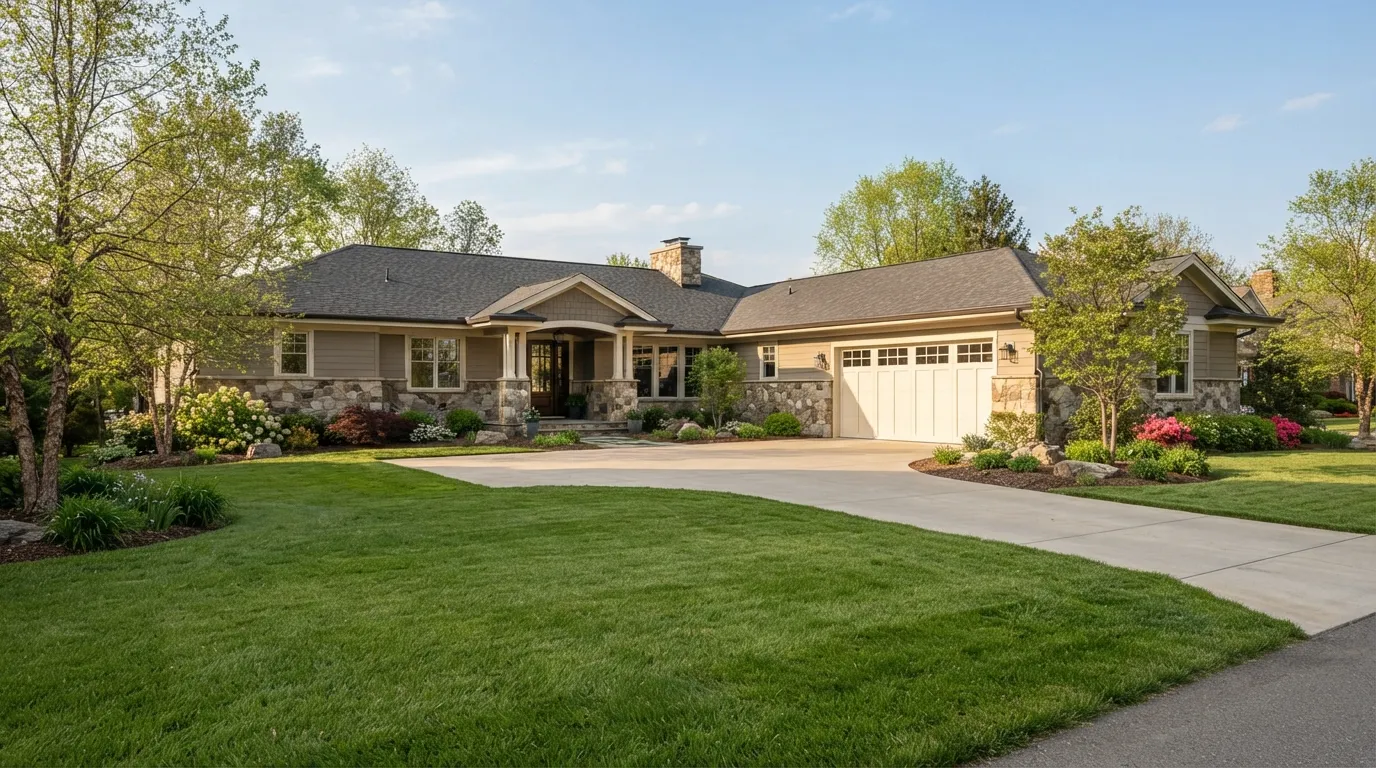
Hudson is a small community as we cover it - about 610 households - which keeps the housing stock more uniform than what you'd find in a larger, newer subdivision. Most of what's out here was built around 1980, well ahead of the service area's overall median of 1991, which is the reason the hardware conversation above matters so much for this specific town. Older stock also tends to mean single-car and two-car garages built to the dimensions standard at the time, so a replacement door sometimes needs a size double-check rather than an assumption that today's stock sizes will drop right in. We don't have manufacturer or install-year records for individual houses here, so on any given job we're diagnosing what's actually on the wall rather than guessing from the neighborhood's age alone - but knowing the general era going in saves time on the truck.