What You Pay
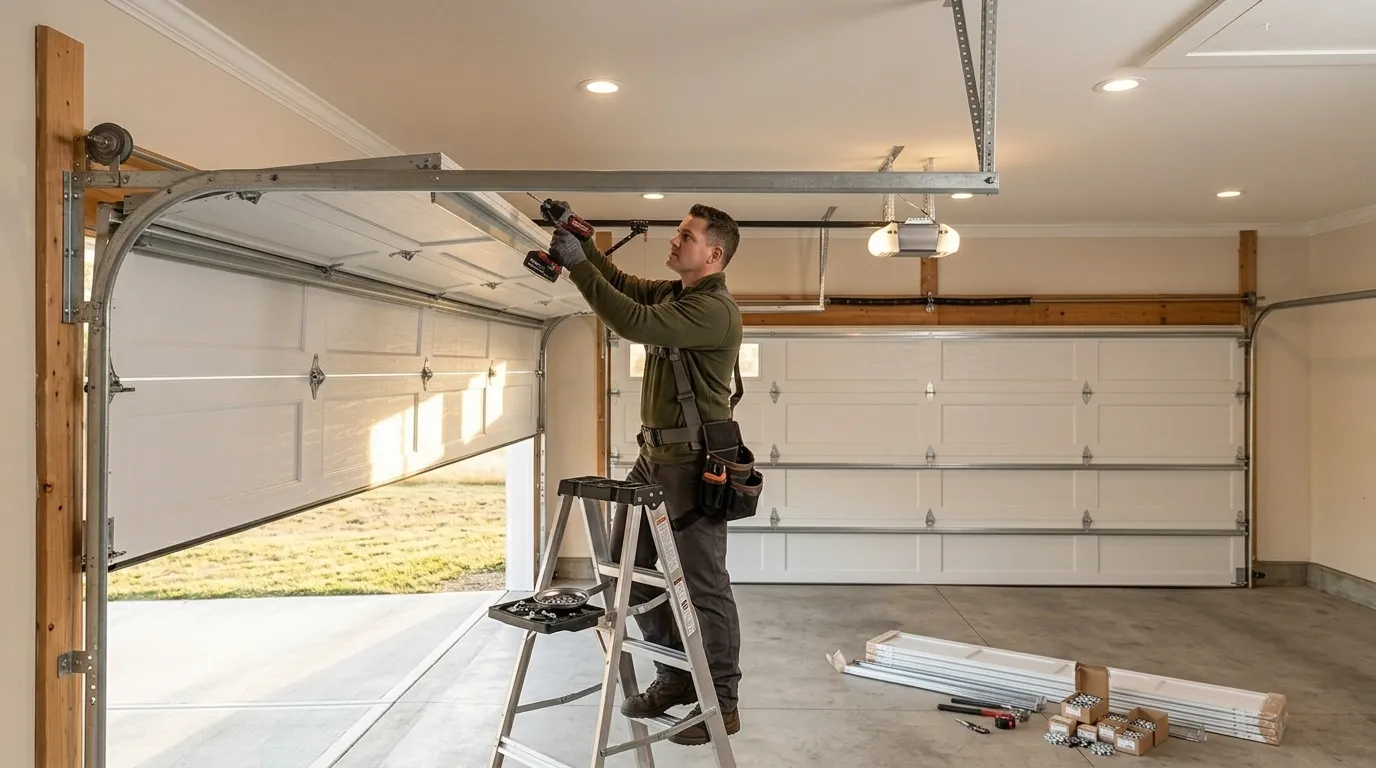
We're not going to throw a number at you that doesn't hold up once we're standing in your driveway, because installation cost here depends on what's already on the wall. A lot of Brighton openings were framed for the single-panel doors that shipped with houses built between 1958 and 2010, with most of that stock going up in the 1980s and 90s. Swap that original door for a modern insulated sectional and you're often also swapping the track radius, the header bracket, and sometimes the spring system, because the old hardware was sized for a lighter door. That's three line items, not one.
Insulation matters more here than it does in a mild climate, since we're in a cold-severe band and an uninsulated steel door loses heat fast on the nights that matter. R-value upgrades cost more up front and they're not optional if the garage shares a wall with living space.
What we won't do is quote you a flat number over the phone before we've seen your opening, your framing, and your current spring size. Anyone who does that is guessing, and the guess usually gets worse once the truck shows up.
Where This Job Goes Sideways
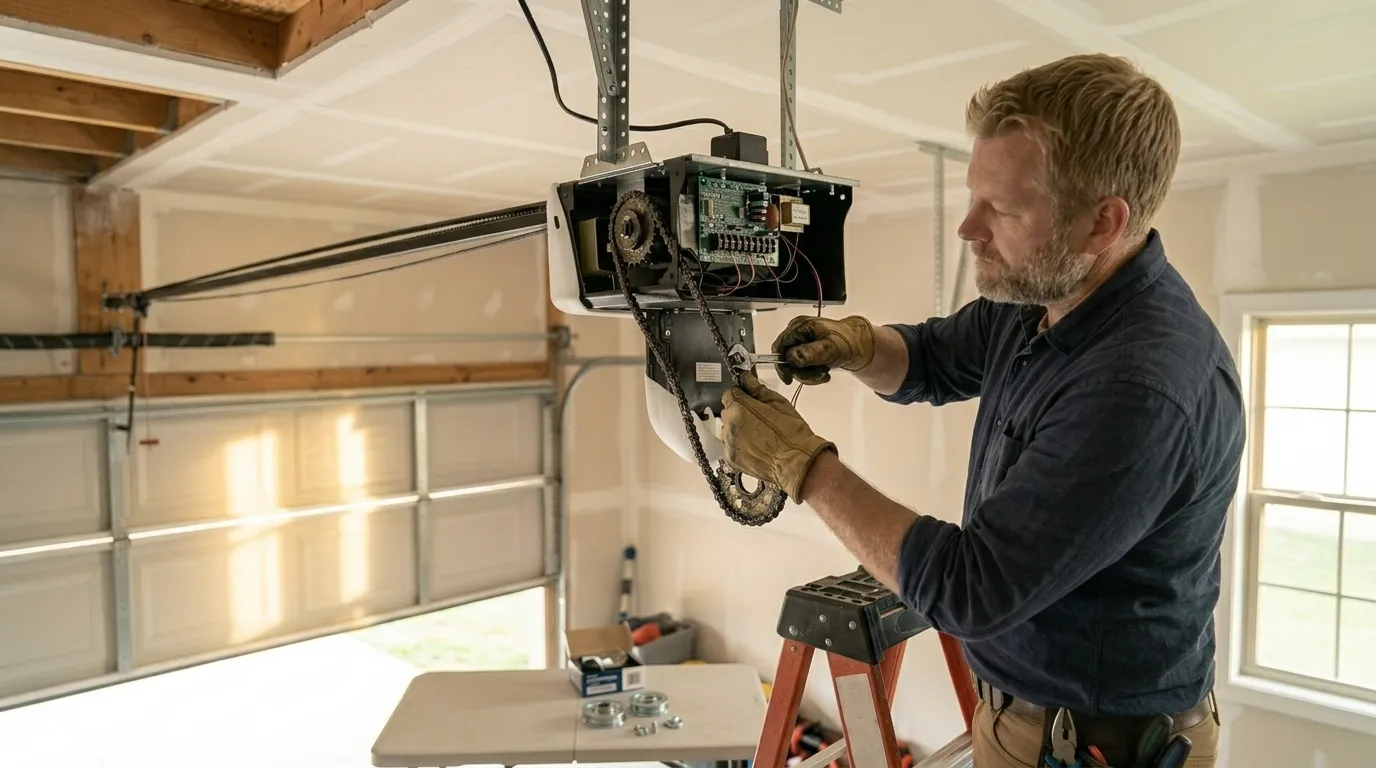
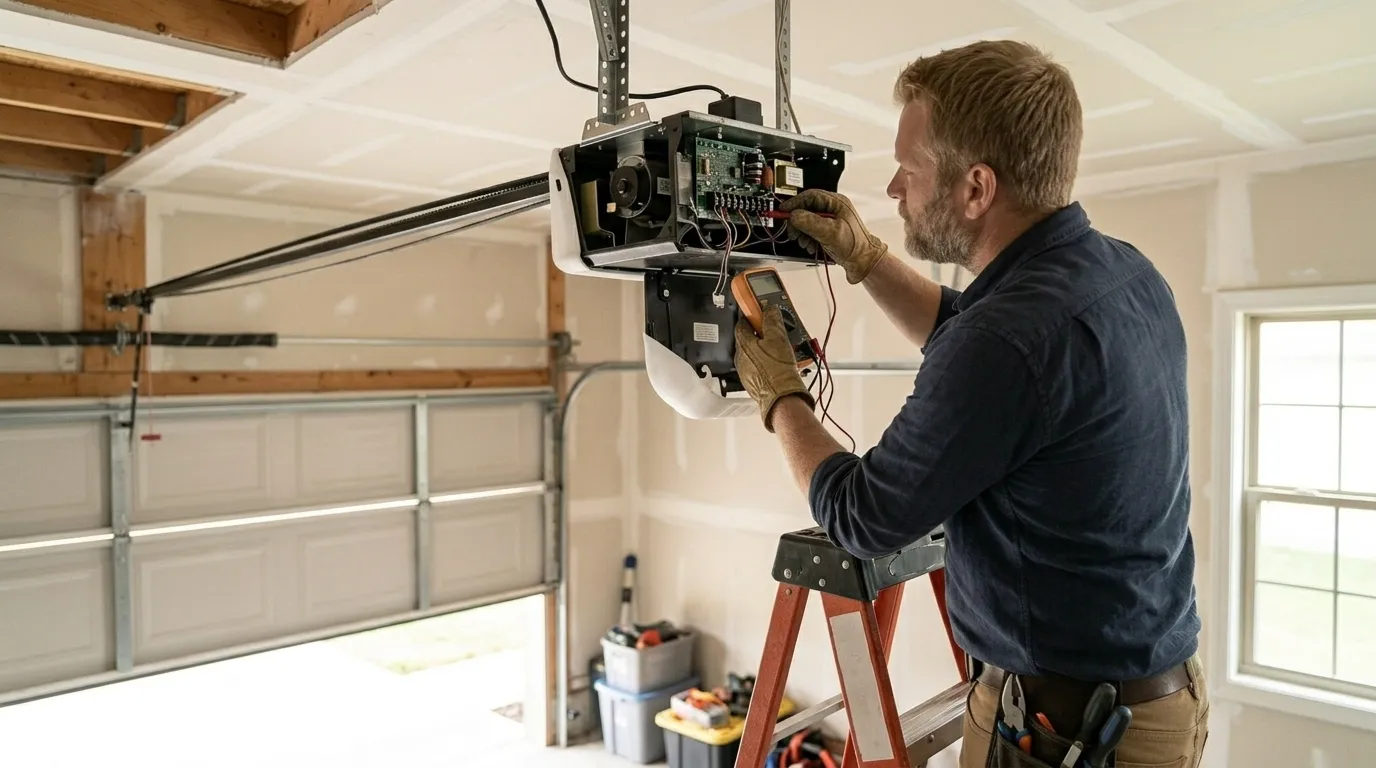
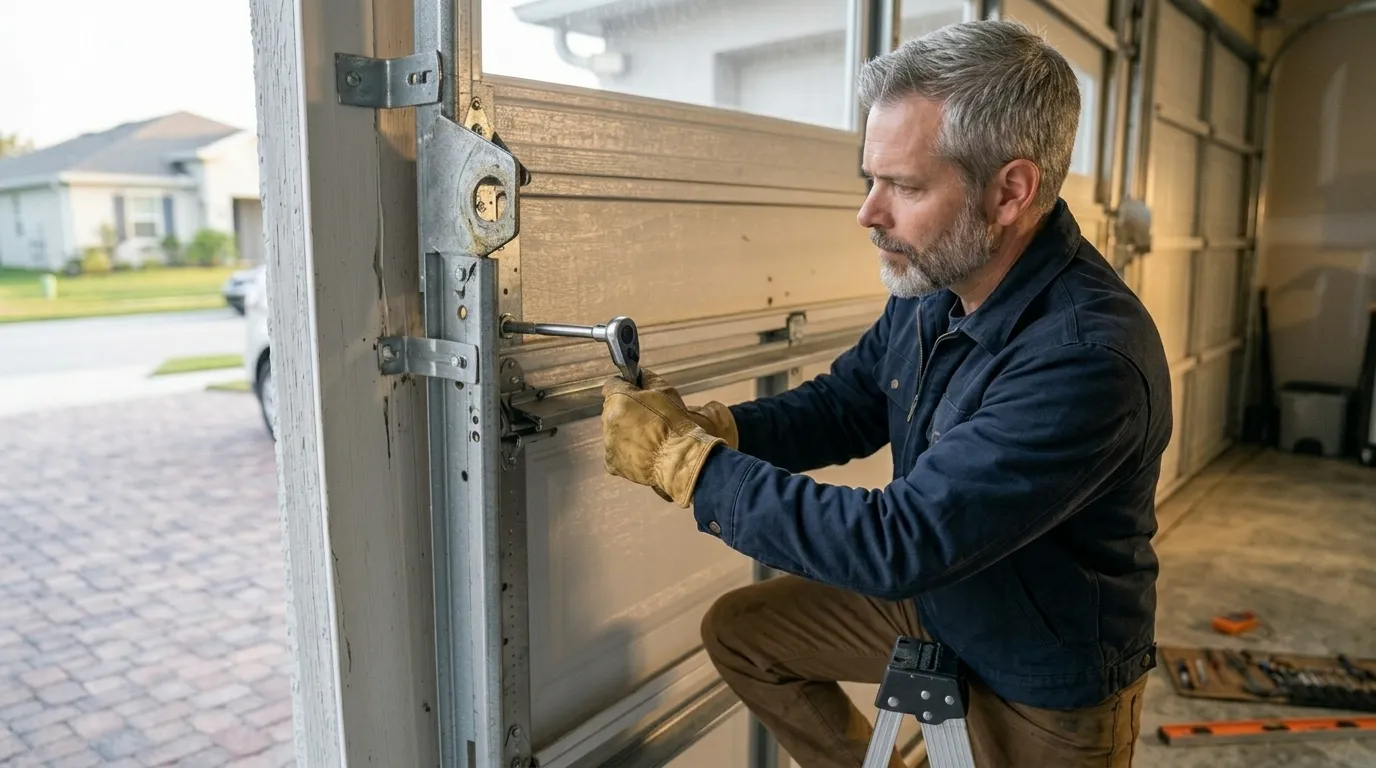
The most common mistake we see on Brighton installs isn't the door itself, it's the opener bracket. Houses built in that 1958-2010 range, especially the 1980s and 90s tract builds that make up most of the area, often have headers that were never reinforced for a heavier insulated door plus a modern opener. Bolt a new opener straight into that old header and you get sag within a couple of years, sometimes less.
The second place it goes wrong is track alignment on garages with a slight slab settle, which shows up a lot in homes from that same build era. If the installer doesn't shim for it, the door binds on one side within the first winter, right when the cold makes the steel and the nylon rollers least forgiving.
Third: matching spring weight to the new door, not the old one. A double door bought heavier and more insulated than the original needs a different torsion spring cycle rating. Reuse the old spring to save a step and you'll be back out here in a year for a snapped cable, not a smooth install.
The Symptom
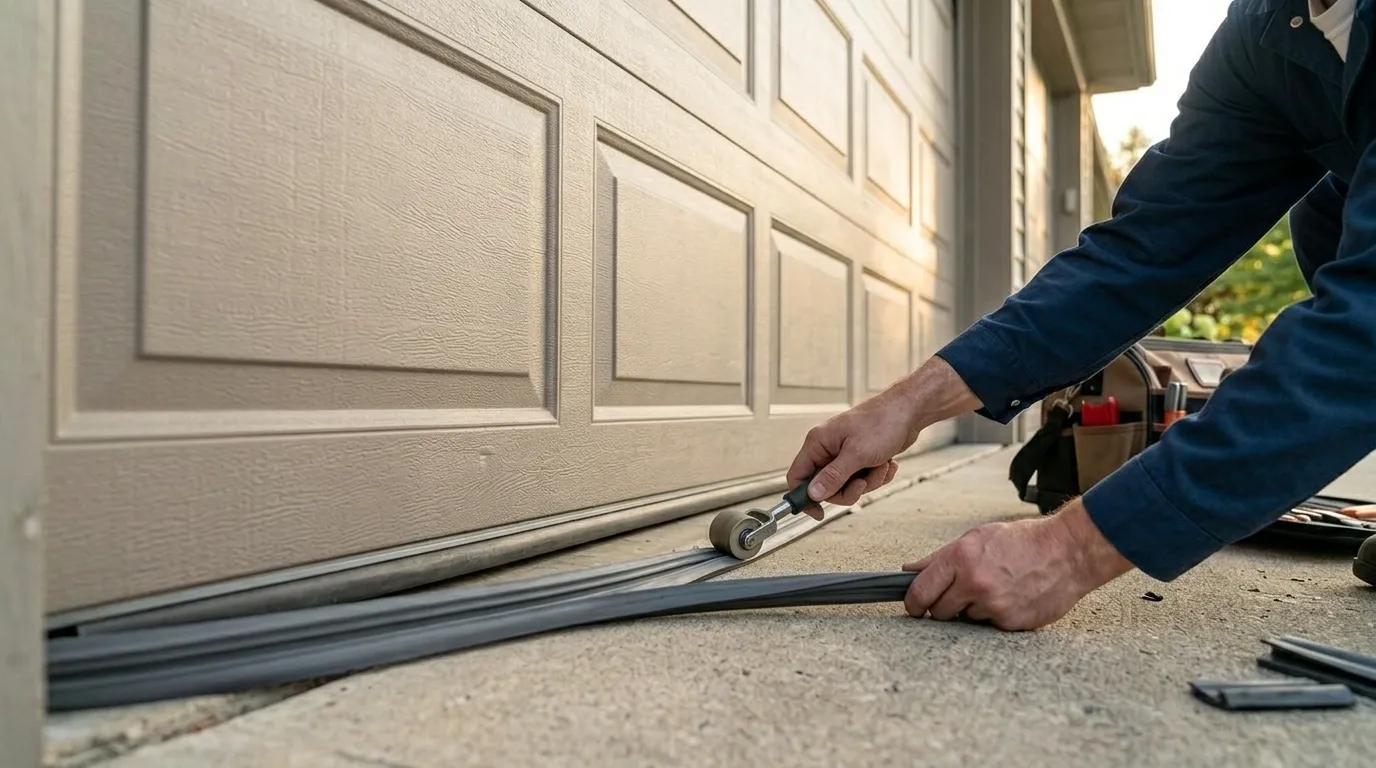
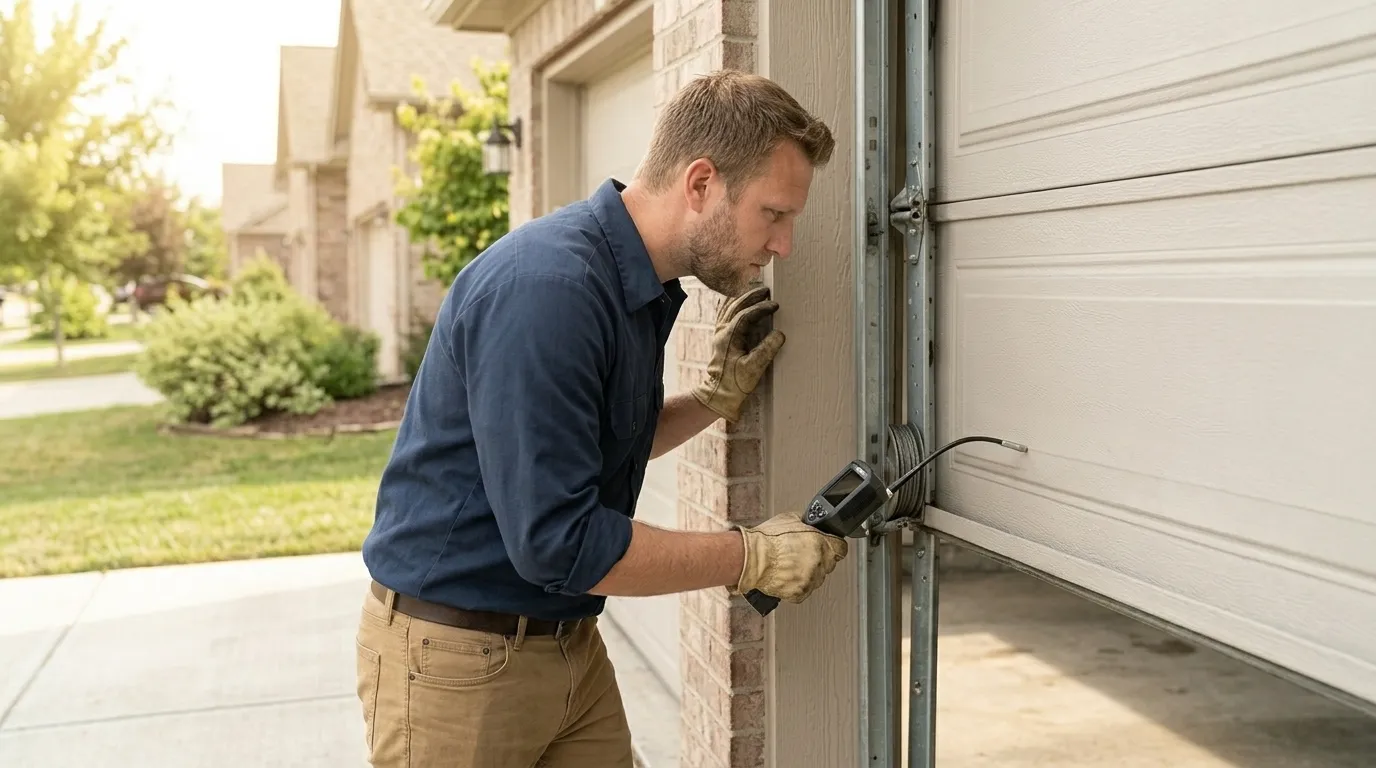
You'll usually notice it before it breaks all the way. The door starts closing crooked, dropping faster on one side than the other, or the opener chain strains and clicks on the last foot of travel. Sometimes it's a gap along the bottom seal that wasn't there when the door was new, which on an older Brighton house often means the track has walked slightly out of alignment with the slab settle.
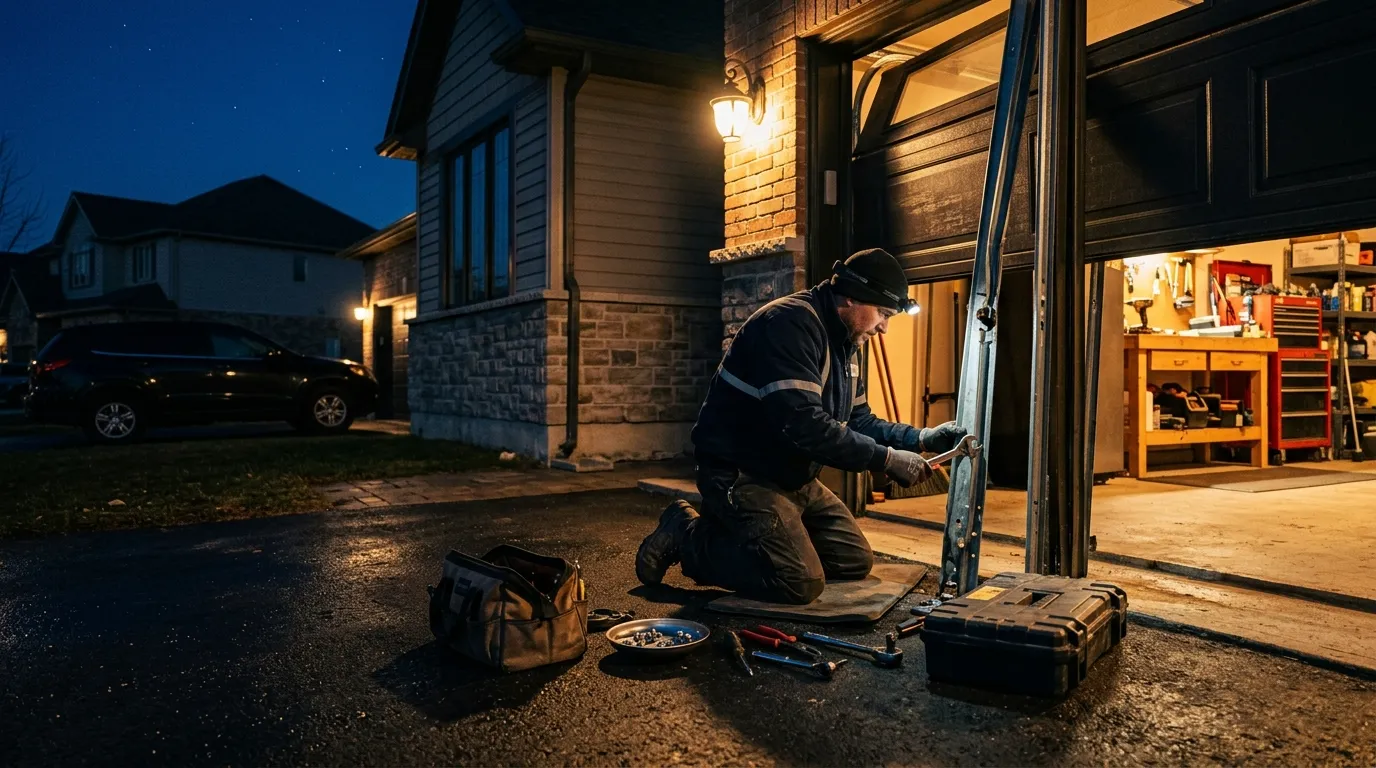
If you're hearing a grinding pop on cold mornings specifically, that's usually a spring under more load than it's rated for, not a door problem at all. It'll often work fine again once the sun's up and the steel warms a little, which is exactly why people put off calling until the spring lets go completely.
One honest note: if your door and opener are both original to a house from the 1980s or 90s and the header's never been reinforced, a full install is usually the right call over another patch repair. We'll tell you that straight instead of billing you for a fix that won't outlast the winter.