Common Jobs Here
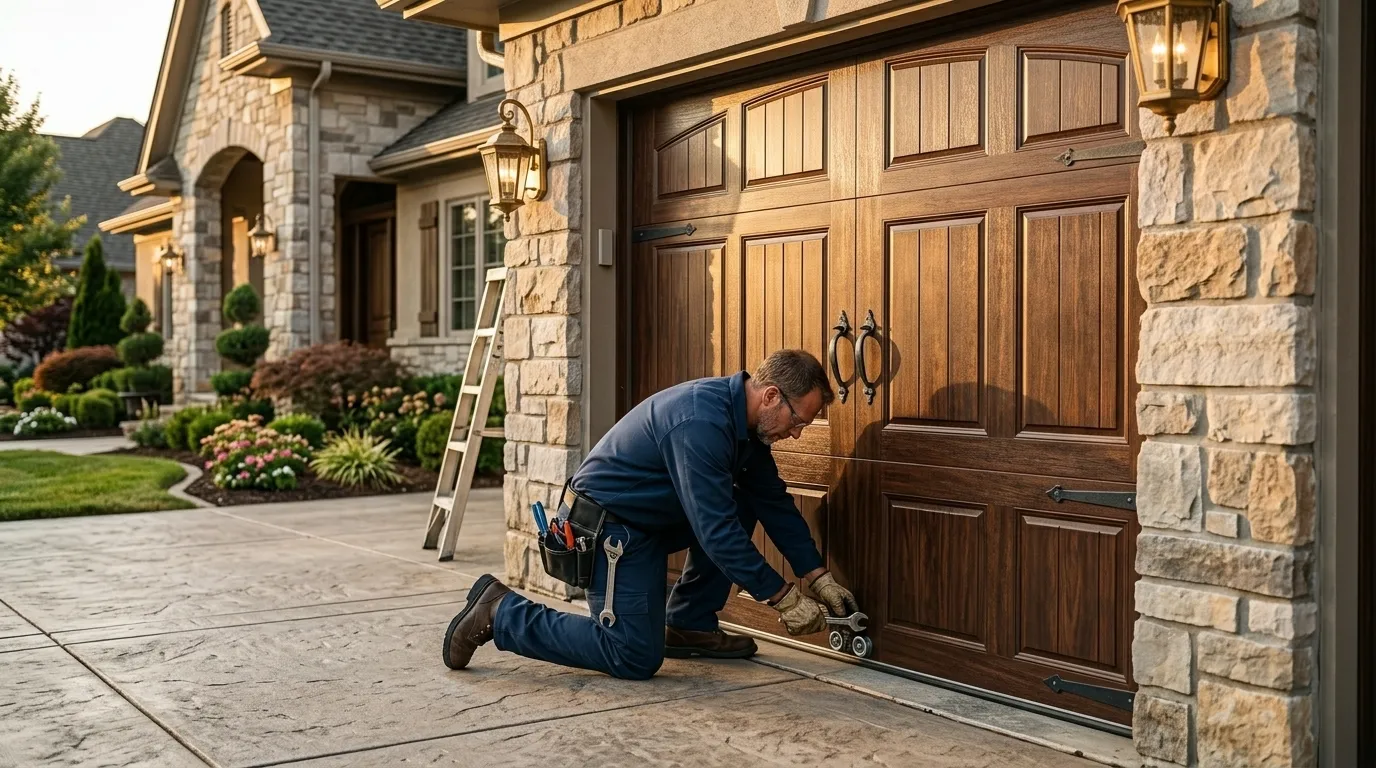
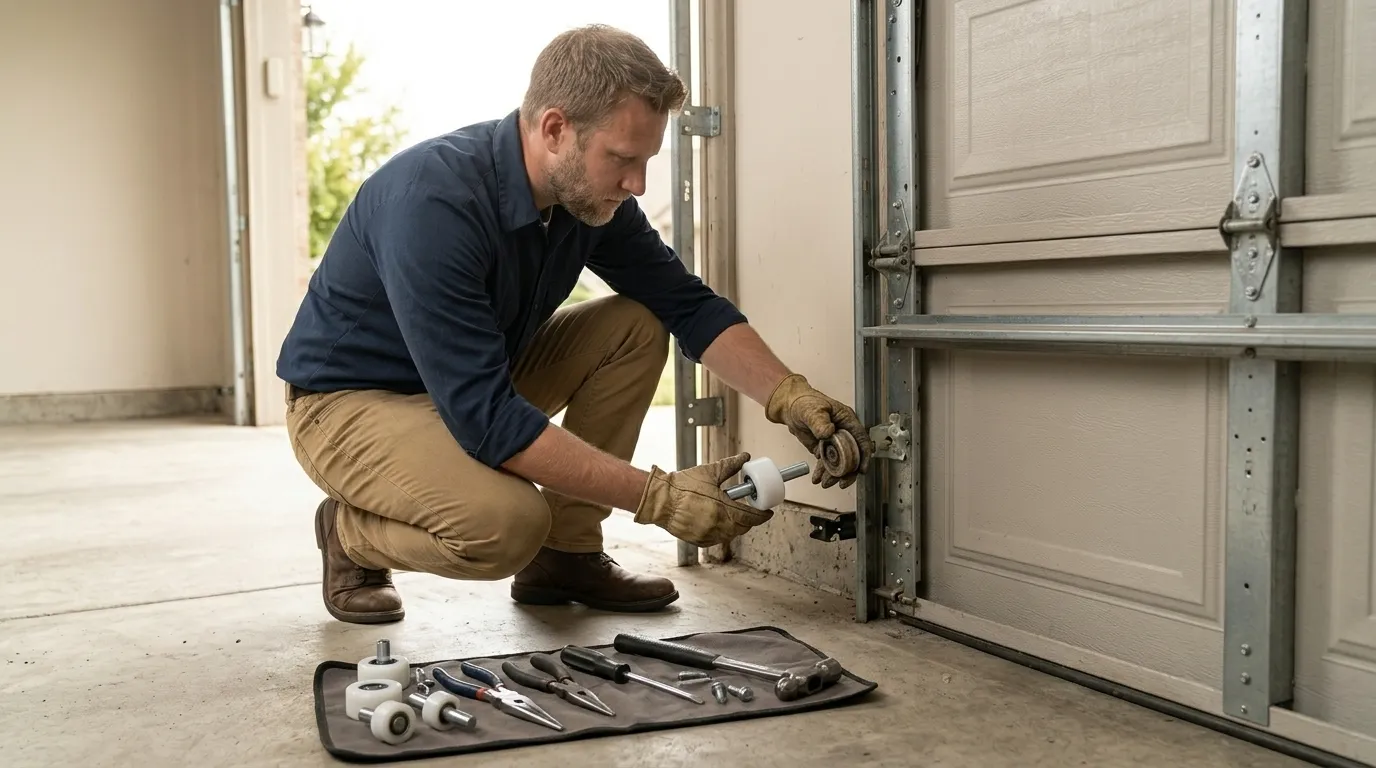
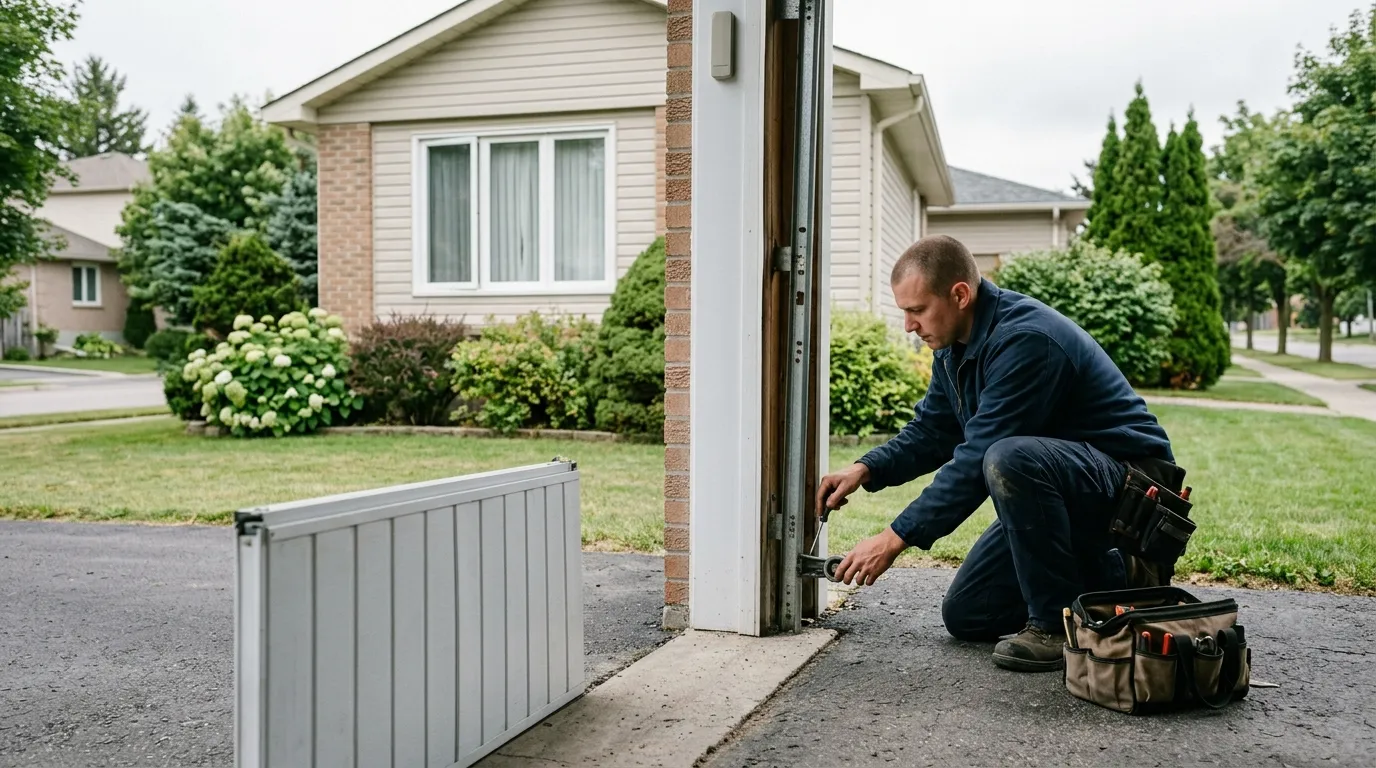
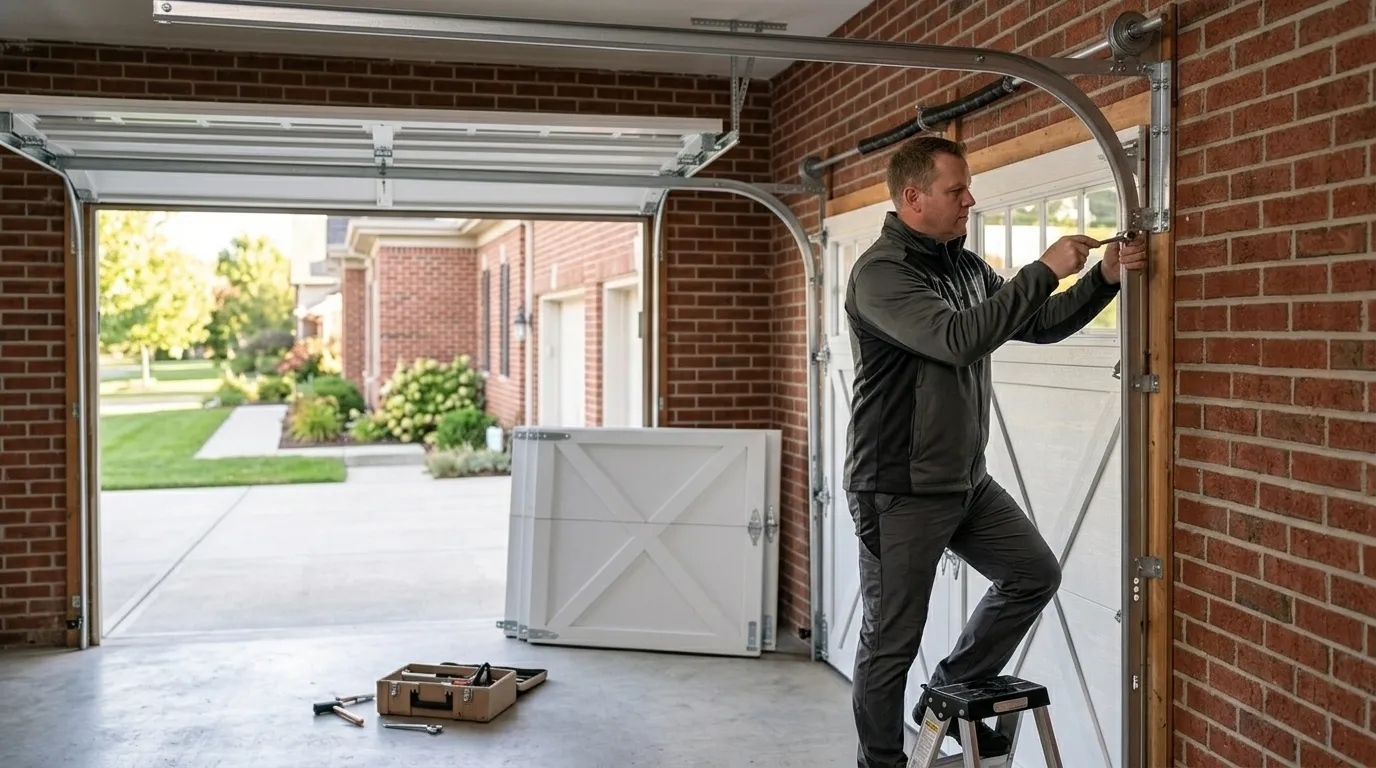
We drive out to Louisville from Brighton, about 18 miles, mostly for torsion spring replacement and opener swaps on doors that are pushing 25 to 35 years old. The median home here was built around 1991, and Louisville's household income runs well above the wider service area's $87,623 median - this is one of the higher-income pockets we reach. That shows up in the calls: fewer patch jobs, more requests to replace an aging insulated door outright rather than nurse it along with a part. We still see plenty of broken springs and worn rollers, but we also get more calls asking about upgrading to a quieter belt-drive opener or a heavier-gauge insulated panel than we do in older, lower-turnover neighborhoods. With 7,963 households in Louisville, it's not a huge market, but it's a steady one, and the doors that fail tend to be original equipment from the build era rather than a mix of decades like you'd find in an area with more scattered infill.
We don't stock every part on the truck for every door style, so if a job needs an odd-sized panel or a discontinued opener board, expect a short wait on parts. That's the honest version - we'd rather tell you up front than promise a same-day fix we can't back up.
What People Here Ring About
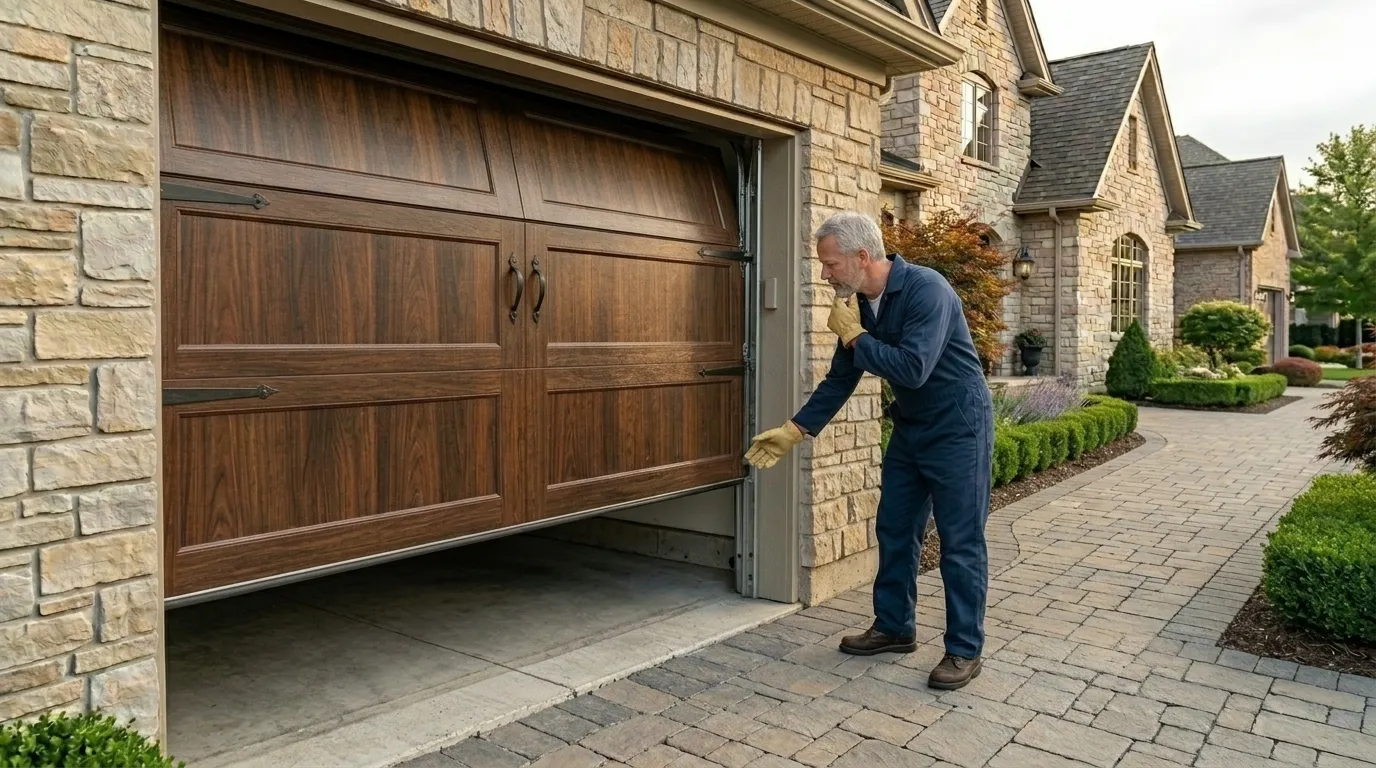
Most calls from Louisville fall into two buckets: a spring that snapped overnight, usually on a door with the original torsion hardware from whenever the house went up, and an opener that's started grinding or stalling halfway through its cycle. Given the median build year of 1991, a lot of these openers are on their second or third motor already, and a lot of the springs are original - nobody replaces a spring on a schedule, they replace it when it breaks.
Because household income here sits well above the broader area average, we also get calls that start with 'it still works, but' - homeowners asking about upgrading insulation, swapping to a quieter drive, or replacing a door that's functional but dated rather than waiting for it to fail outright. That's a different kind of call than a straight repair, and it changes what we bring on the truck. We don't push a replacement when a repair will hold - if a spring swap and a new set of rollers gets you another decade, we'll say so, even on a job where the homeowner was ready to replace the whole door.
The Houses Here
Louisville sits about 18 miles from our Brighton base, and the housing stock lines up with the area's overall build pattern - mostly 1980s and 90s construction, with a median year built of 1991. That means original single-car and double-car garage doors on torsion springs sized for that era's door weight, not the newer high-cycle springs you'd find on a house built in the last ten years.
With 7,963 households and a median income of $149,159, this is a smaller, more affluent slice of our coverage area compared to some of the other towns we reach. We don't have data on specific subdivisions or street-level construction here, so we're not going to guess at builder names or neighborhood-by-neighborhood detail - what we can say is that a house from this build era almost always means original torsion hardware unless someone's already had it swapped, and that's the first thing worth checking before anything else.