Common Jobs Here
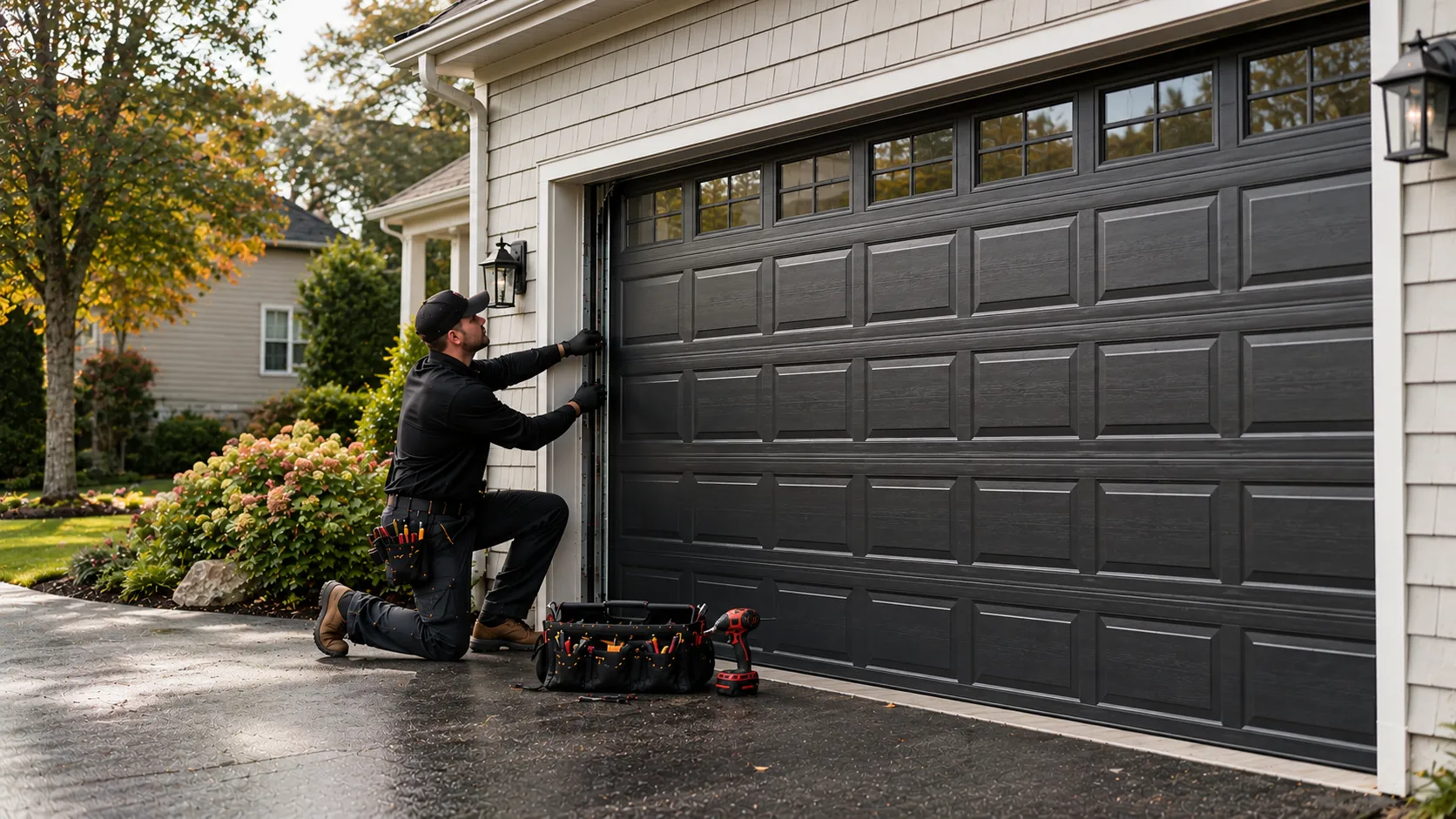
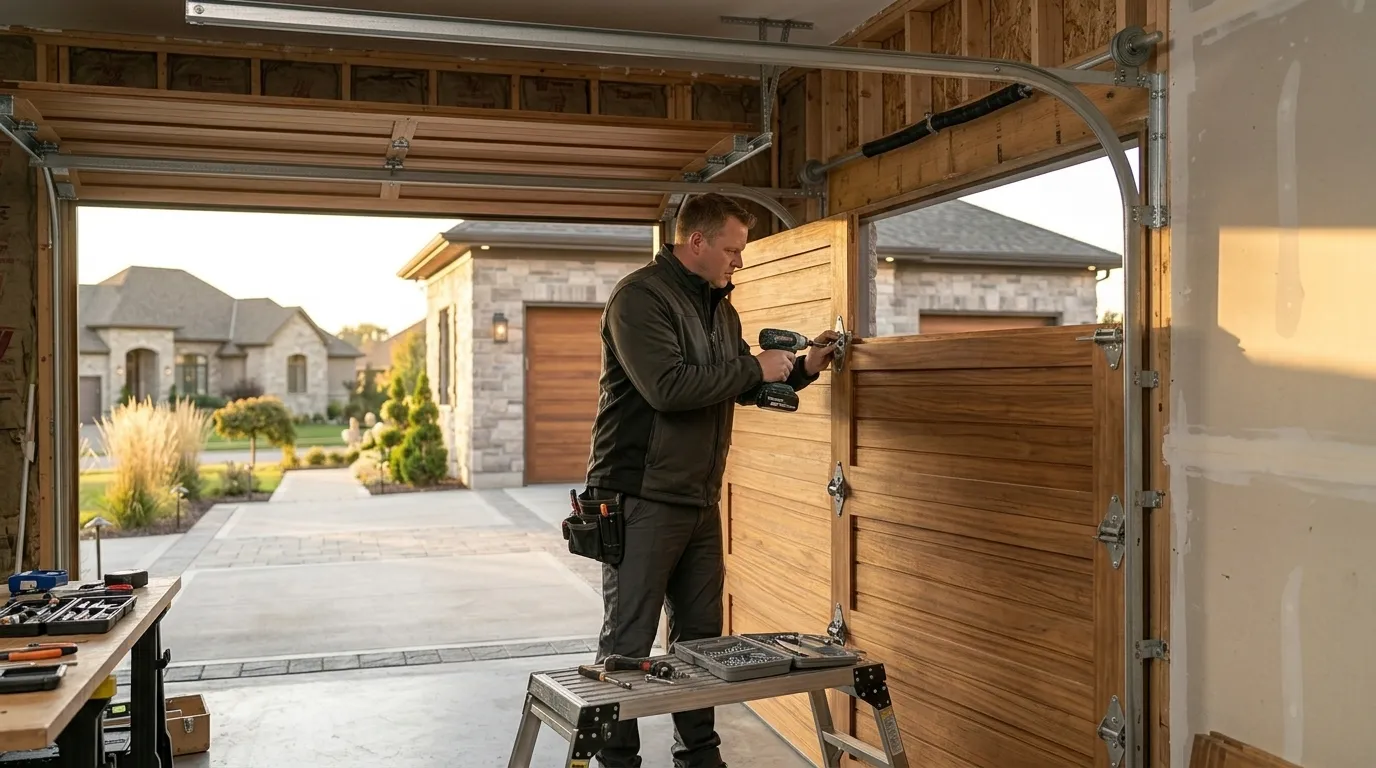
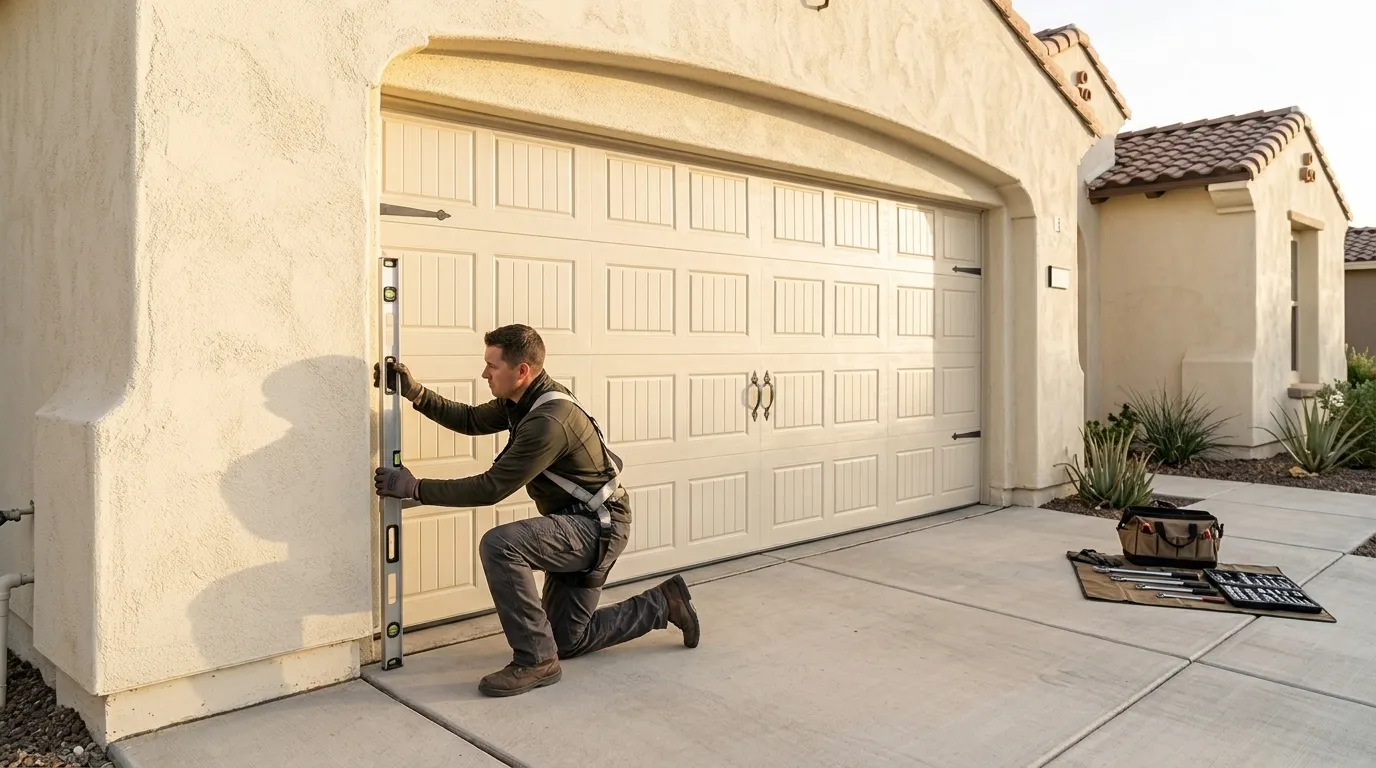
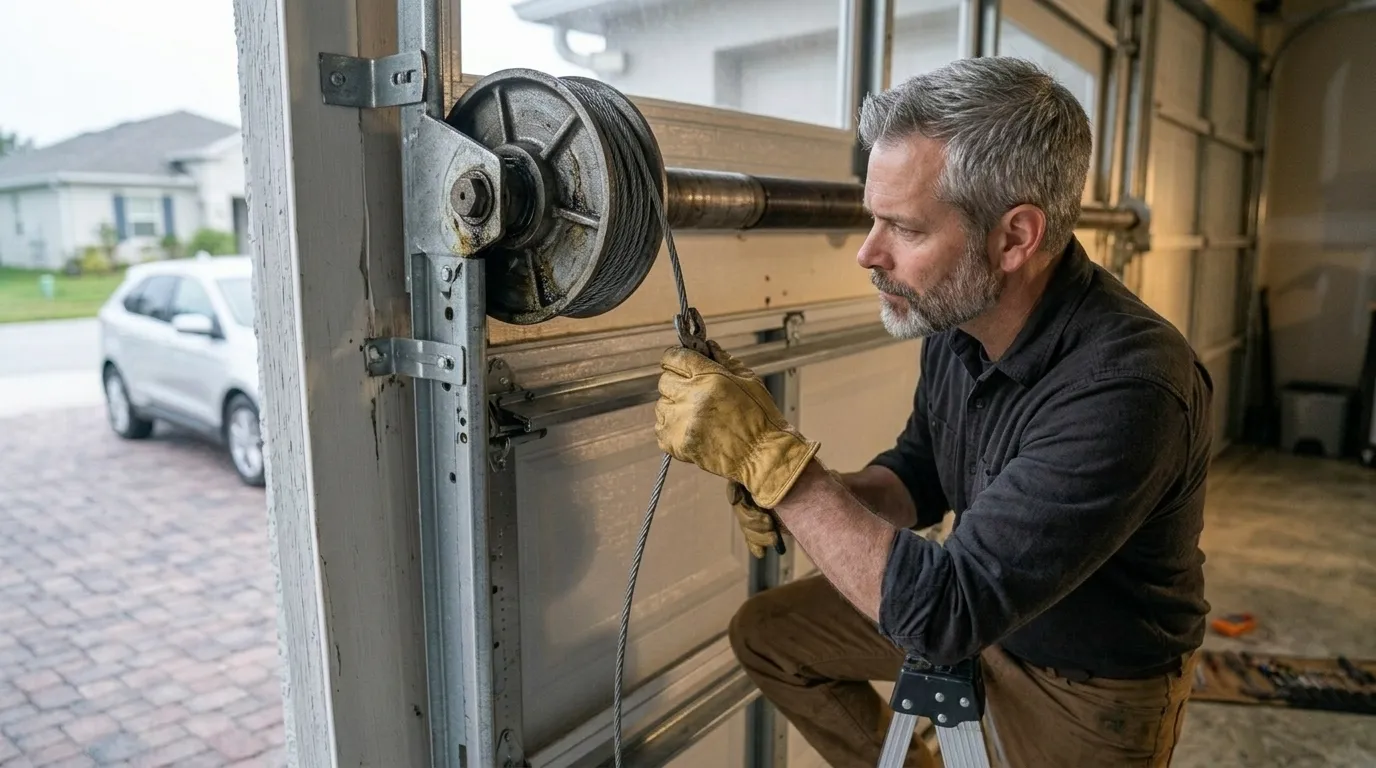
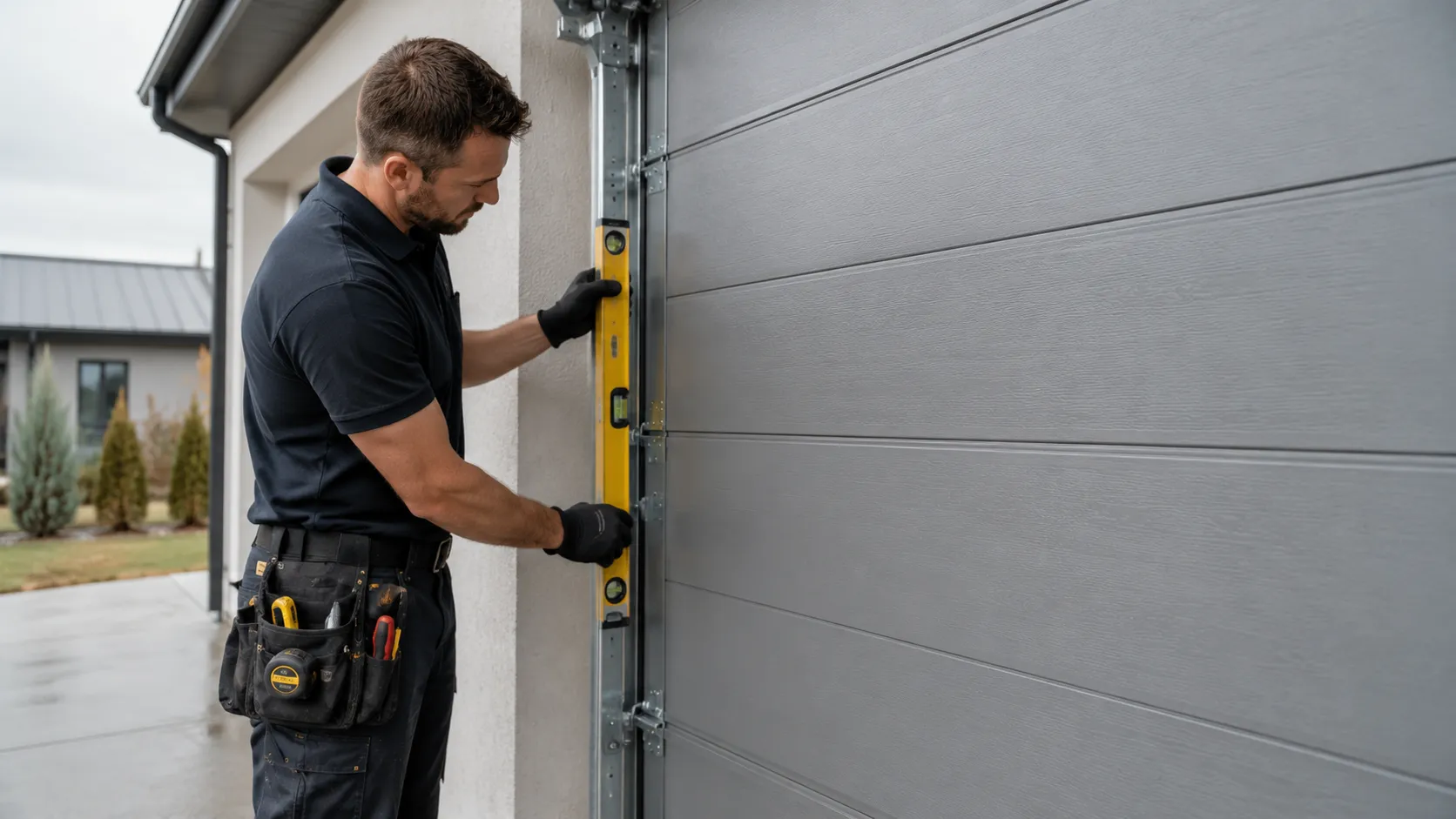
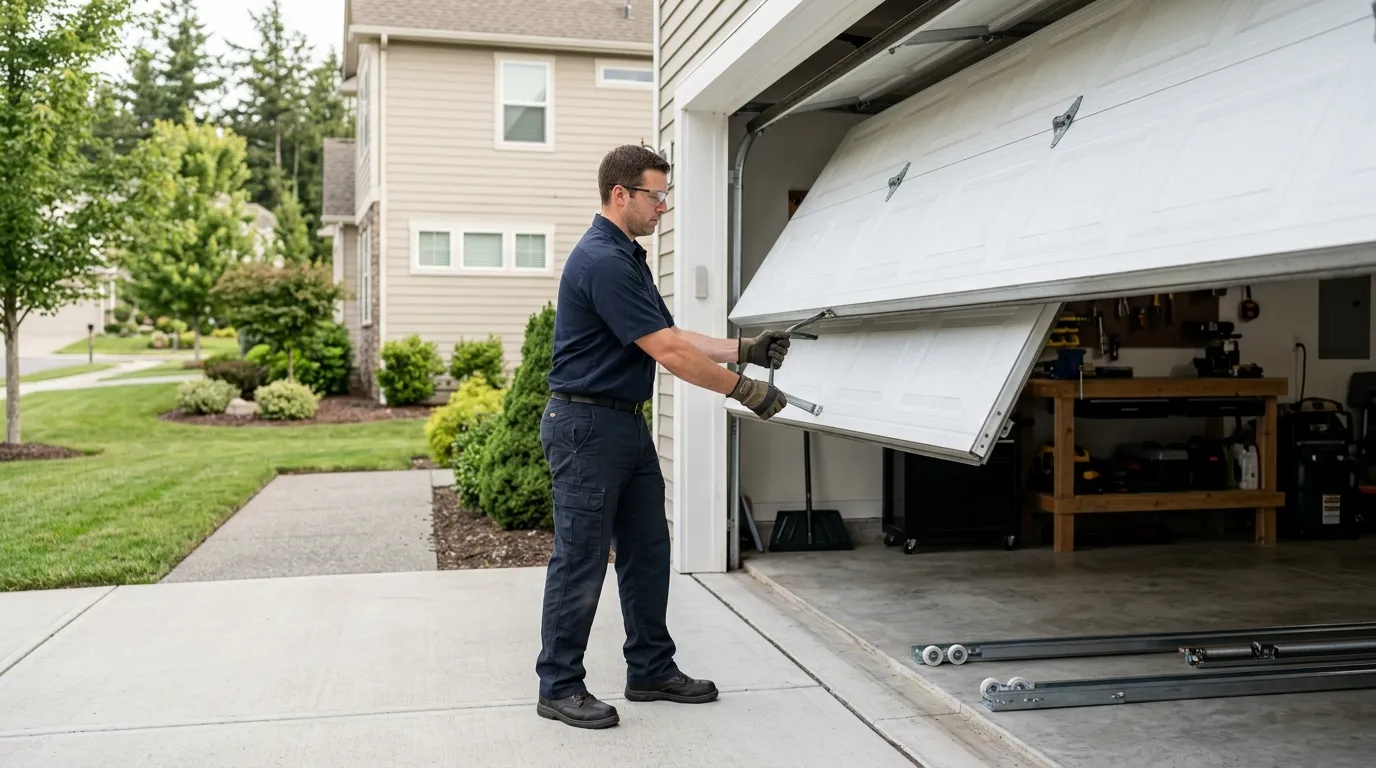
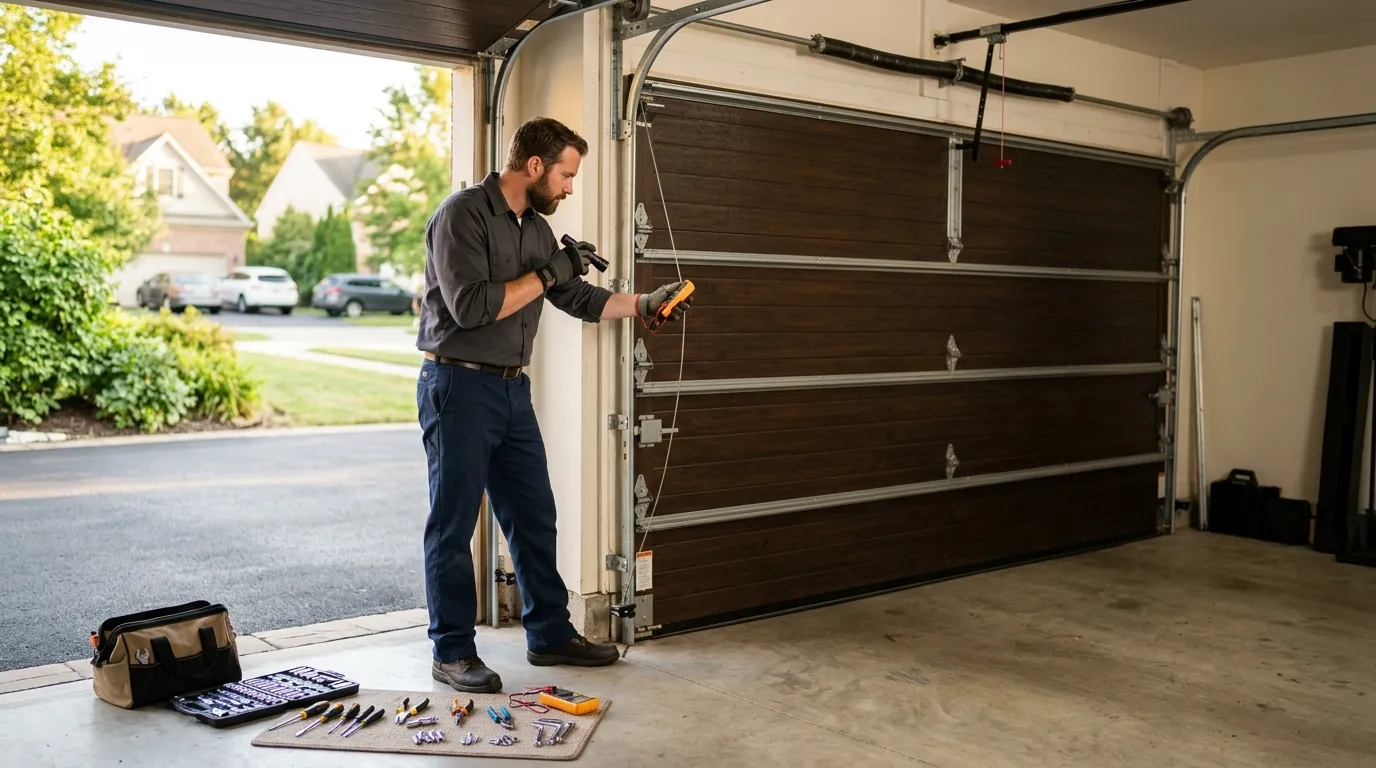
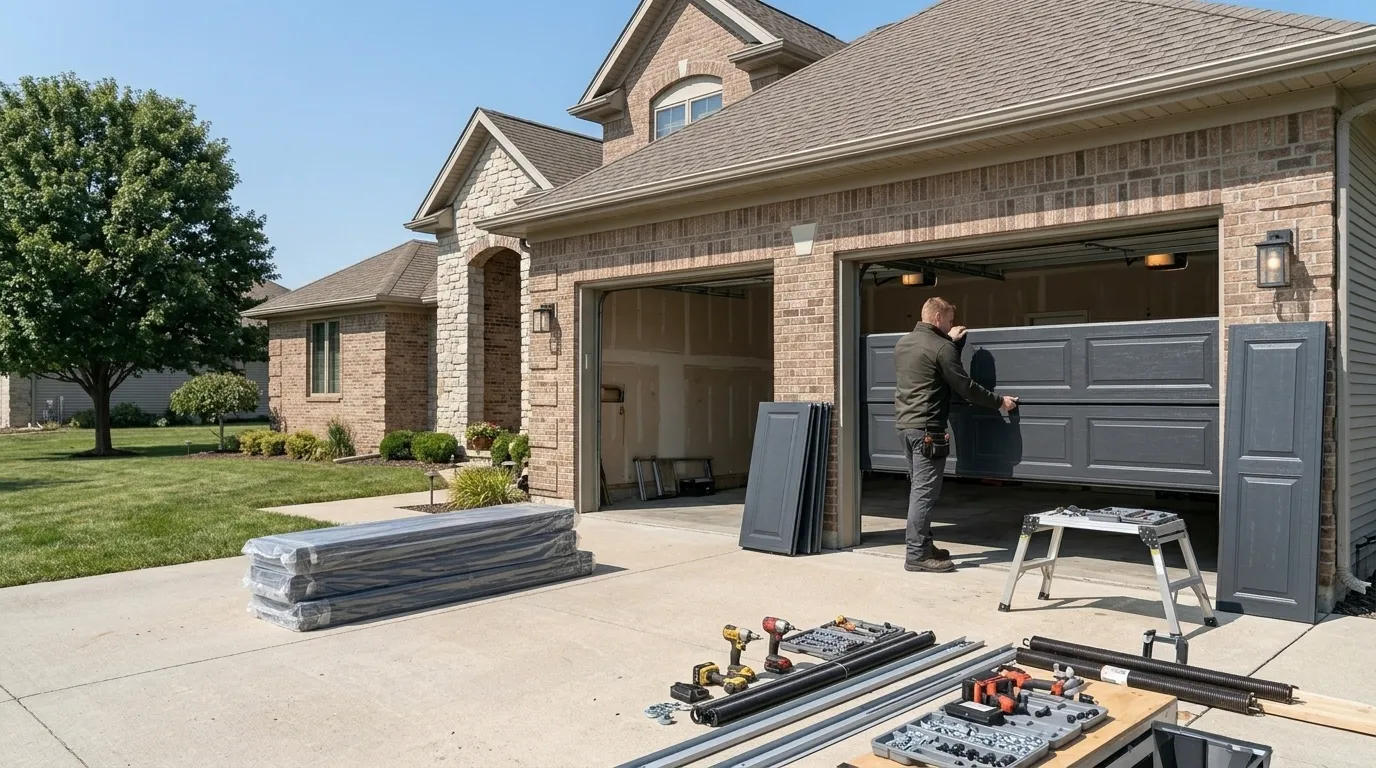
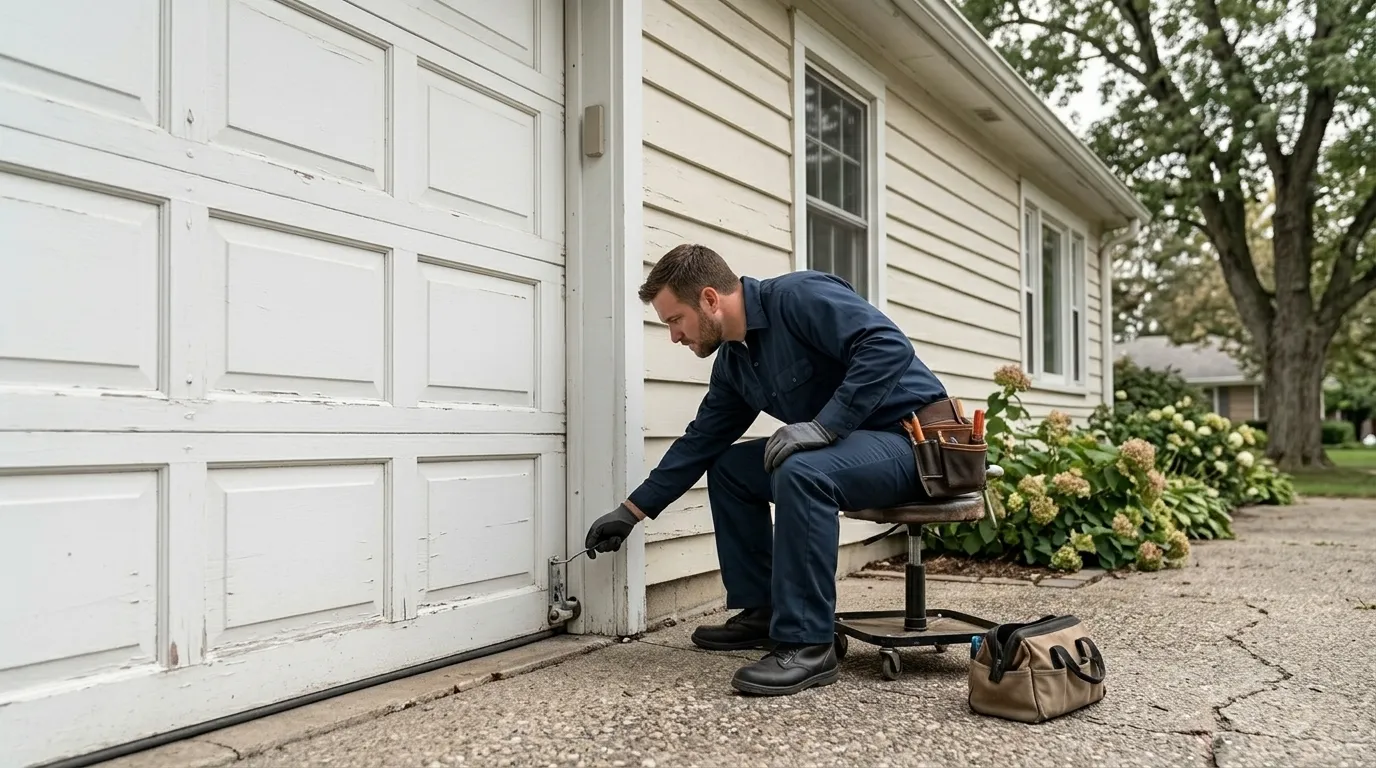
Sherrelwood sits about 14 miles from our Brighton shop, and the calls we get from here skew toward repair, not replacement. With a median build year around 1966, a lot of these garages still have their second or third opener, and plenty still run on the original steel track bent slightly out of true from decades of use. We see extension springs more often here than in the newer parts of our coverage area, since extension setups were standard before torsion systems took over in the late 70s and 80s. That means jobs here often involve pulley and cable inspection alongside the spring itself, not just a spring swap. We also get more single-panel replacement calls, since older doors used panel styles that don't match what's on the shelf today - sometimes we can source a close match, sometimes the whole door has to go. One honest limit: if a panel or track part is discontinued for a door this old, we'll tell you plainly rather than promise a fix that isn't coming.
What People Here Ring About
The most common first sentence we hear from Sherrelwood is some version of "it just stopped" - the opener hums but the door won't move, or it moves an inch and reverses. On a house built in the mid-1960s that's usually a worn drive gear or a capacitor going in an opener that's outlived its expected life, not a wiring problem. Second most common: a door that's heavy to lift by hand, which almost always means a spring that's lost tension or broken outright. Because Sherrelwood's housing predates the torsion-spring era that dominates newer subdivisions, that spring is more likely mounted on the side, near the top roller track, rather than centered above the door. Third: rollers that have gone from smooth to grinding, which on a door this age often means the roller shafts have worn oval instead of round. None of these are exotic problems. They're just what happens to hardware that's had 55-plus winters to loosen, rust, and fatigue.
The Houses Here
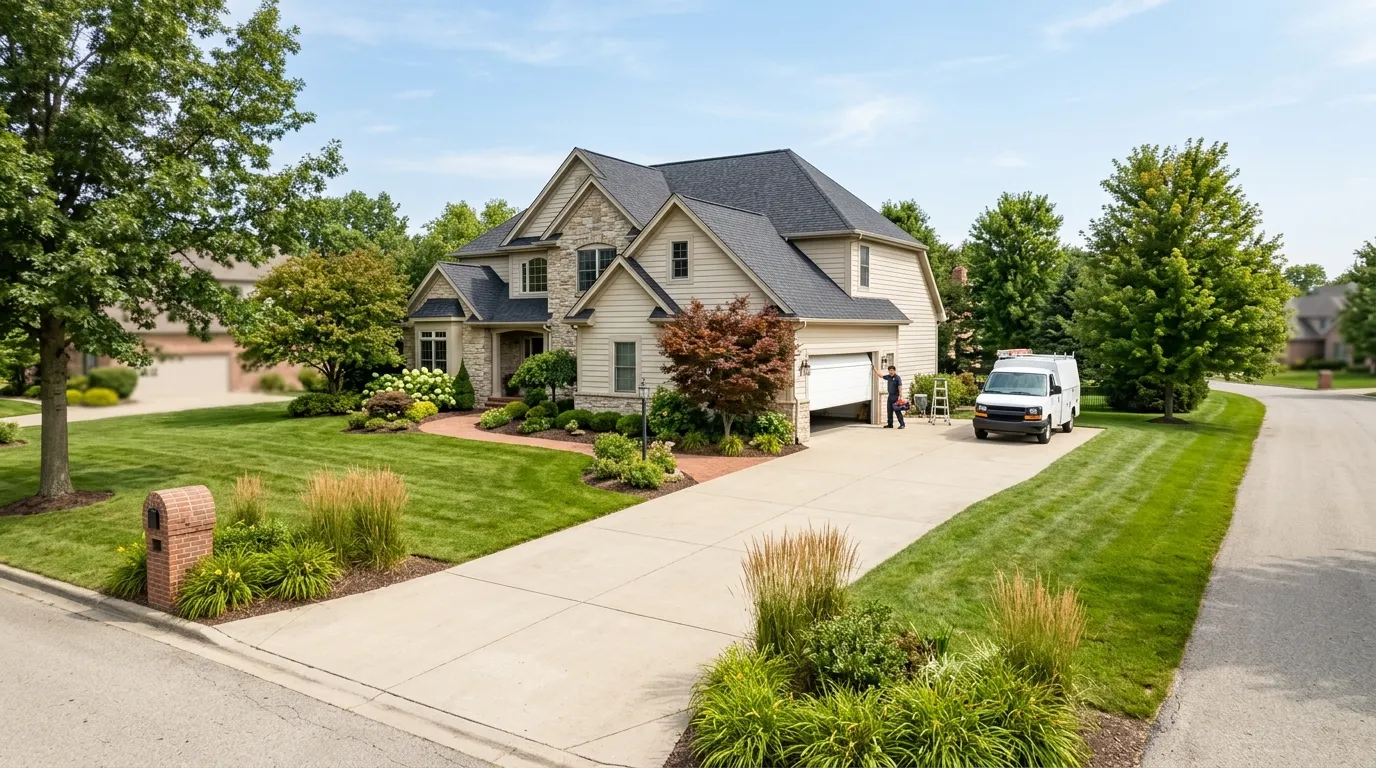
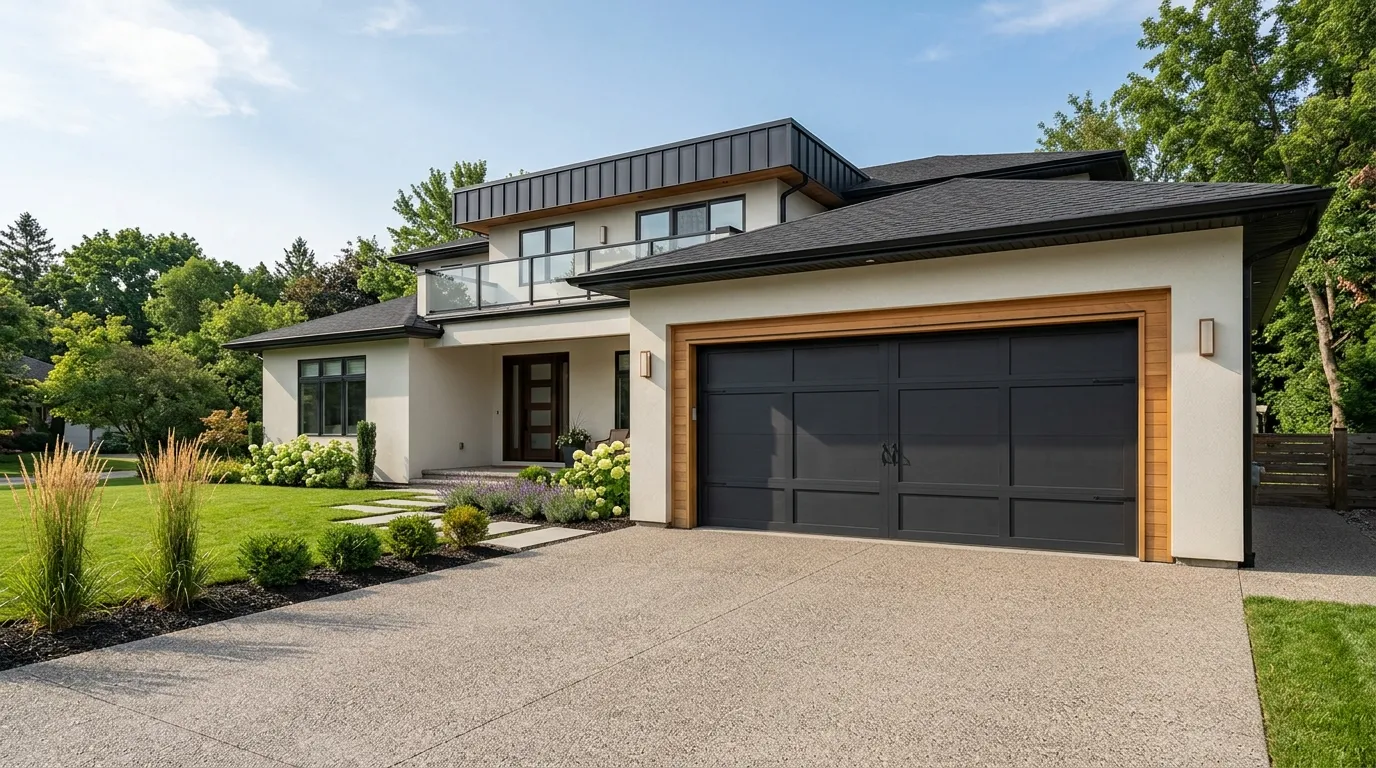
Sherrelwood's median year built sits around 1966, noticeably older than the 1991 median across our wider Brighton service area, which runs from 1958 up through 2010 construction. That gap matters more than it sounds like it should: doors, springs, and openers installed in the 60s and 70s used different mounting standards than what became common in the 80s and 90s boom that shaped most of the rest of our coverage. With roughly 6,314 households here and a median income around $73,849, we see a mix of owners who've kept the original door running for decades and owners partway through a slow, room-by-room update of the house. Either way, when a repair call comes in from an address here, we're not guessing at hardware generation - the build year tells us most of what we need before the truck leaves Brighton.