Common Jobs Here
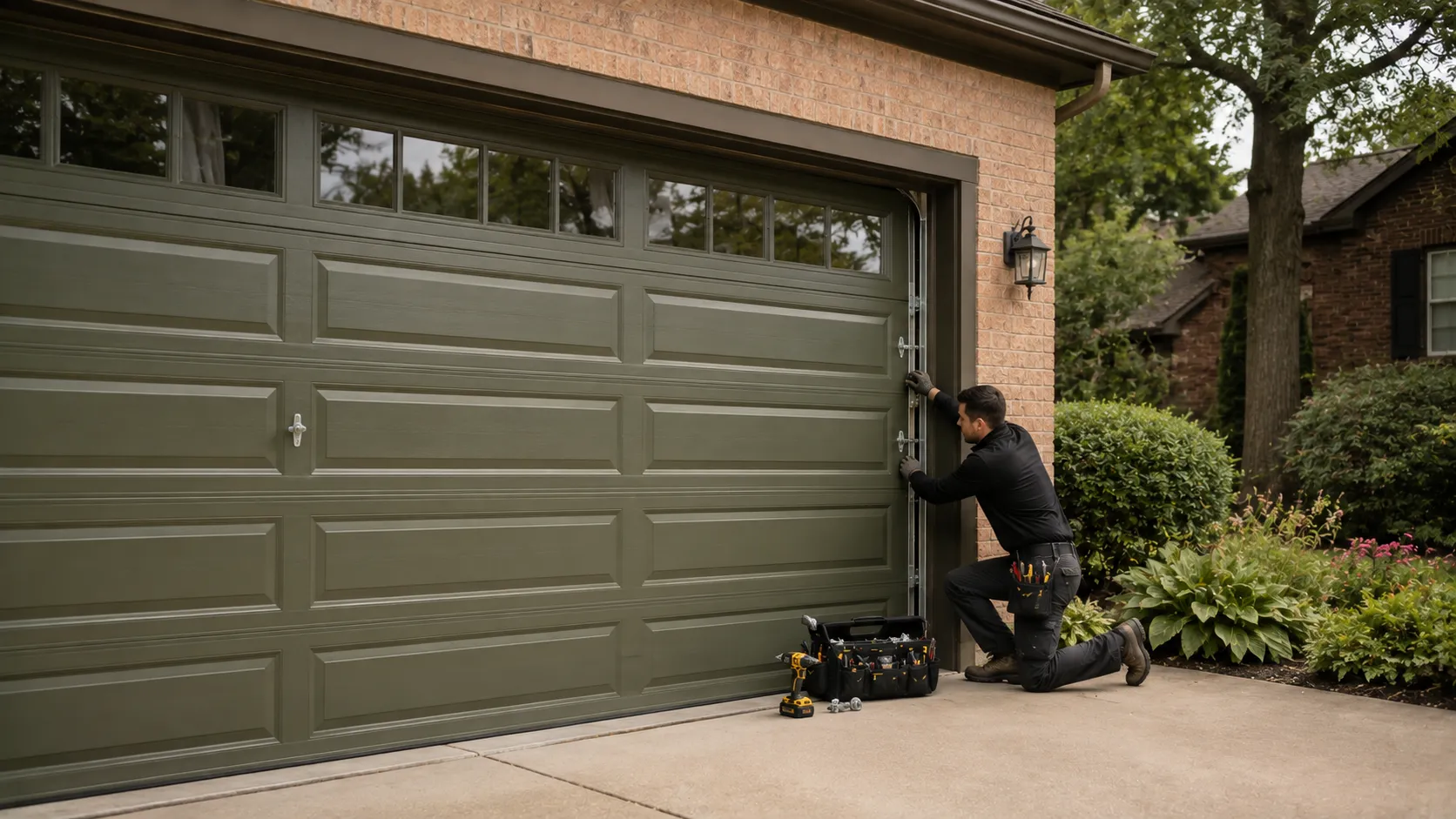
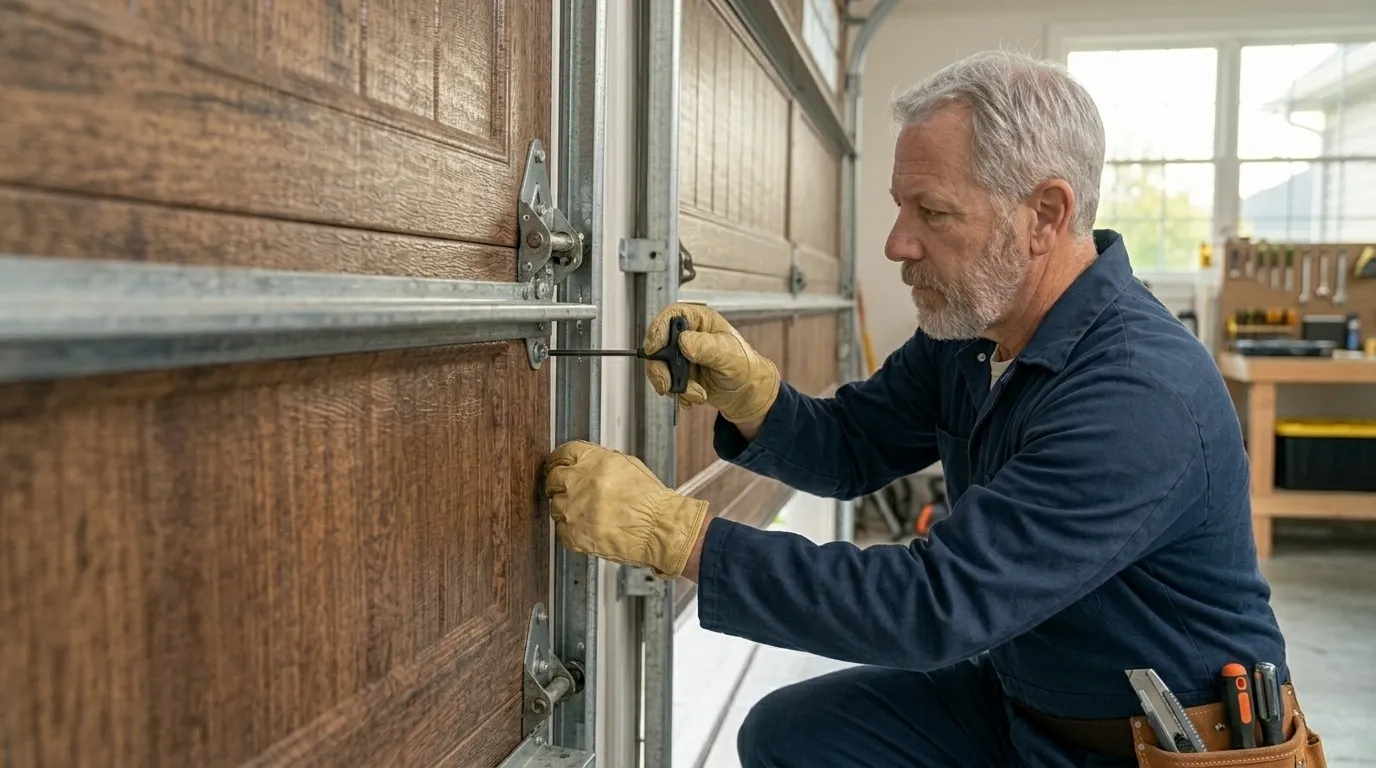
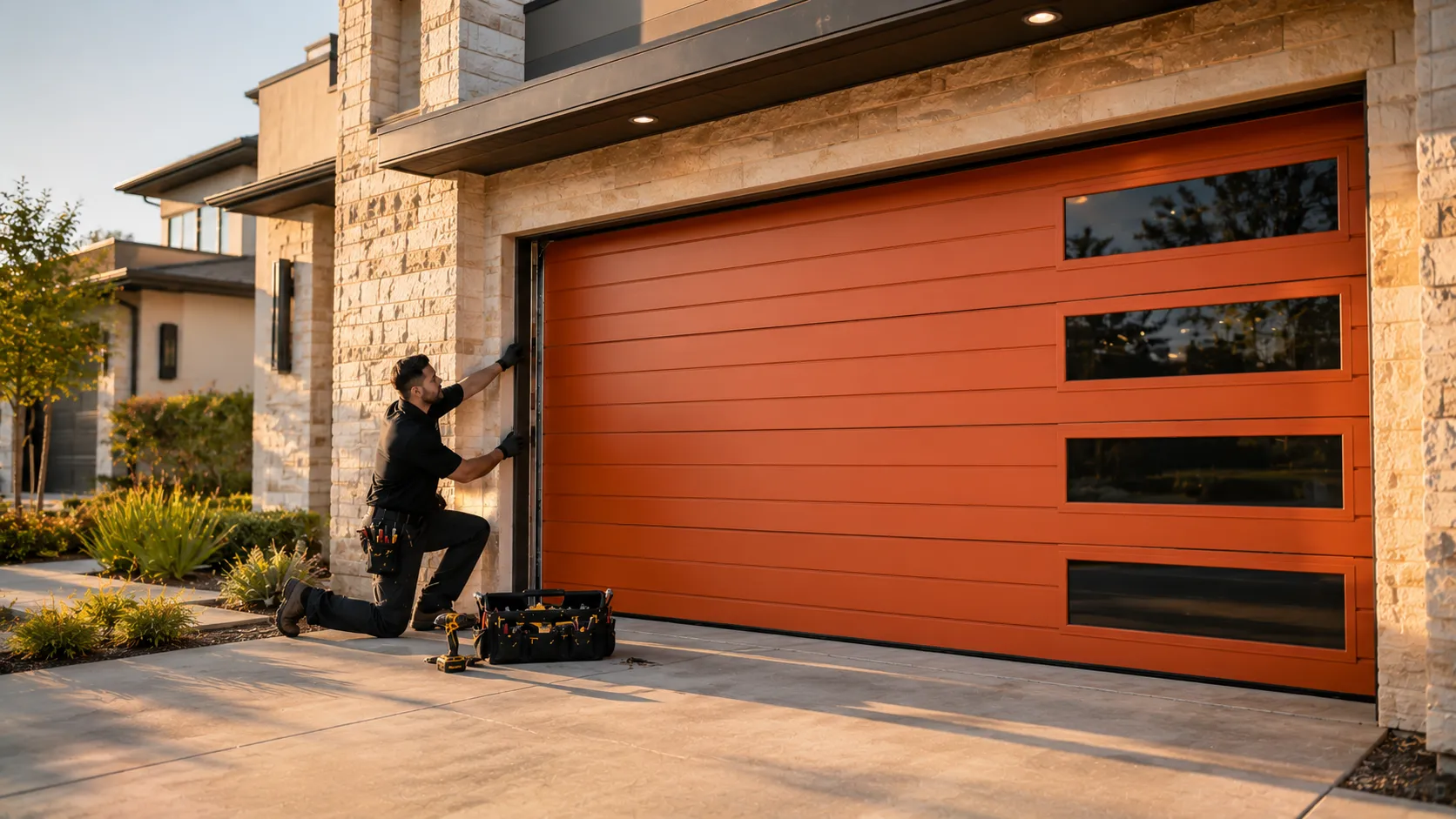
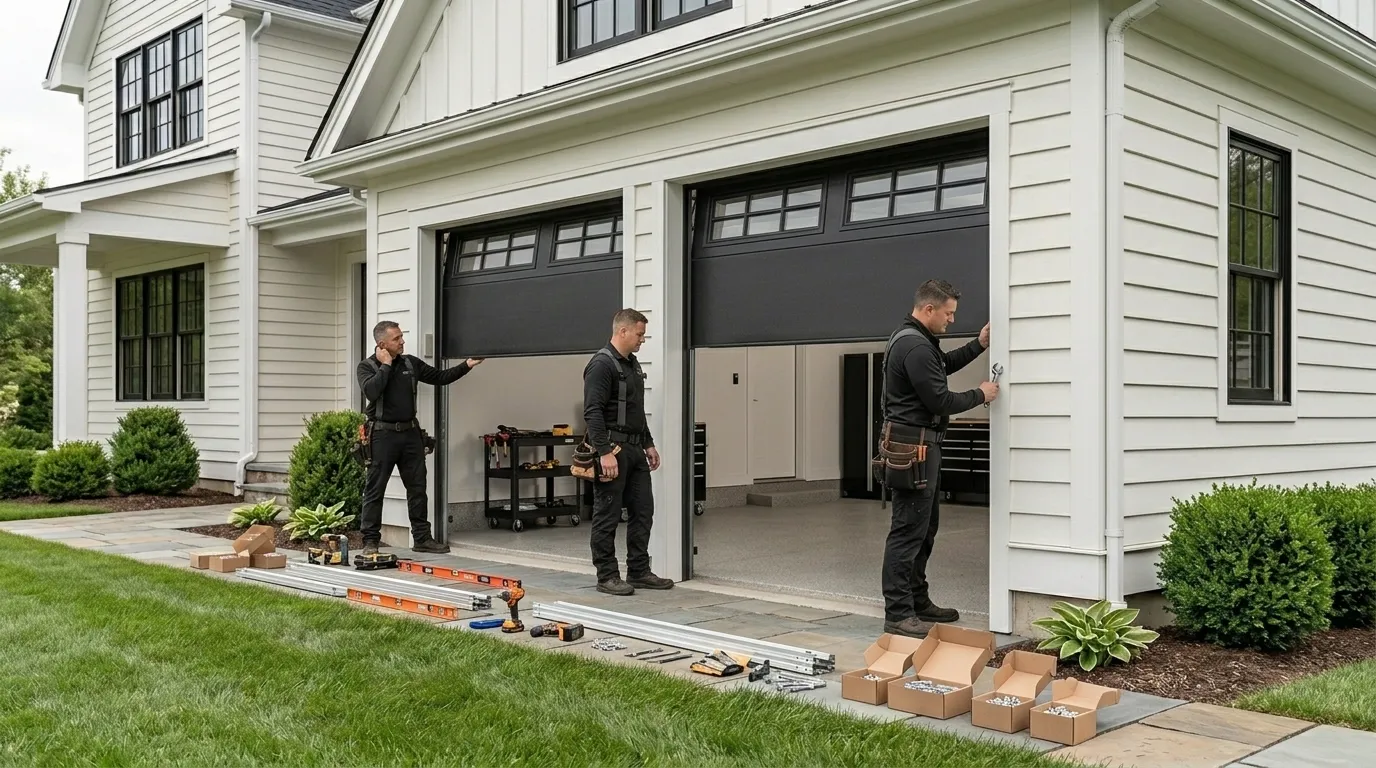
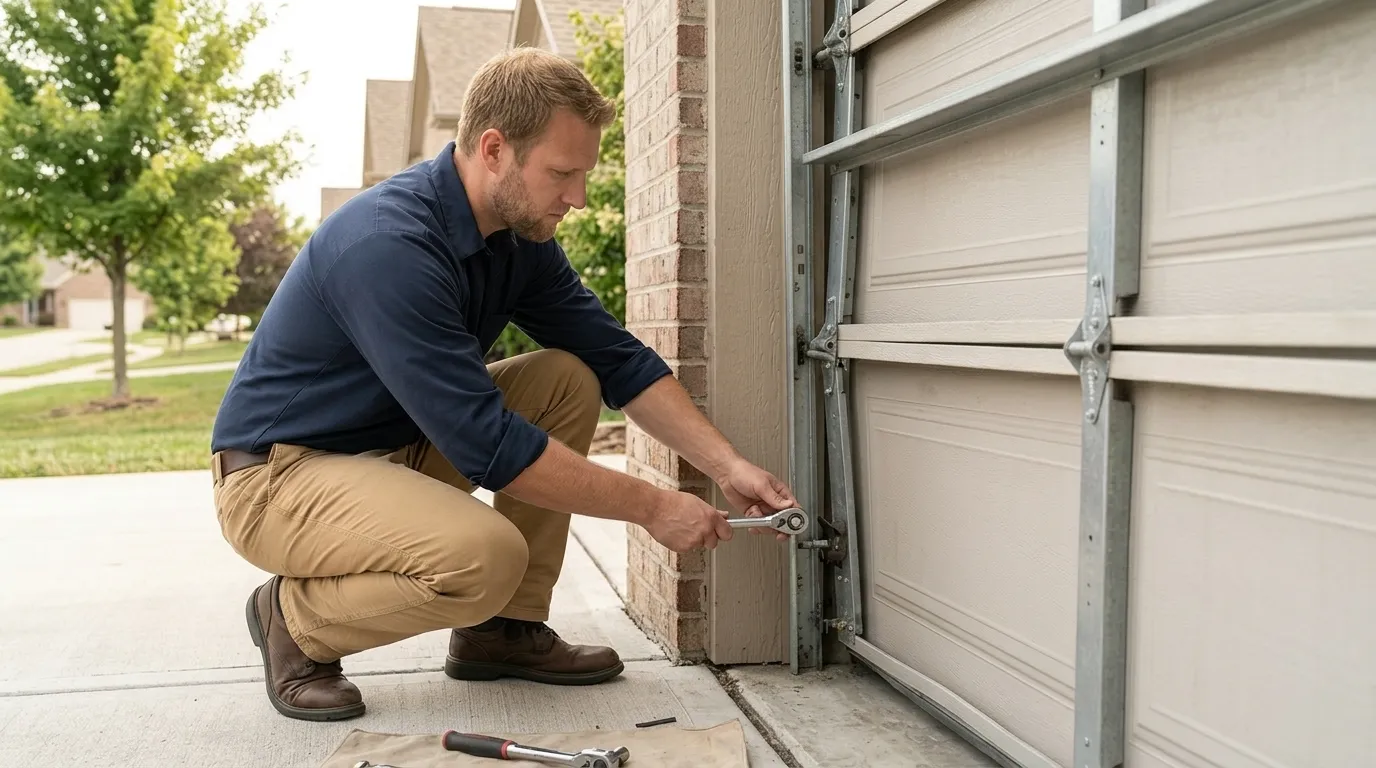
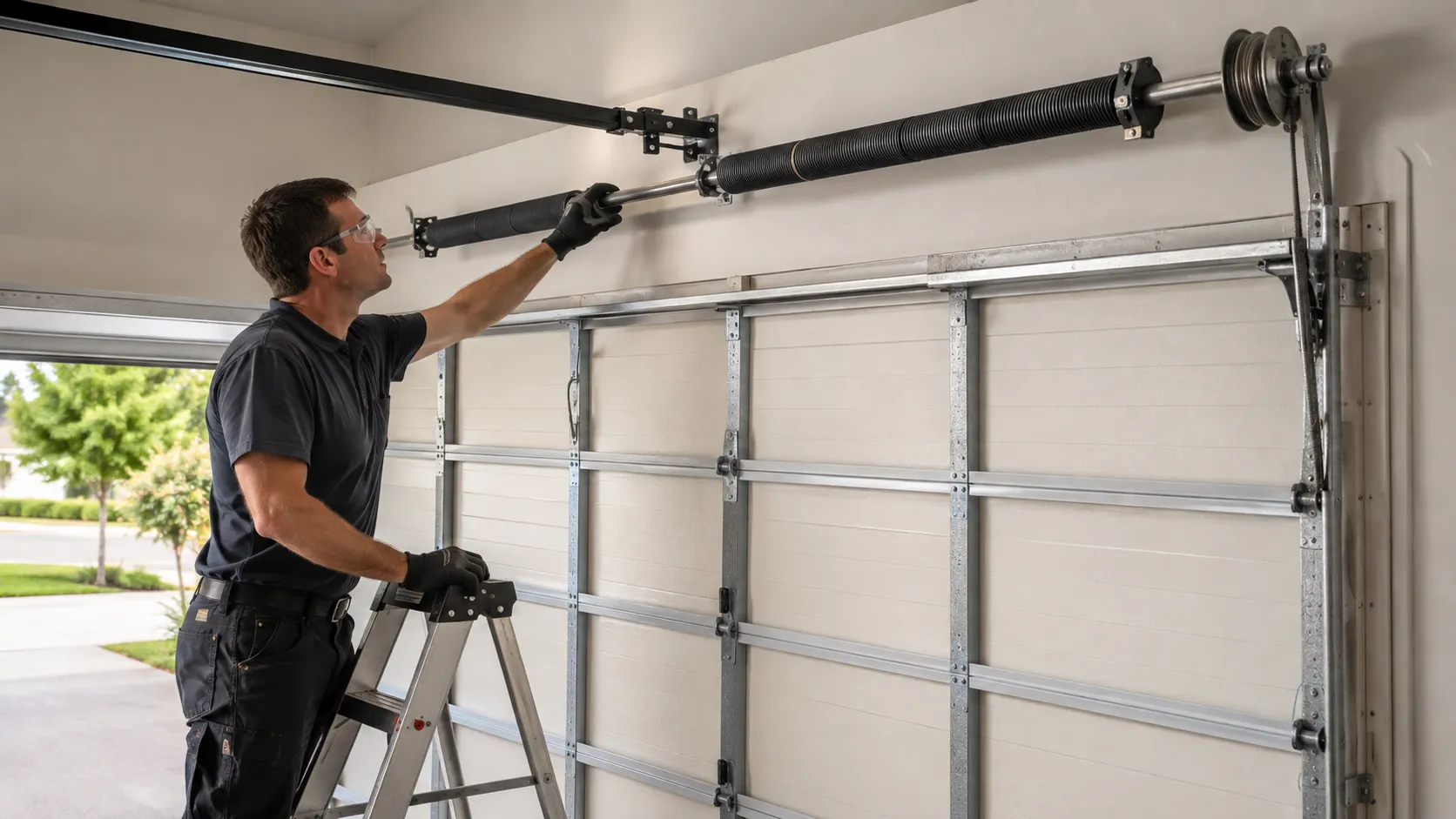
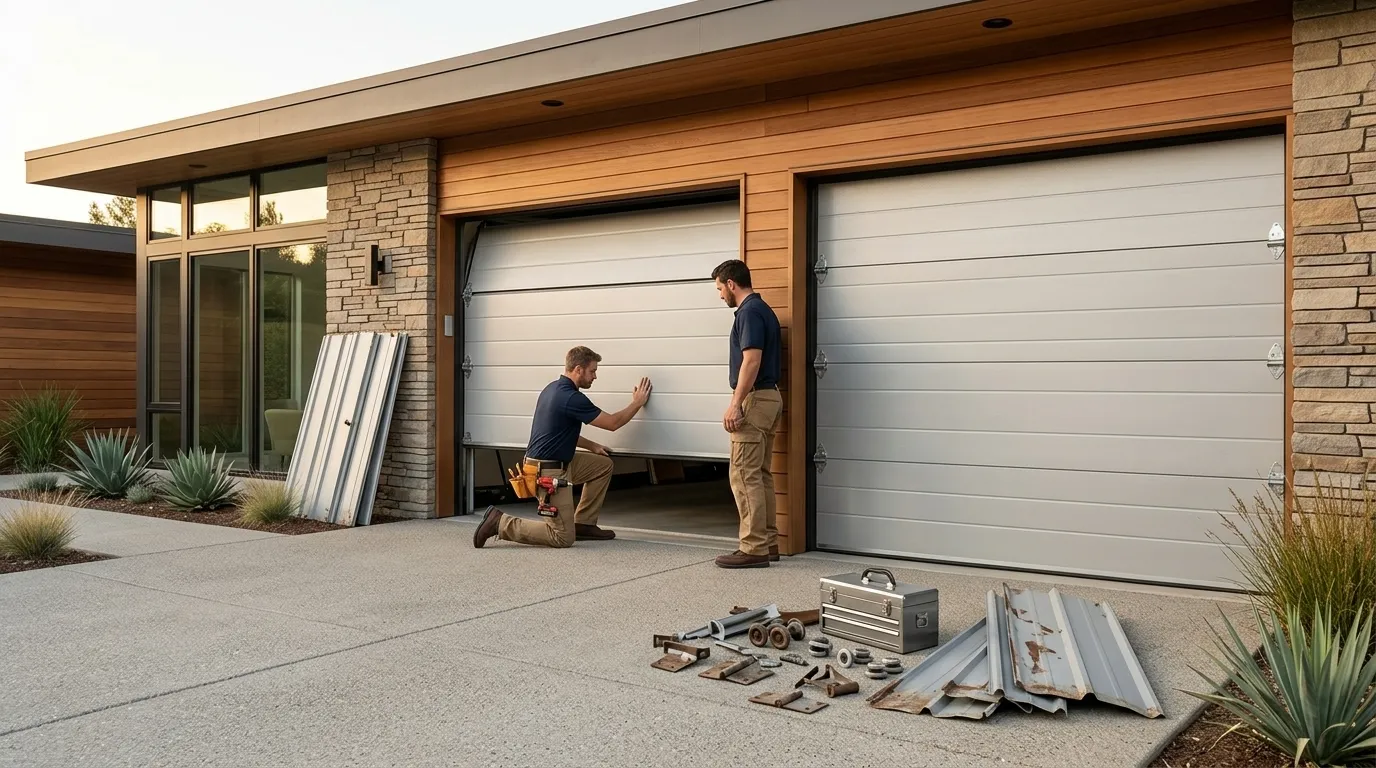
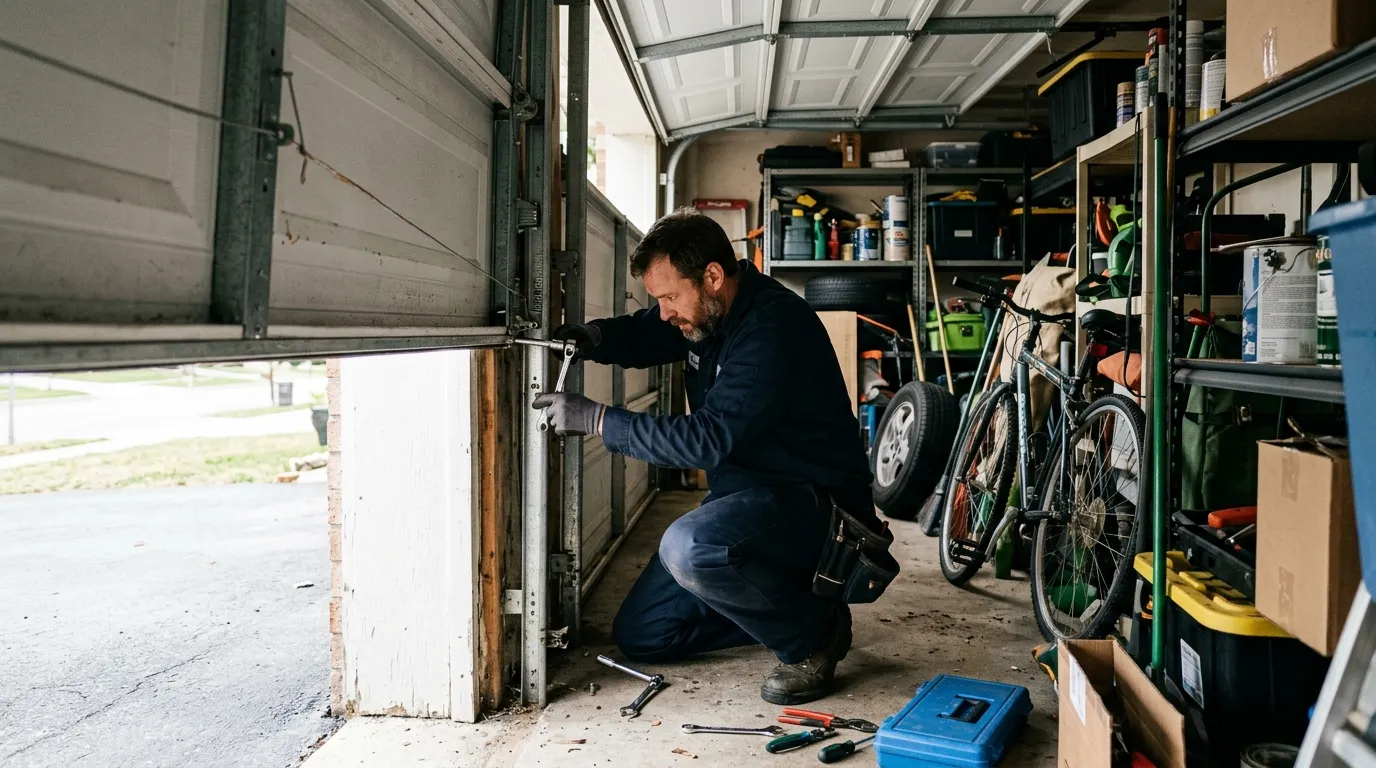
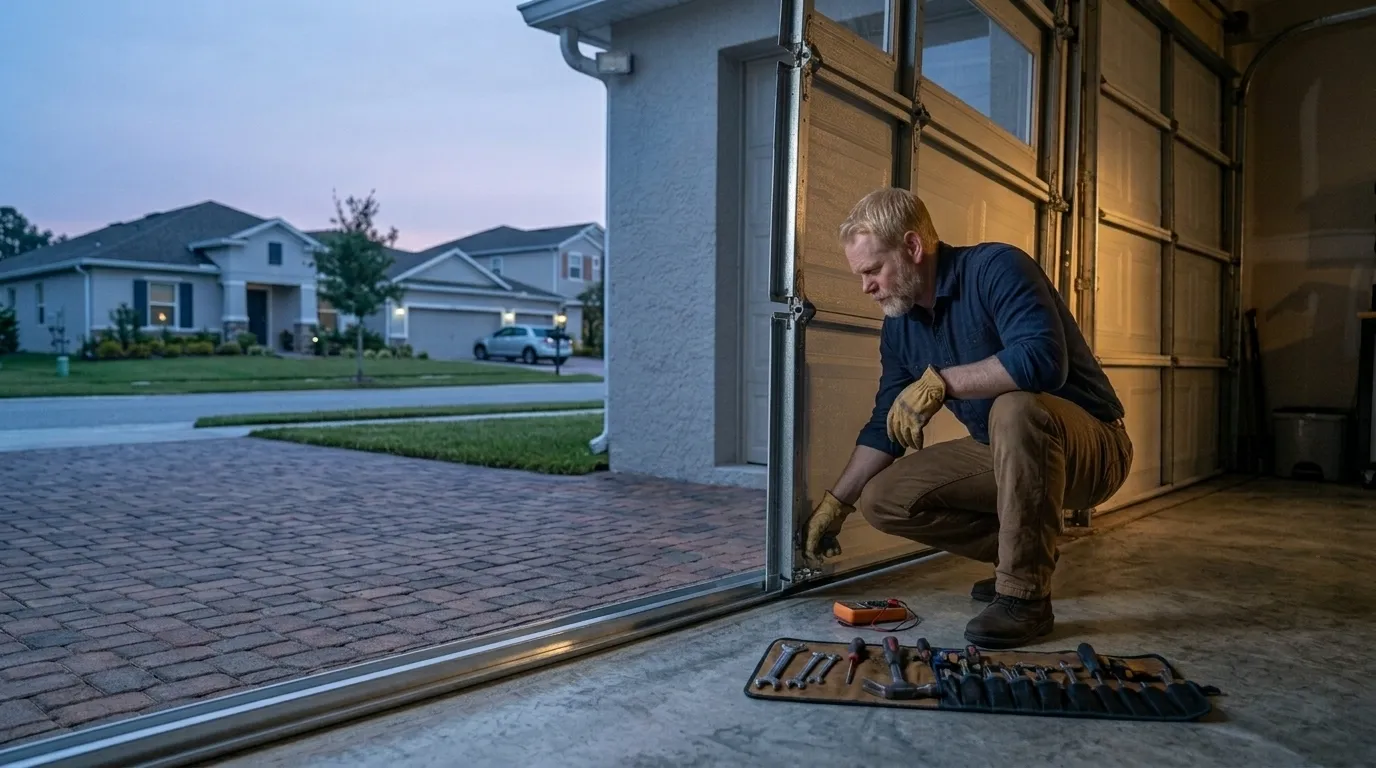
Twin Lakes sits about 15 miles out from our shop in Brighton, and the doors we get called out to here skew older than what we see closer in. With a median build year around 1976, a lot of these garages still have their original steel sectional doors, or a first-generation replacement from the 80s. That means extension springs mounted along the horizontal track more often than the torsion setups you'd expect on newer builds, and openers that have already been swapped once or twice by the time we show up. The jobs we run most in this pocket: extension spring replacement, worn track brackets pulling loose from aging jamb wood, and roller replacement where the original rollers were never upgraded from steel to nylon. We also see a fair number of panel repairs on doors that took a hit from a trailer or a mower and were never fixed right the first time, just bent back into place.{}
What People Here Ring About
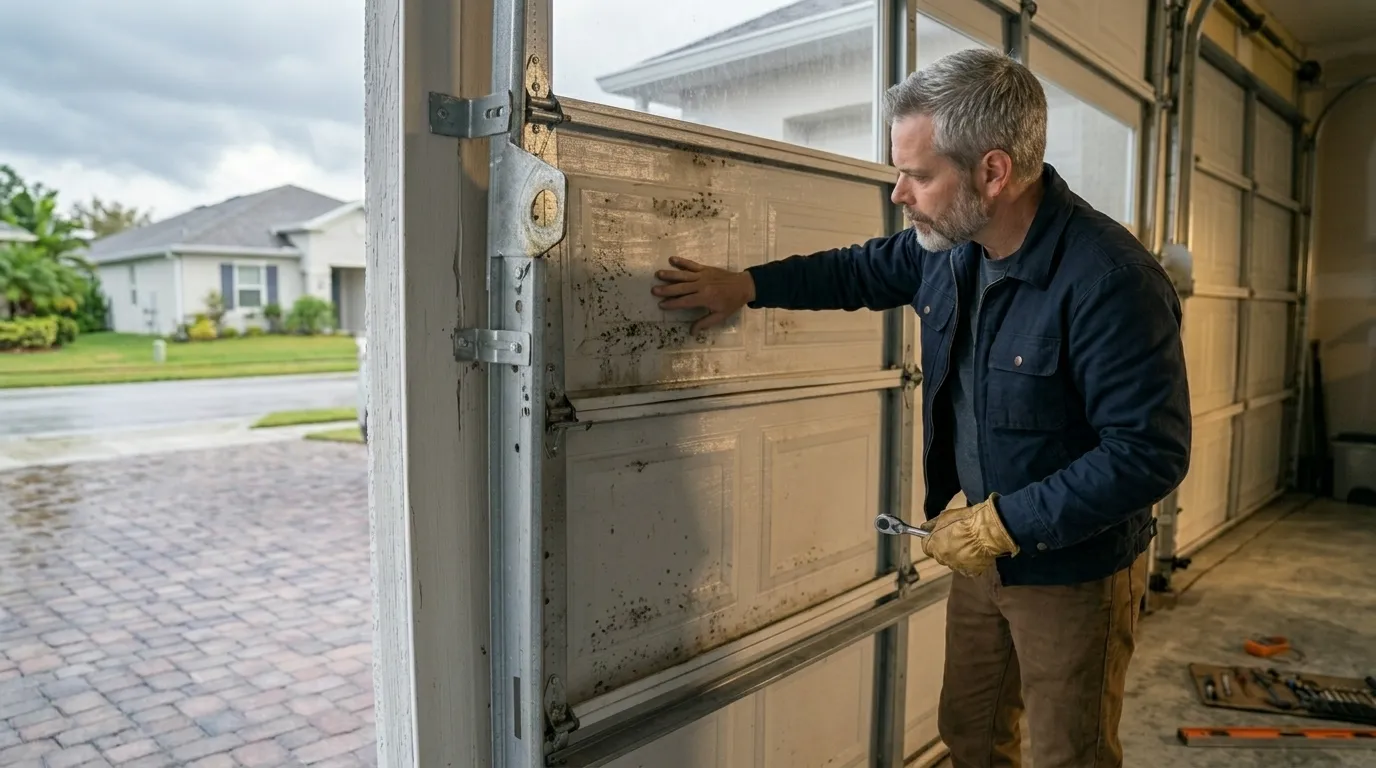
The call we get most from this area is a door that slams down the last foot of travel instead of settling. On a 1976-era door with tired extension springs, that's usually the springs losing tension unevenly, not the opener. Second most common: a door that's noisy going up, a grinding or popping sound that traces back to steel rollers that were fine for decades and are now just done. With around 3,274 households in Twin Lakes and a median income near $93,818, we see plenty of owners who'd rather put money into a proper spring and roller job than a full door replacement, and on a structurally sound door from this era, that's usually the right call. Where it isn't: doors with rot at the bottom panel or track that's been re-bent so many times it won't hold alignment anymore. At that point we tell people straight that a new door costs less over three years than another round of patch repairs.{}
The Houses Here
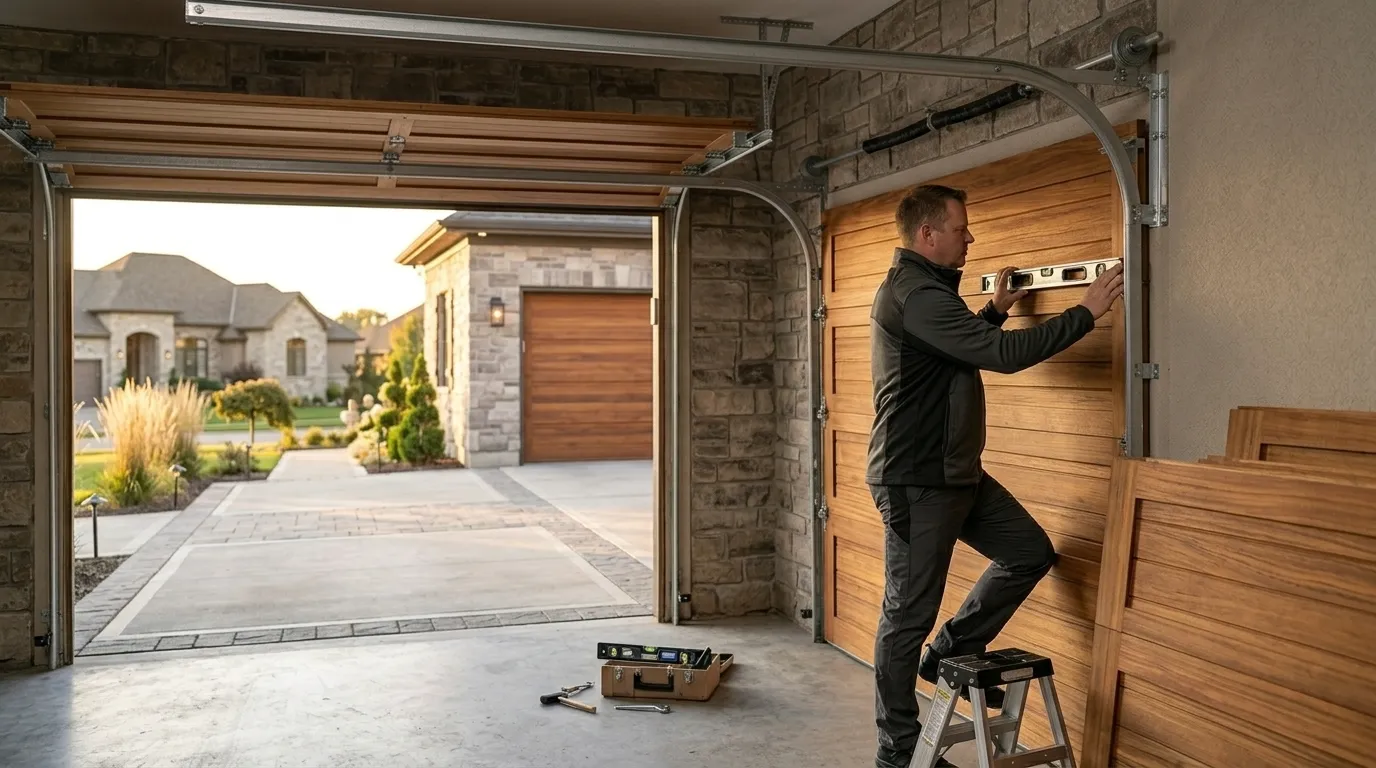
Twin Lakes' median build year of 1976 puts it ahead of the older end of the broader service area's 1958 start but well behind the area-wide median of 1991. That gap is the whole story for garage doors here: houses built in this window typically got single-layer steel doors with minimal insulation, sized for the openers of that decade, and mounted on jamb hardware that's now pushing 50 years old. Compare that to homes built in the 90s elsewhere in our coverage, which mostly came with insulated doors and torsion springs from the start. In Twin Lakes, upgrading to torsion hardware during a repair is often the better long-term move, even though it costs more upfront than replacing like-for-like, because it holds up better against the cold-weather spring failures this era of door is prone to.{}